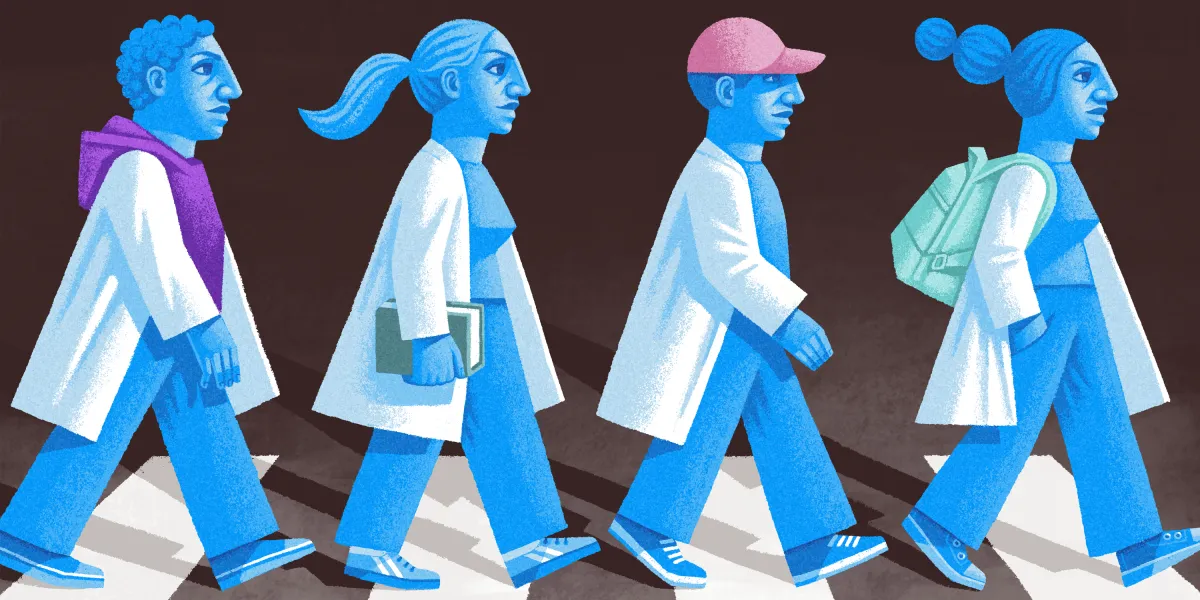
Plus: China-linked hackers have hit Taiwan in an “unprecedented” AI attackAugust 12, 2026 This is today's edition of The Download, our weekday newsletter that provides a daily dose of what's going on in the world of technology. How we picked 35 of the world’s top young scientists and engineers On September 8, MIT Technology Review will reveal its 2026 list of Innovators Under 35, recognizing 35 young people from around the world who are doing groundbreaking scientific work and building clever technical fixes for sticky problems. By finding the top young innovators globally and learning what they’re focused on in their work, we aim to give readers a sense of what advances to expect in the years to come. As a newsroom, we also use this exercise to help us spot rising talent and get to know some of the best early-career researchers in the fields that we cover.
This year, we received 550 nominations. Find out how we whittled them down to 35 of the young innovators shaping the future of technology, and check out last year’s list. —Amy Nordrum
How the “censorship-industrial complex” is changing the internet and US policy —Eileen Guo I first heard the term “censorship-industrial complex” on April 15, 2025. That’s when I got the tip that a small office in the US State Department, which focused on monitoring and countering foreign disinformation from the likes of Russia, Iran, and China, was facing imminent shutdown—the next day. And the reason? The office was accused of serving as the department’s central hub in the so-called censorship-industrial complex—a sprawling constellation of government agencies, academics, civil society groups, and Big Tech platforms allegedly conspiring to suppress conservative and populist speech online under the guise of combating disinformation. I broke the story on April 16. But for me, it was just the start of a deep reporting rabbit hole into an idea that had moved from the fringes of the right-wing internet into the Trump administration. For more on what the narrative means for the internet, read my story here. MIT Technology Review Narrated: Montana’s plan to become an experimental medical hub just pushed forward At the end of July, any biotech company in Montana with an experimental drug gained a clear path to selling it to consumers. Companies whose drugs have been through preliminary testing—sometimes in as few as 10 healthy people—can pay $12,500 to apply to a newly established review board. Once approved, they can set their own prices and sell the drugs through experimental treatment clinics, the first of which is likely to open around the end of this year. Montana’s latest right-to-try legislation is unique. While similar laws elsewhere limit access to people with terminal illness, Montana’s system is theoretically open to anyone who gives informed consent and can pay. That includes people desperate for treatments for rare diseases. It also includes those interested in longevity and drugs pitched as preventive therapies.