Karnataka’s GST collection from the sale of arecanut and arecanut-based products stood at ₹90.02 crore during the first quarter of 2026-27
| Photo Credit:
th-online Administrator
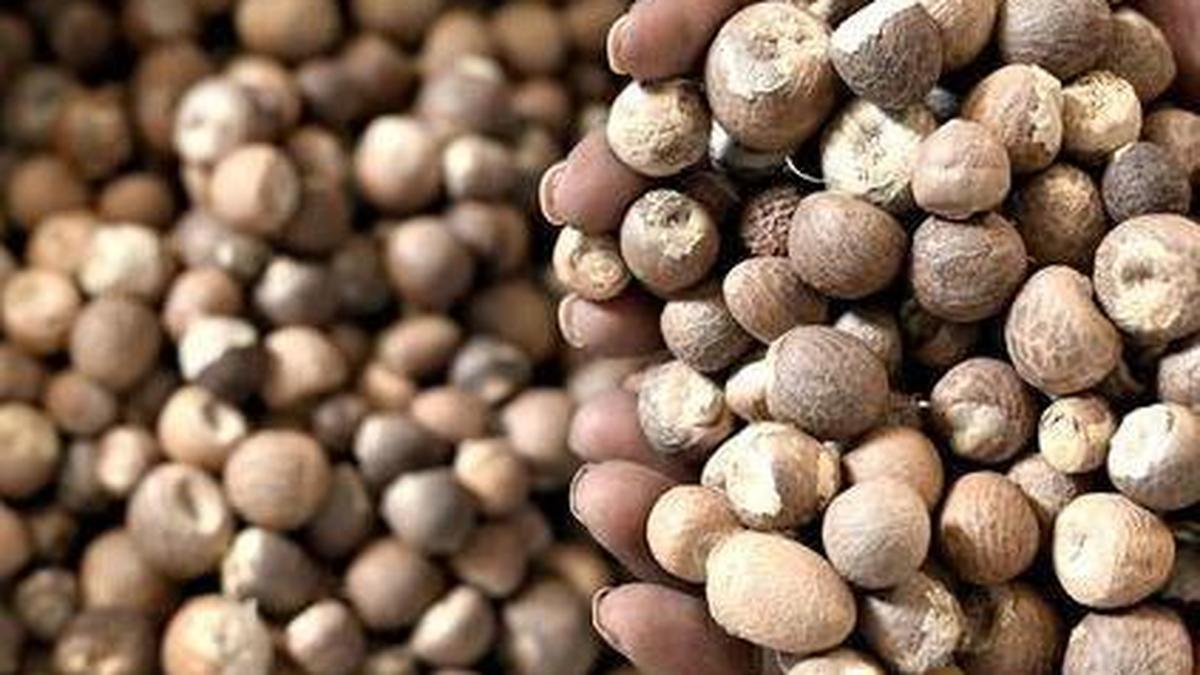
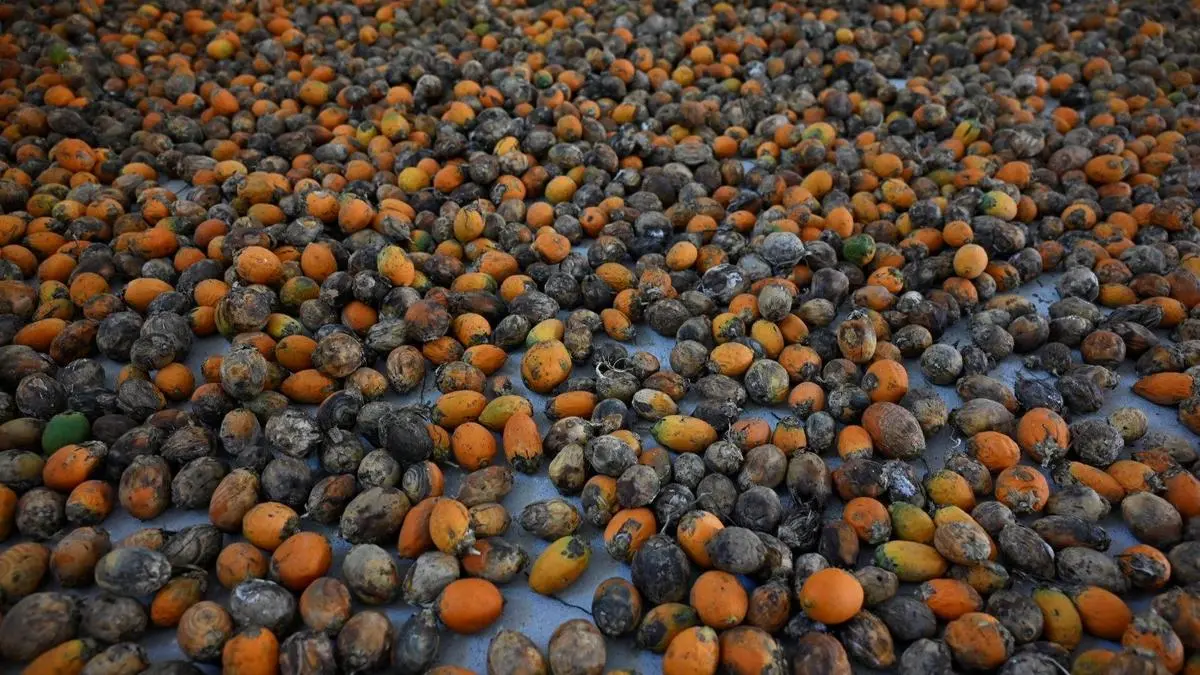
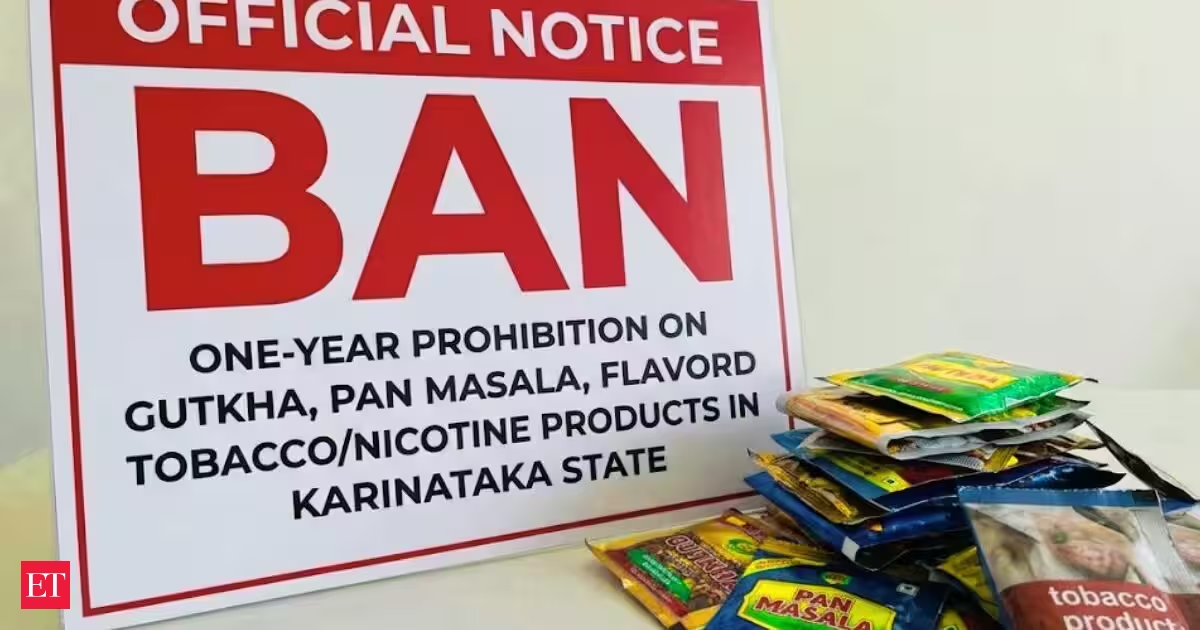
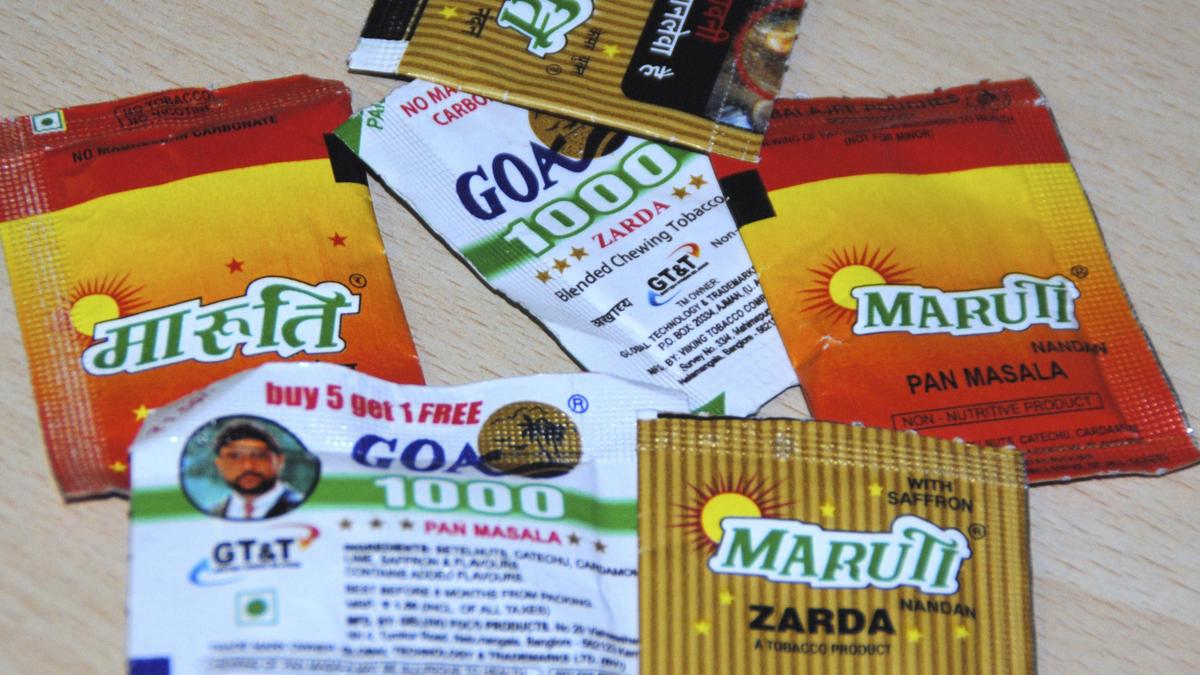
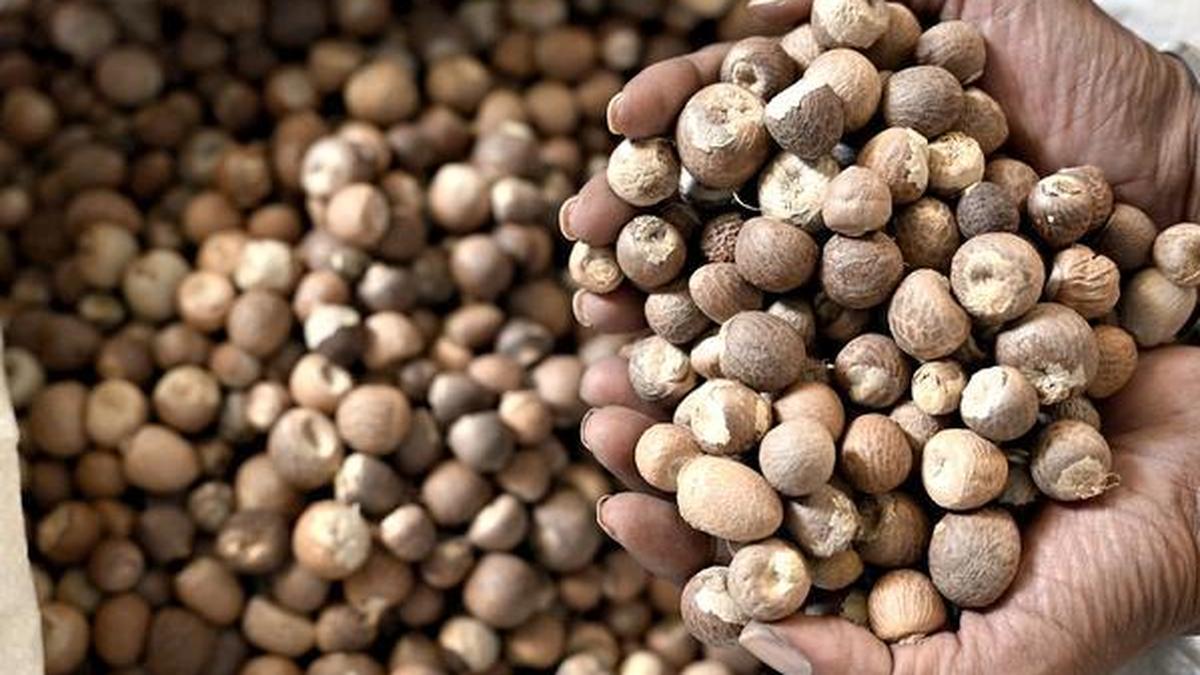
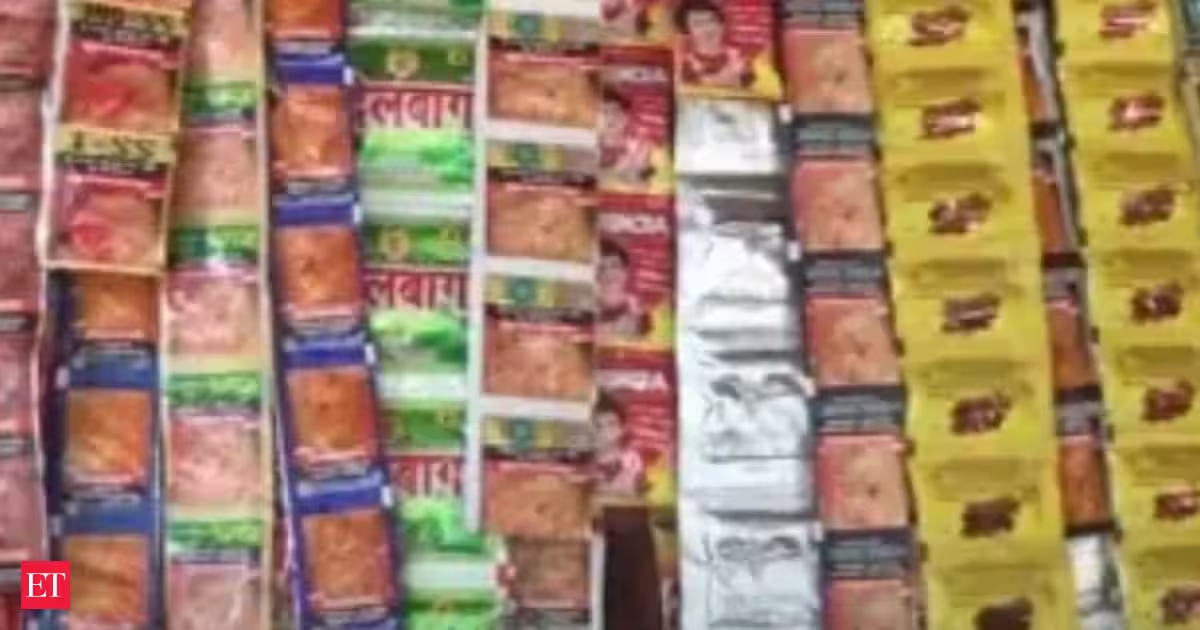
The Central Arecanut and Cocoa Marketing and Processing Cooperative (Campco) Ltd has said that the Karnataka government’s notification to ban ‘gutkha’ and ‘paan masala’ in the State should not result in unintended consequences for arecanut growers or the legitimate arecanut trade.This follows a press statement issued by the Commissioner of the Department of Food Safety and Drugs Administration, Karnataka Government, on Wednesday.The Department issued a notification dated August 10, prohibiting the sale and distribution of products containing tobacco and nicotine in the State of Karnataka in the interest of public health. “The said notification shall remain in force throughout the State for a period of one year from the date of issuance of the notification,” it added. Livelihood sourceResponding to this move of the government, SR Satishchandra, Campco President, said arecanut is an important plantation crop and a major source of livelihood for a large number of farmers in Karnataka and other parts of the country.Citing a recent answer in the Lok Sabha, he told businessline that Karnataka accounted for 71.56 per cent of the country’s total area and 75.47 per cent of the country’s total arecanut production from 2021-22 to 2025-26 (second advance estimates).“Campco respects the government’s public-health objective and the action being taken against tobacco and nicotine-containing products. However, there must be a clear distinction between arecanut as an agricultural commodity and products containing tobacco and nicotine. The enforcement of the notification should remain focused on the prohibited products and should not result in unintended consequences for arecanut growers or the legitimate arecanut trade,” he said.Arecanut growers should not be made to bear the consequences arising from the use or misuse of their agricultural produce in tobacco- or nicotine-containing products, he added.GST collectionIn a recent reply in the Lok Sabha, Union Finance Ministry gave details of GST collection from the sale of arecanut and arecanut-based products among the States.Karnataka’s GST collection from the sale of arecanut and arecanut-based products stood at ₹172.62 crore in 2021-22, ₹266.82 crore in 2022-23, ₹326.57 crore in 2023-24, ₹313.16 crore in 2024-25, and ₹379.34 crore in 2025-26. Karnataka’s GST collection from the sale of arecanut and arecanut-based products stood at ₹90.02 crore during the first quarter of 2026-27.Stating that Karnataka recorded the highest State-wise GST collection from the sale of arecanut and arecanut-based products among the States, Satishchandra said these figures underline the substantial economic significance of arecanut and arecanut-based trade in Karnataka and reinforce the need to ensure that enforcement measures directed against tobacco and nicotine-containing products do not adversely affect the legitimate arecanut trade or the livelihood of arecanut growers.Urging the State government to protect the interests of farmers engaged in the cultivation and legitimate marketing of arecanut while implementing public-health measures, he said the government and enforcement authorities should ensure that the implementation of the prohibition is confined to products covered by the notification and does not result in any indirect restriction on arecanut as an agricultural commodity or its legitimate cultivation, procurement, processing and trade.Mahesh Puchhappady, President of All-India Arecanut Growers’ Association, told businessline that the government should not view prohibited products containing nicotine and tobacco in the same way as the traditionally grown and commercially important arecanut crop. Arecanut growers should not be put into difficulties in the name of action against prohibited products. The Government should come out with clear guidelines in this regard, he added.Published on August 12, 2026