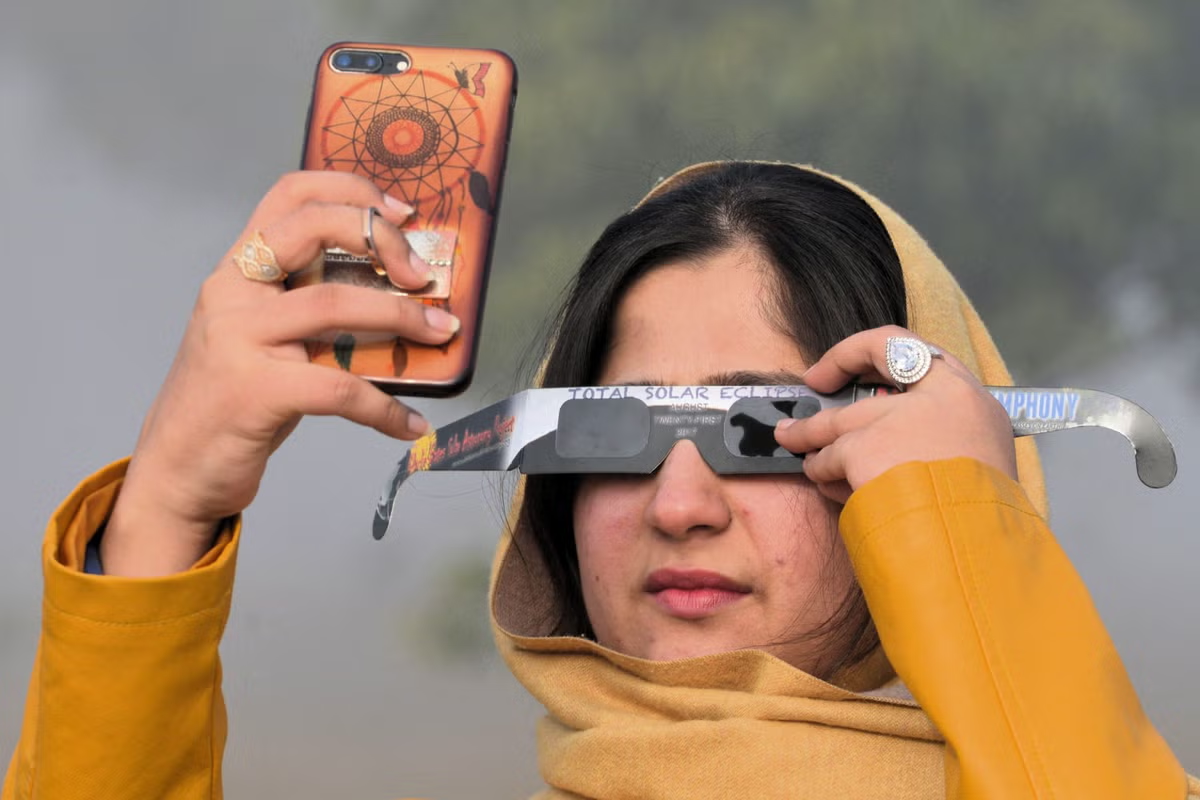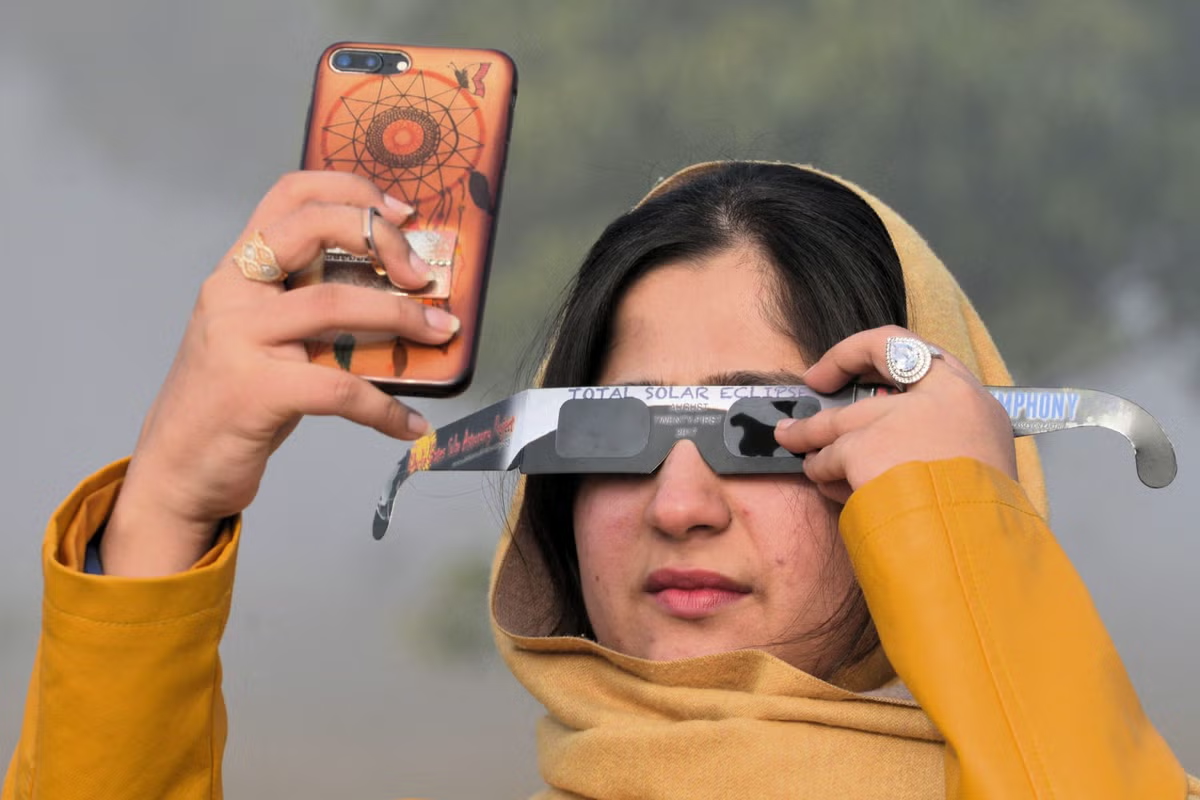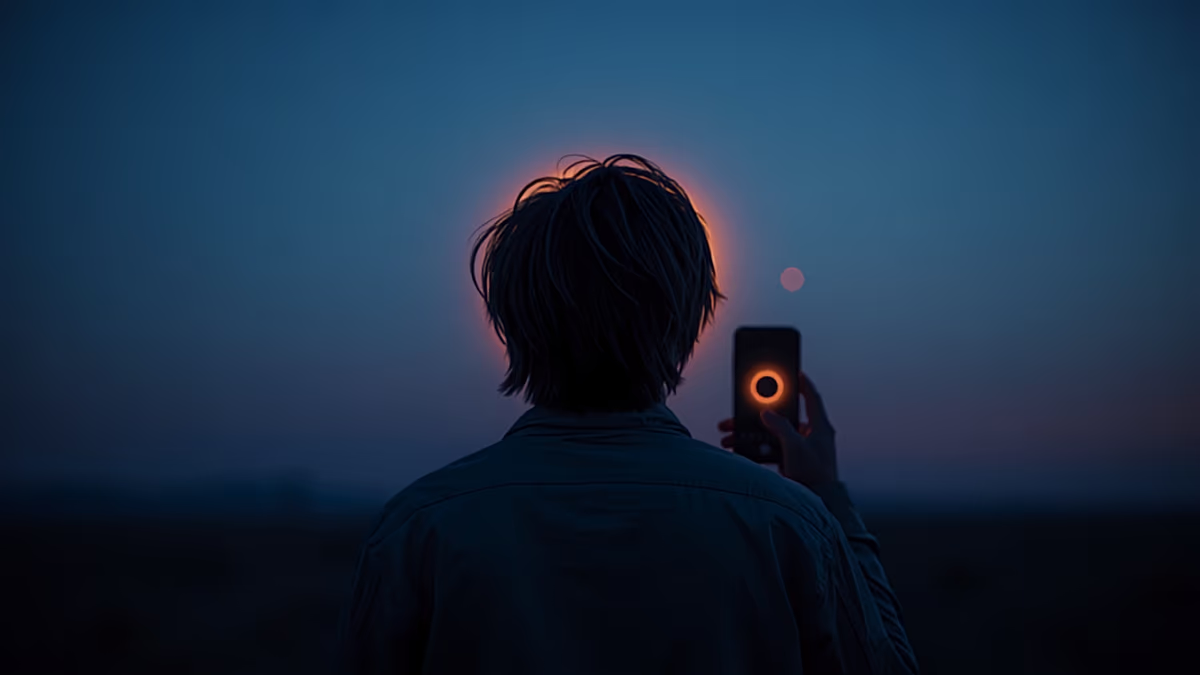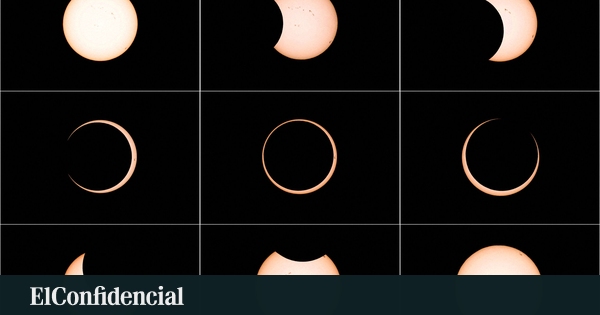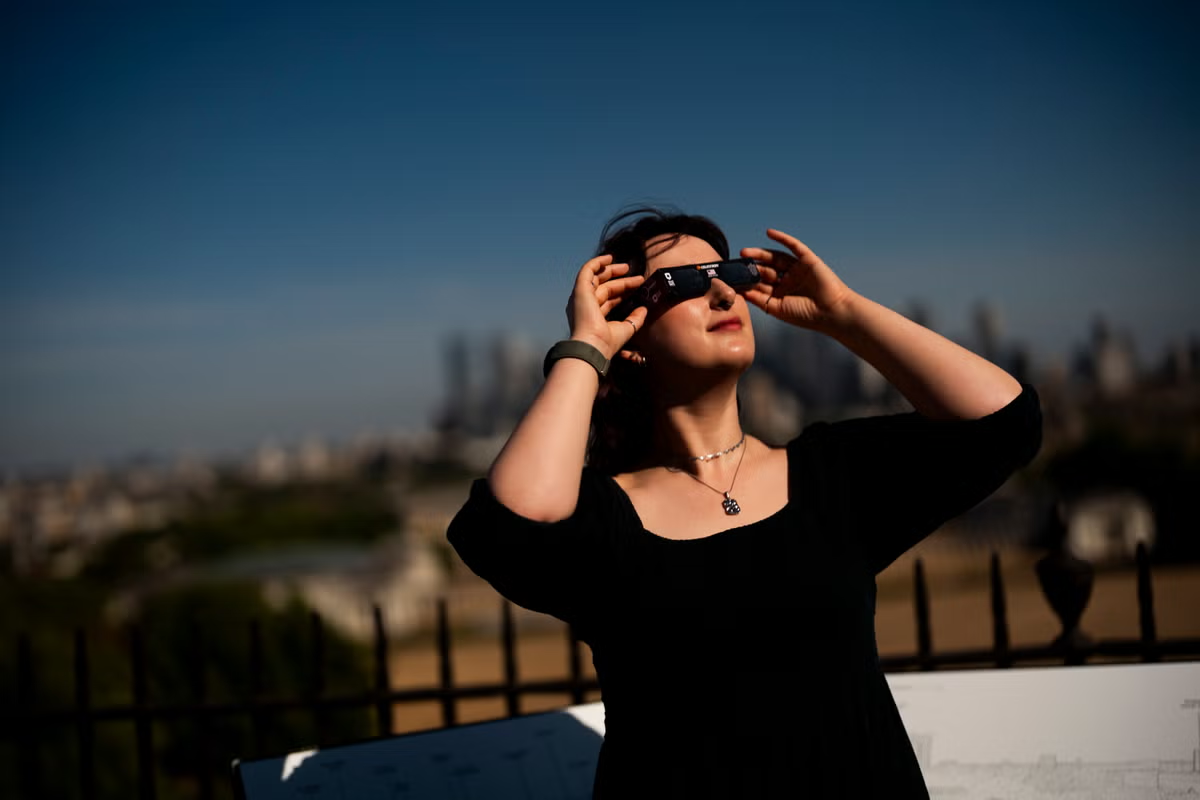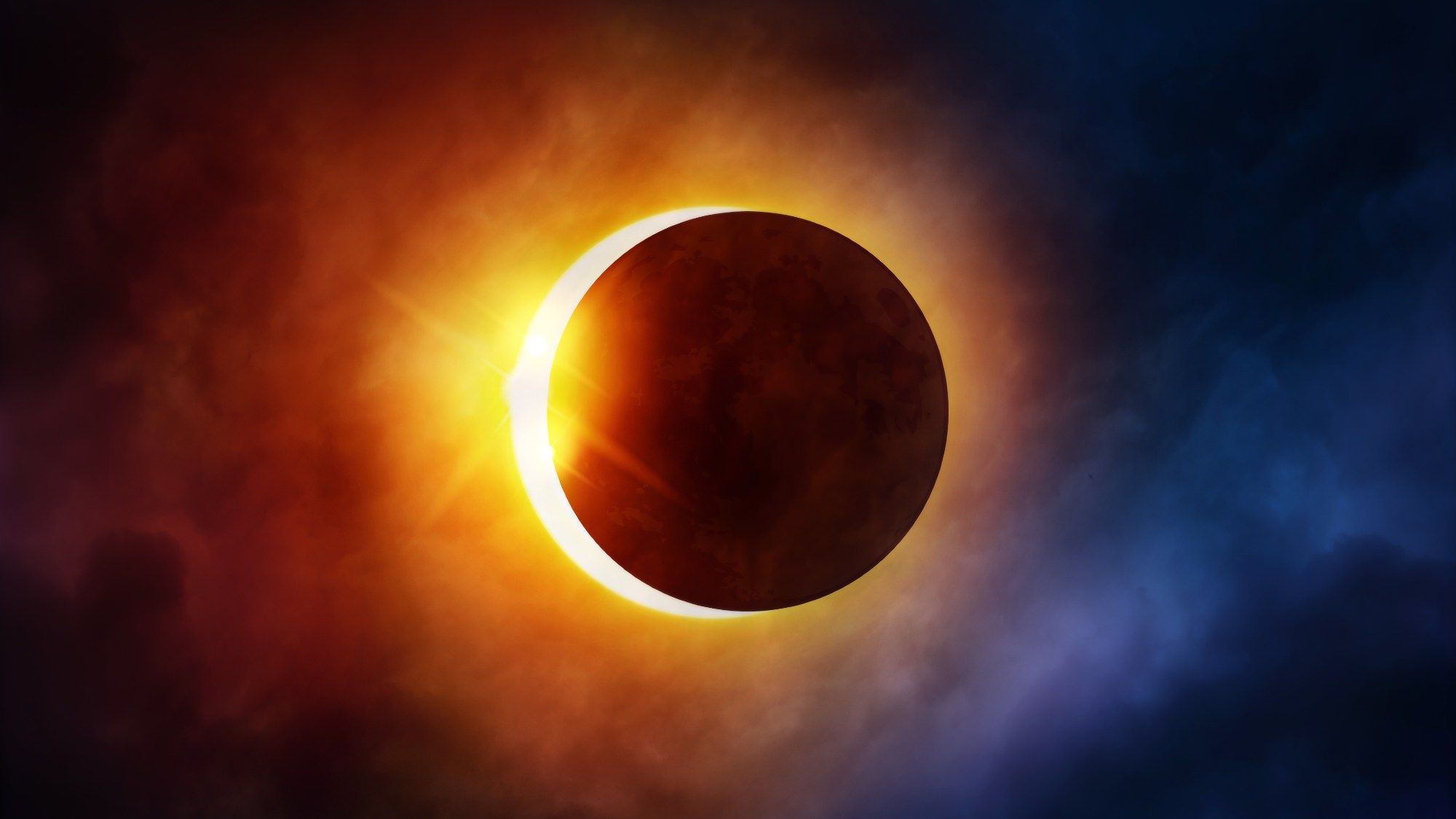
For many people, today's solar eclipse is a once-in-a-lifetime event. The next comparable eclipse visible from the UK won't happen until 2081. Hundreds of millions across Europe will witness a partial or total eclipse as the moon passes in front of the sun. If you're in Spain or Iceland, you'll experience totality for one to three minutes.Parts of North America will see a partial solar eclipse. It will be visible in the Northern US and Alaska and even New York City (though only at 9%).Everyone will reach for their phones to photograph it. Then you hear the warnings: pointing your camera at the sun will permanently damage your sensor. Destroy your phone. Create dead pixels that can never be fixed. Is that actually true? The answer is yes, but it's entirely preventable if you know what you're doing.Here's how to photograph the eclipse safely and keep your phone functional.Yes, your phone's sensor can actually be damagedDirect sunlight focusing through your phone's lens can burn the photodiodes inside your camera sensor. This creates permanent dead pixels that no software update can fix. The sun concentrates heat through the lens, and that concentrated energy damages the sensor's light-sensitive components.Even a few seconds of direct exposure risks this. The damage might not be immediately obvious, but it accumulates with each moment you point your phone at the sun.This isn't just phones. Digital cameras, binoculars, telescopes — anything with a lens can suffer the same fate. NASA specifically warns against it.Get instant access to breaking news, the hottest reviews, great deals and helpful tips.Use solar eclipse glasses to photograph safelyThe simplest and most practical solution is holding your eclipse glasses directly in front of your phone's camera lens while you photograph. Eclipse glasses block 99.99% of the sun's light, filtering out the dangerous rays while letting your phone capture the eclipse safely. Position the glasses over the lens, take your photo, then remove them.
How to photograph the solar eclipse without damaging your phone
Does photographing the solar eclipse damage your phone? Here's the truth.
670 words~3 min read