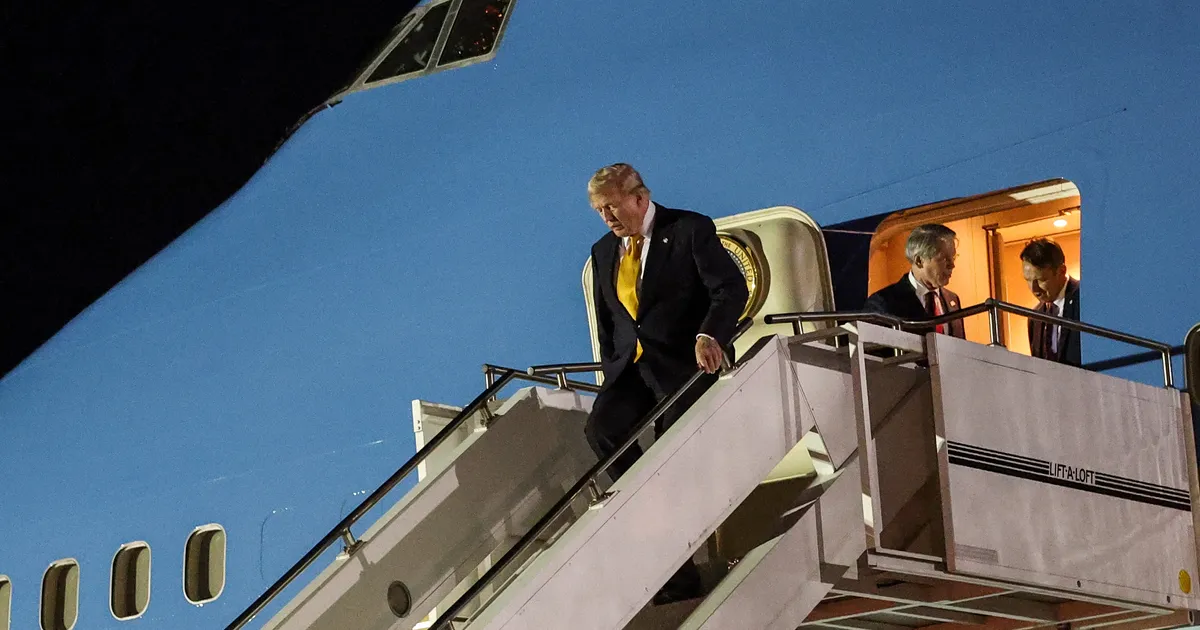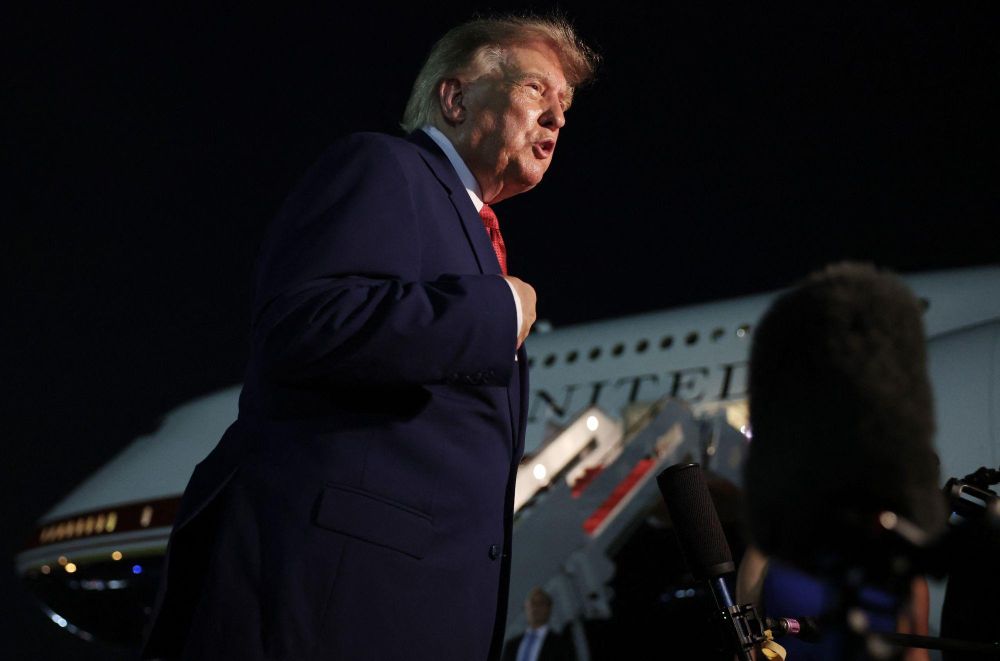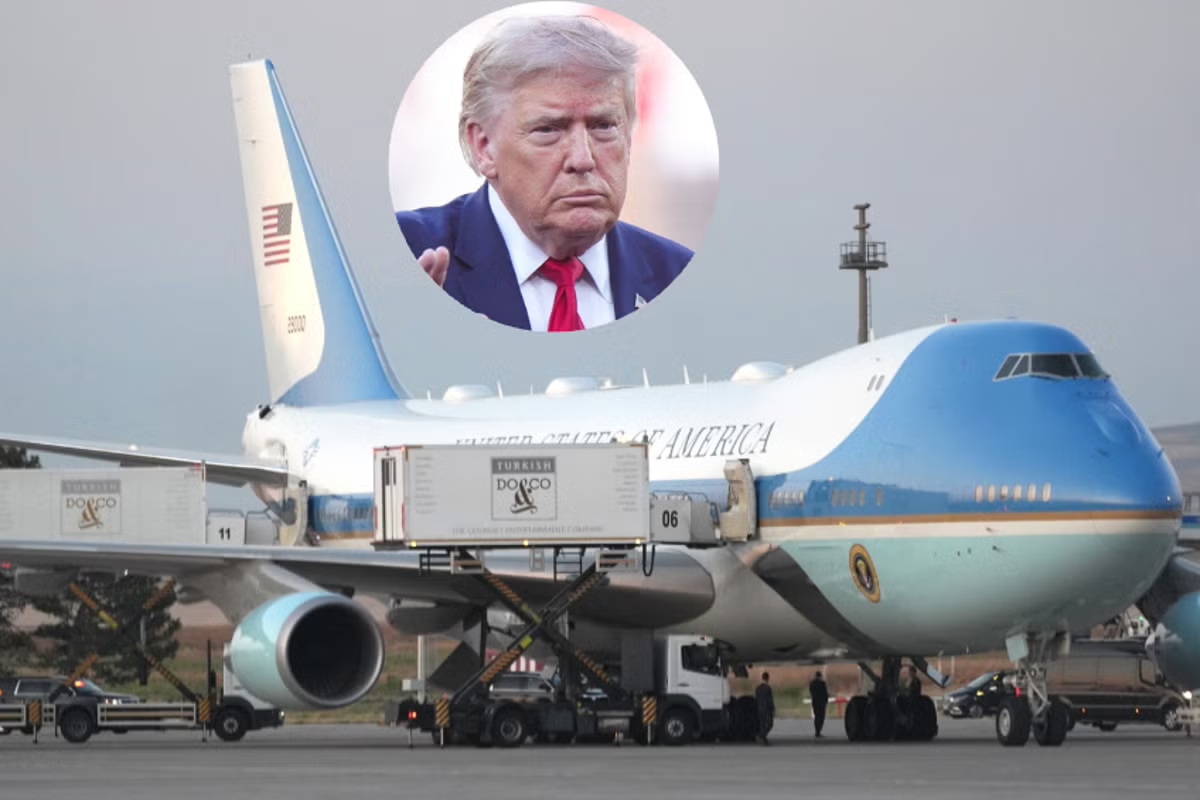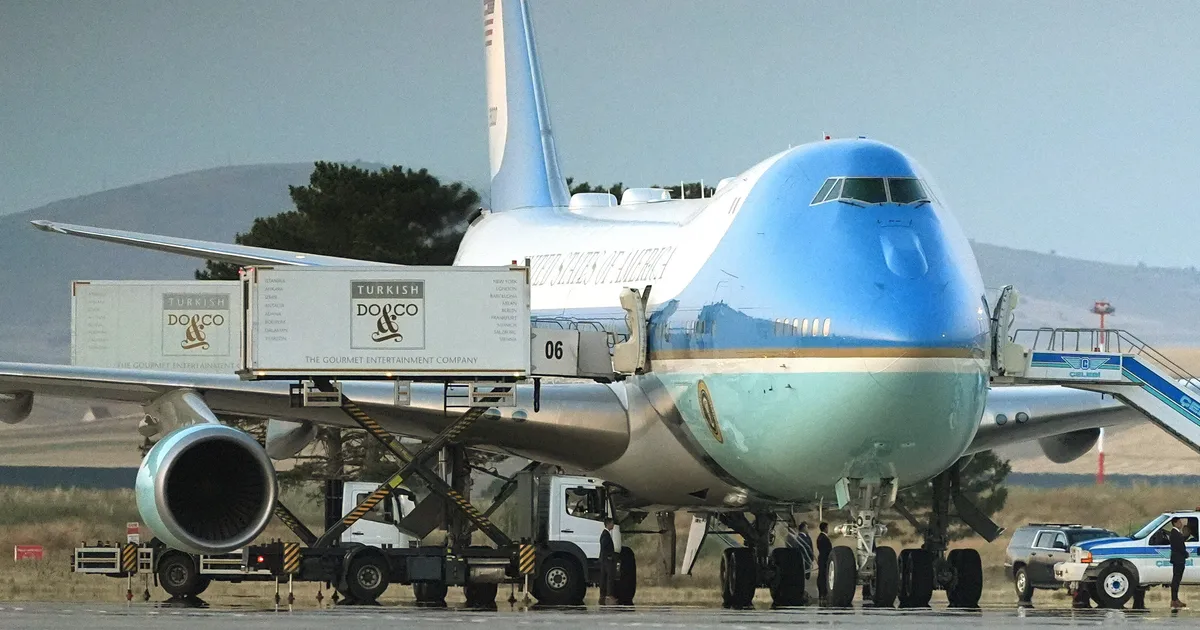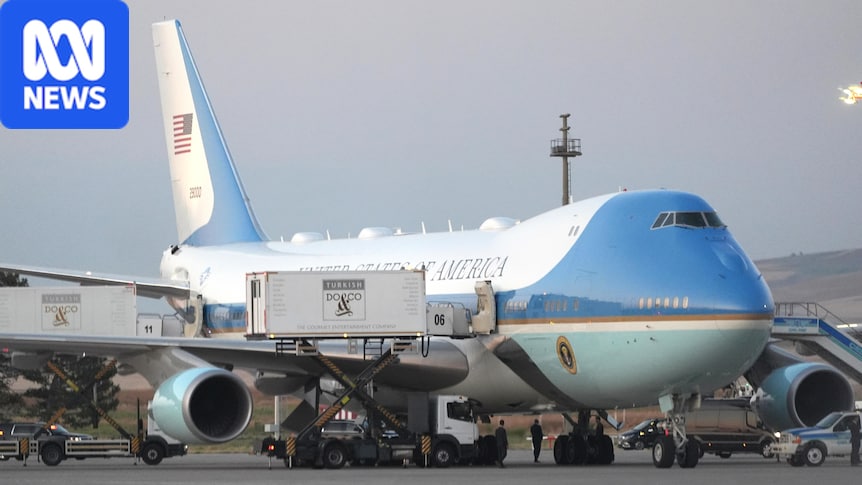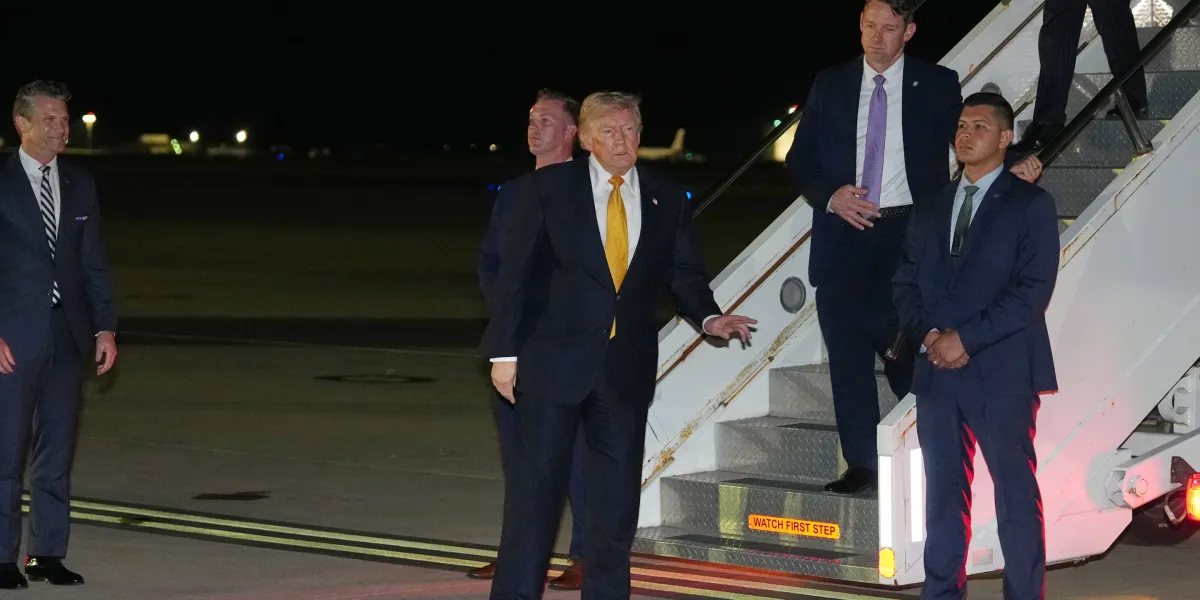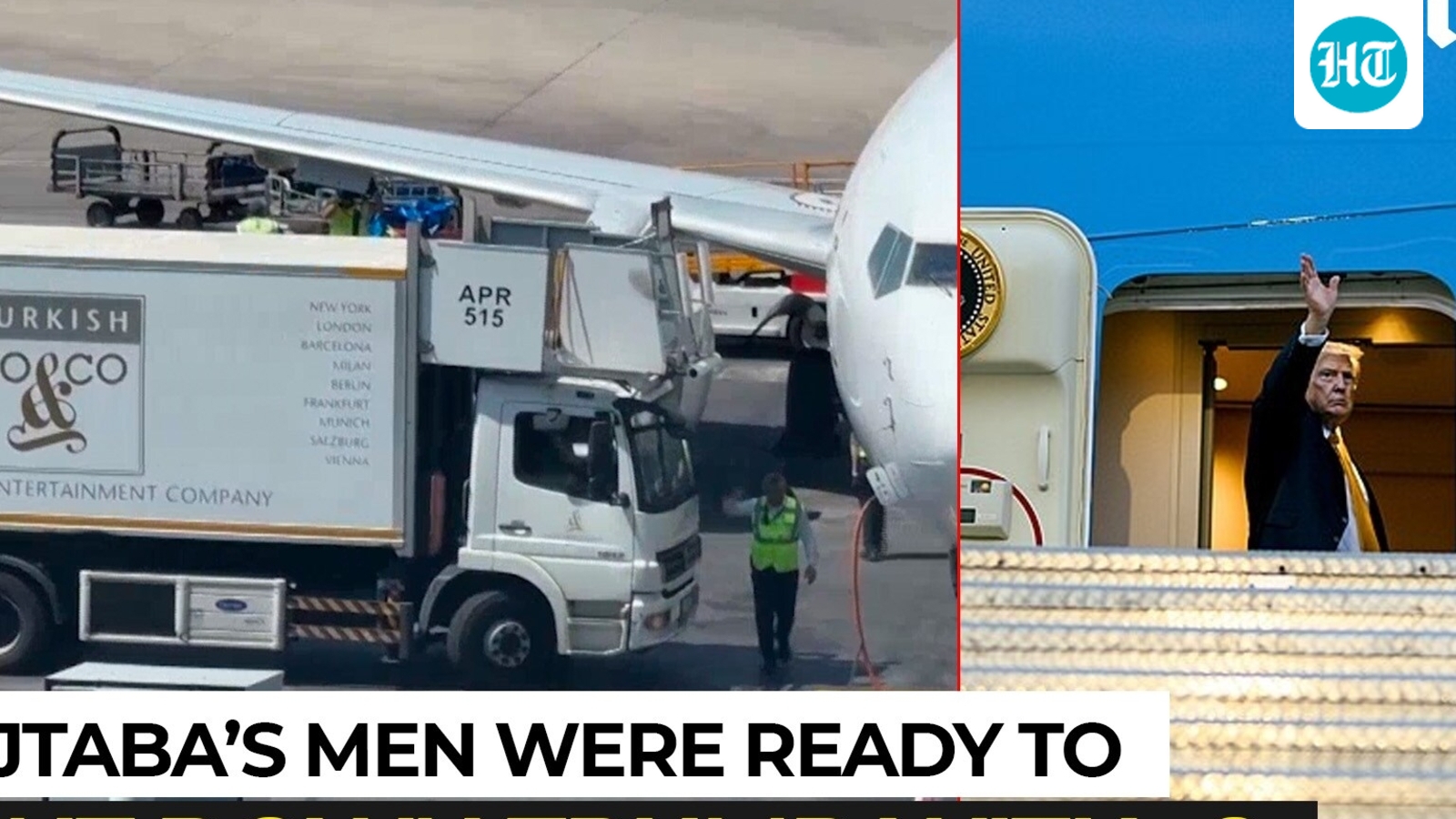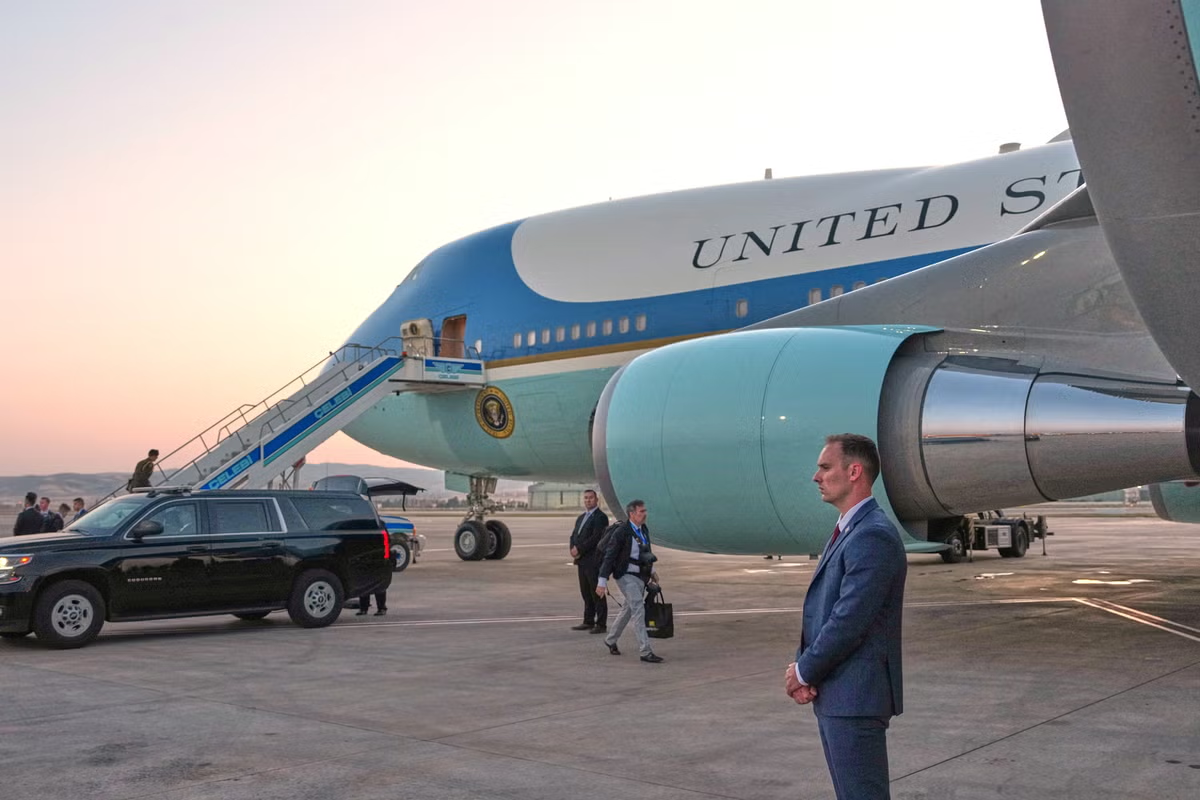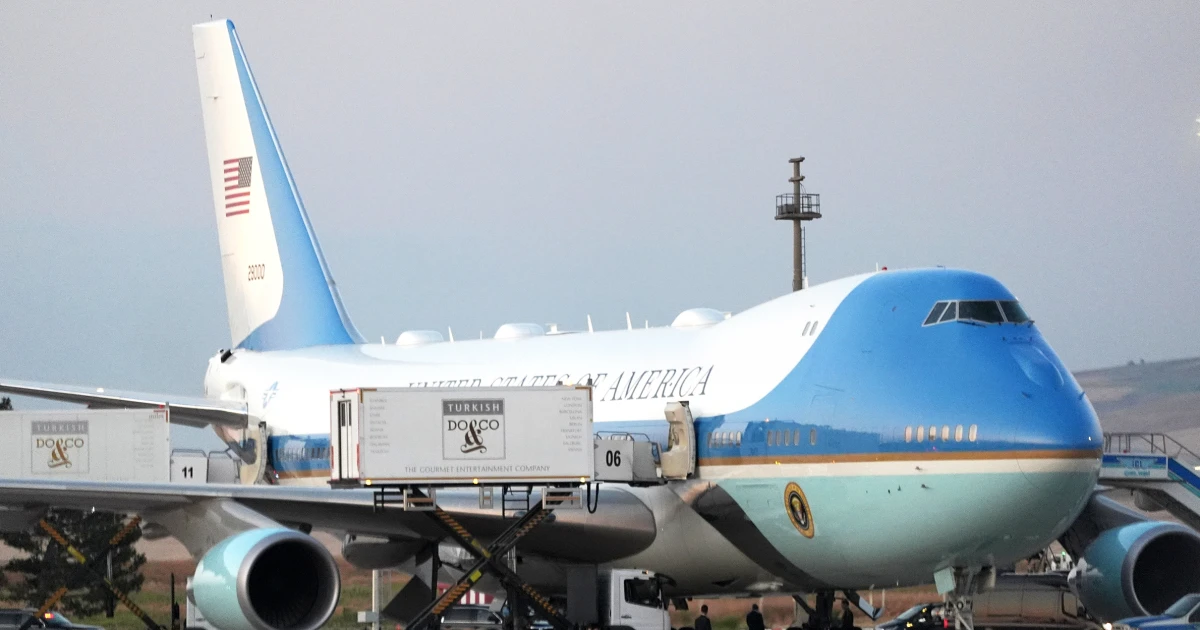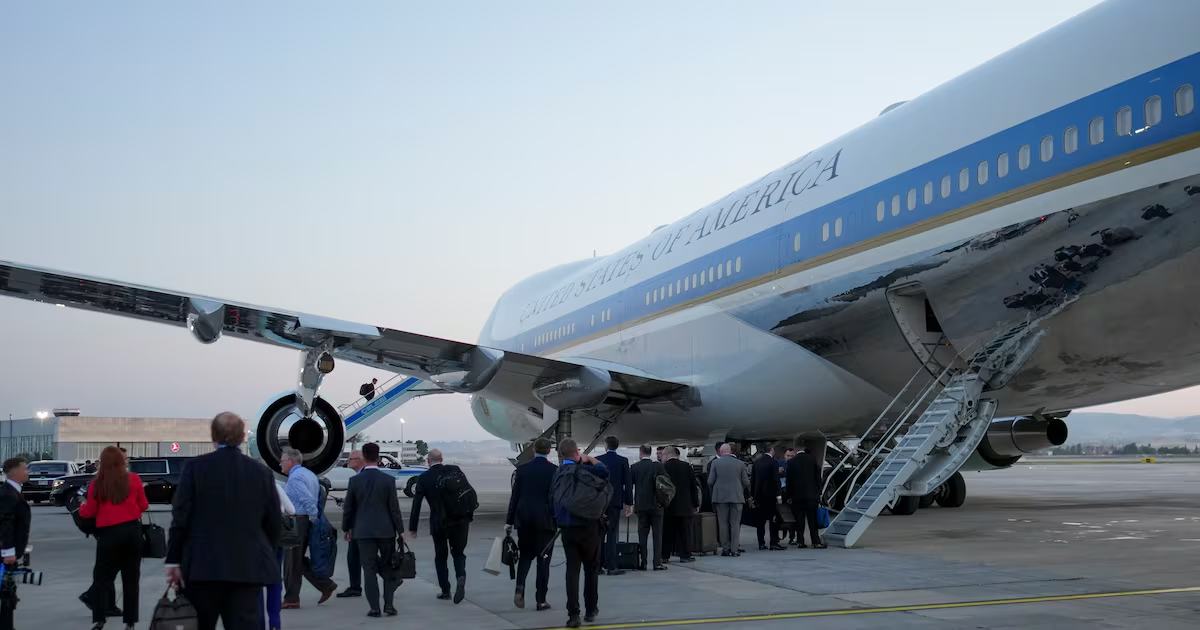
The threat to Air Force One was seen as so dire that they sneaked US president Donald Trump off the jet in a catering container and flew him home from a Nato summit in Turkey on a military aircraft. But the same dire threat did not stop them from then sending Air Force One into the skies anyway with a plane full of government employees, reporters and military personnel effectively serving as decoys.If the Iranians really were trying to shoot down the presidential plane last month, as US officials concluded at the time, then the subterfuge in Ankara, Turkey, that protected the US president also may have made targets of dozens of other people who flew aboard the jet, some of them unaware that Trump was not actually with them because it was considered too dangerous.The US government has on rare occasions engaged in sleight of hand to safeguard presidents from possible jeopardy, particularly for journeys to hazardous locations, such as when George W Bush or Barack Obama flew to Iraq during days of war or when Bill Clinton made a brief visit to Pakistan with its history of terrorism. The Trump team’s ruse in Ankara, however, stands out not only for its misdirection but also for the way it shifted the evident peril to others and was kept secret long after Trump was out of harm’s way.“They just didn’t seem to give a second thought to anybody but the president and the few people who were with him,” said Joe Lockhart, who served as White House press secretary to Clinton during his 2000 trip to Islamabad, the Pakistani capital. “We went out of our way to make sure the maximum number of people, especially civilians, were protected and not human shields. They didn’t even think about it. And to me, that’s the big difference.”But other veterans of risky White House trips said there were times that extreme measures were justified to protect the president. Joe Hagin, who as a top adviser to Bush helped organise his war zone trips and later served as Trump’s deputy White House chief of staff in his first term, said he would not second-guess the decision in Ankara.“I understand there is concern for those flying on what was assumed to be the primary aircraft,” Hagin said, “but when you go to work at the White House or travel with the president, you are accepting a not-insignificant degree of risk. Telling everyone what’s up in an operation like this would have obviously jeopardised the president’s safety.”When Bush or Obama brought staff members and reporters with them to war zones, Hagin added, those were dangerous moments, too. “This was no different than the trips to Iraq and Afghanistan,” he said. “You add up all the risks and figure out the tactics that give you the safest option, regardless of whose toes get stepped on or feelings get hurt.”The government officials and reporters who travelled with presidents to war zones, of course, knew they were doing so, while those left on Air Force One in Ankara last month were not told of the increased threat. Journalists travelling in the back of the plane were instructed while still on the ground to keep their window shades closed during the July 8th flight from Ankara to England, where Trump landed secretly in another military plane. The president was then sneaked back on to Air Force One so that he could disembark in front of cameras as if he had been on-board all along.The secret switch in Ankara, first reported Monday by the Washington Post and confirmed by the New York Times and other news outlets, was so remarkable that it sounded like something out of Hollywood. In fact, it defied even the imagination of Andrew W Marlowe, who wrote the screenplay for the famous 1997 thriller Air Force One, featuring Harrison Ford as a president whose plane is hijacked. Mulling it over Tuesday, Marlowe said he was sure the secret service was doing what was necessary to keep the president safe. But he added that it did not make Trump look all that good.“Now real life isn’t a movie, but given the circumstances, I’m not sure I could ever script a moment like that for a heroic main character,” Marlowe said. The White House did not respond to a request for comment about the calculations that went into the decision or whether extra measures were taken to protect the plane from any threat even without Trump on-board.Donald Trump, when US presidential nominee, surrounded by secret service agents after a shooting at a campaign event in Butler, Pennsylvania, in 2024. Photograph: Doug Mills/New York Times The extraordinary deception underscored the sense of danger felt by Trump, who was grazed by a would-be assassin’s bullet while campaigning in Butler, Pennsylvania, in 2024 and targeted by another armed man at his Florida golf course later that year. During the Biden administration, officials said that Iranian elements were trying to kill Trump. As recently as Tuesday, the police were investigating a bomb threat at a McDonald’s in Ohio near the site of a planned visit by Trump later that evening.The secret service and military units charged with the president’s safety typically use decoys to confuse possible attackers, although not involving civilians without their knowledge. When any president travels in a motorcade, there are usually two identical armoured limousines or sport utility vehicles with identical Washington licence plates to make it hard to know which one he is in. When he flies by Marine One, there are often three or four identical green-and-white helicopters flying together.US president Donald Trump disembarking from Air Force One after he had secretly reboarded it at Royal Air Force Mildenhall in the UK last month. Photograph: Doug Mills/The New York Times
Secretly evacuating Trump from Air Force One left dozens of others as potential targets
It was not the first time US authorities have used sleight of hand to protect presidents, but Trump team’s ruse in Turkey stands out for a couple of reasons
1,384 words~6 min read