Ishraq Khan is the founder and CEO of Kodezi, a developer tool platform that automates codebase maintenance and acts as an AI CTO.gettyAI did not arrive everywhere at once. It reached the easiest parts of work first: the parts that were already digital, text-based and easy to test. Coding was the obvious starting point.In Anthropic’s Economic Index, computer and mathematical tasks represent a major share of Claude usage, with API usage especially concentrated in that category. That makes sense. Code is text. The environment is structured. A developer can ask for a function, run it, test it and see what breaks.However, transportation, material moving and logistics remain tiny categories in AI usage compared with software development. In Anthropic’s analysis of nearly 1 million sampled public API tool calls, travel and logistics accounted for 0.8% of observed agent activity. Even if the exact number changes depending on methodology, the point is hard to ignore.AI has reached the people writing the software before it's reached the people coordinating the real world. That gap may become one of the biggest opportunities in technology.Logistics Is No Longer Just FreightWhen most people hear logistics, they think of trucks, warehouses, ports, containers and shipping routes. That market is already enormous. Grand View Research’s logistics market report valued the global logistics market at more than $4 trillion in 2025, while IMARC Group’s logistics market report estimates it even higher depending on how the category is defined.But the next wave of logistics will be broader than freight. It will be about everyone in motion.A touring artist has logistics. So does a sports team. So does an executive flying between cities. So does a field service crew. So does a hospital staffing team. So does a corporate travel department trying to keep employees, bookings, meetings and vendors aligned.The common thread isn't the truck. It's coordination.A plan changes. A person moves. A schedule shifts. A vendor updates. Someone needs to know. Something else needs to move with it. That's logistics now: not just goods moving through supply chains, but people, plans and decisions moving through the real world.The Real Problem Is The RippleA delayed flight is easy to detect. The hard part is everything that delay touches.The driver pickup may change. The hotel may need an update. A meeting may move. A venue may need to know. A crew call may shift. A customer may need a different expectation.Most software records the delay. Very little software understands the ripple.Information tells you what happened. Coordination tells you what needs to happen next.This is why logistics is still underbuilt as an AI category. The real value isn't summarizing an itinerary or generating a route. It's understanding dependencies, timing, context and consequence.AI that can write code is useful. AI that can keep a moving plan from falling apart may be much more valuable.Why Logistics Is Harder Than CodingCoding is a cleaner environment for AI. The inputs are usually available. The files are there. The model can inspect code, make a change and return an output. The feedback loop is fast.Logistics is messier. The sources of truth are scattered across emails, PDFs, calendars, booking systems, texts, spreadsheets, vendor portals and people’s heads.A dispatcher may know which driver always arrives early. A tour manager may know which venue contact answers fastest. An assistant may know which executive needs extra time between flights. That context is real but rarely structured.That's why simple automation has struggled here. Rules can handle predictable workflows. Logistics is full of exceptions. AI becomes valuable when it can understand the exception, not just the plan.The Market Is Moving In PiecesYou can already see the early shape of this market.In supply chain, companies like project44 and FourKites are moving from visibility toward orchestration, using real-time data to detect exceptions and automate parts of the response. In corporate travel, platforms like Navan, TravelPerk and SAP Concur focus on booking, expense, policy and travel operations. In physical operations and fleets, companies like Samsara and Motive focus on vehicles, drivers, routing, safety and field visibility.But the market still feels fragmented. A travel tool knows the booking. A calendar knows the meeting. A fleet tool knows the vehicle. A chat thread knows the latest change. A person knows the full story.The next category will connect the pieces, approaching logistics from the people-in-motion side.What Leaders Should Look ForLeaders exploring AI in logistics should start by finding where coordination fails today. Look for the places where people still copy and paste updates. Look for handoffs that depend on memory. Look for meetings that exist only because no one trusts the system.Then ask five questions:1. Does the system understand dependencies?2. Does it reduce human glue work?3. Does it preserve operational memory?4. Does it act before failure?5. Does it keep humans in control?In real-world operations, full autonomy isn't always the goal. Bounded autonomy is more realistic. AI should recommend, prepare, update and execute within clear limits, while humans remain responsible for judgment and exceptions.The TakeawayThe first wave of AI rewarded creation. The next wave will reward coordination.Coding moved first because it was ready for AI agents. Logistics will be harder because it touches real-world operations. That's why it will be bigger.The world doesn't need more output. It needs systems that hold plans together when conditions change.Forbes Technology Council is an invitation-only community for world-class CIOs, CTOs and technology executives. Do I qualify?
AI Reached Coding First—Logistics May Be The Bigger Opportunity
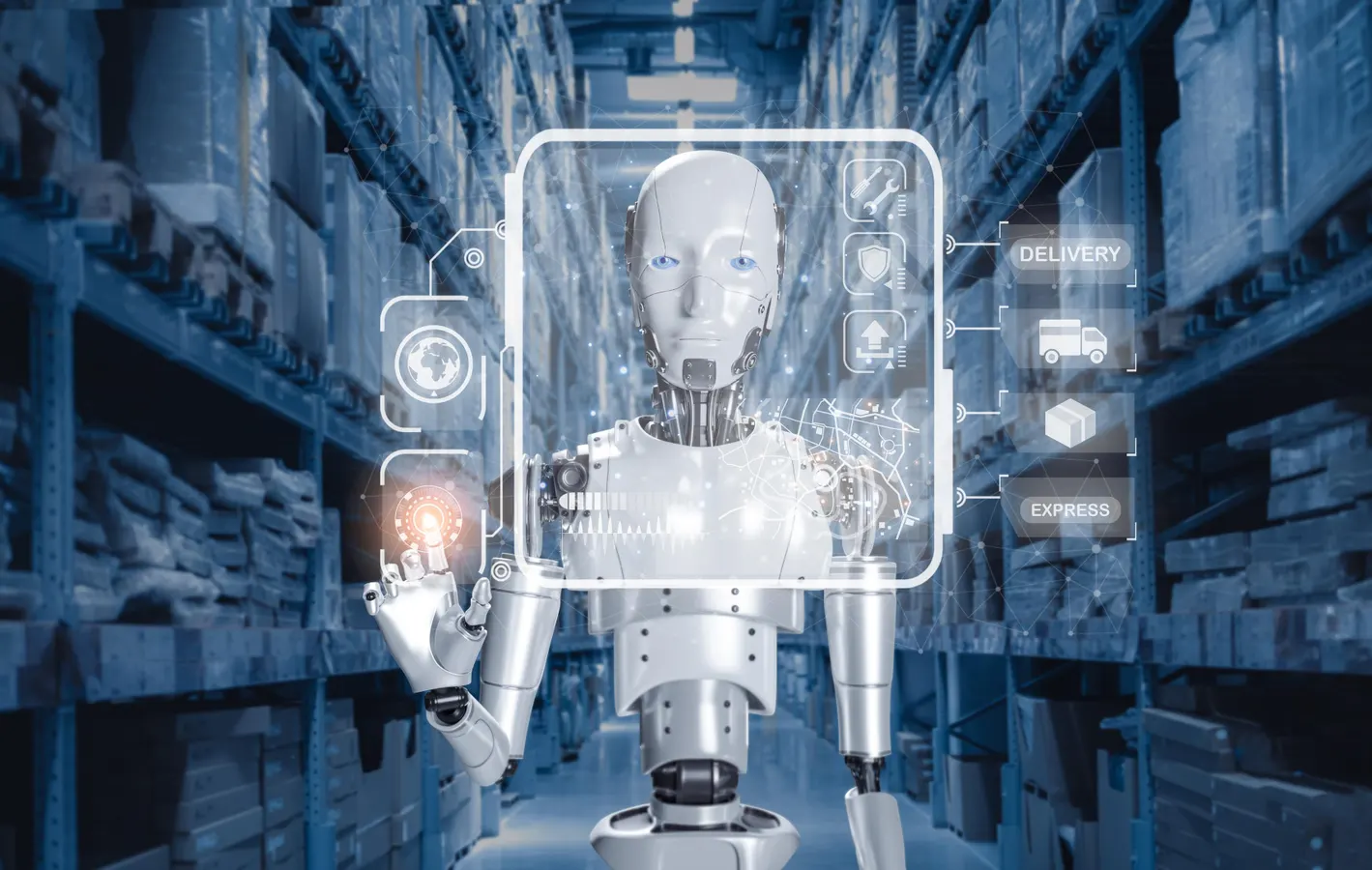
The next wave of logistics will be broader than freight. It will be about everyone in motion.
TL;DRAI
Logistics represents just 0.8% of AI agent usage versus software development, yet it's the market's biggest opportunity. The real value isn't automation but understanding dependencies and ripple effects when plans change across fragmented systems.
891 words~4 min read