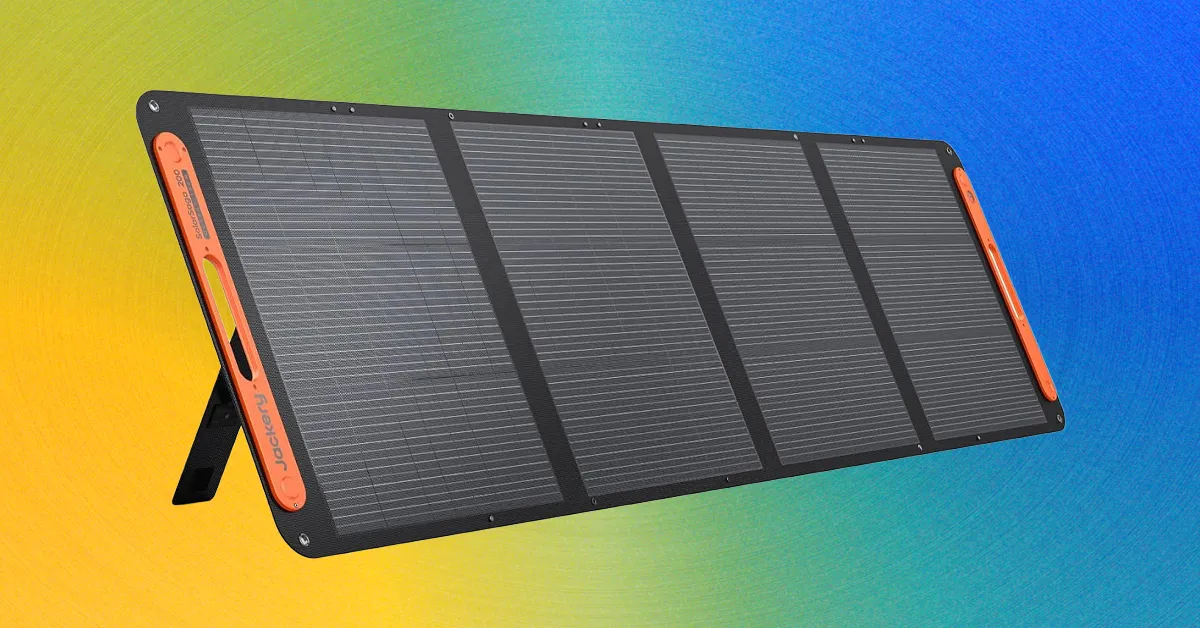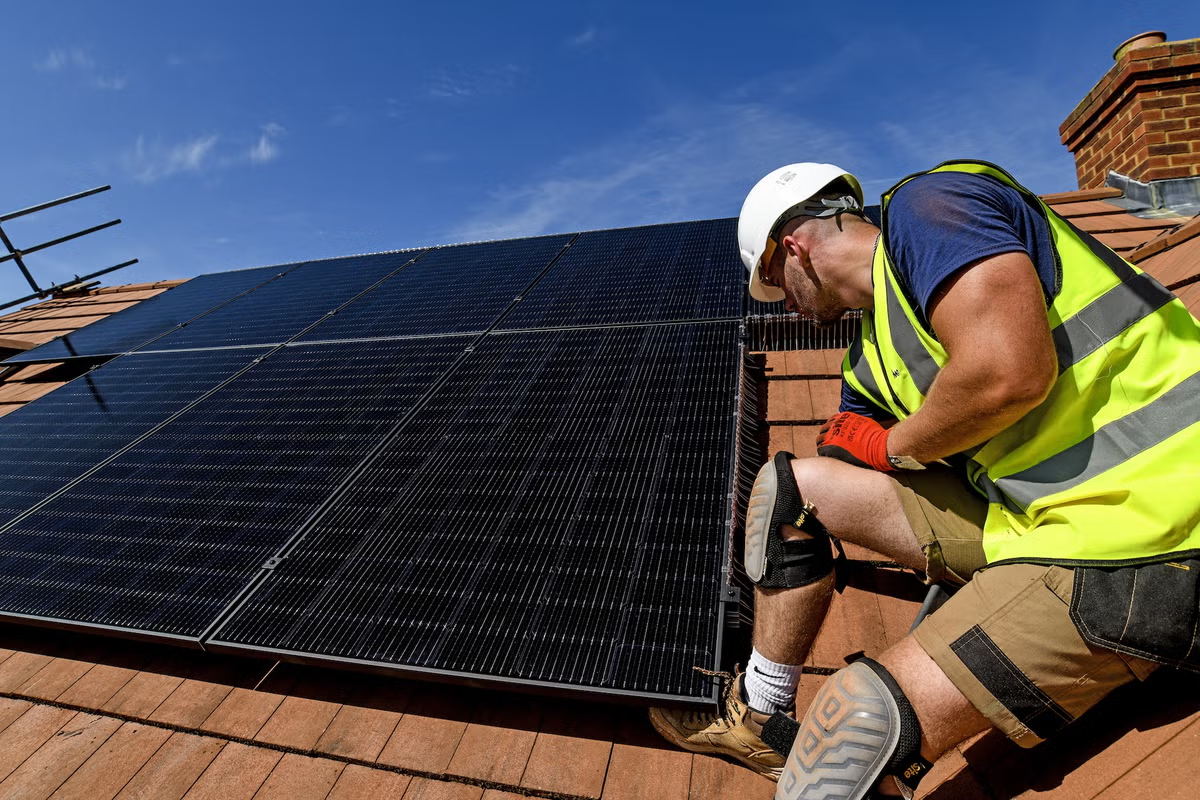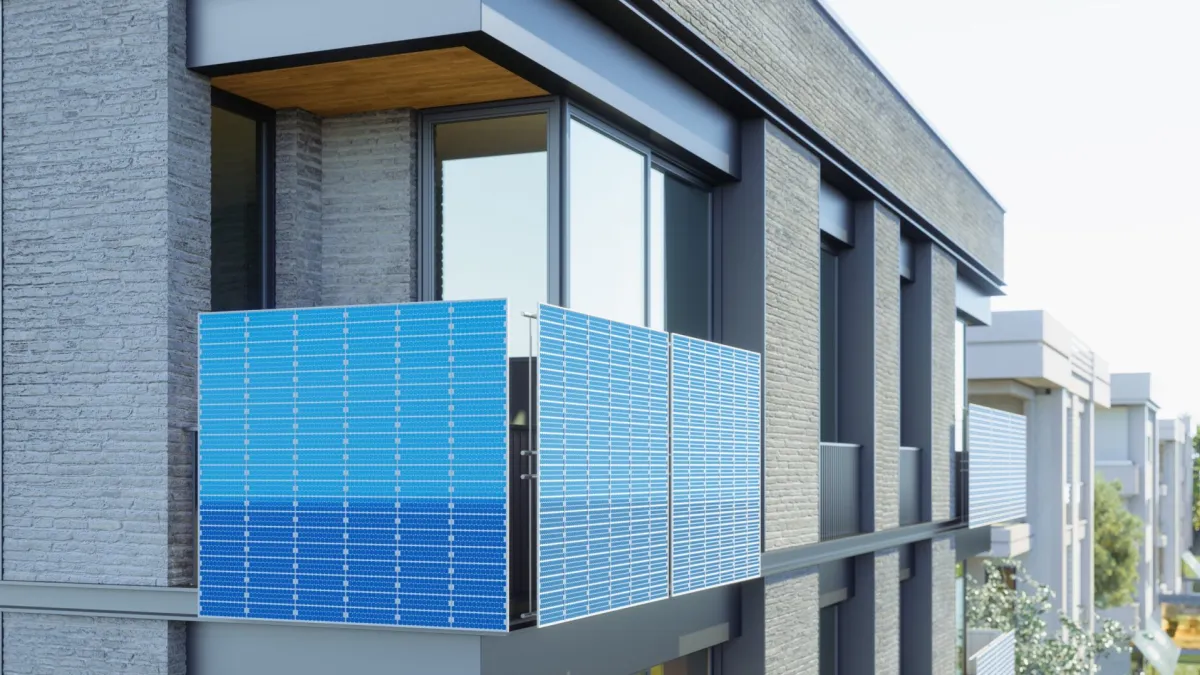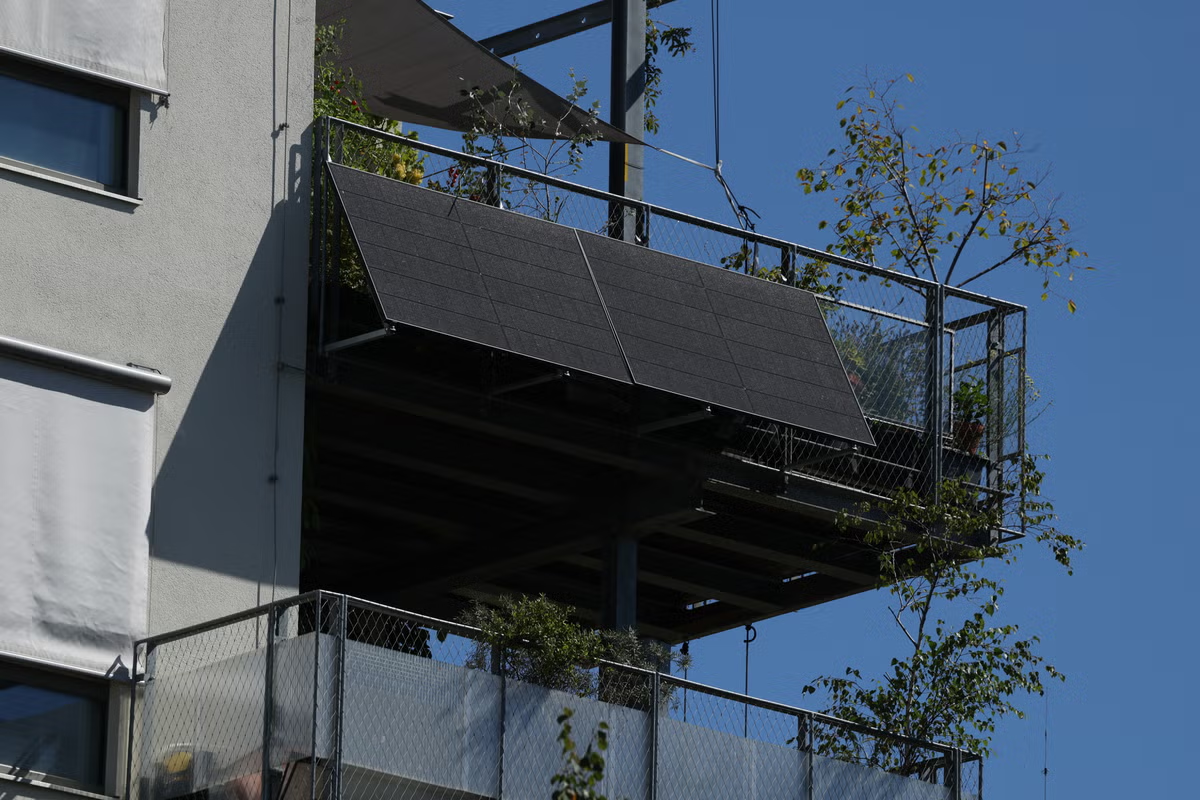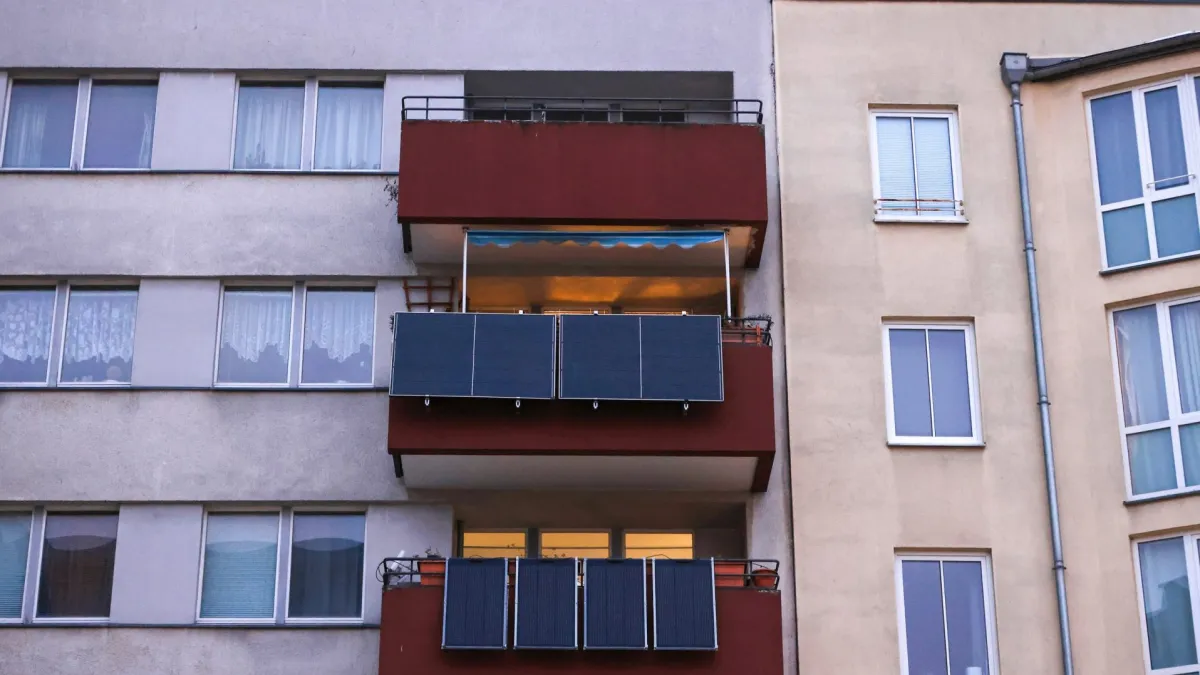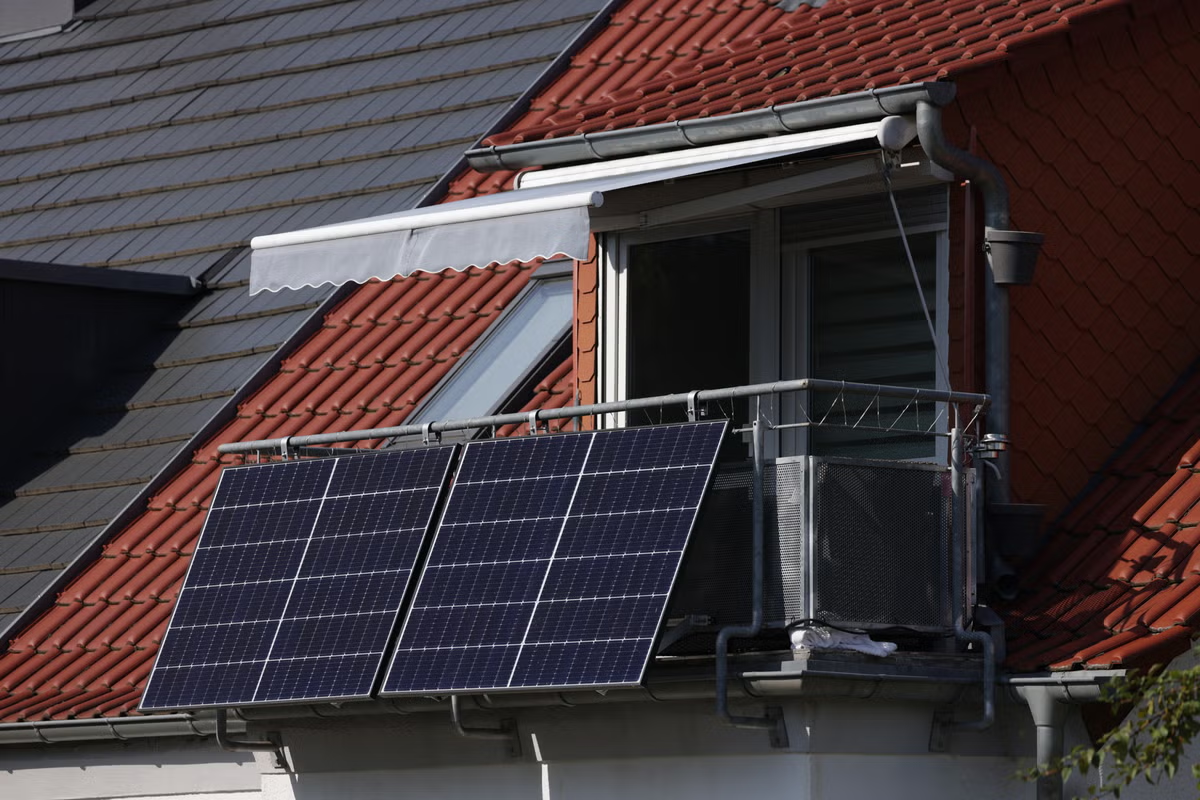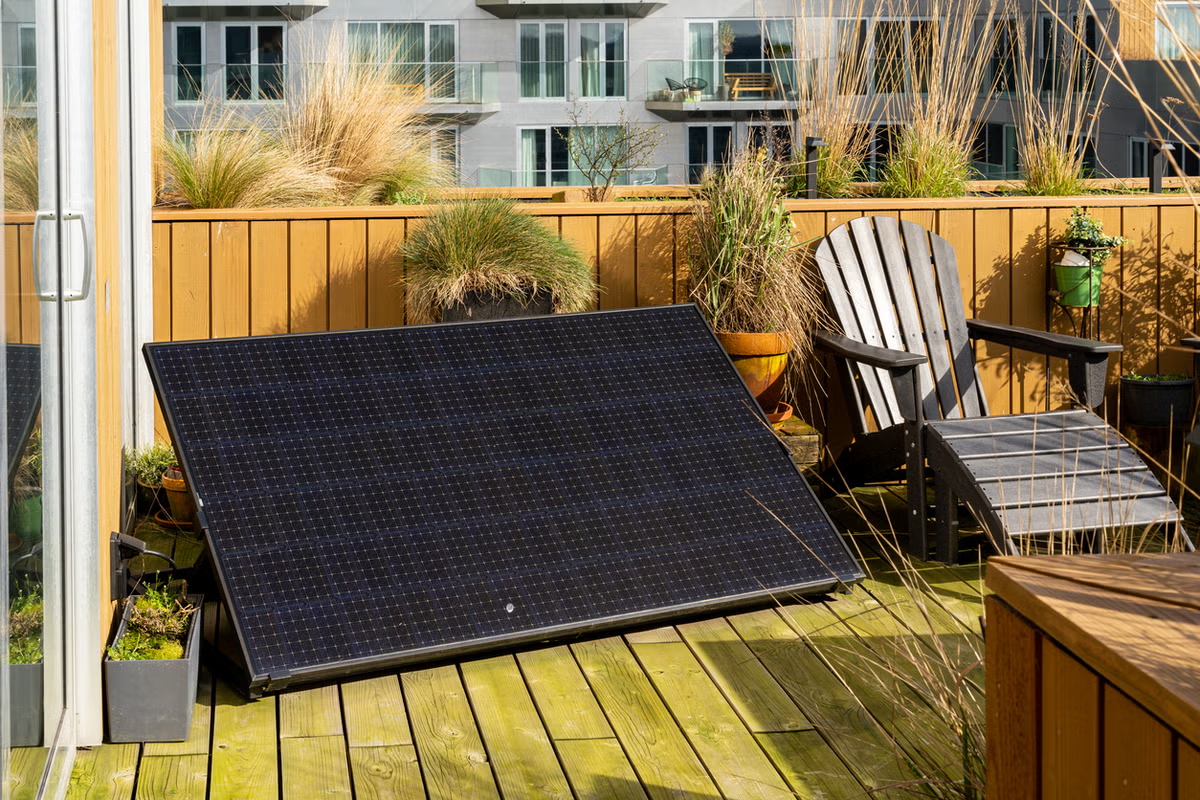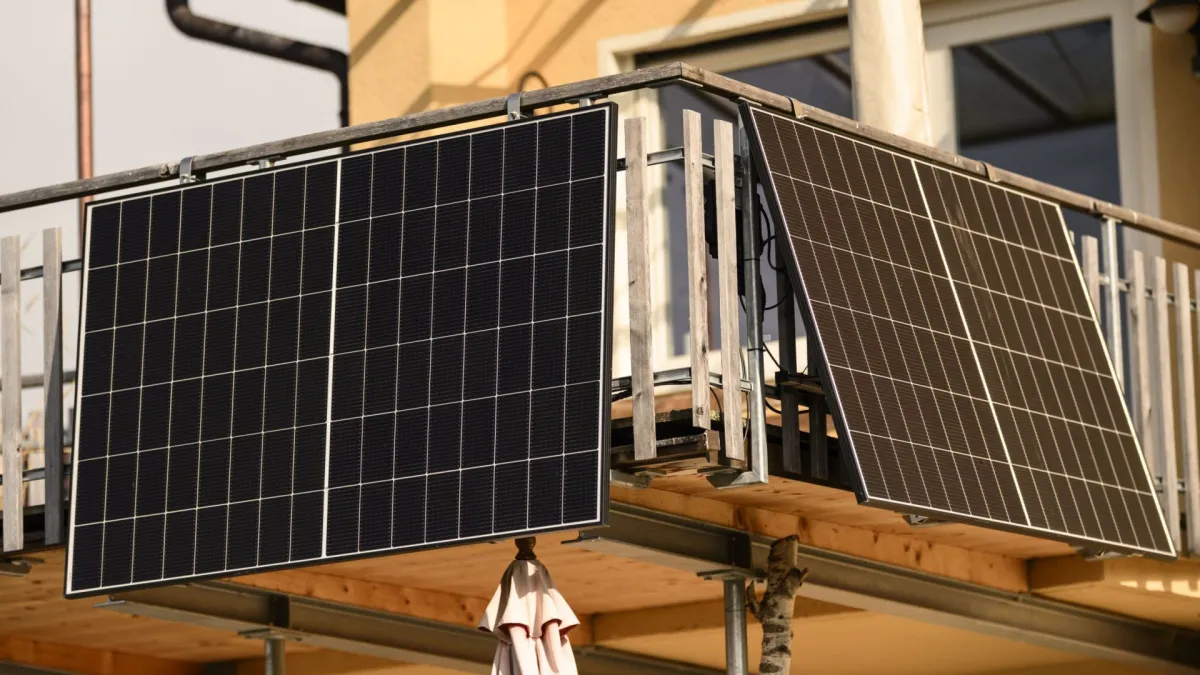
Plug-in solar panels will become legal in the UK from 27 August, opening the way for retailers to begin selling the small-scale solar units to the public. Touted as a cheaper and more convenient way to generate electricity for households than fixed rooftop solar power systems, retailers like Lidl, B&Q, Currys and Amazon are among the companies that have been working with the Government on plans to bring plug-in solar to the British market.
However, shoppers may not find plug-in solar panels on shelves as soon as the regulations change. Retailers are in the process of sourcing products that meet the Government’s new safety requirements, and most of the companies involved have yet to announce a product range, price or firm launch date.
Ben Gallizzi, energy expert at Uswitch.com, explains what we know about plug-in solar panels so far, including how much you can expect to pay, how they work and how much you may be able to save on your electricity bill.
Shorts
What exactly are plug-in solar panels, and how do they work?