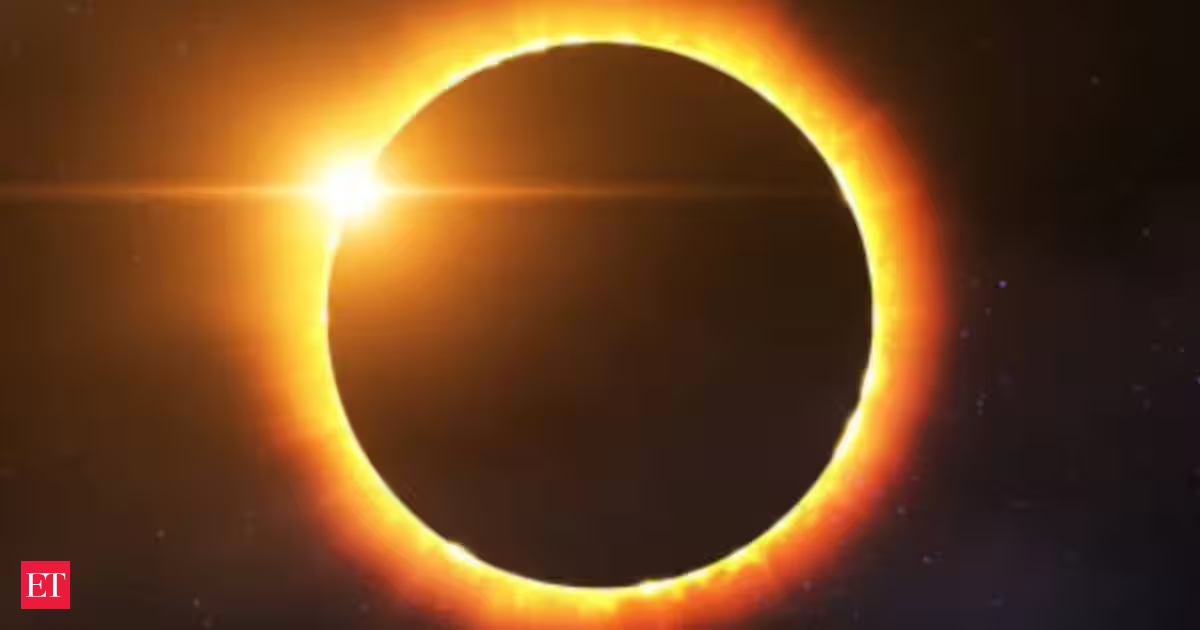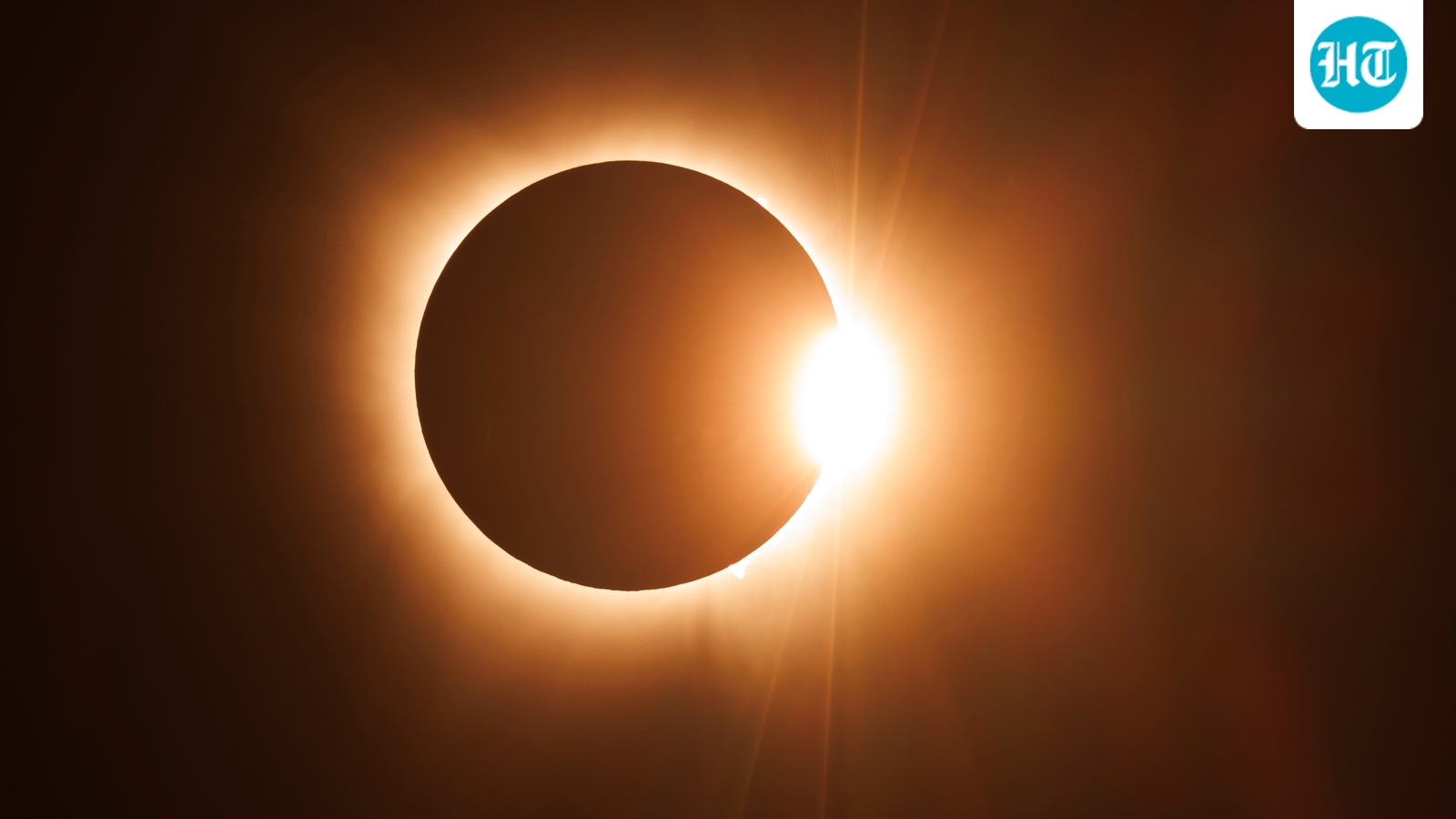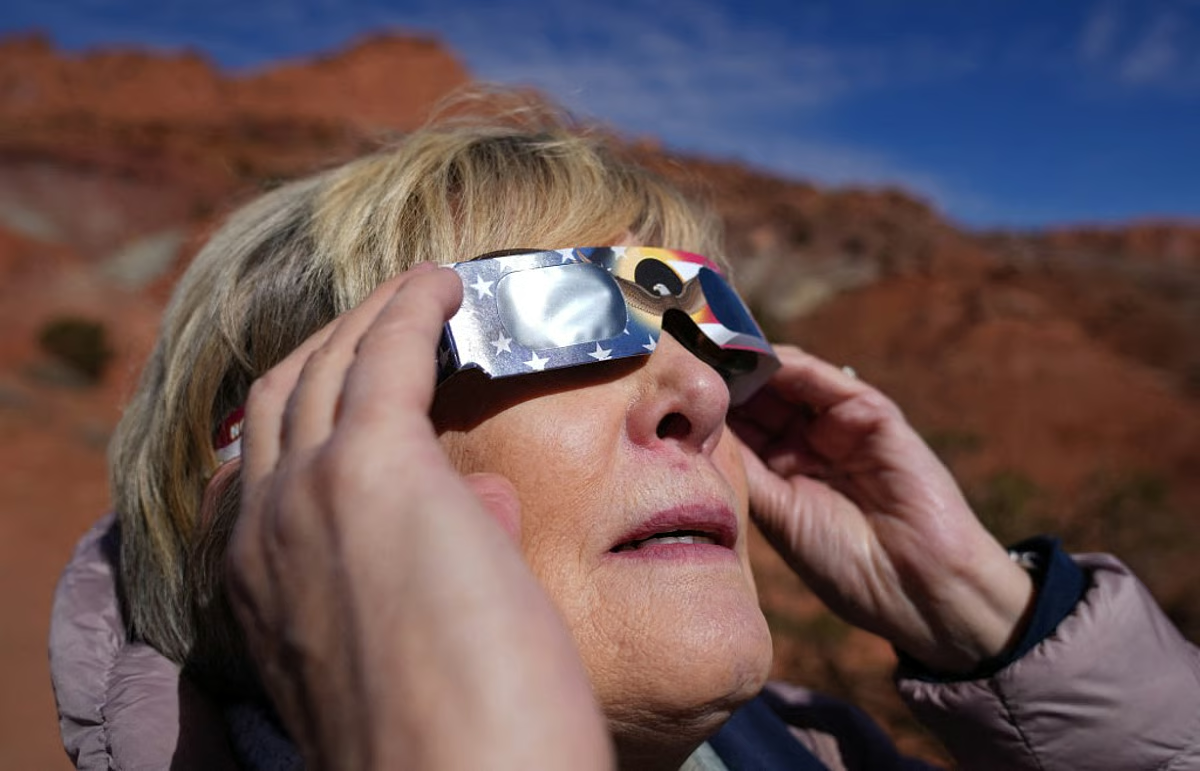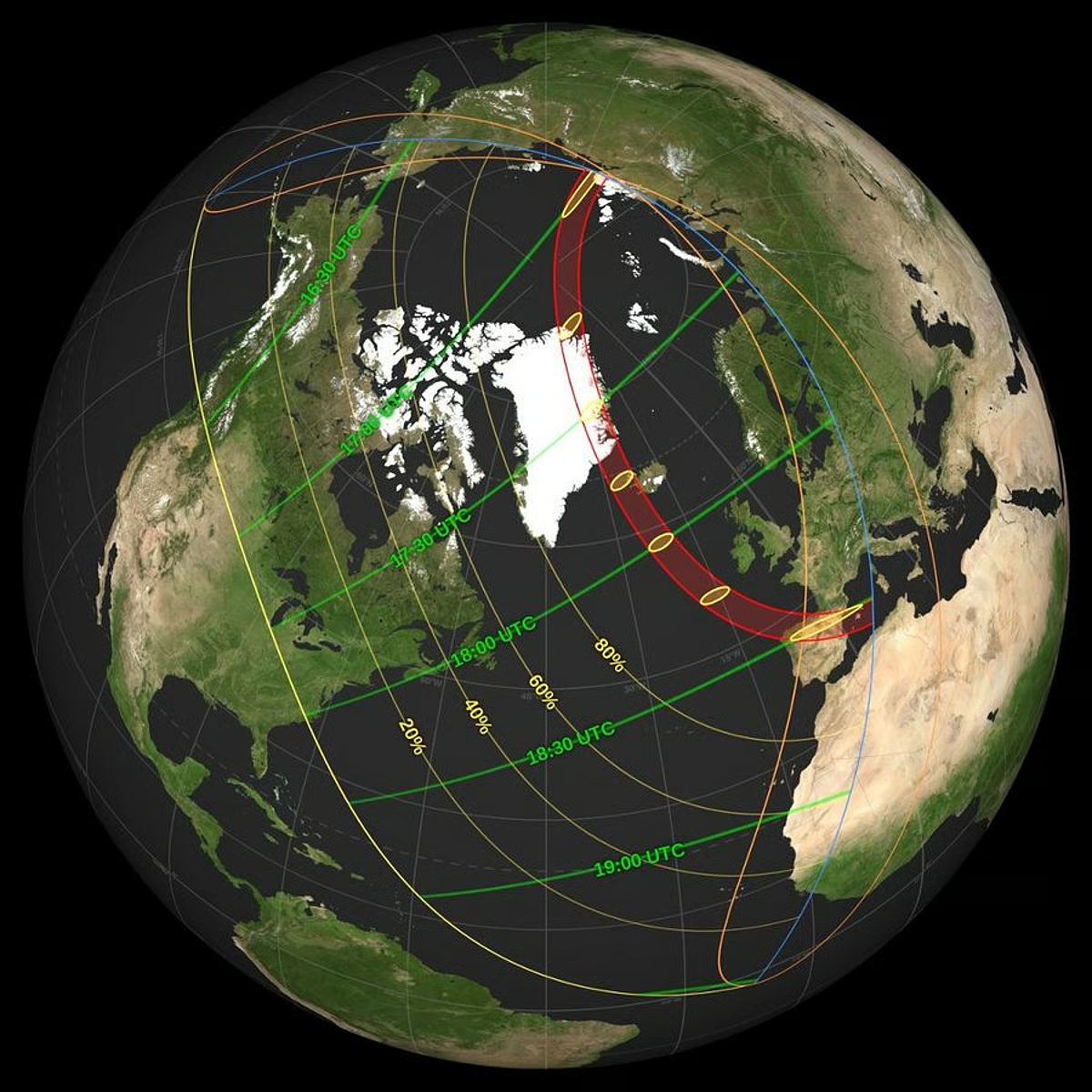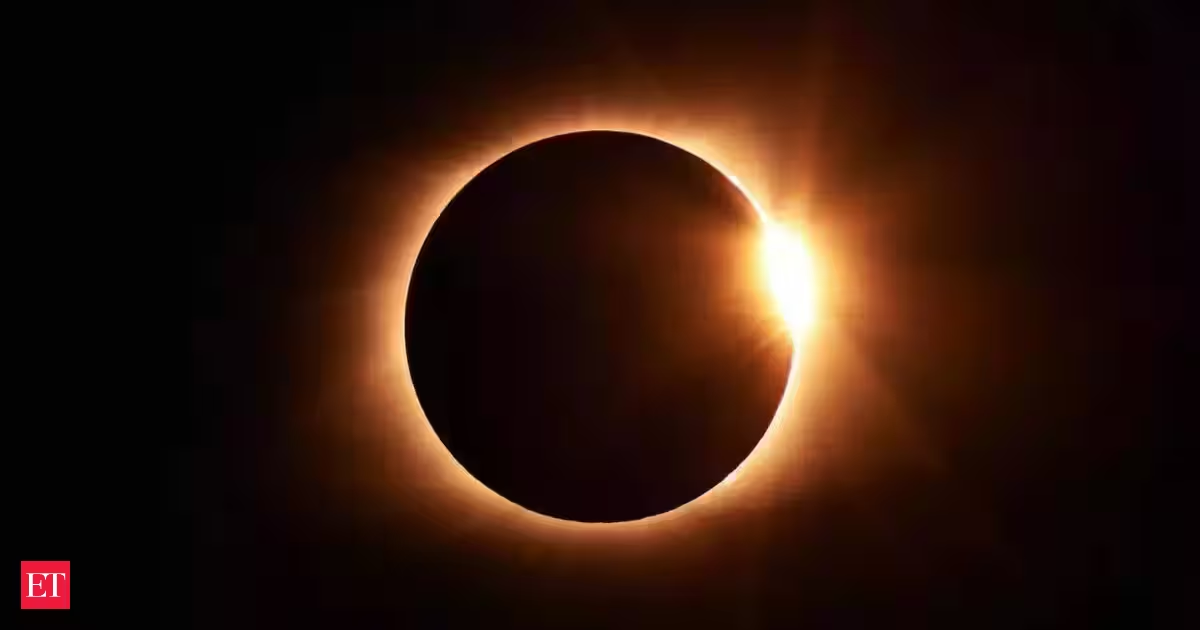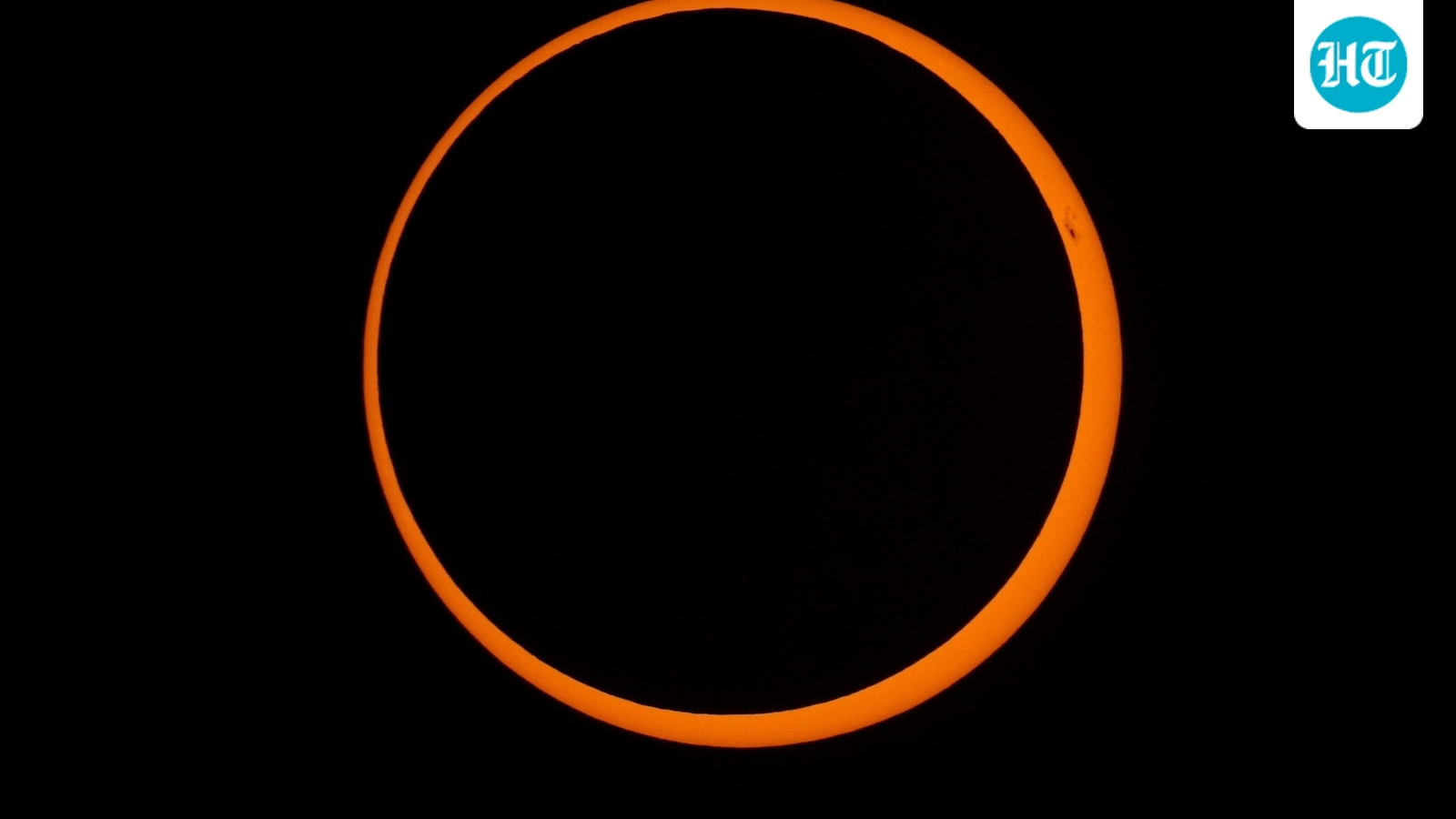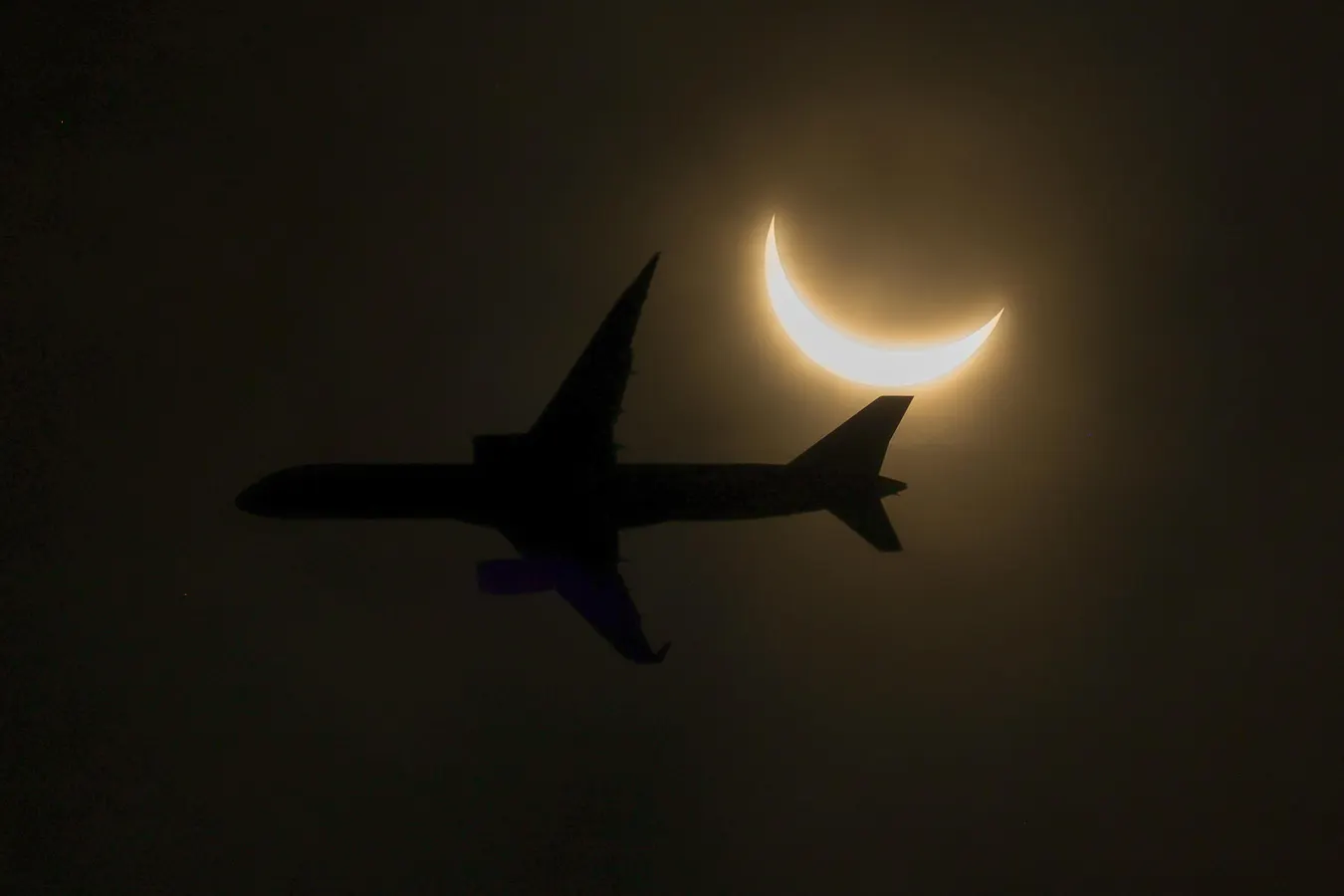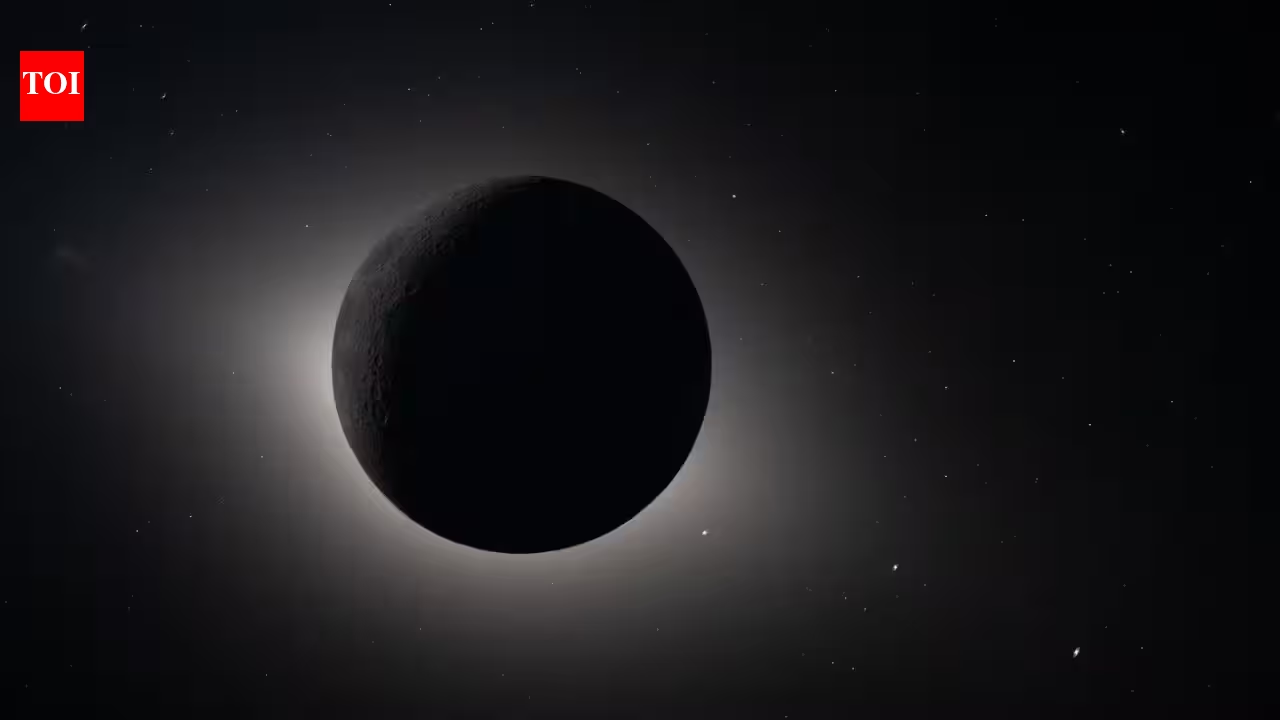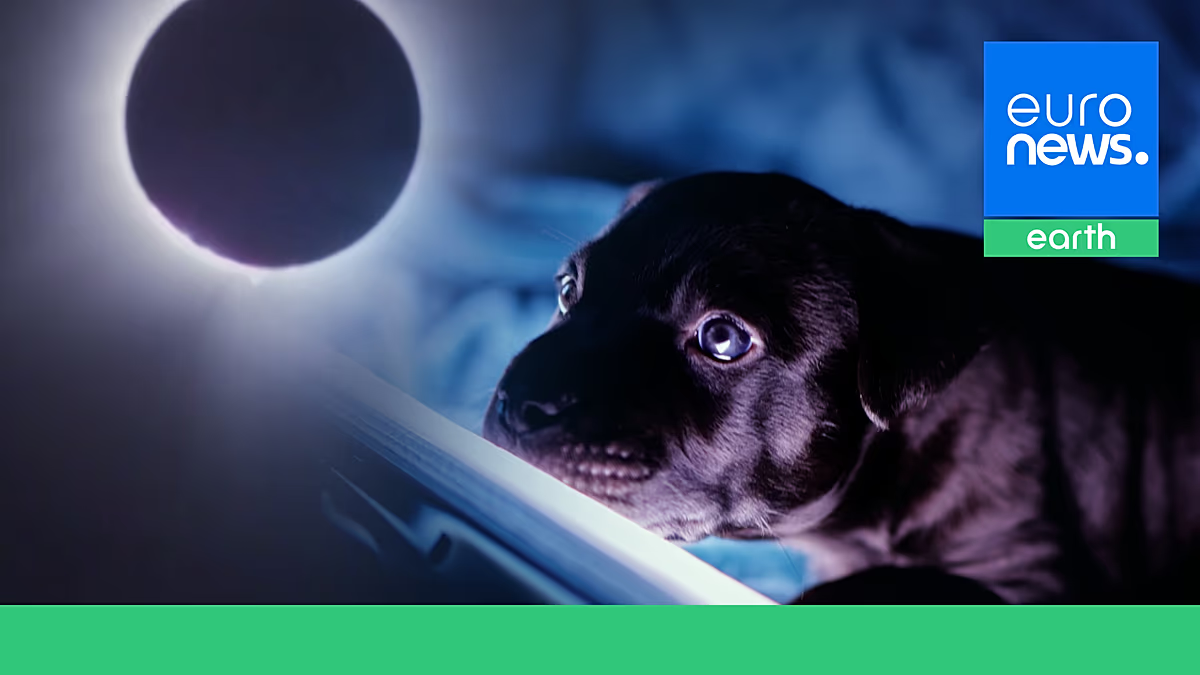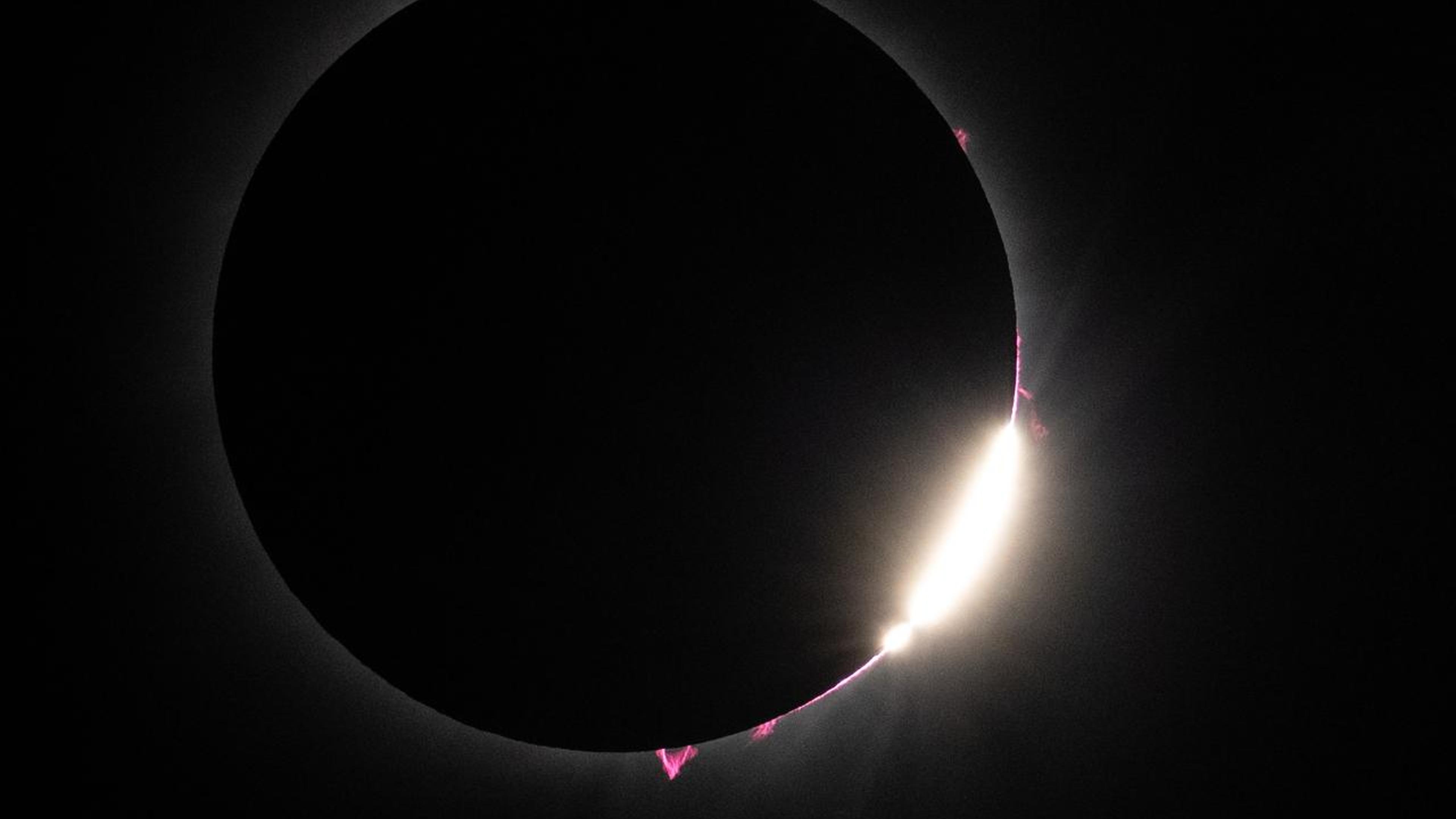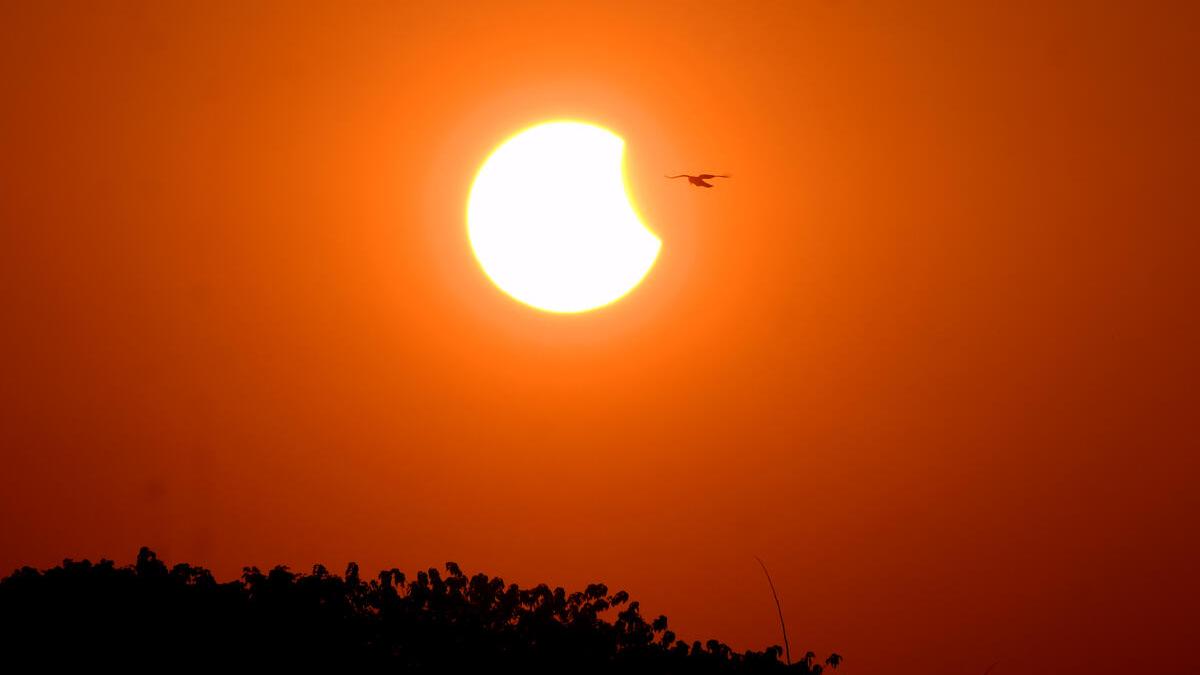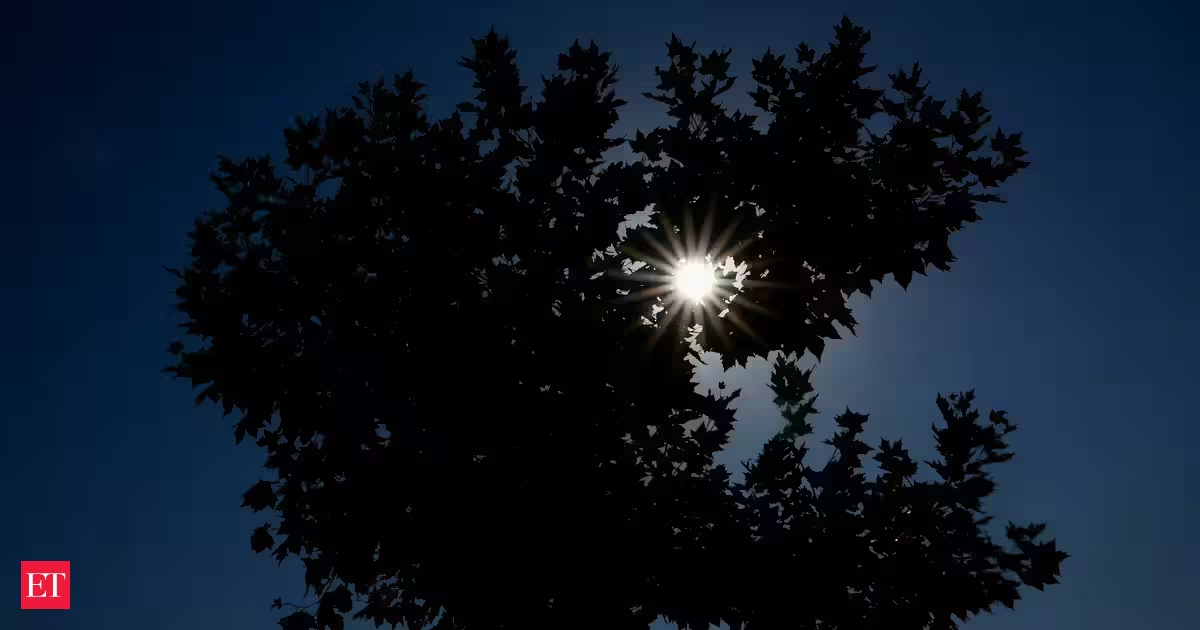
A solar eclipse will be visible in some countries on August 12, 2026 (Wednesday) as the moon will slip in front of the sun. Though the phenomenon will only be partially visible in the United States, millions of Europeans will experience a celestial treat: a solar eclipse.A total solar eclipse is one of those rare events that can make an ordinary afternoon feel completely unnatural. The sky darkens, temperatures can dip, birds may suddenly go quiet and some animals can behave as though night has arrived hours earlier than expected.ALSO READ: You may be driving past Flock cameras without knowing it and now this searchable DeFlock map in US is raising fresh privacy concerns among citizensHow solar eclipses affect temperatures and animals?As the solar eclipse unfolds, scientists and observers are paying attention not only to the sky but also to what happens on the ground, from anxious dogs and silent birds to a brief change in local temperatures.The most obvious change is also the strangest one: daylight disappears unusually quickly. Animals depend heavily on light and darkness to regulate daily routines. A sudden solar eclipse can therefore create a confusing environmental signal.ALSO READ: Google Drive is ending Google Photos backups on August 10: Why users need to change their settings before the deadline to keep new photos and videos backed upBirds are among the animals that can respond noticeably. As the sky grows darker, some birds may stop singing or become quieter, while some species can begin preparing for nighttime, returning to roosts or changing their normal behaviour.For animals that use daylight as a biological cue, however, the sudden shift can be enough to disrupt their normal rhythm. Euronews reported that the eclipse can create a sudden, confusing darkness in the middle of the day, with animals responding in different ways.ALSO READ: Snap co-founder Evan Spiegel and Miranda Kerr donate millions to erase $550 million in medical debt for 261,000 Californians, following Jeff Bezos' ex-wife MacKenzie Scott’s modelWhy birds can suddenly go silentOne of the most striking solar eclipse effects is the change in bird behaviour. Birdsong is closely connected to the daily cycle of light and darkness. When the sky suddenly resembles evening, some birds may interpret the unusual conditions as a signal that their normal daytime period is ending.Birds that were active moments earlier may settle down as the eclipse reaches its peak. The effect does not necessarily mean birds are frightened. In many cases, they are simply responding to environmental cues that normally tell them it is time to rest.ALSO READ: British racing driver Chris Froggatt marries Malaysian royal Princess Ilyana in Kuala Lumpur: Inside the grand wedding of Sultan Abdullah’s daughter and the Ferrari 296 GT3 racerWhat about dogs and other pets?Dogs can also react to a solar eclipse, although their responses may vary considerably. Some dogs may appear unsettled, anxious or confused as daylight changes. Others might barely react at all.There is no reason to assume that every dog will become distressed during a solar eclipse. Animals have individual temperaments, and a short period of unusual darkness does not automatically mean a pet will experience severe stress.The eclipse could also briefly cool the airThe solar eclipse isn't just changing what the sky looks like. It can also influence temperature. When the Moon blocks a substantial portion of incoming sunlight, the ground receives less solar energy for a short period. That can cause temperatures to fall temporarily.The effect depends on factors such as how much of the Sun is covered, local weather conditions, wind and the time of day. Reports ahead of solar eclipse suggested temperatures could drop by as much as 3C in some areas as more than 90% of the Sun is covered.That may sound minor, but the change can be noticeable because it happens over a relatively short period.Why the weather can suddenly feel differentSolar radiation is one of the fundamental drivers of Earth's surface temperature. During a solar eclipse, the Moon briefly blocks some of that radiation.As a result, the environment can experience a short-lived cooling effect. This does not mean an eclipse can stop a heatwave or reverse climate change. Instead, it is a temporary atmospheric response to a sudden reduction in sunlight.The effect is also highly localised and short-lived. Once the Moon moves away from the Sun's path, sunlight returns and temperatures can begin recovering.Could the eclipse give people a brief break from extreme heat?In areas experiencing intense summer heat, even a temporary temperature drop can feel welcome. That is one reason the 2026 eclipse has attracted attention beyond astronomy.The solar eclipse is occurring during a period of significant heat in parts of Europe, and forecasts have suggested that the temporary reduction in solar heating could provide a brief respite in some locations.The eclipse cannot eliminate the underlying heatwave conditions. Once normal sunlight returns, the atmosphere and ground can begin warming again.What should pet owners do during the eclipse?For most pets, there is no need to panic. The safest approach is to maintain a normal routine and avoid making the event more stressful than it needs to be.If a dog appears unsettled, owners can keep it indoors, provide a familiar environment and avoid unnecessary disruptions.There is also an important distinction between animal behaviour and eclipse eye safety.Humans should never look directly at the Sun without appropriate certified eclipse protection. Pets generally do not need special eclipse glasses because they are unlikely to stare deliberately at the Sun for prolonged periods.Still, owners should avoid encouraging animals to look toward the Sun.
Solar eclipse 2026: The Sun will disappear on August 12 and birds may go silent, dogs could act strangely and temperatures may plunge.
Solar eclipse 2026 will bring a rare celestial spectacle on August 12, with the event expected to create noticeable changes on Earth. As daylight suddenly fades, birds may fall silent, dogs and other animals could behave differently, while temperatures may briefly drop in areas experiencing the eclipse. Heres what scientists say about the surprising effects of a solar eclipse on animals, weather and temperatures.
920 words~4 min read