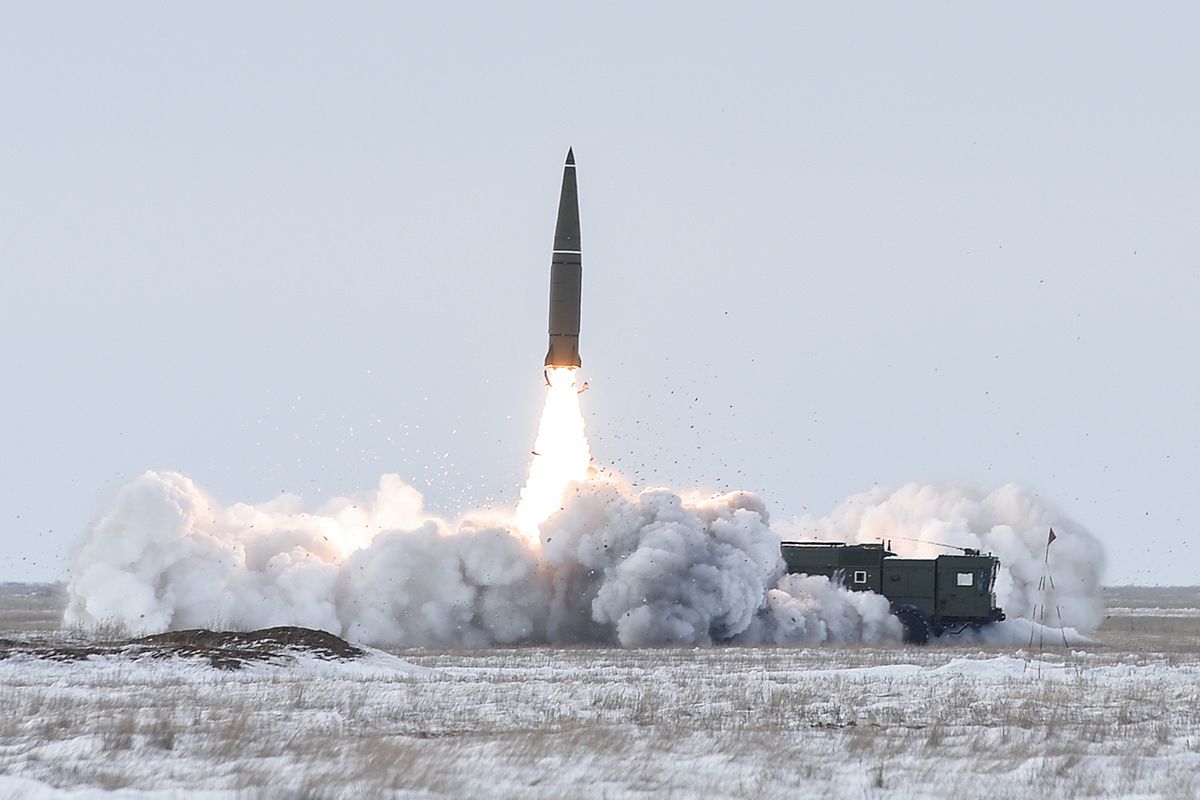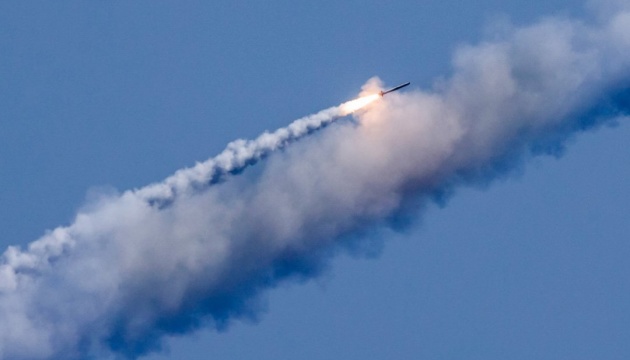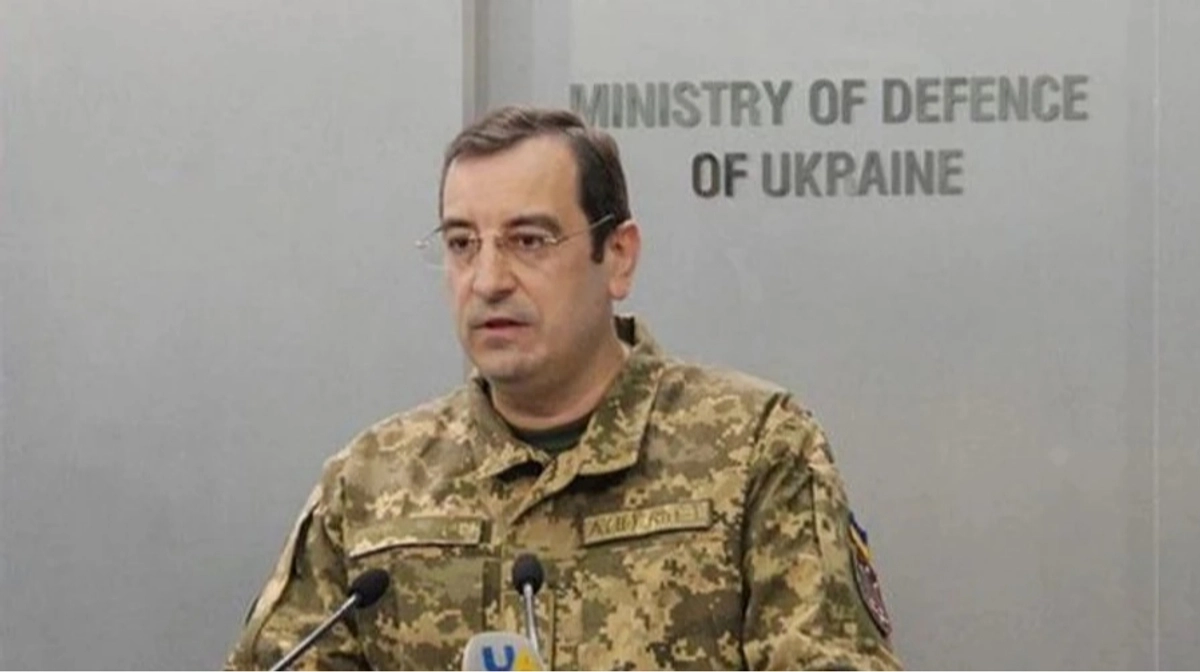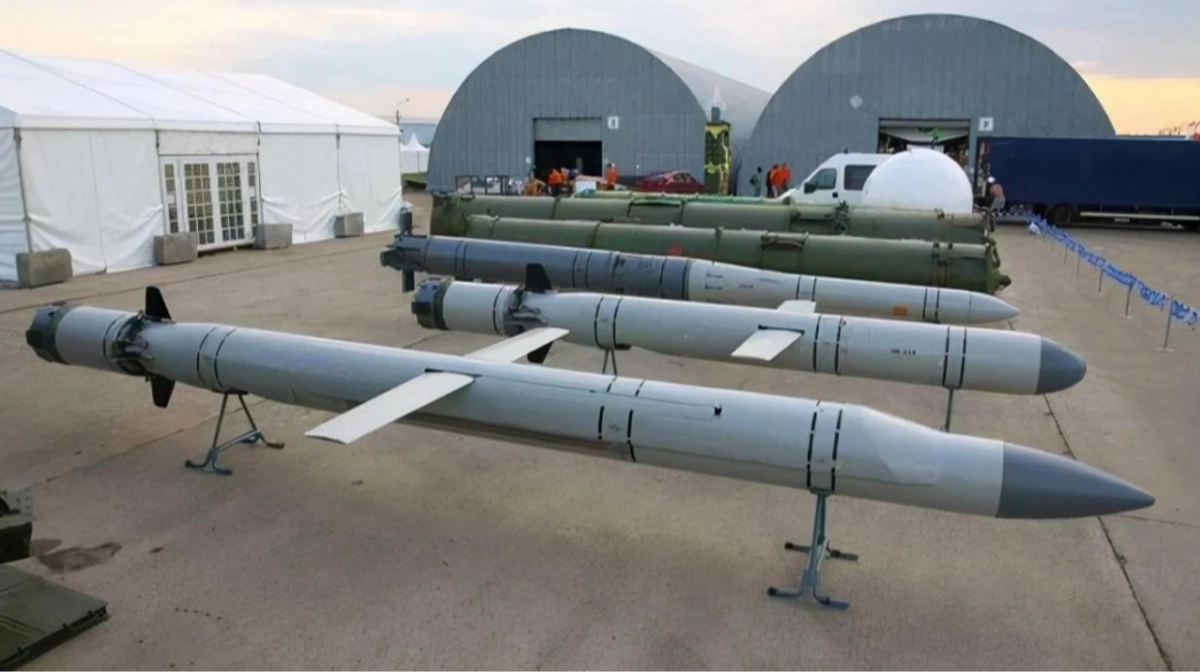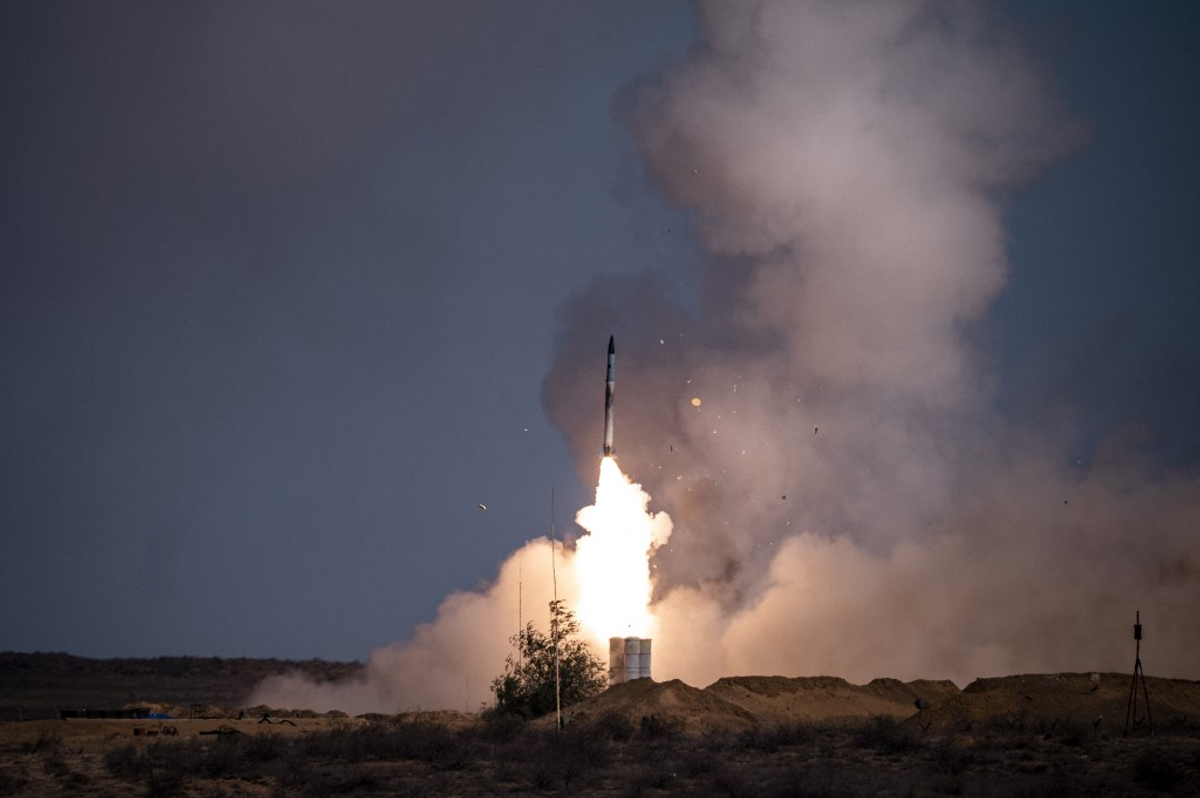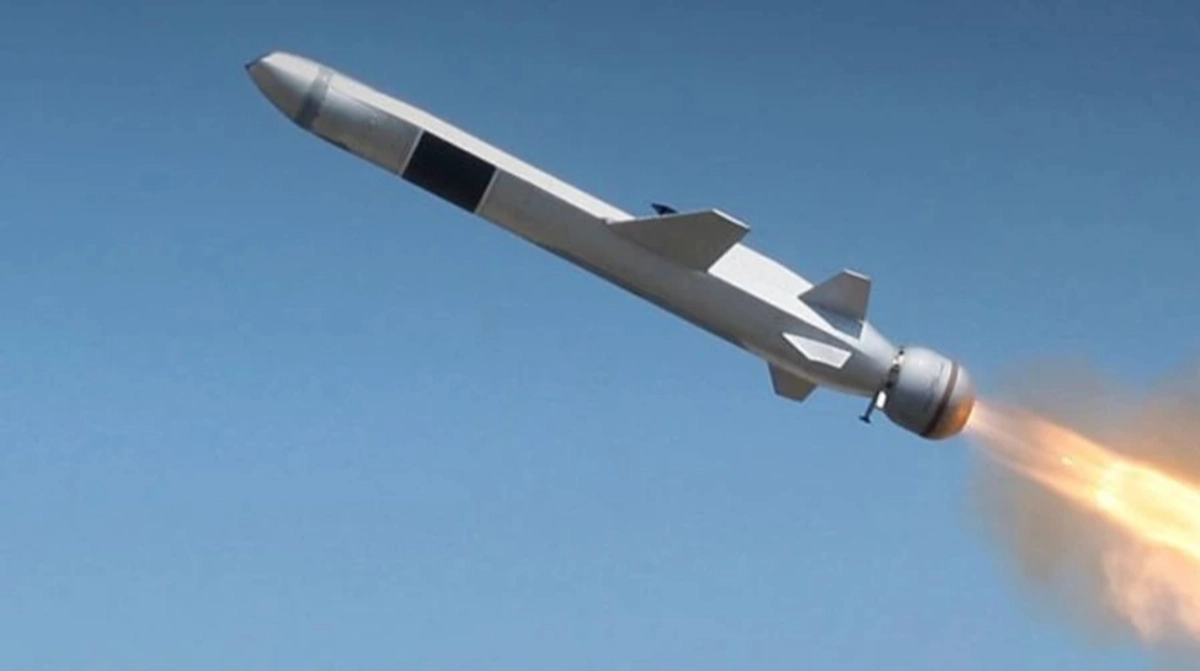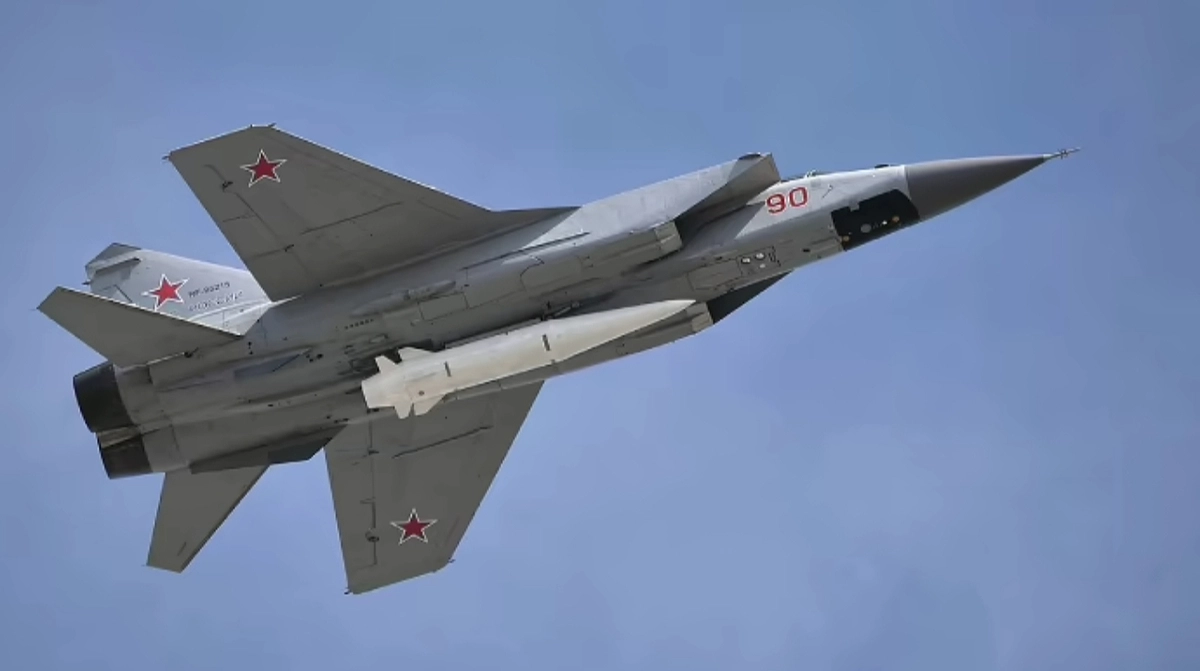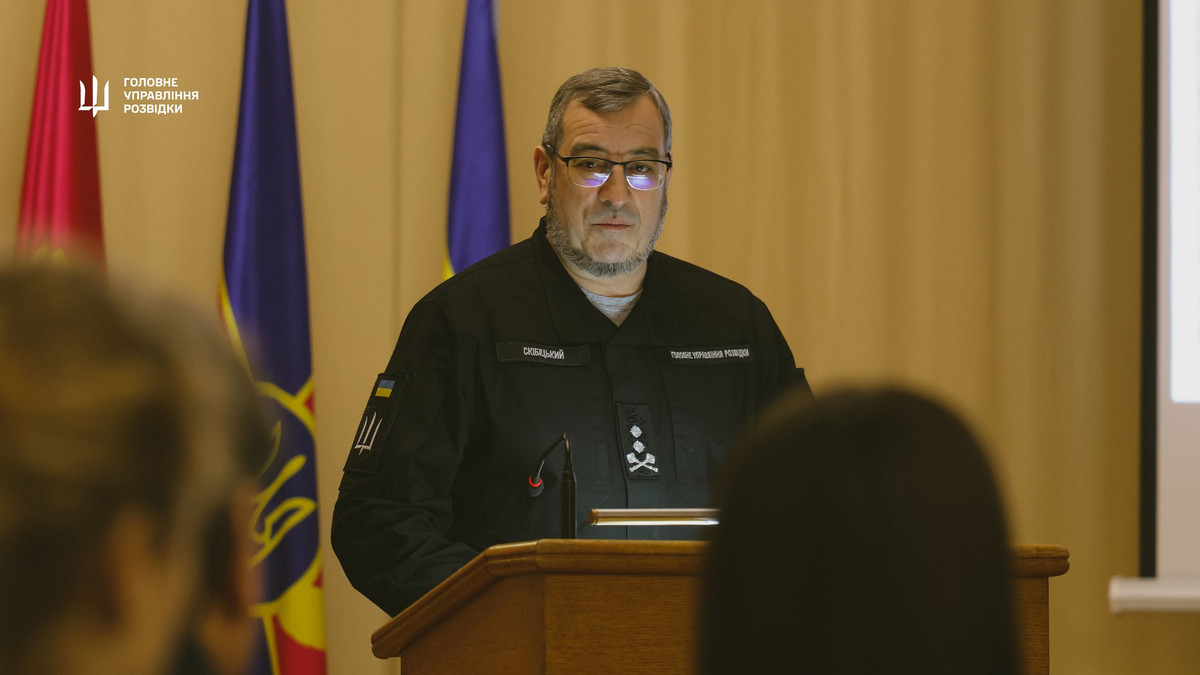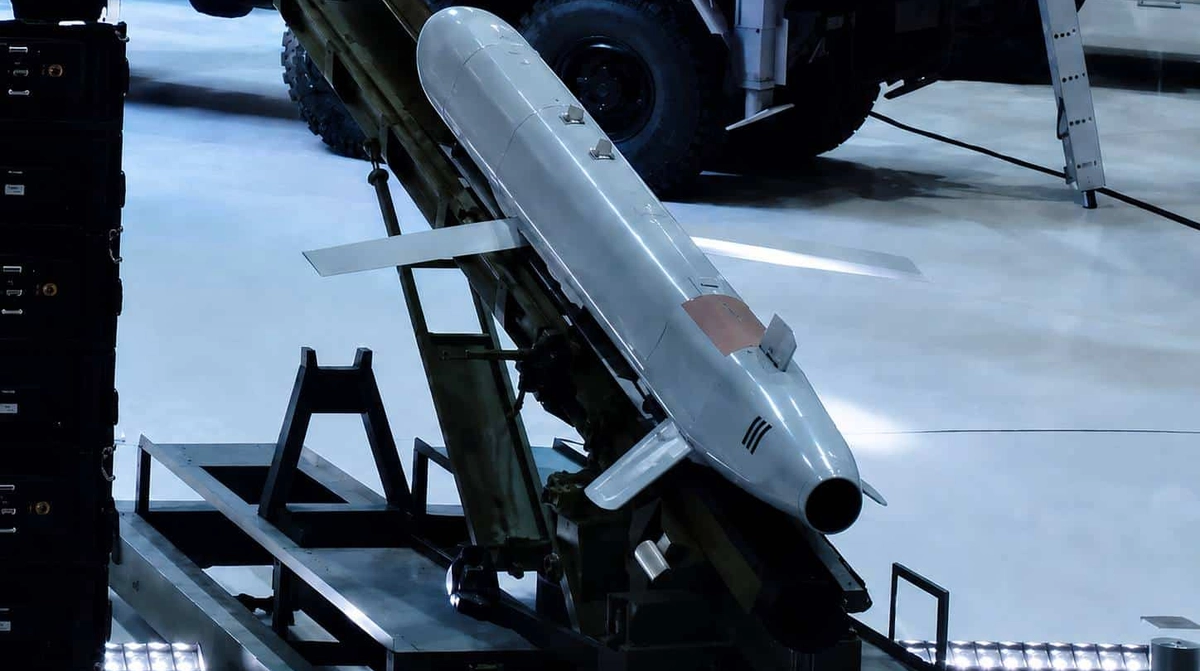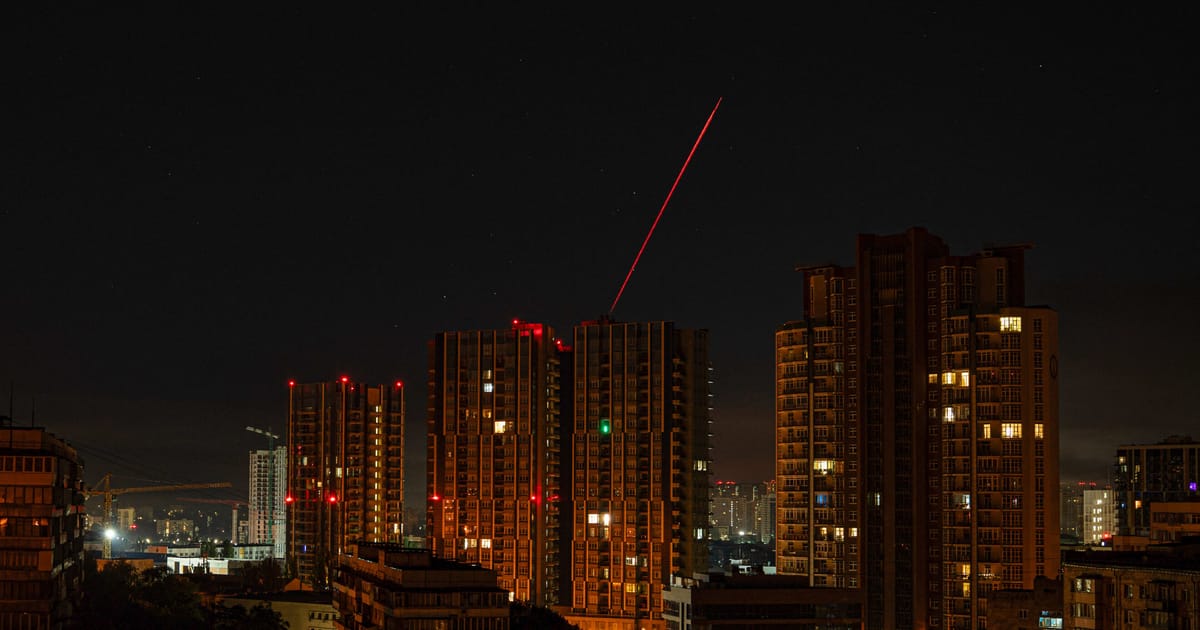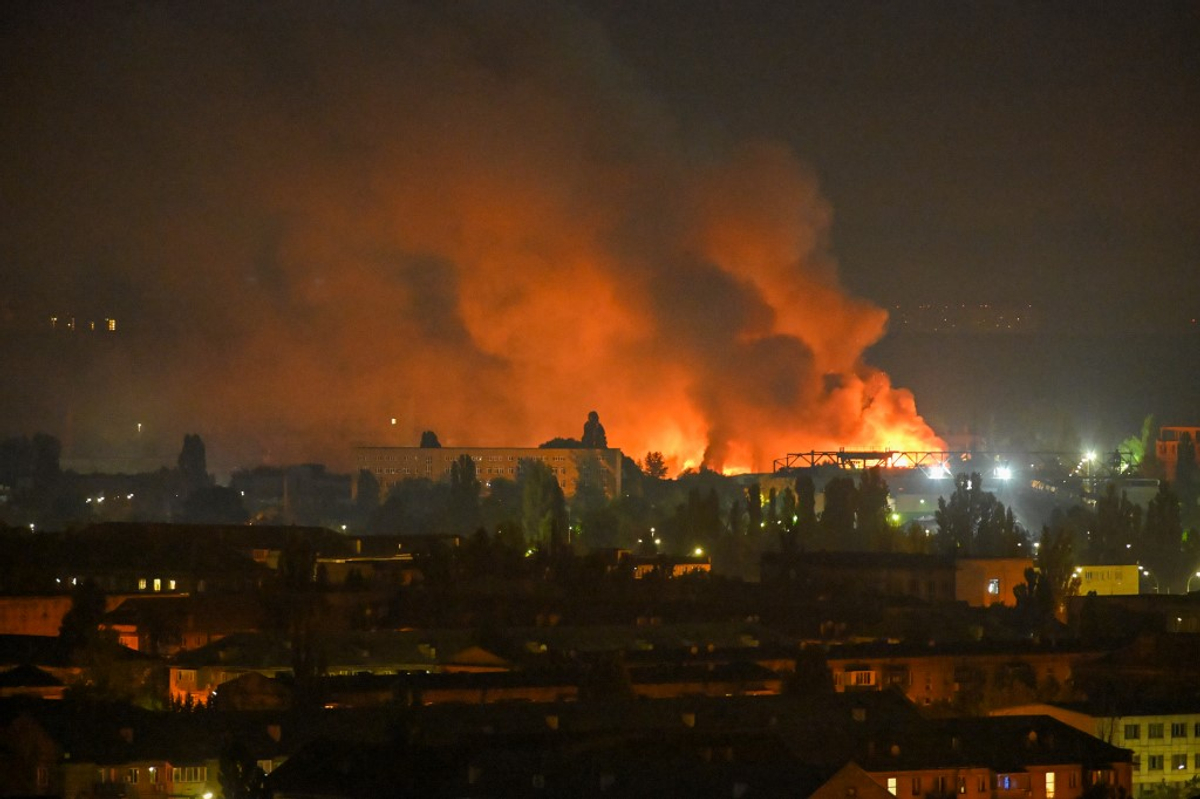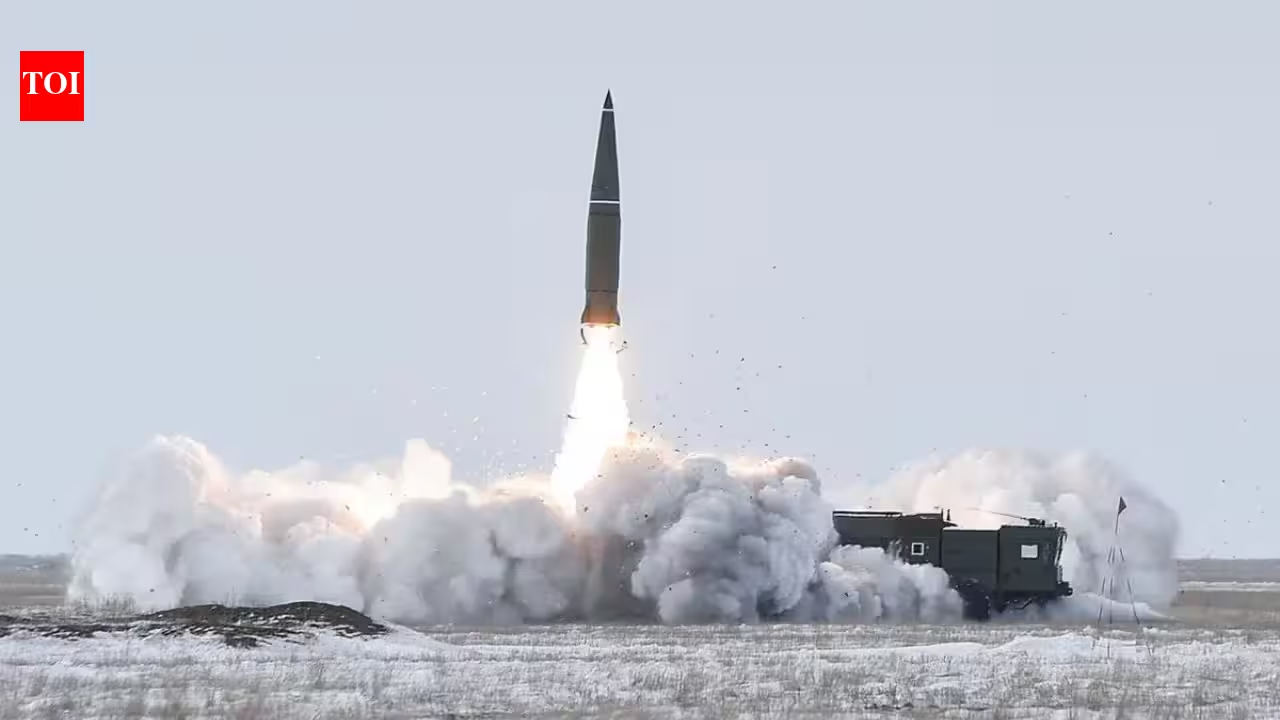
A Russian Iskander-M ballistic missile is launched at the Kapustin Yar proving ground, Astrakhan Oblast, Russia. (Wikimedia).Ukraine’s military intelligence says Russia is producing key missile systems at 10–20% above their planned monthly targets, with output of some missiles significantly higher.Vadym Skibitskyi, deputy head of Ukraine’s military intelligence agency, said Russia produced 87 Kh-101 cruise missiles in July against a monthly target of 72, while Kalibr production reached 29 against a target of 26. Production of the Kh-35 reportedly reached twice its planned monthly level.Skibitskyi also said Russia had already met its annual production targets for the Zircon and upgraded Oniks missile programmes within the first seven months of 2026.Ballistic missiles have become one of the most difficult threats for Ukraine to counter. According to Ukraine’s air force, Russia launched nearly 70 ballistic missiles at Ukraine during the first 10 days of August, but only one was intercepted. Ukraine’s military intelligence says the growing use of ballistic weapons is being accompanied by higher Russian production, placing additional pressure on the country’s already limited air-defence capacity.Russian forces launched 198 ballistic and hypersonic missiles at Ukraine in July, the highest monthly figure recorded in 2026. The barrage included 9M723 missiles fired by Iskander-M systems, RM-48U missiles launched from S-400 systems and Zircon missiles.Vadym Skibitskyi said Russian missile factories are now operating under a “simplified system of technical controls”, which has allowed them to accelerate production.The Ukrainian assessment says the increase is partly linked to Russia changing its production priorities. Skibitskyi claimed Moscow suspended production of the Kinzhal and Kh-32 missiles in April, allowing resources including components, rocket fuel and funding to be redirected towards other missile programmes.Russia has not publicly released production figures that directly confirm Ukraine’s estimates for individual missile types. However, Russian officials have repeatedly said that defence production has expanded during the war.In 2025, President Vladimir Putin said Russian defence production had continued to increase, while Russian defence-industry officials have reported higher output and expanded manufacturing capacity.The missiles in focusKh-101 is a long-range, air-launched cruise missile carried by Russia’s Tu-95MS and Tu-160 bombers and widely used in strikes against targets deep inside Ukraine. Ukrainian intelligence says Russia produced 87 Kh-101s in July, against a target of 72, taking output to 140% of the planned level. Earlier Ukrainian estimates put production at around 35 a month in 2023, showing a substantial increase over the course of the war.The Kalibr family includes sea-launched cruise missiles used by Russian warships and submarines for long-range strikes against Ukrainian targets. Ukraine estimated that in July 2026, Russia was reportedly producing 29 against a target of 26 missiles per month.The Kh-35 is primarily an anti-ship cruise missile. Its relevance to the current production story is the reported surge in output: Ukrainian intelligence says Russia produced it at 200% of its planned monthly level in July. The actual production figure was not disclosed.The Zircon is a hypersonic cruise missile developed primarily for anti-ship missions but also used by Russia against land targets in Ukraine. Ukraine says Russia produced 33 Zircons in the first seven months of 2026, already meeting its full-year production target.The Oniks is primarily an anti-ship missile that Russia has also used against land targets in Ukraine. Ukrainian intelligence says Russia produced 60 Oniks missiles in January–July 2026.
Kh-101, Kalibr, Zircon: Russia ramps up missile production 20% above monthly targets as Ukraine faces growing threat
International News: Ukraine’s military intelligence says Russia is producing key missile systems at 10–20% above their planned monthly targets, with output of some missil.
543 words~2 min read