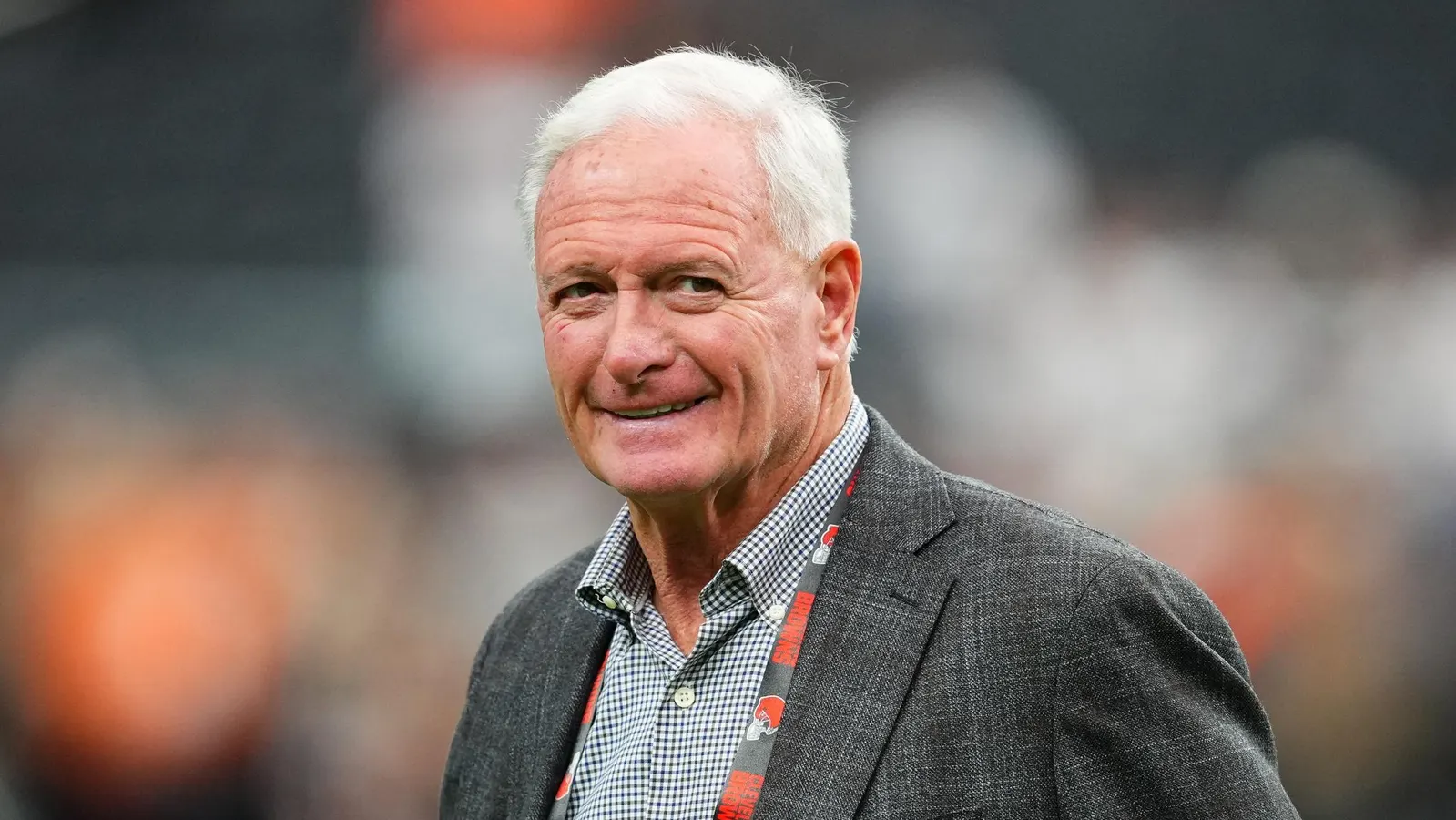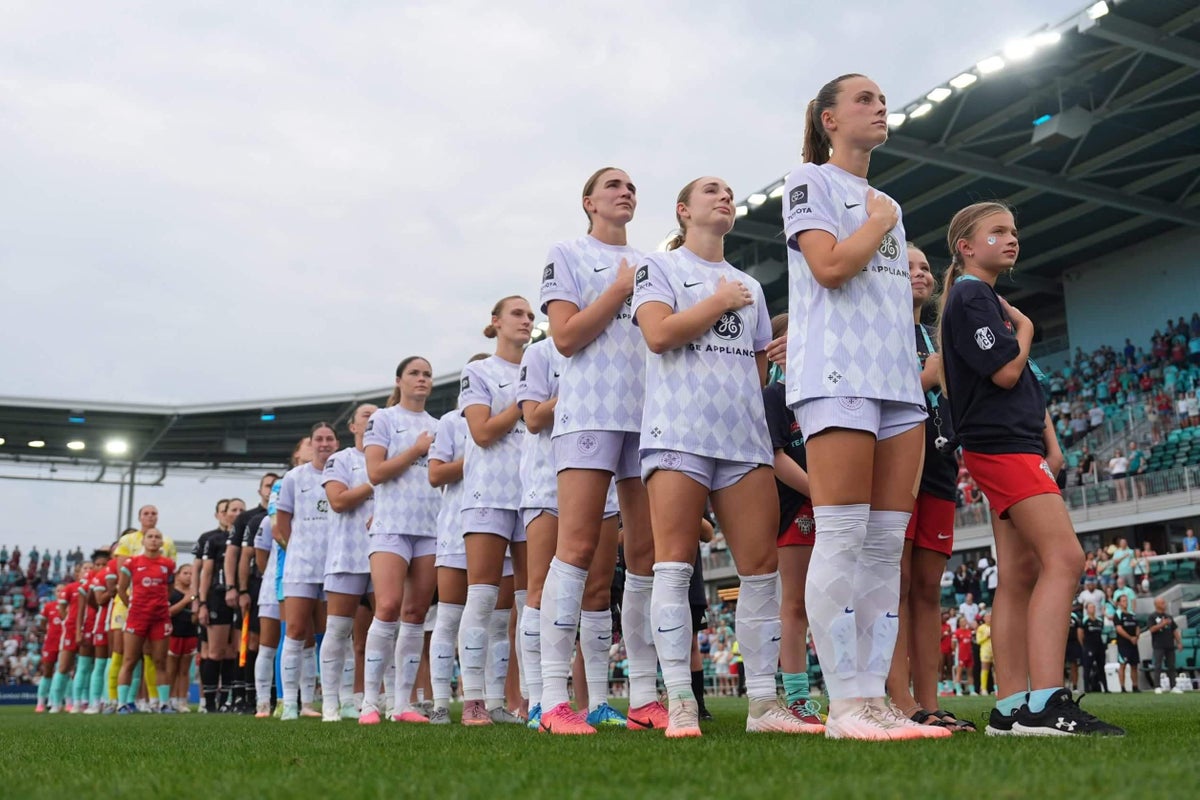
Over the past five years, the NWSL story has been about expansion.After launching with eight teams in 2013, the league has added seven new markets and at least 10 ownership groups from 2020 to today, with bigger checks being cut after every transaction.When Bay FC’s ownership paid a $53million expansion fee to join the league in 2024, it set a new bar. It was not only a record-breaking amount at the time but also significantly bigger than those for recent expansion teams like Angel City and San Diego Wave, who had paid roughly $2million to $5m just a few years earlier.Denver doubled that figure in early 2025 when its ownership group agreed to pay $110million. We blinked, and Arthur Blank’s ownership group agreed to pay $165m for an Atlanta franchise that same year, to begin play in 2028. Then, in May, the Haslam Sports Group in Columbus raised the bar again, agreeing to a record $205m expansion fee.Expansion fees are seeing hockey-stick growth and have become a benchmark of the NWSL’s success. However, the league now faces a consequence of that: what happens to clubs that can’t keep pace in this new billionaire era?That question has become increasingly relevant in the case of Racing Louisville, where the ownership group is seeking outside investment. Racing’s chairman John Neace told The Athletic last week that the search for additional capital remains active. Whether that comes through a straightforward investment or an investor-operator with sports experience matters less to Neace than finding someone willing to put more resources into the club. Currently, he is the only NWSL owner who has not sold any stake in his club nor taken significant outside investment to help run it.But what happens if no one comes knocking?Neither Neace nor NWSL commissioner Jessica Berman has declared relocation impossible.“We are not planning to move the team, but I think economic reality would be if you can’t make it work here… If you build a restaurant somewhere and nobody comes in to eat, you either close it down or you move the restaurant, right?” said Neace.“It is always the preference of the league to maintain the continuity of the location of our teams,” Berman said. “But it is not a never.”NWSL commissioner Jessica Berman says that the league will ‘never’ rule out relocating a team if necessary (John Lamparski/Getty Images for Concordia Annual Summit)For a league whose central business question was once whether enough investors wanted to write big checks for women’s soccer, the NWSL is now confronting almost the opposite problem. The cost of competing is rising so quickly that some existing clubs risk being left behind.The price of admission has changed. So has the price of staying competitive.This may seem like a minor issue, but it is a real one.According to Sportico’s 2026 valuations, the average NWSL franchise was worth about $184million, up 77 percent from 2024. Los Angeles-based Angel City topped the rankings at $335m, remarkable for a franchise whose ownership group paid roughly $2m in expansion fees to enter the league in 2022.Neace is reported to have paid $1m the previous year for Racing, who are now valued at $127m, but in terms of revenue, the franchise sits in 11th place out of 16 with $10.4m compared to Angel City’s $36.7m.
Expansion or relocation? How the NWSL ecosystem makes it hard to keep up with the price of winning
Down to Business with Asli Pelit takes you through the exciting, fast-paced (and sometimes confusing) corporate side of women's soccer
1,539 words~7 min read