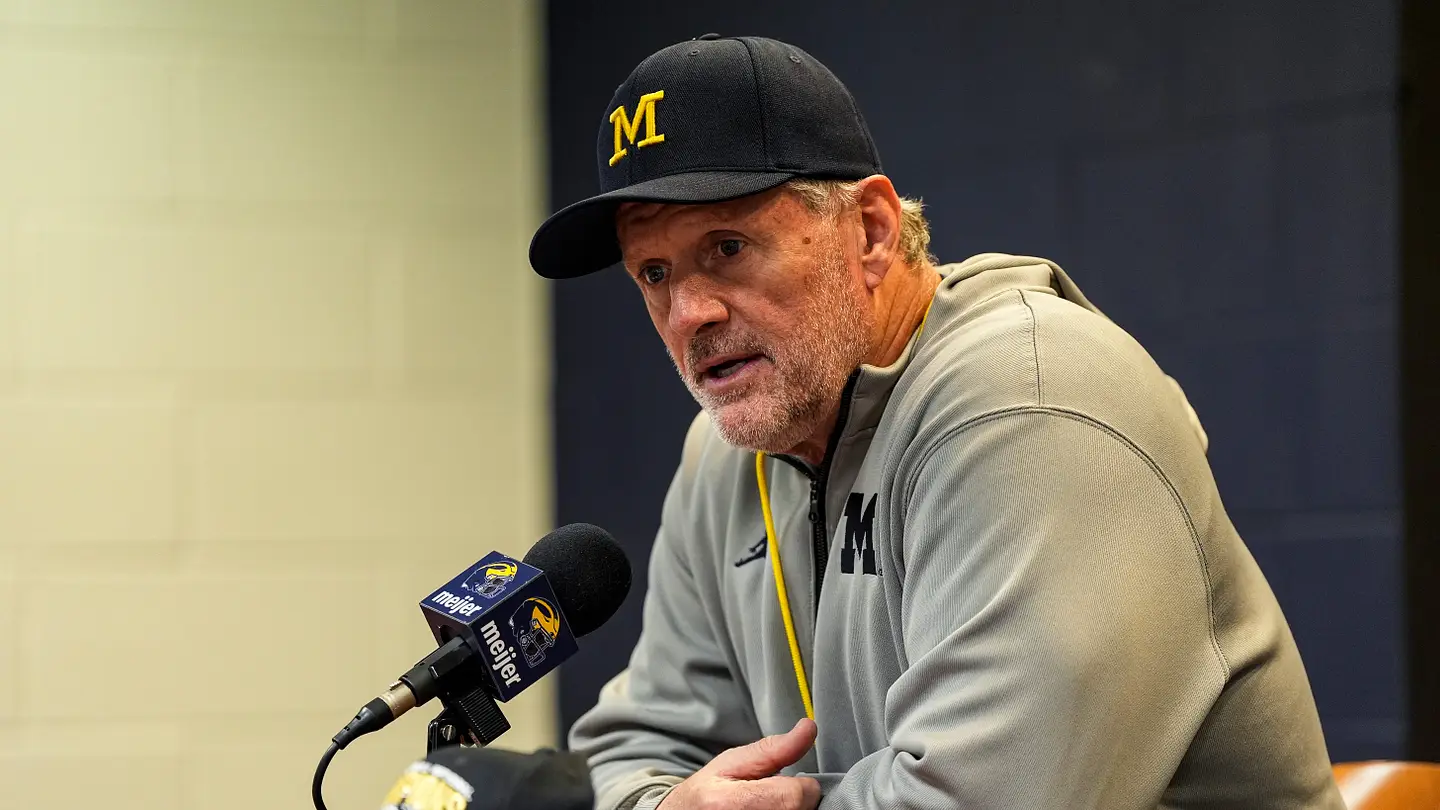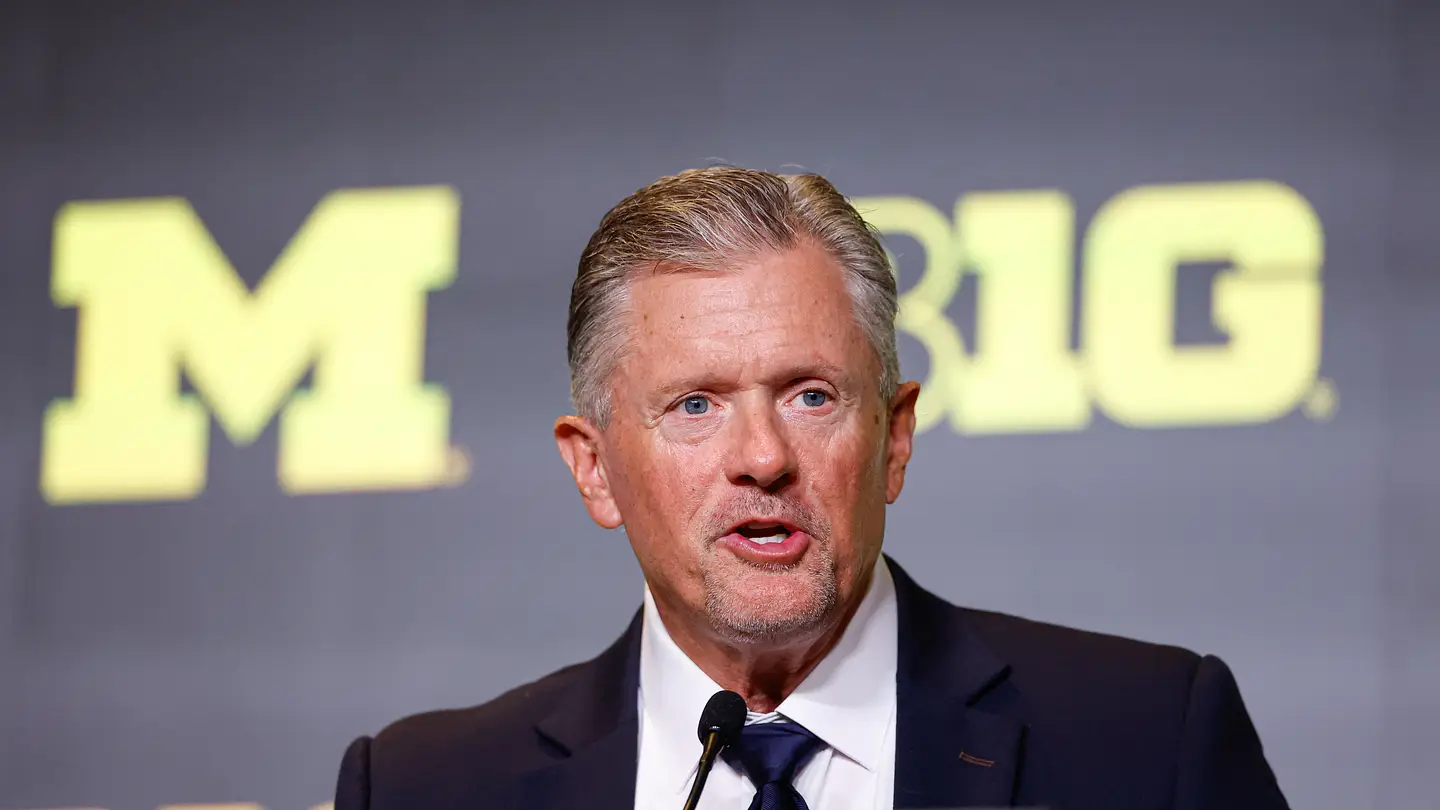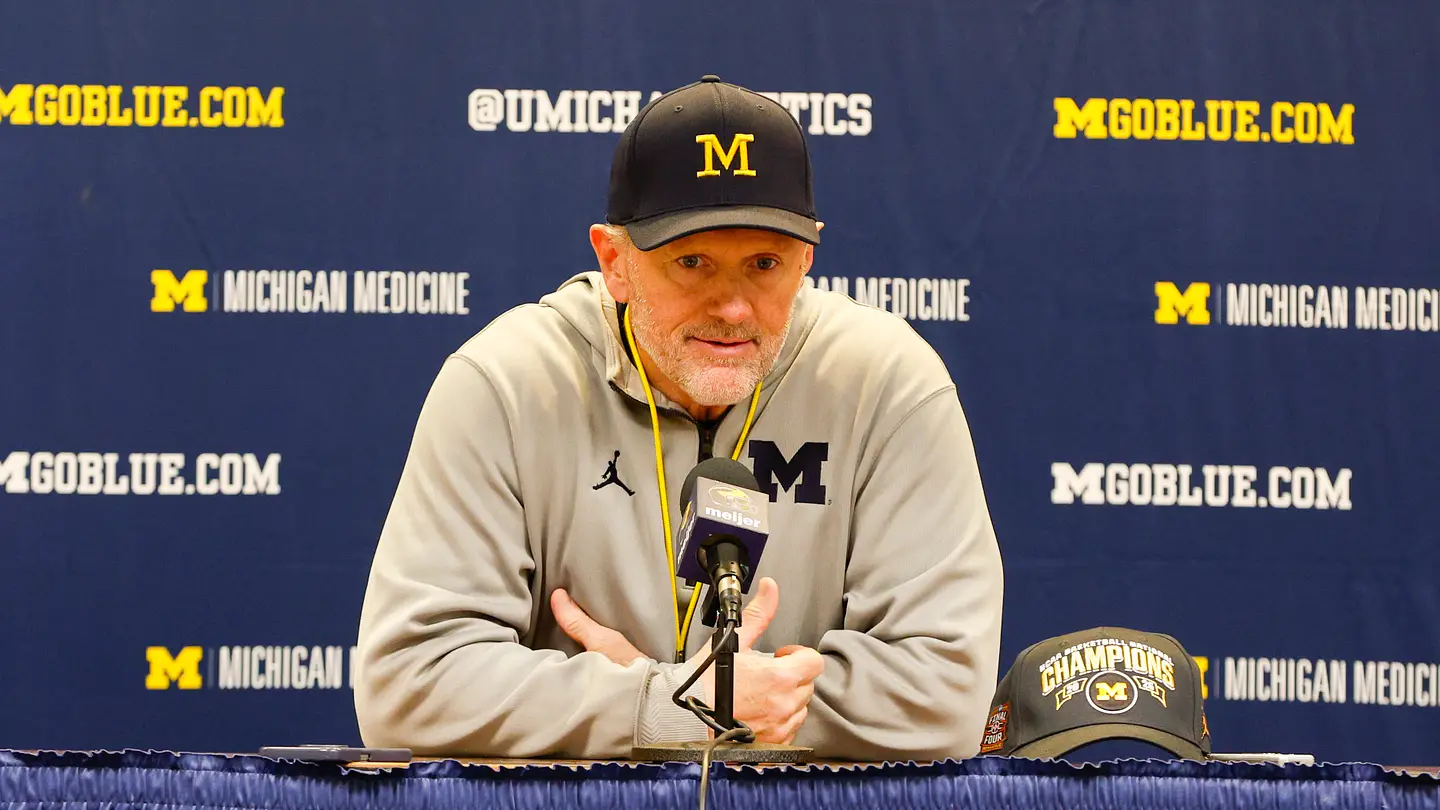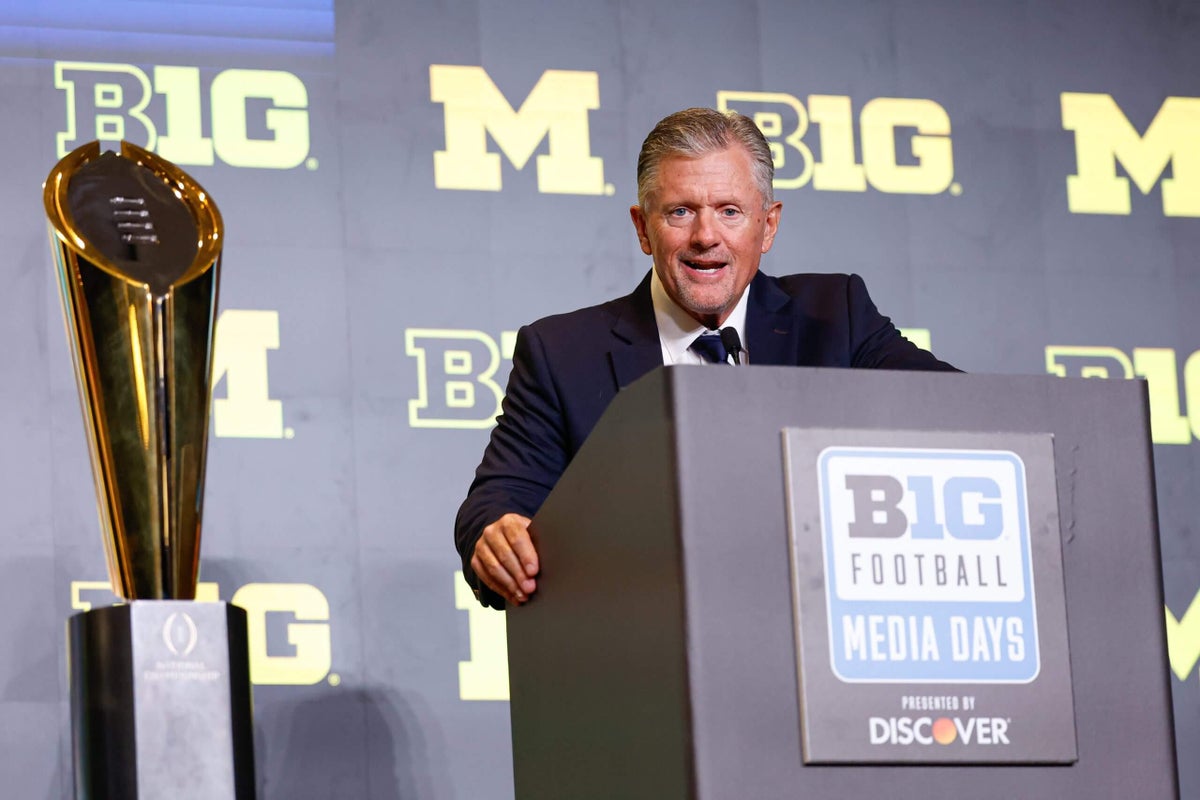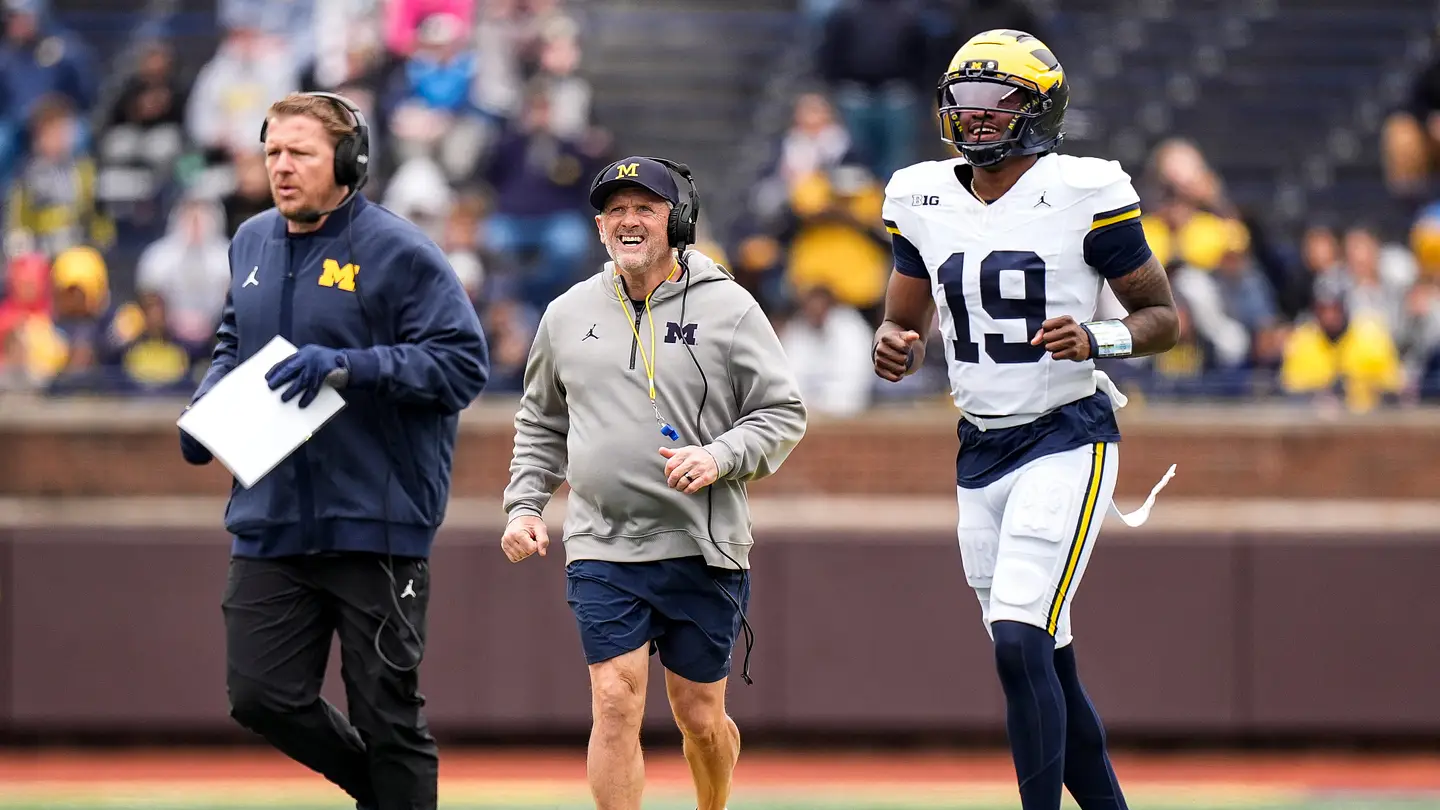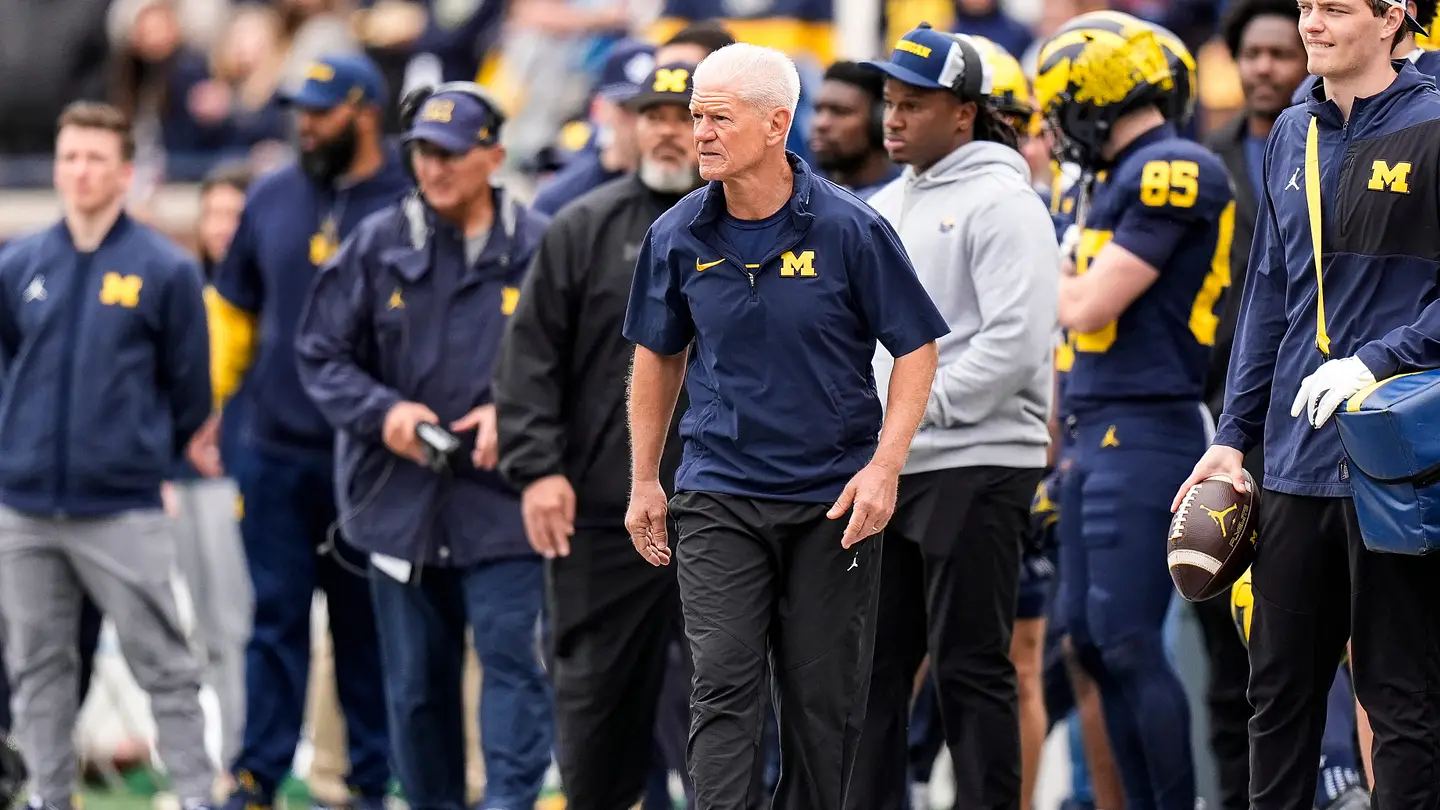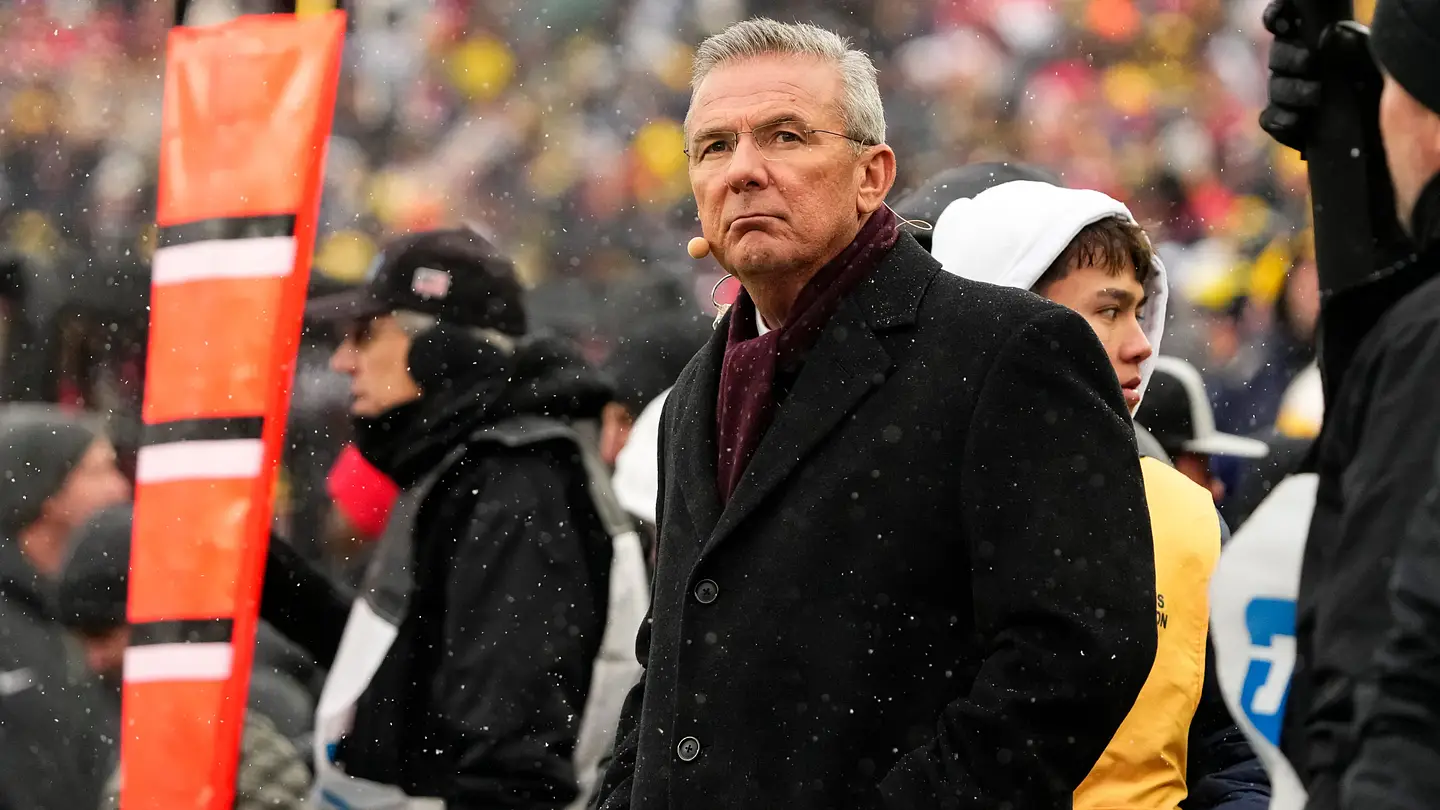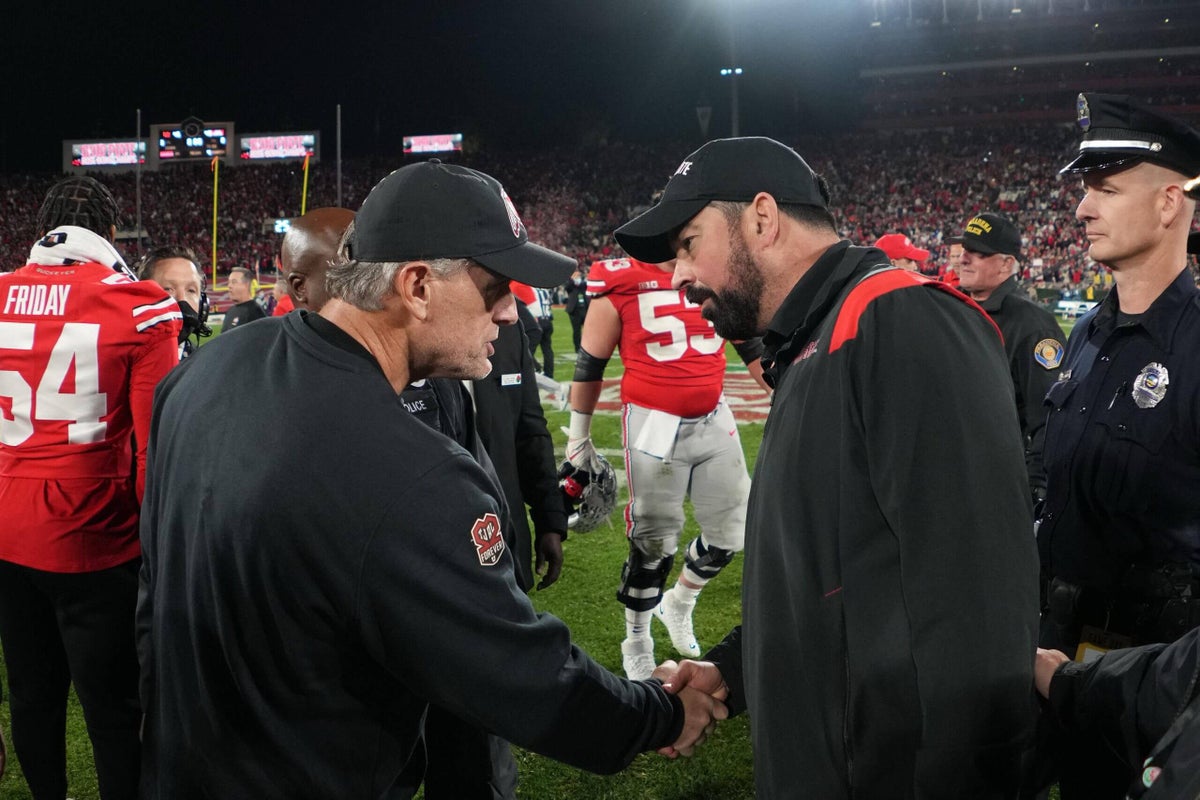
The year is 2035. Ryan Day has decided to try his hand in the NFL after 17 seasons and two national championships at Ohio State. The Buckeyes have hired a splashy replacement: Super Bowl champion Mike Macdonald, who is returning to the college ranks after a successful run with the Seattle Seahawks.Because everything in the Michigan-Ohio State rivalry is magnified, Macdonald’s lone season as Michigan’s defensive coordinator in 2021 is a hot topic. During his first appearance at College Football Super League media days, Macdonald is asked if his former boss, Jim Harbaugh, will be welcome at practice.“If Jim wants to come to practice, he can come every week but one,” Macdonald says.Ohio State fans would have some feelings about Harbaugh, their archnemesis, being welcomed into the Woody Hayes Center by a Buckeyes head coach. Perhaps this thought experiment explains why people reacted as they did when Michigan coach Kyle Whittingham said the same thing about Urban Meyer, his former boss at Utah.“Based on what Urban has told me about it, I just think that a rivalry can be intense and emotional without the hatred factor,” Whittingham said at Big Ten media days. “I don’t think there’s any place for that, personally.”Can Kyle Whittingham bring stability to Michigan?Austin MeekNothing Whittingham said was wrong. The Michigan-Ohio State rivalry is too good to be overshadowed by flag-planting, logo-stomping, petty insults and off-field skullduggery. In trying to dial down the vitriol, Whittingham got a “welcome to Michigan” moment and an introduction to the all-consuming nature of the rivalry.Whittingham was being sincere when he described Meyer as a friend and called Day a “good guy,” but Michigan coaches typically don’t talk that way about their counterparts at Ohio State. Grudging respect is one thing, but Whittingham went a step further, expressing familiarity and even fondness. If those comments touched a nerve, it’s because they underscored the strangeness of Michigan’s new coach having deeper ties in Columbus than he does in Ann Arbor.Faced with the accusation of being nice to his rival, Whittingham did a bit of clean-up this week while standing by his main message.“I’m not trying to downplay (the rivalry) at all,” Whittingham said Monday. “It’s a huge game. Gigantic. It’s something that we all have in the back of our mind 24/7. I probably should have worded it differently, but that game is of the utmost importance.”Managing the narrative is a big part of the rivalry. When Harbaugh started 0-5 against Ohio State, the perception was that Michigan couldn’t match Meyer’s maniacal focus on the rivalry. When Day lost four in a row to the Wolverines, the perception was that Michigan was in his head. Coincidence or not, the Buckeyes snapped their losing streak last season after they tried treating Michigan more like any other game.(Now, it’s Michigan quarterback Bryce Underwood who told NBC Sports: “It’s just another game. Just, we’re guys in a different color. That’s how I see it.”)Whittingham knows what college football rivalries are all about: The Holy War between Utah and BYU is about as intense as it gets, with 22 meetings decided by single digits since Whittingham joined Utah’s staff in 1994. His challenge is to show that he gets this rivalry, despite spending most of his career 1,600 miles away.Though he ultimately switched allegiances, Whittingham played for legendary coach LaVell Edwards at BYU and counts Edwards as one of his greatest influences. Whittingham’s Michigan staff includes running backs coach Tony Alford and special teams coordinator Kerry Coombs, both of whom coached with Meyer at Ohio State. The idea that coaching staffs can cross-pollinate in a rivalry is part of Whittingham’s history.In that sense, Whittingham’s approach is truer to the spirit of the Michigan-Ohio State rivalry than the more recent us-against-them antagonism. Bo Schembechler played for Woody Hayes at Miami (Ohio) and coached under him at Ohio State. The two were fierce combatants in the Ten Year War but maintained a relationship of mutual respect.“One of the reasons why I’m a football coach is because I grew up with Woody and Bo,” said Coombs, who coached with Ohio State offensive coordinator Arthur Smith with the Tennessee Titans. “There’s no reason for any of it to be nasty. It doesn’t have to be hateful. It doesn’t have to be unnecessarily violent.”Fans and coaches at both schools have struggled to keep the rivalry in perspective. Threats to Day and his family, Michigan’s sign-stealing scheme and the violence that erupted on the field after Michigan upset the Buckeyes in 2024 speak to the intense pressure that both sides feel. If Whittingham is able to normalize relations with Ohio State, he’ll be doing a service to both programs.Whittingham’s comments made a bigger splash on social media than they did with Michigan fans, who are still in the honeymoon phase with their new coach. If Whittingham beats Ohio State in November, no one will care that he counts Meyer as a friend. But if the Wolverines lose, you can imagine the message board posts wondering if Whittingham’s lack of Buckeye Hate is a problem.“Would we have a better chance to win if I hated them? I don’t understand,” Whittingham said Monday. “Whatever gives us the best chance to win, I’m all for. (I) want to beat them worse than anybody around.”With time, perhaps Whittingham will learn to dislike Ohio State as much as Michigan fans do. He’s right to say that no matter how intense the rivalry is, it doesn’t have to turn nasty or vindictive. Whittingham can be respectful of the Buckeyes and cordial to his coaching peers, but now that he’s the coach at Michigan, he’ll have to draw some lines between his old life and his new one.Maybe let Meyer stand outside like everyone else.
Was Kyle Whittingham wrong about Michigan-OSU rivalry? No, but there are lines to learn
In trying to dial down the vitriol, Whittingham got an introduction to the all-consuming nature of the Michigan-Ohio State rivalry.
972 words~4 min read