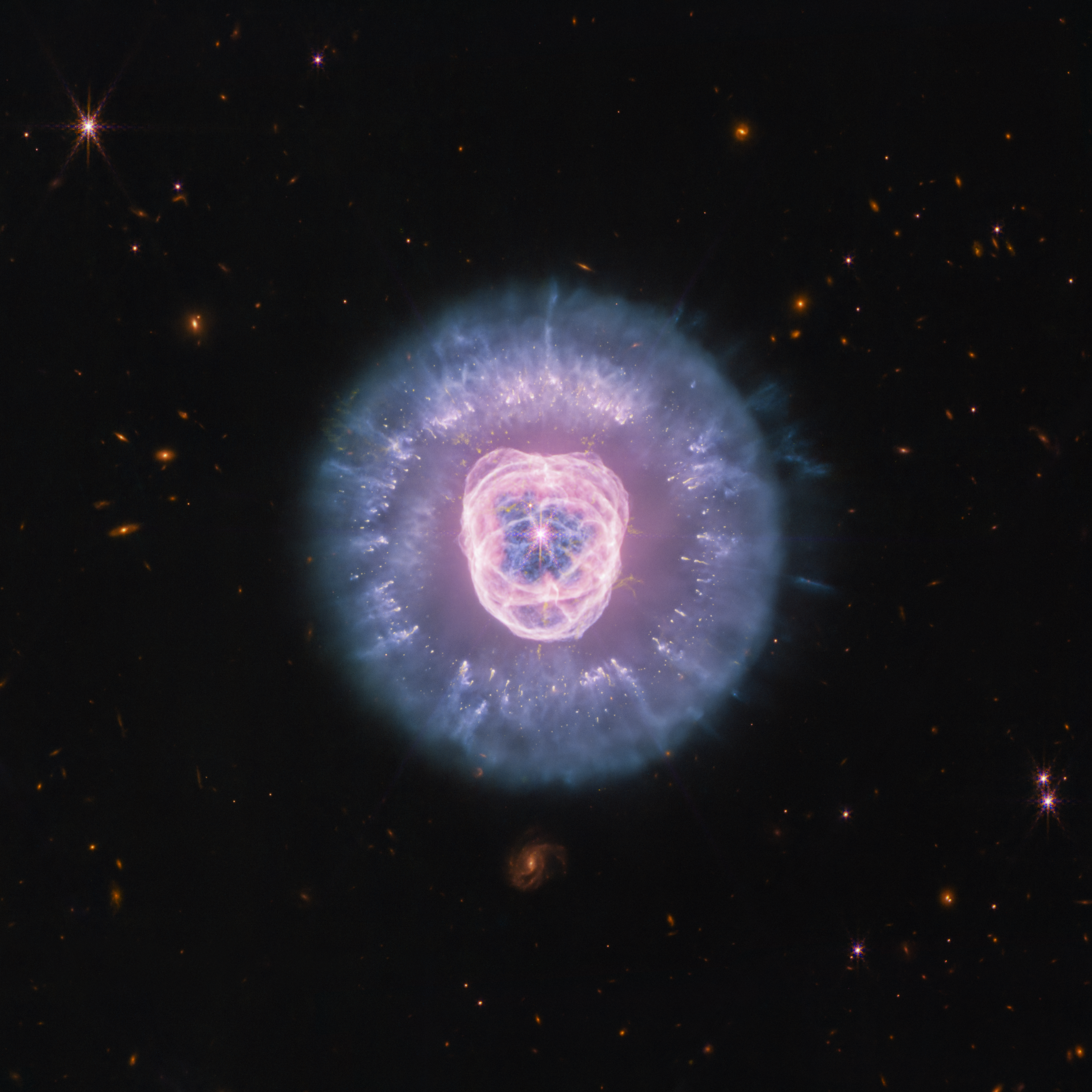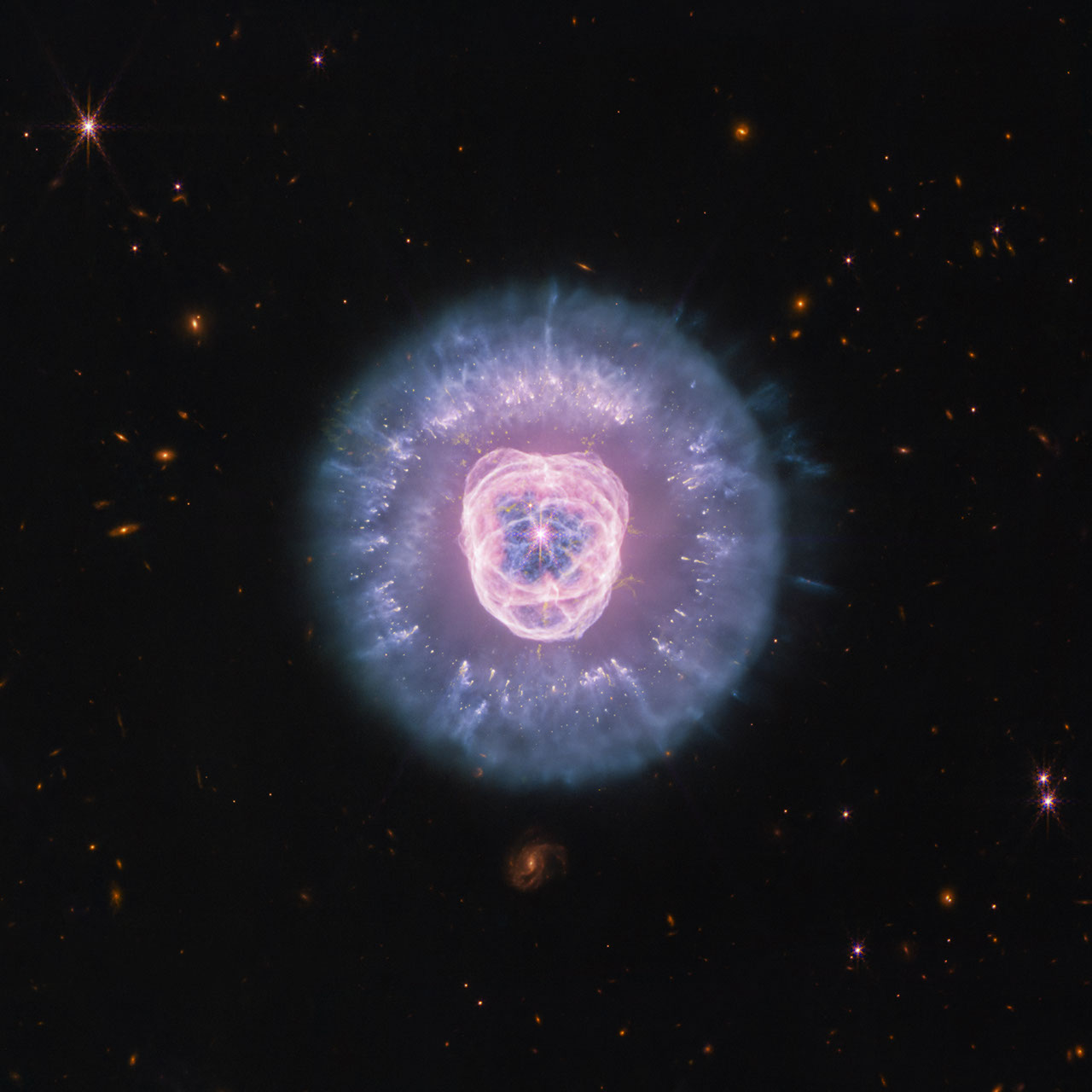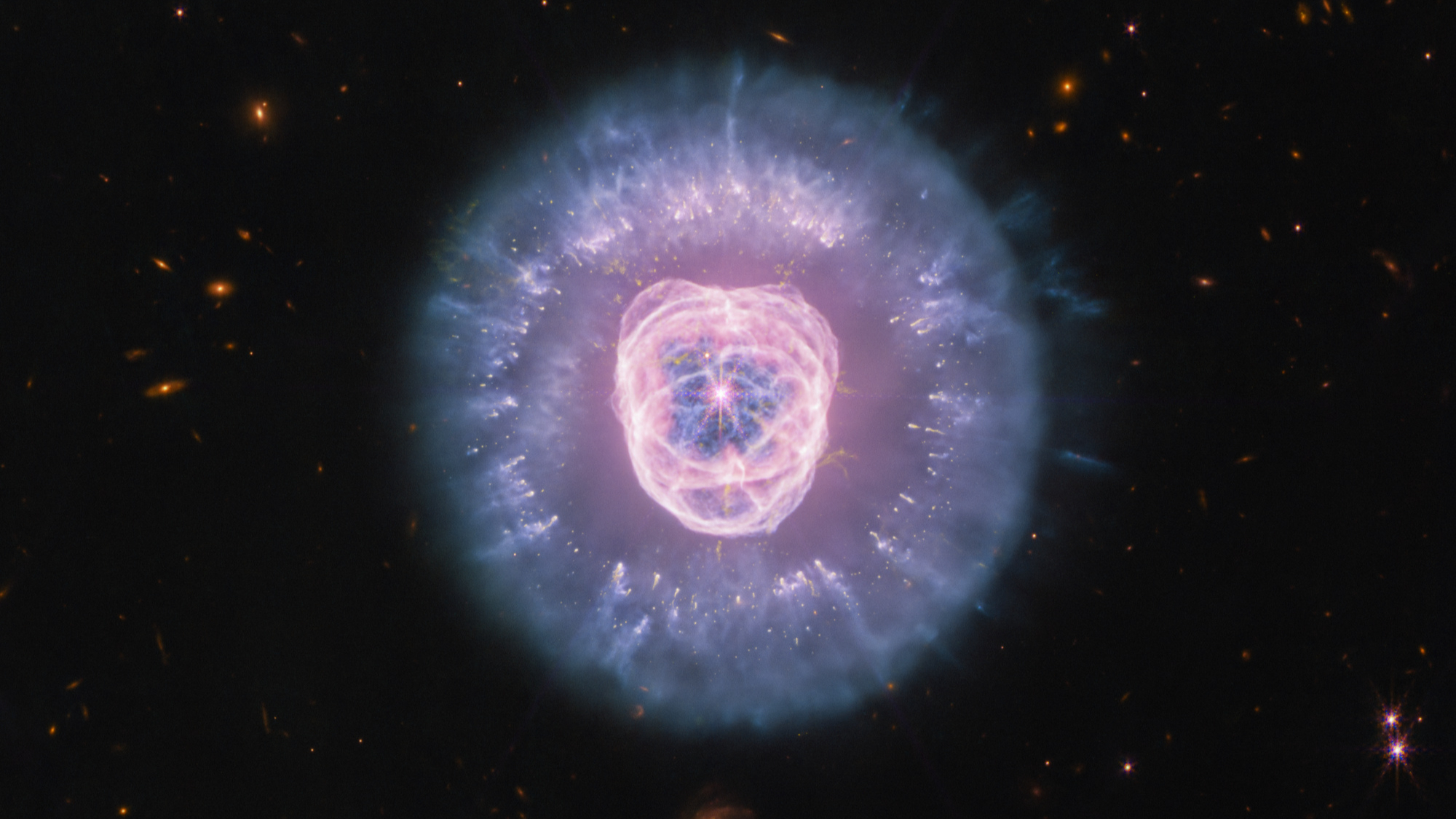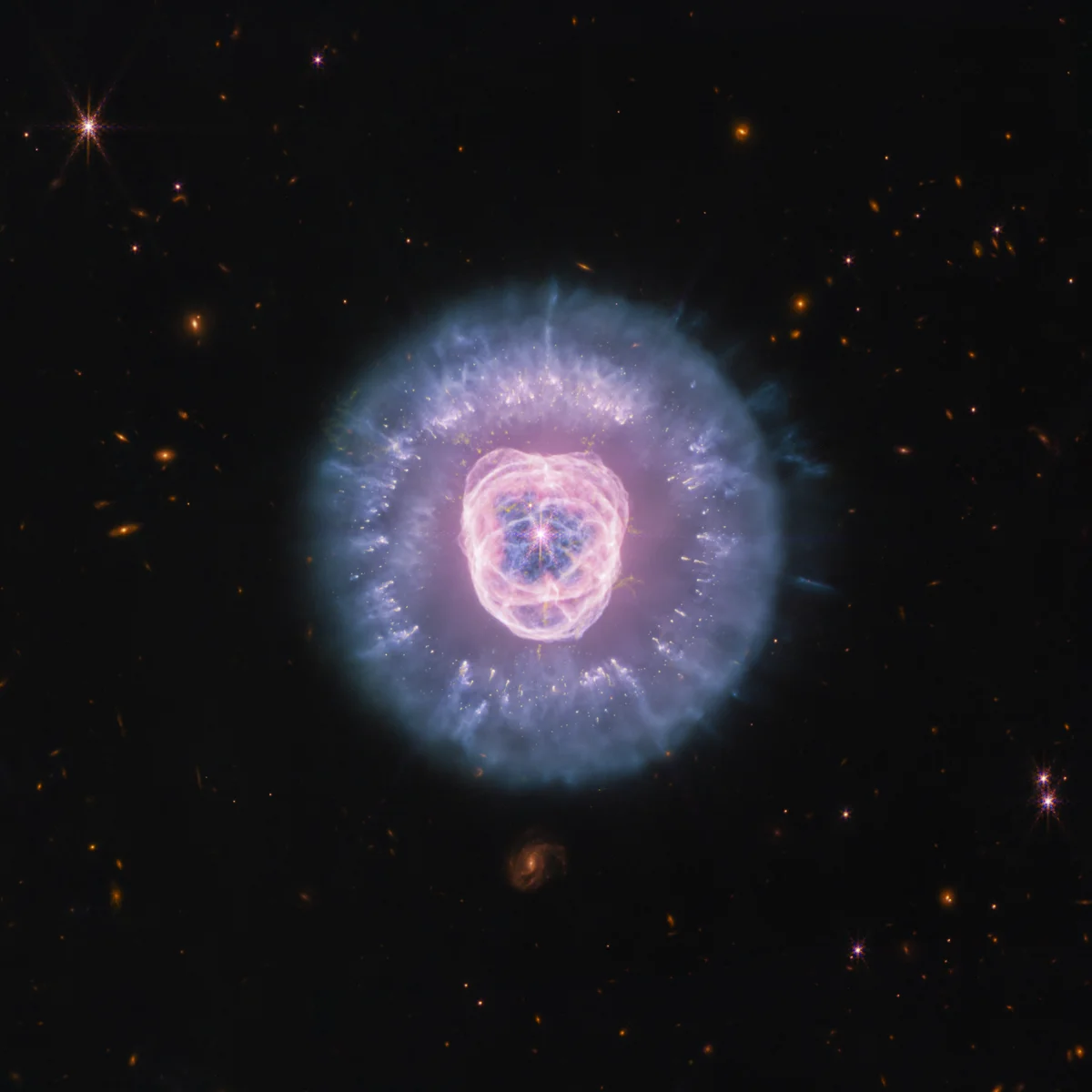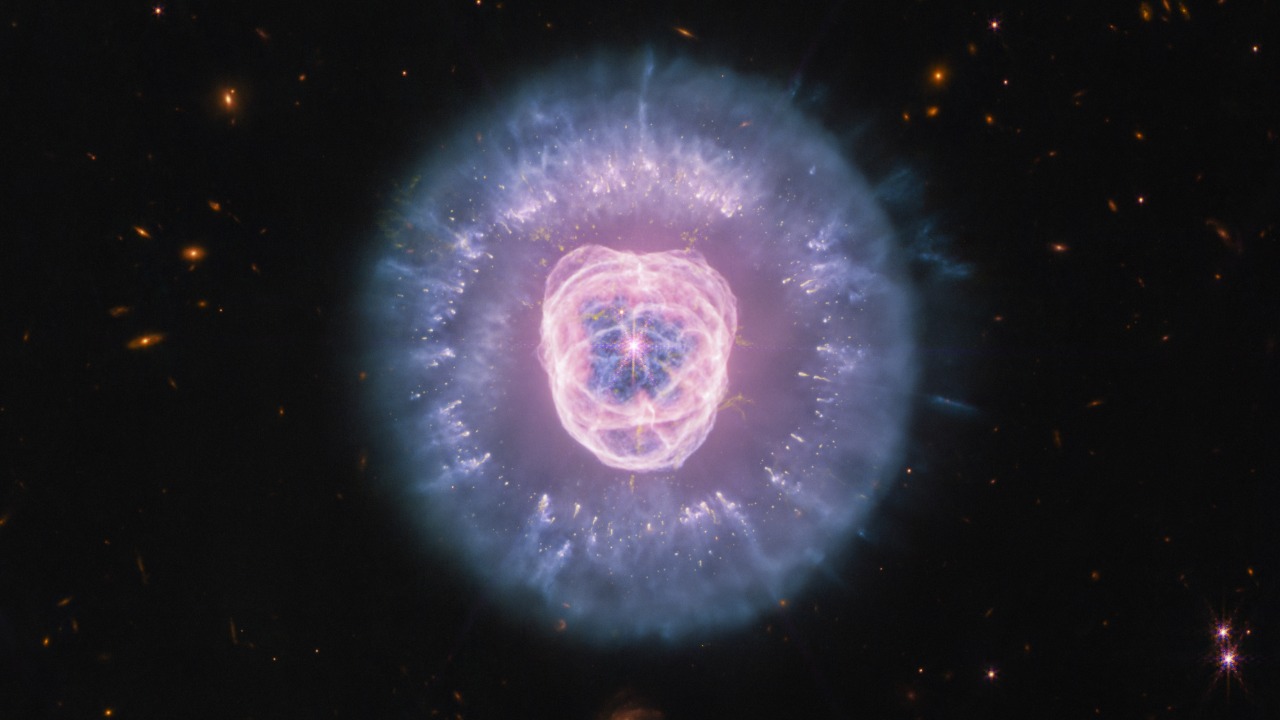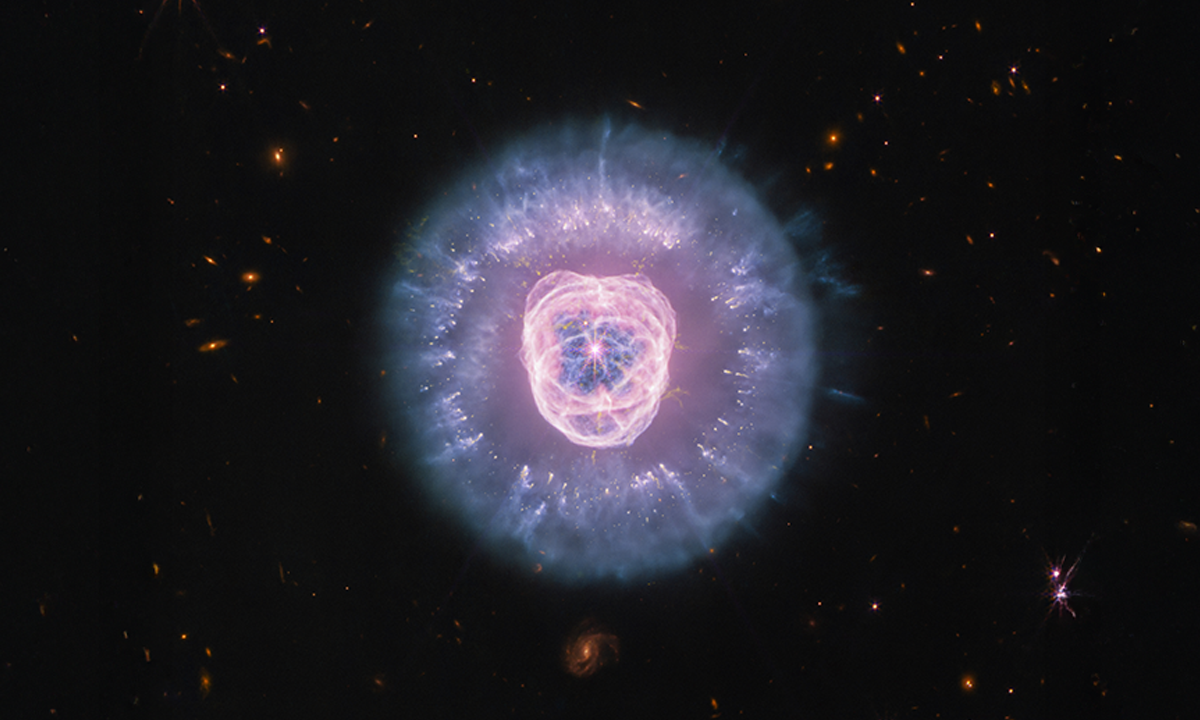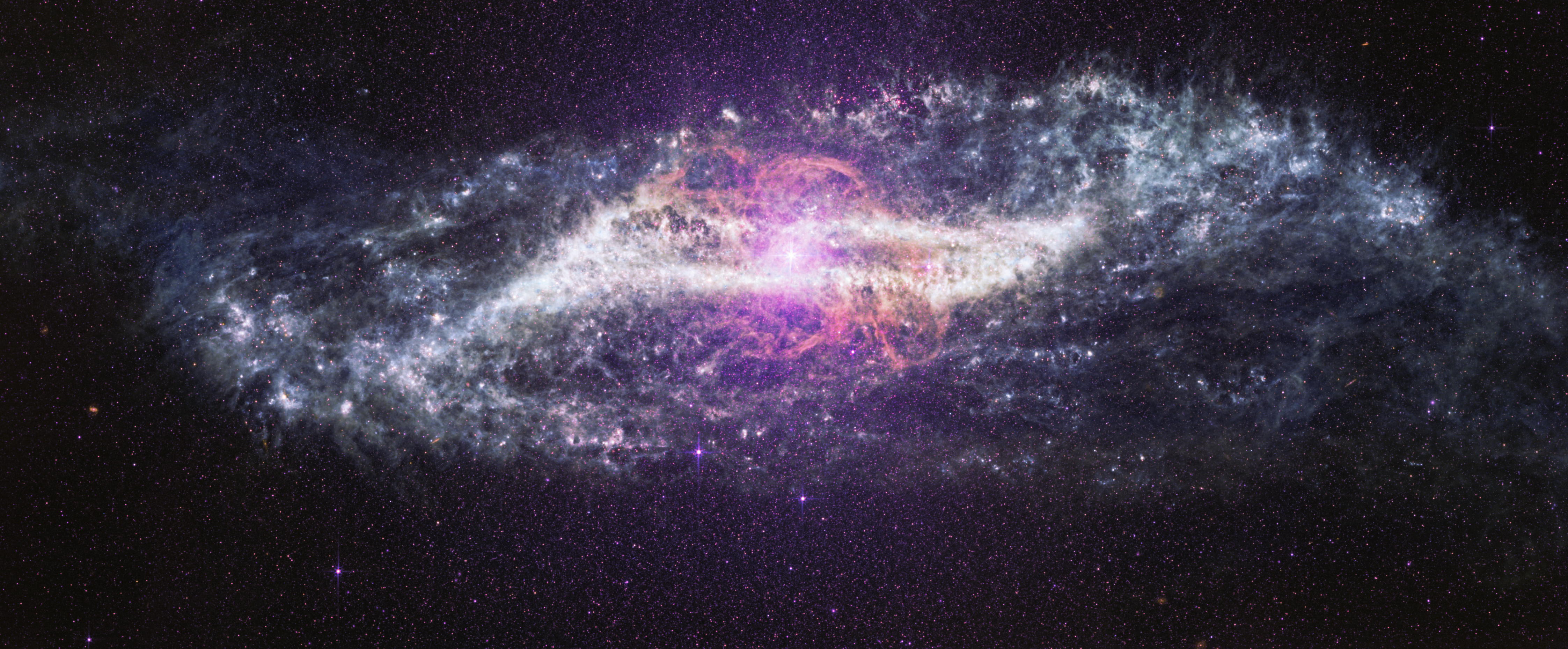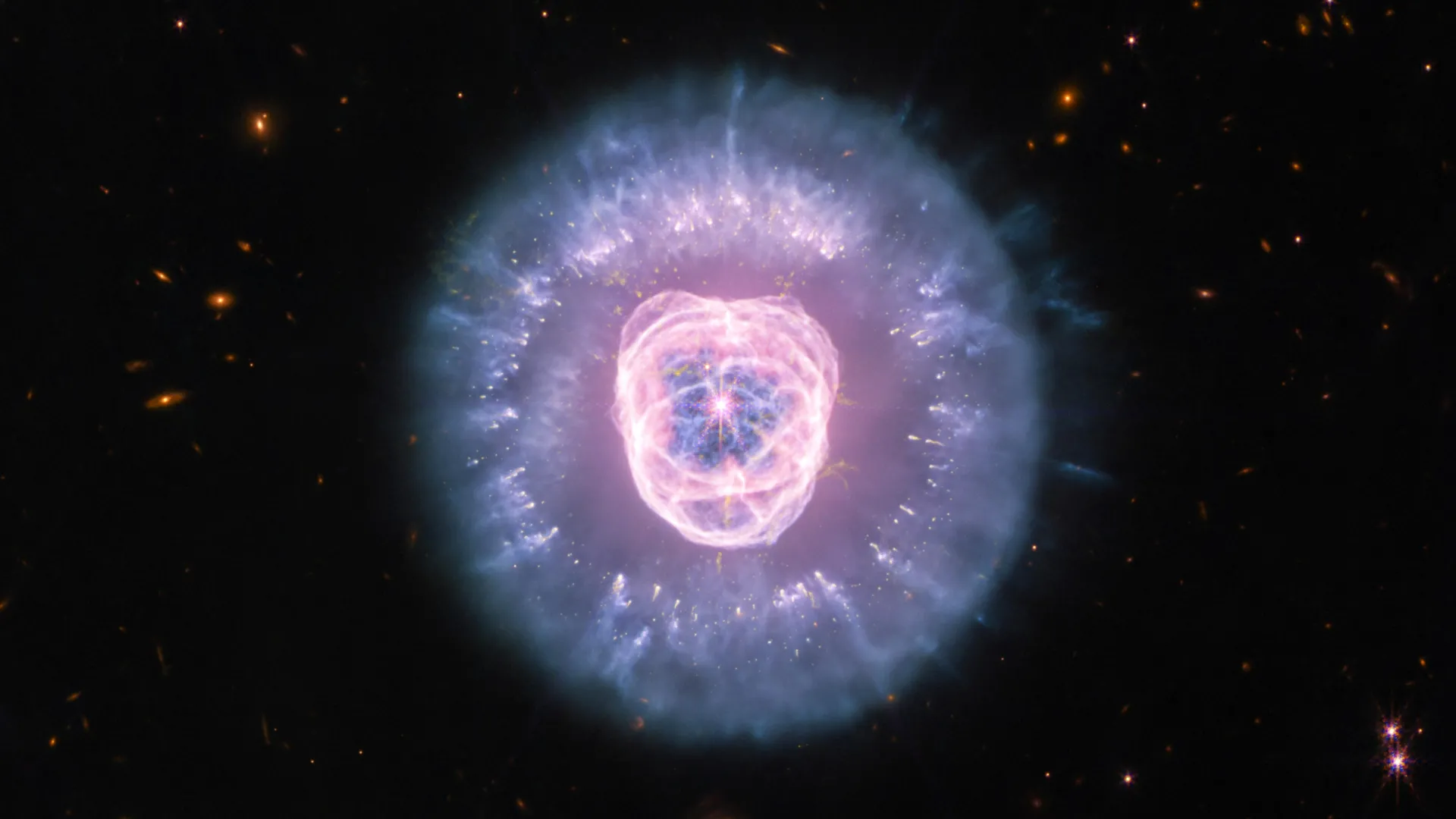
The James Webb Space Telescope has captured new images of NGC 2392, a planetary nebula commonly known as the Lion Nebula, revealing the cosmic object in striking infrared detail.
The Hubble Space Telescope previously observed the nebula in 2000, imaging the lion face-shaped target in visible light. Those observations highlighted its distinctive appearance, including a "mane" made up of hazy structures resembling comet tails. Webb's high-resolution instruments now provide an even sharper look at the same object.
Webb Reveals Hidden Details in the Lion Nebula
In broad terms, the Lion Nebula looks similar in Webb's infrared observations to the structure seen earlier by Hubble. Webb observed it with both NIRCam (Near Infrared Camera) and MIRI (Mid Infrared Instrument). Its infrared capabilities, however, bring out features that are harder to see in visible light, including dense concentrations of dust and hazy regions of ionized gas.
The gas and dust now forming the nebula have been evolving for several thousand years. Even today, those materials continue to shift and change.