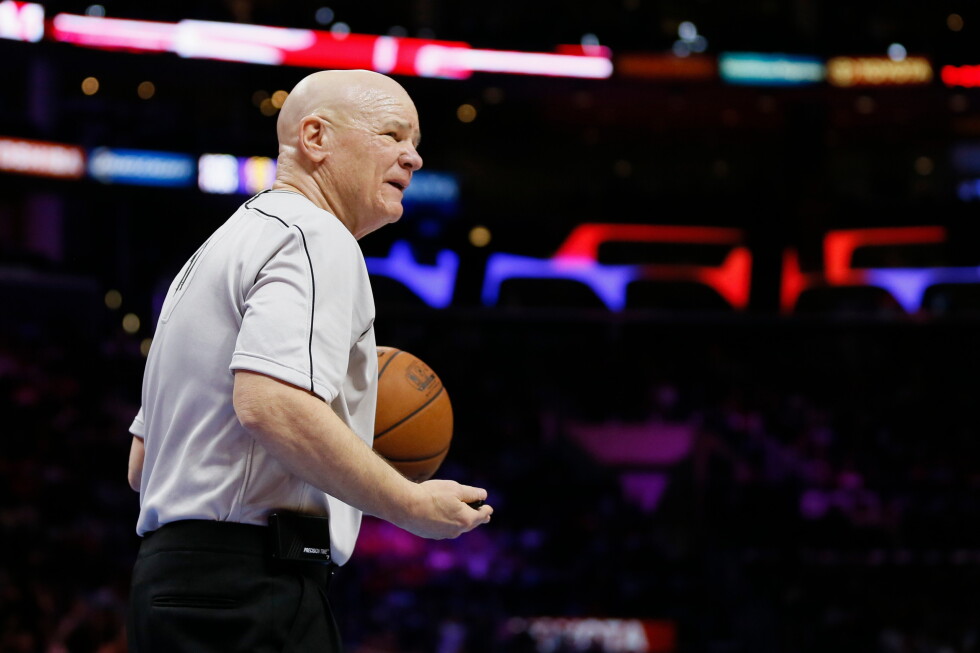
Joey Crawford had no backup plan.He would watch Philadelphia 76ers games in the 1960s, and probably unlike most kids growing up in that area around that time he had no aspirations of becoming the next Wilt Chamberlain or Billy Cunningham.Crawford was the son of a baseball umpire — Shag Crawford worked in the National League for about 20 years. And that’s why, when watching basketball, Joey Crawford was drawn to the referees. It was the family business.“My father was a pro and he would be pointing out Mendy Rudolph, Richie Powers, Earl Strom,” Crawford said, referring to some of the game’s most prominent referees of that era. “I’d just be watching them. And my father, he’s hitting me with the sledgehammer: ‘You’re not gonna play professional baseball, you’re not gonna play professional baseball.’ He wasn’t going to let me be that guy. So, I just earmarked refereeing.”
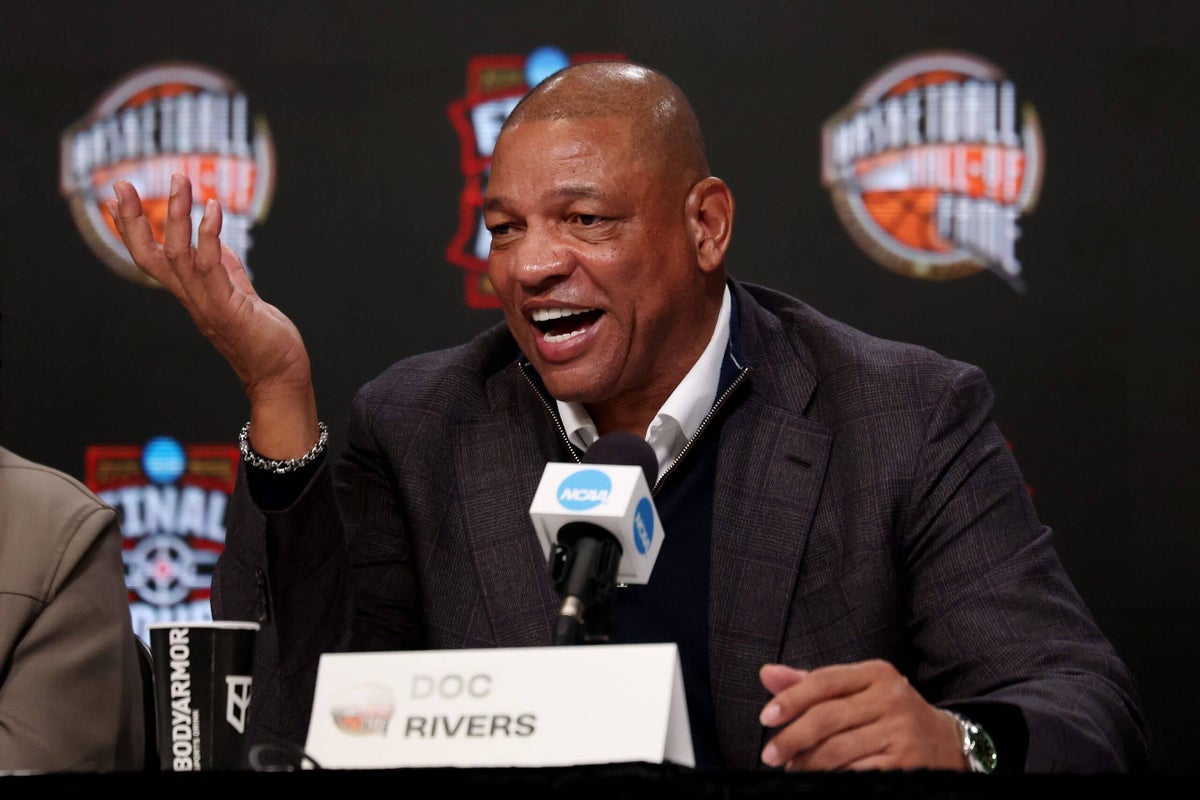
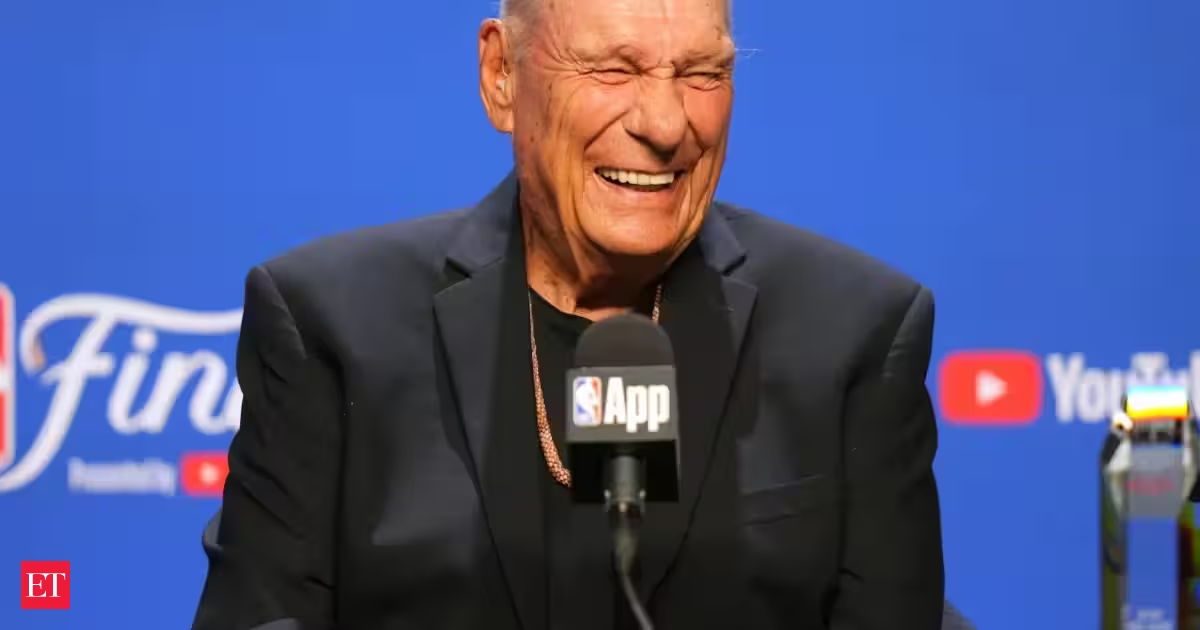
He was 13 years old. His mind was made up. Refereeing would be his path.Little did he know it would take him to the Hall of Fame.More than a decade after his final NBA game, Crawford is getting enshrined in this year’s Naismith Memorial Basketball Hall of Fame class. The Hall is reserved for the best of the best, the elite, and for referees the club is especially elite — with fewer than two dozen people getting enshrined because of their work with whistles.“With Joey, especially if you were away from home, you had a chance to win,” said longtime NBA coach Mike D’Antoni, another member of the Hall’s Class of 2026. “He was going to call the game the way it should be called, whether it’s home or away.”