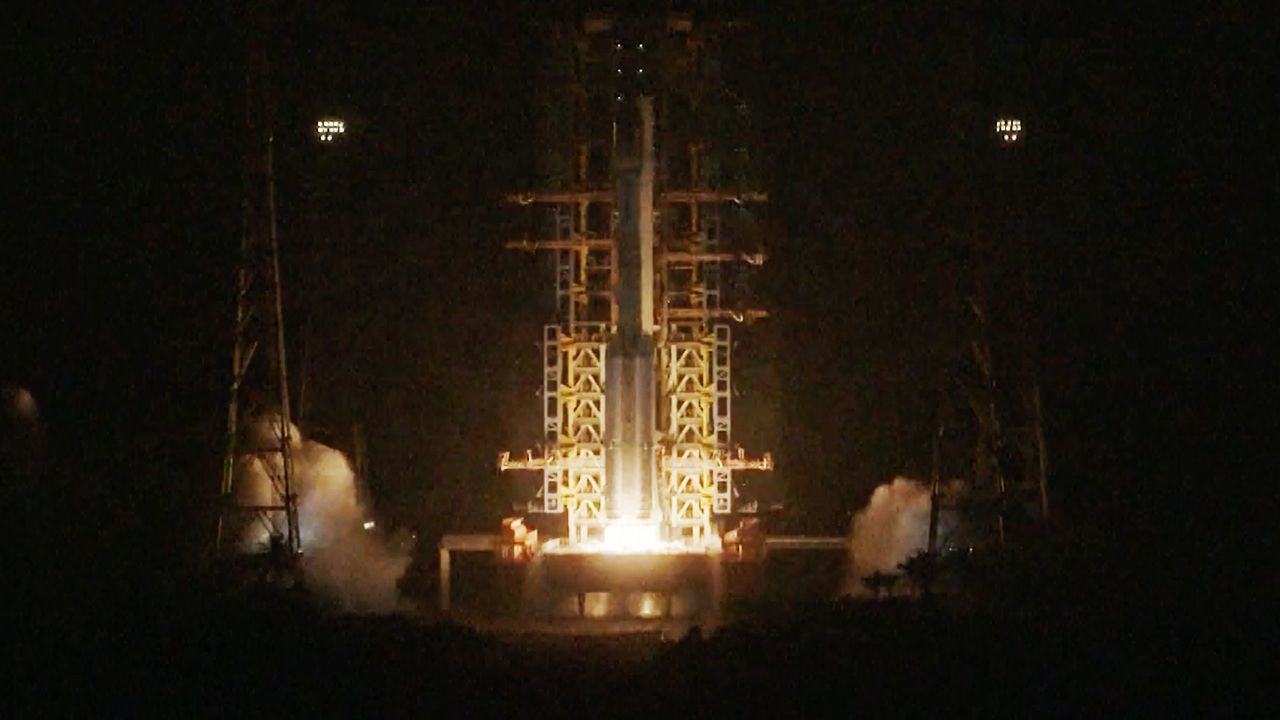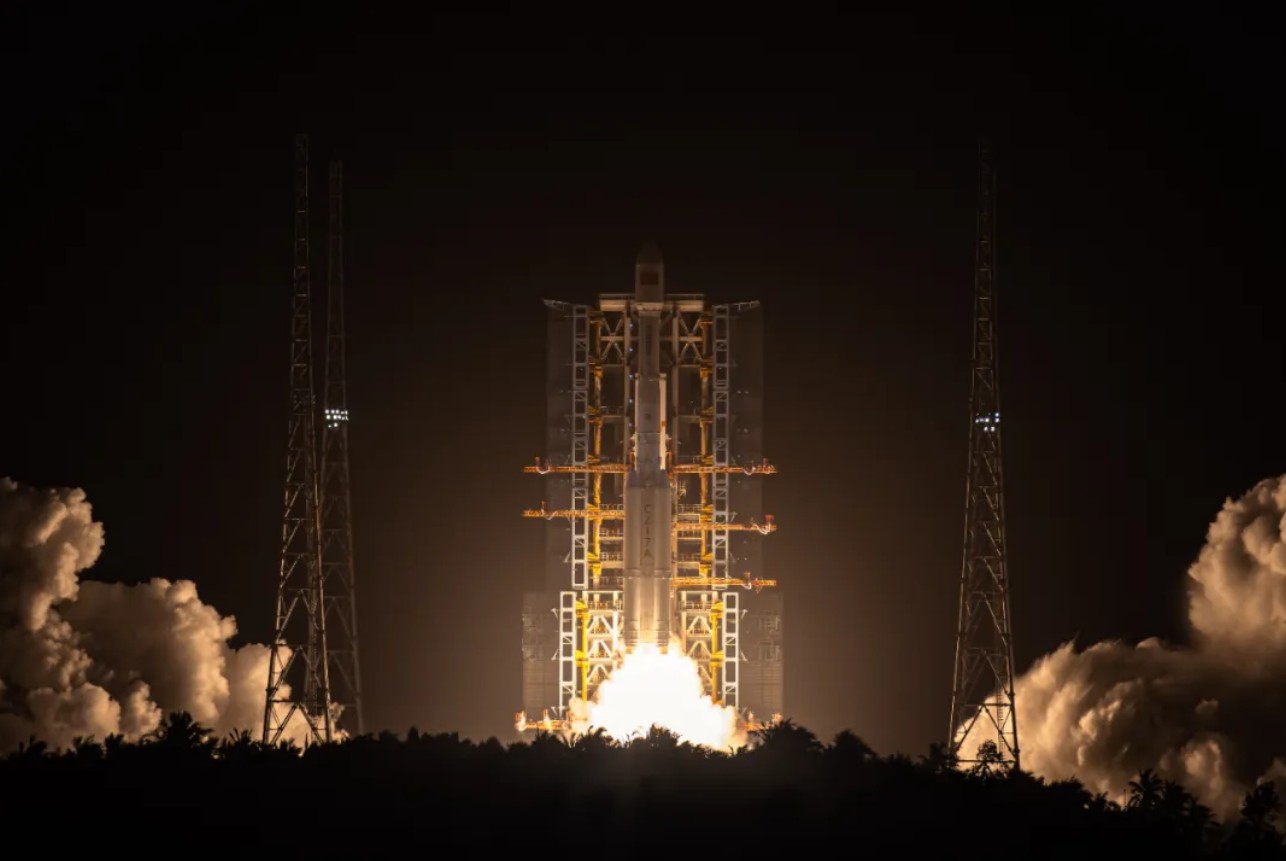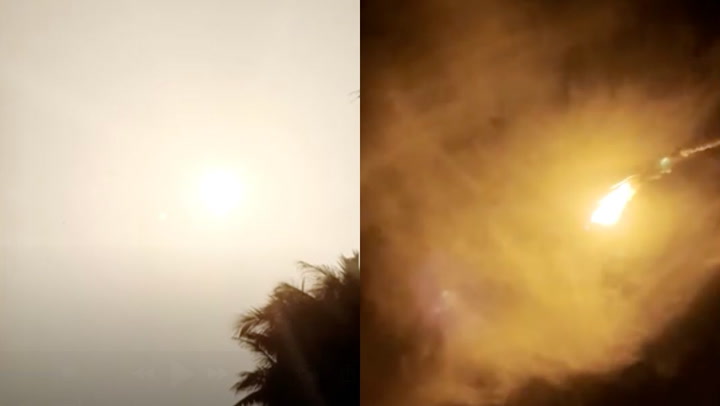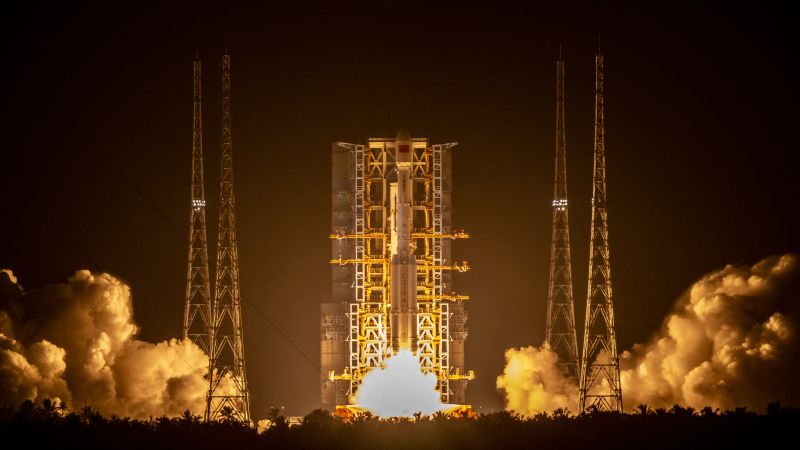
BEIJING: A fiery explosion ended the Long March 7A rocket’s run of successful missions stretching over five years, but the real measure of the setback for China’s space programme will depend on what exactly went wrong, say analysts.They add that whether Monday’s (Aug 10) failure proves to be relatively contained or reverberates through China’s busy launch programme hinges on a crucial distinction: Is the fault specific to that model, or does it involve hardware and systems shared with other rockets?“If it is specific to the 7A, the effects could remain quite contained,” Svetla Ben-Itzhak, an assistant professor of space and international relations at Johns Hopkins University’s School of Advanced International Studies (SAIS), told CNA.While failure is part and parcel of spaceflight, the latest mishap raises fresh questions over the reliability of the Long March 7A, considering its established track record, experts said.
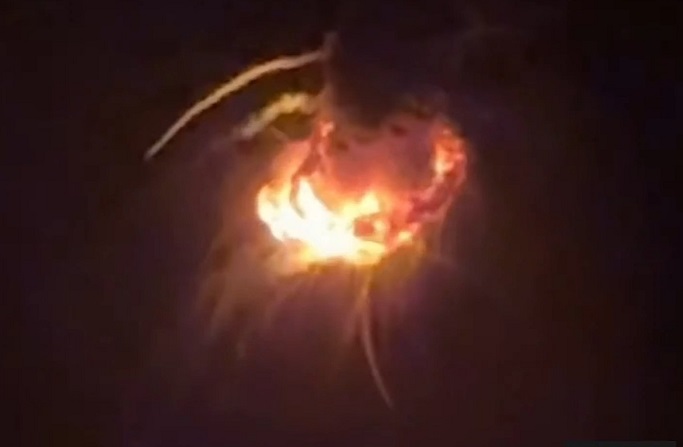
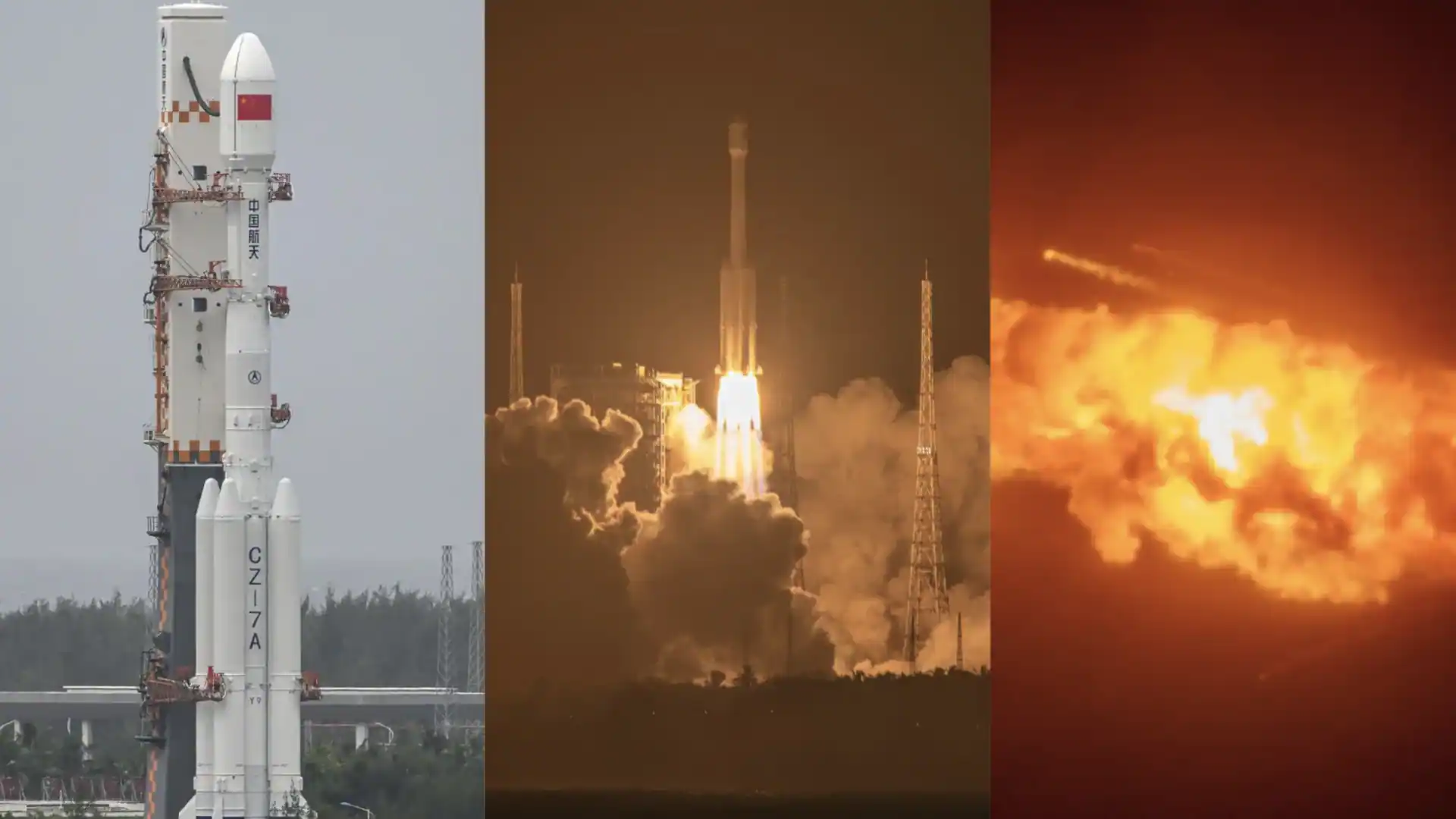
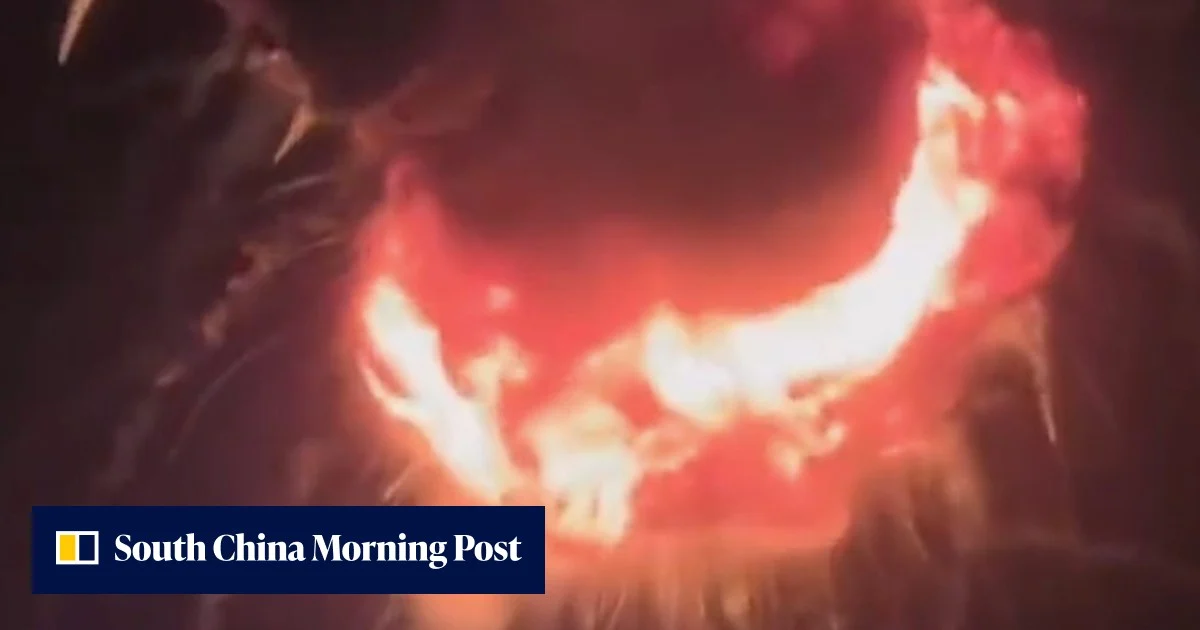
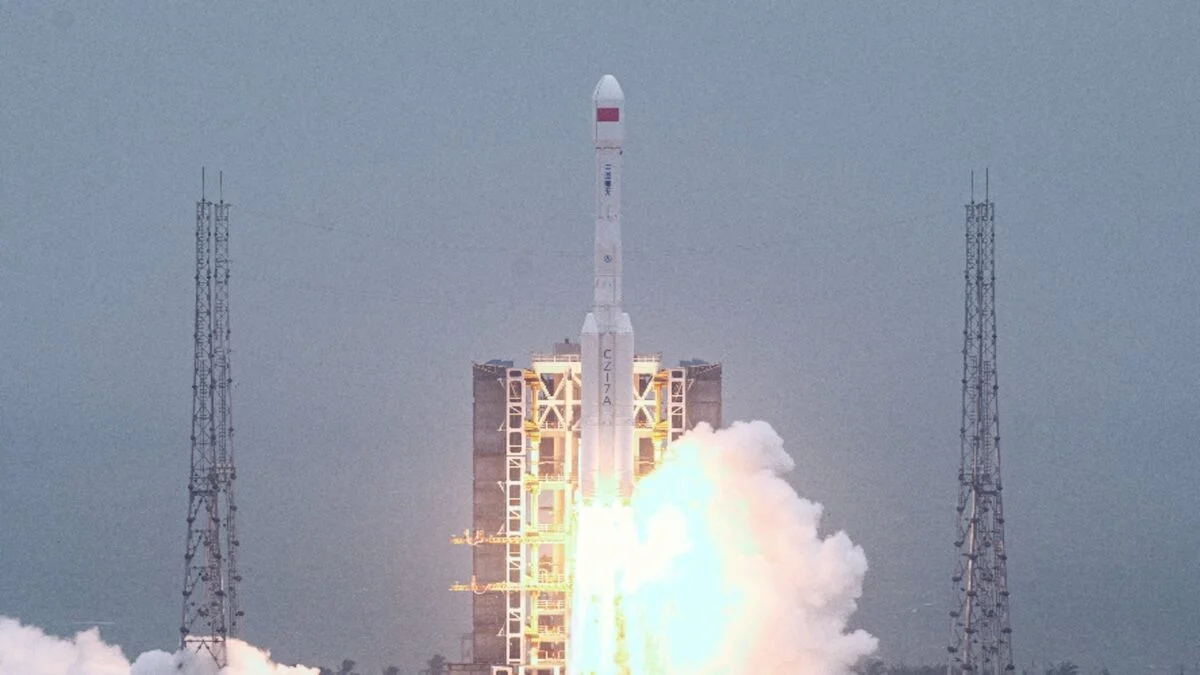
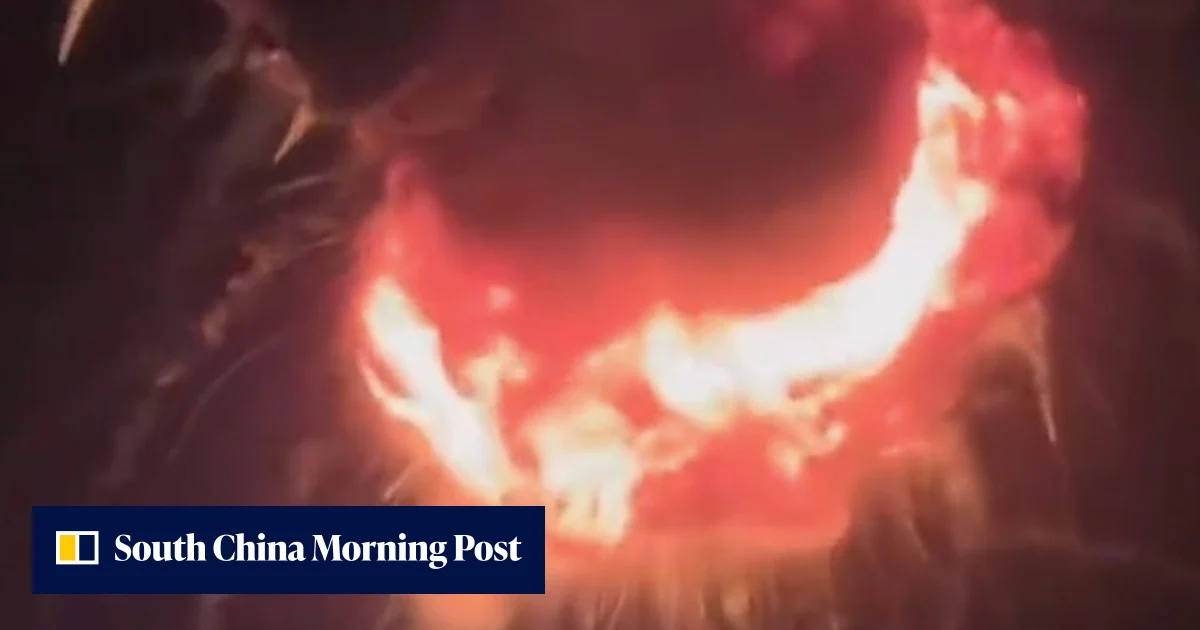
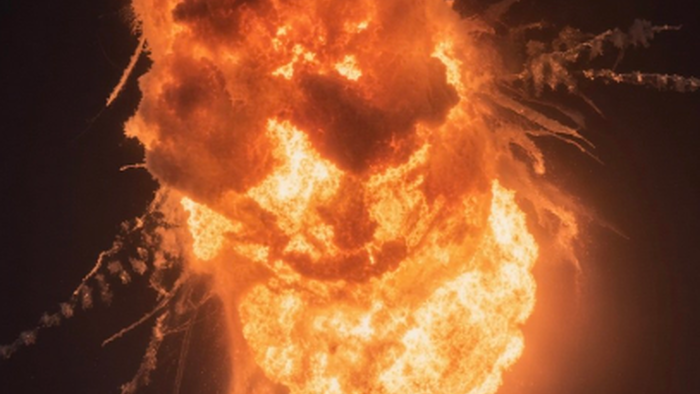
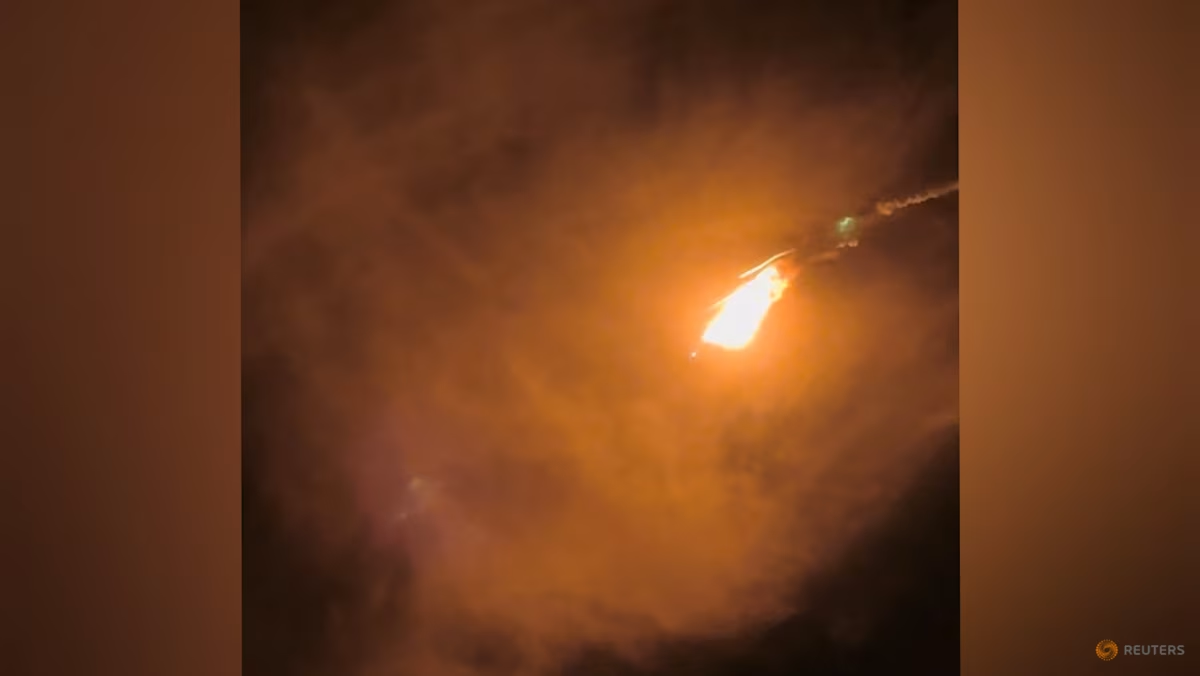
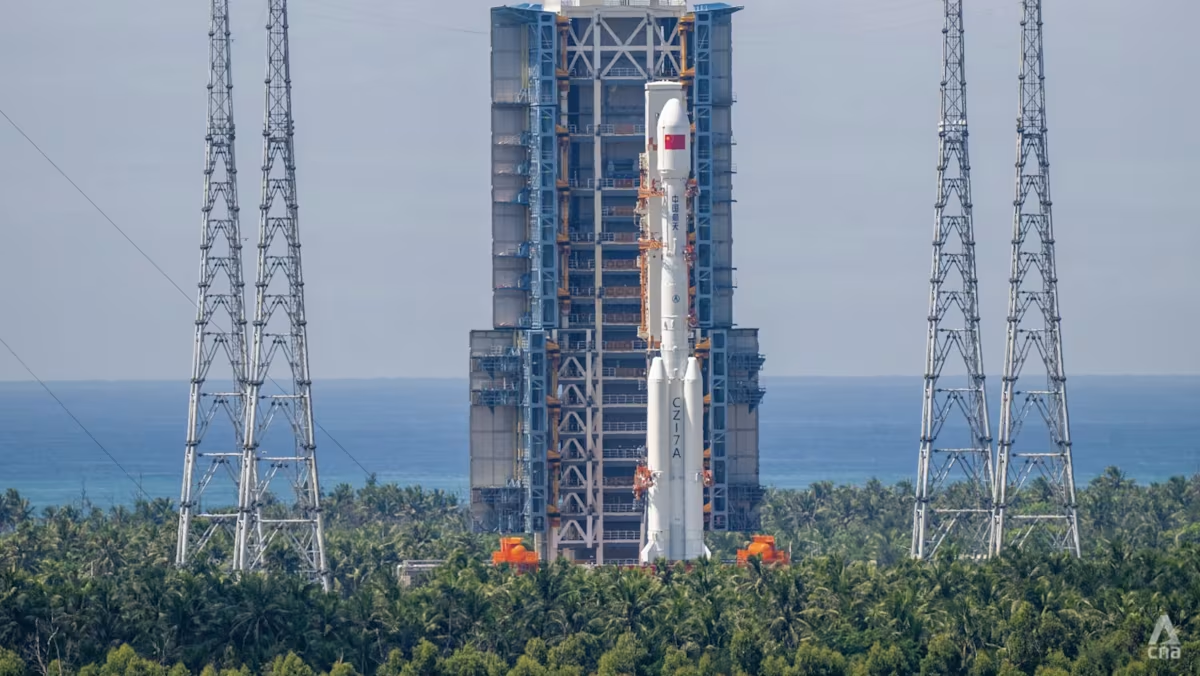
“Is it a basic design flaw and they were just lucky and near the edge of failure on the previous … launches, or was it an assembly process error or software error that is easy to remedy?” Jonathan McDowell, an astrophysicist and veteran spaceflight observer, told CNA.A STUMBLE IN THE LONG MARCHThe Long March 7A - a medium-lift rocket primarily used to send satellites into high orbit - is a new-generation member of the Long March family of rockets that has long propelled China’s national space programme.Monday evening marked the Long March 7A’s 18th mission - and its second failure since an unsuccessful maiden flight more than six years ago.The rocket erupted into a huge fireball on Monday less than 90 seconds after blasting off from the Wenchang space launch site in Hainan province. Its payload, the ChinaSat-4B communications satellite, was lost.