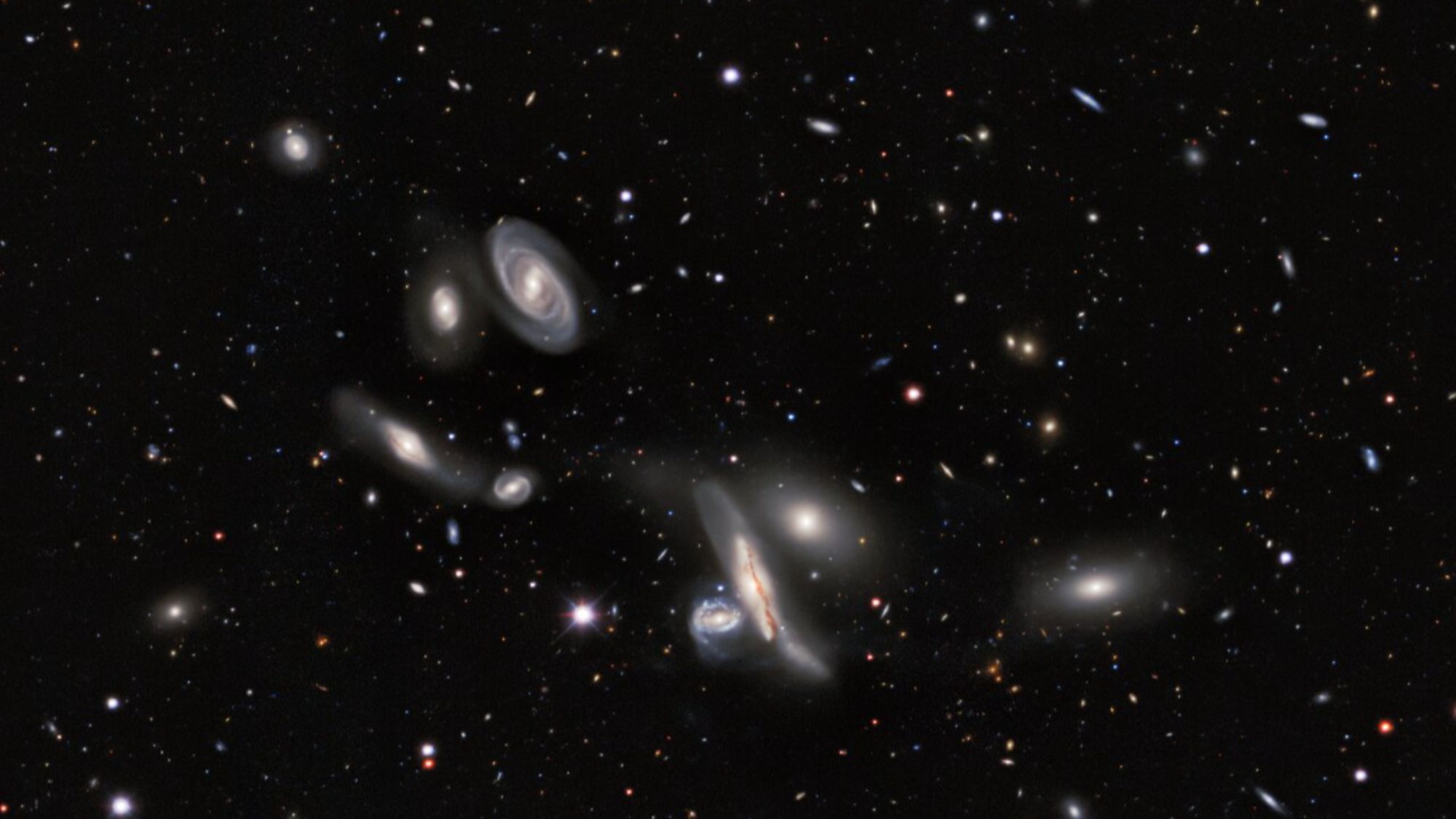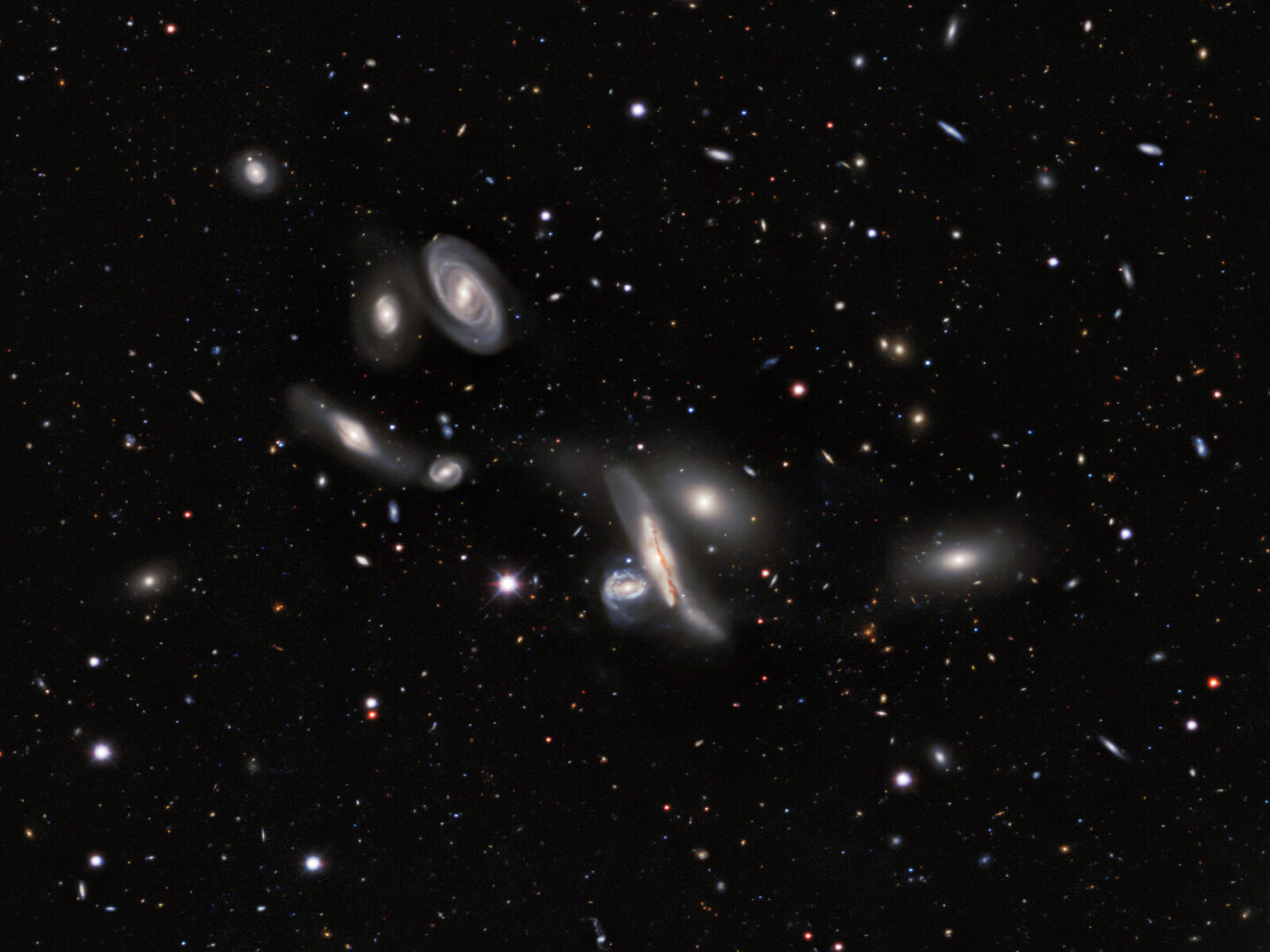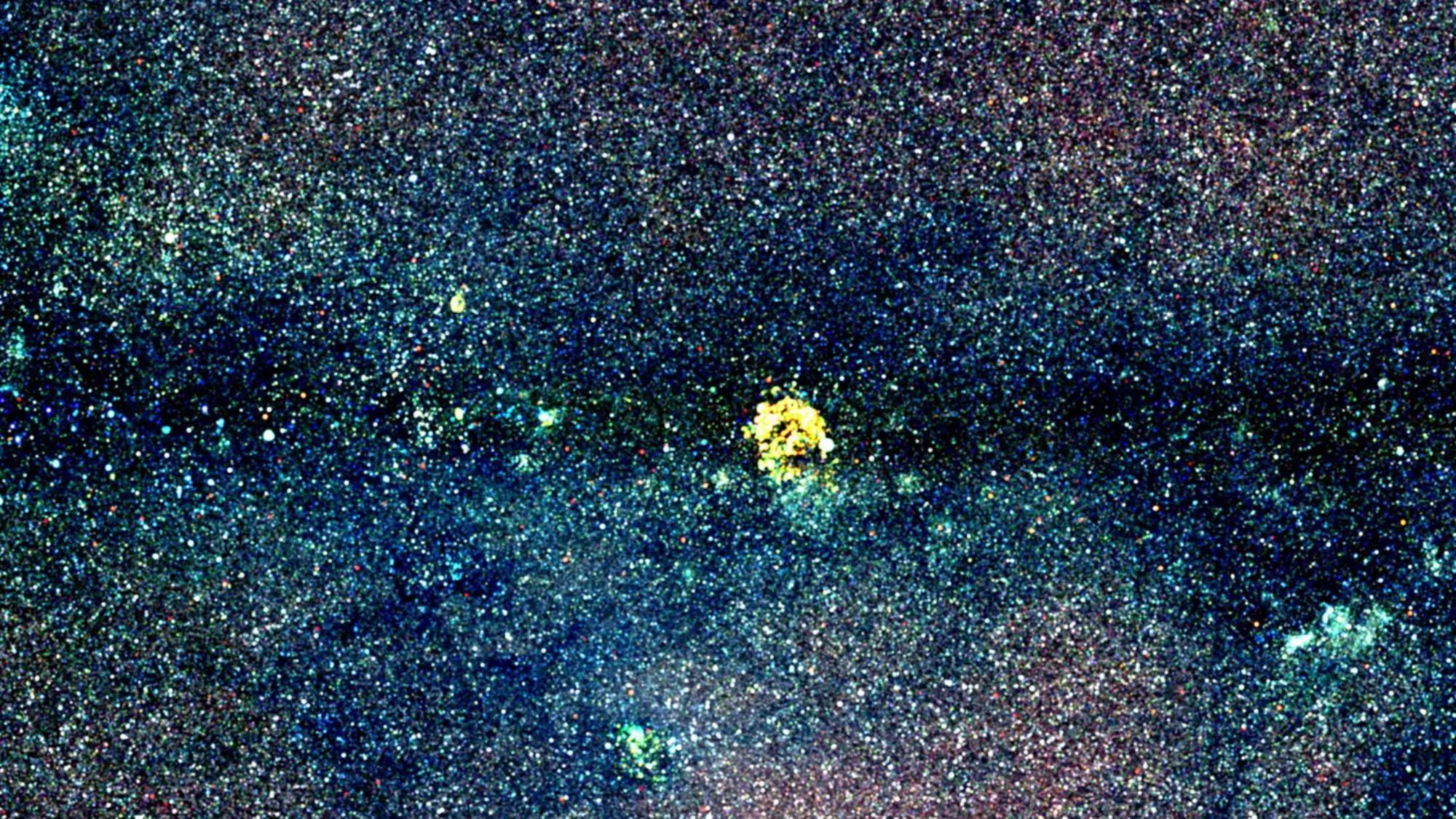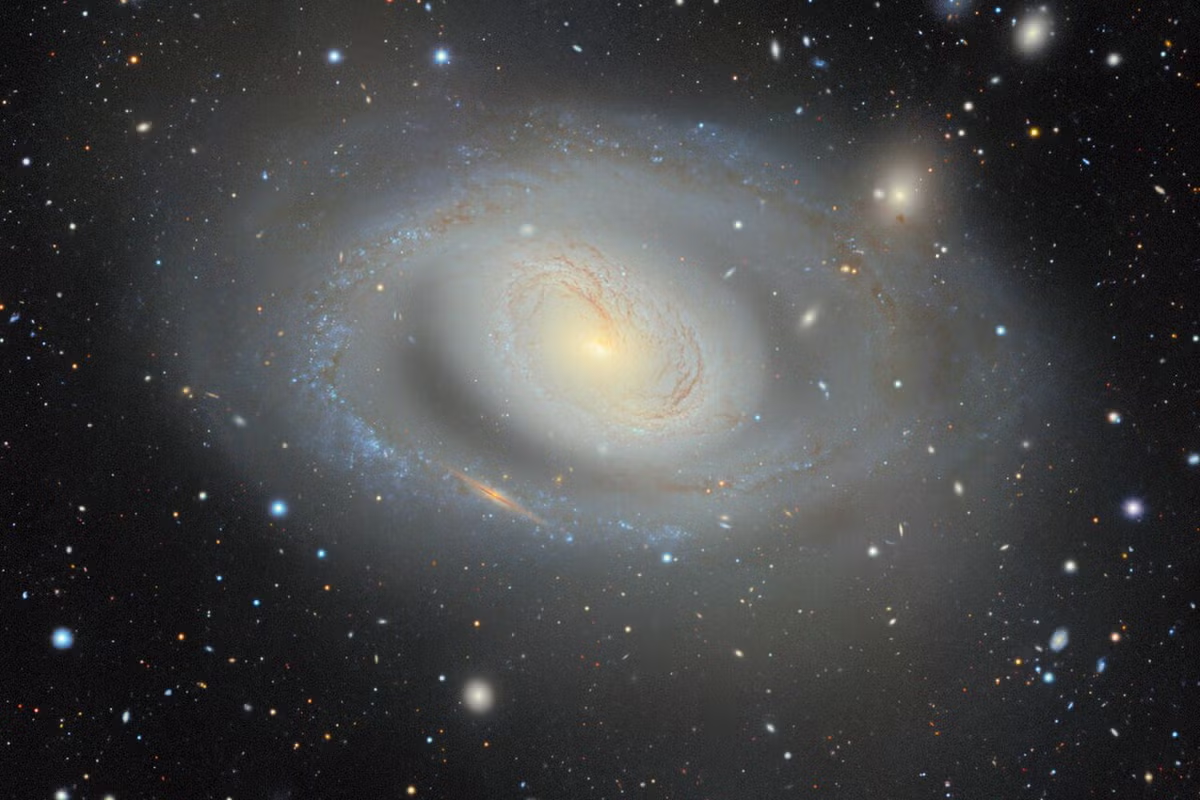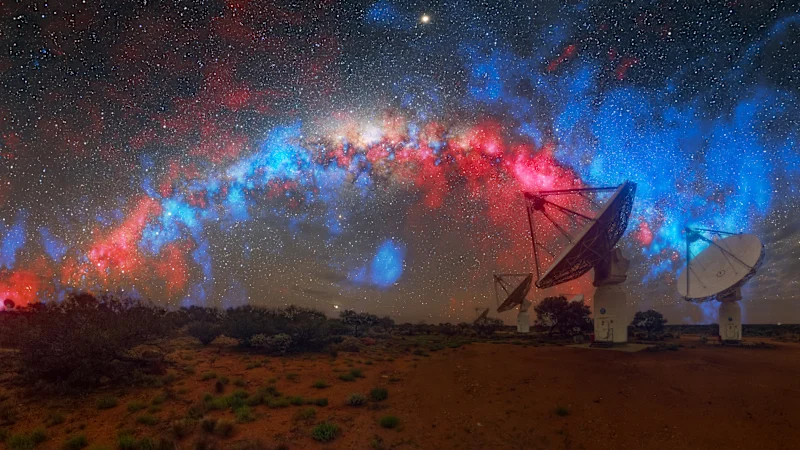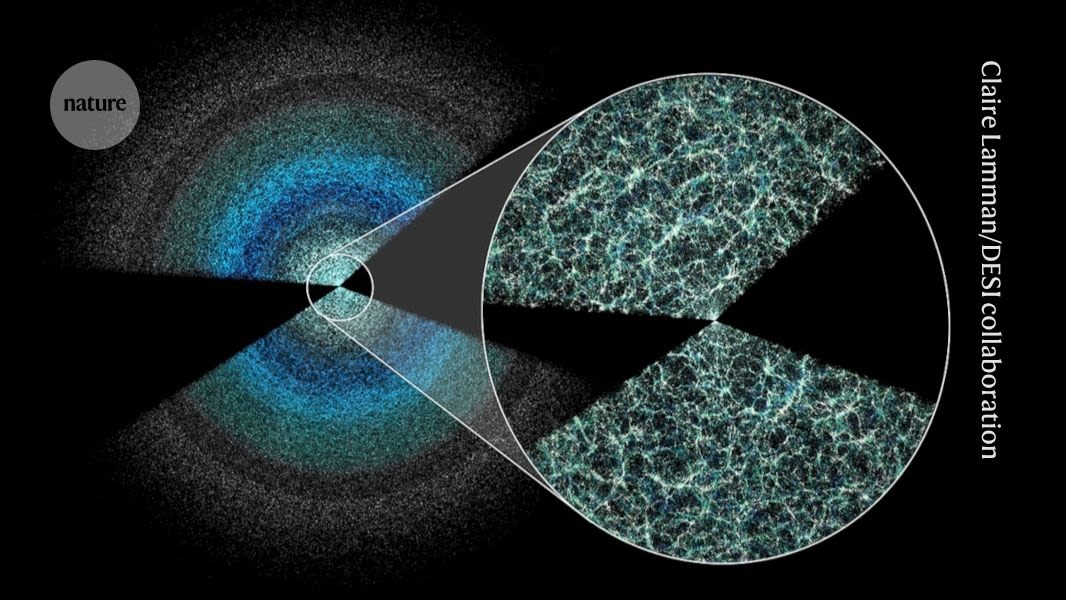
Jump to contentThank you for registeringPlease refresh the page or navigate to another page on the site to be automatically logged inPlease refresh your browser to be logged inAllNewsSportCultureLifestyleAstronomers have published the largest two-dimensional map of the universe, featuring nearly four billion celestial objects including stars, galaxies and supernovae. The 5.6-trillion-pixel map took 13 years to complete, covering 75 per cent of the sky using data from telescopes in Arizona and Chile. Created by the DESI Legacy Imaging Surveys team, the map captures the cosmos in visible and near-infrared light to peer through Milky Way dust. Researchers expect the project to remain the most comprehensive 2D map of the universe for years to come. The dataset will aid investigations into dark matter, dark energy and gravitational lenses, whilst helping to train artificial intelligence models for future discoveries. In fullScientists just released the biggest two-dimensional map of the universeMore bulletinsThank you for registeringPlease refresh the page or navigate to another page on the site to be automatically logged inPlease refresh your browser to be logged in
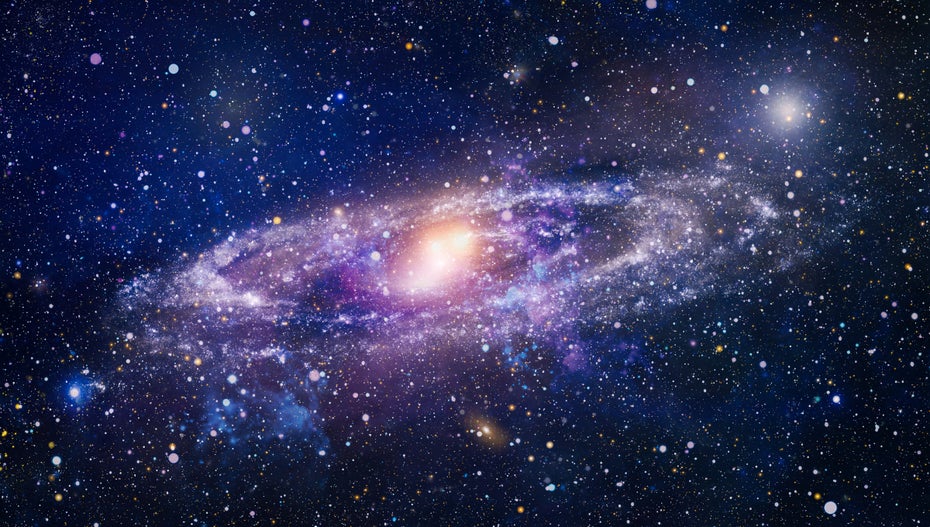
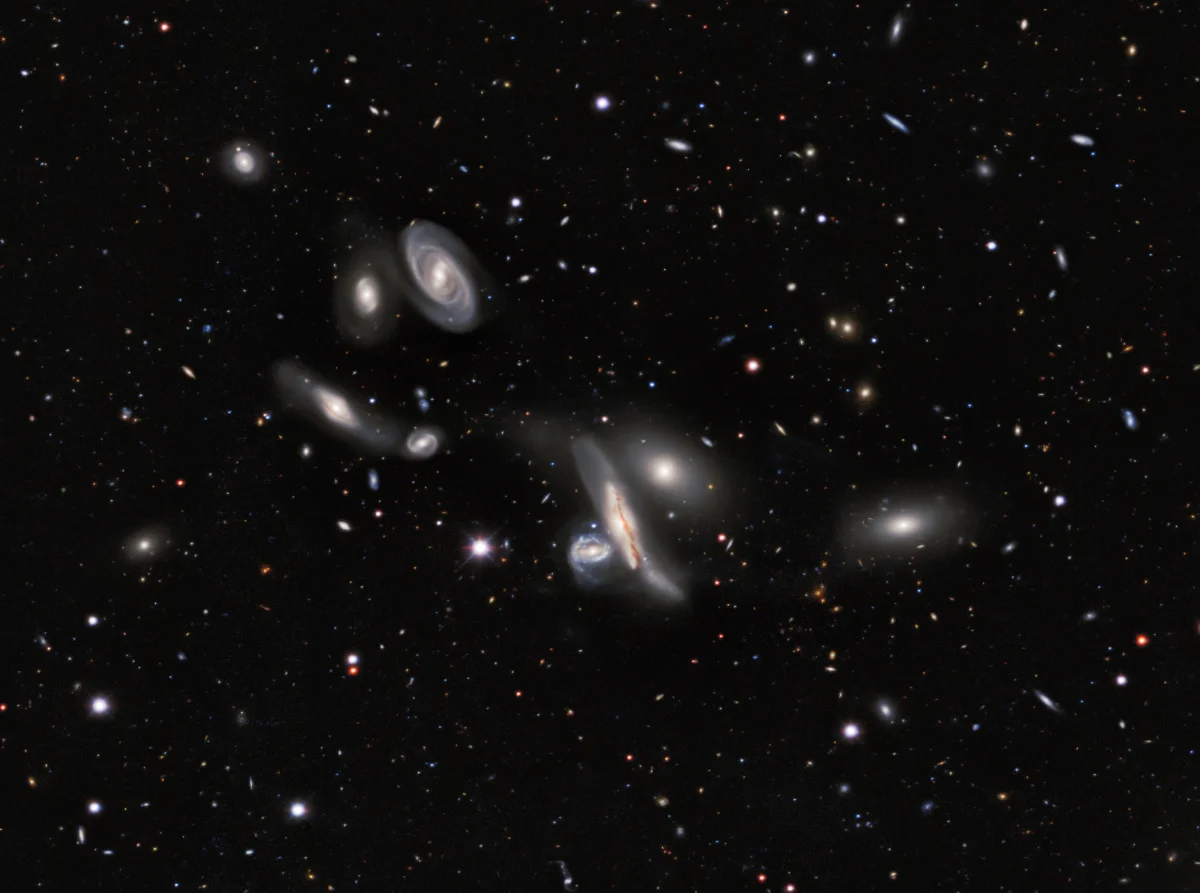
Scientists create enormous map of universe featuring 4 billion celestial objects
Jump to contentThank you for registeringPlease refresh the page or navigate to another page on the site to be automatically logged inPlease refresh your browser to be logged inAllNewsSportCultureLifestyleAstronomers have published the largest two-dimensional map of the universe, featuring nearly four billion celestial objects including stars, galaxies and supernovae. The 5.6-trillion-pixel map took 13 years to complete, covering 75 per cent of the sky using data from telescopes in Arizona and Chile. Created by the DESI Legacy Imaging Surveys team, the map captures the cosmos in visible and near-infrared light to peer through Milky Way dust. Researchers expect the project to remain the most comprehensive 2D map of the universe for years to come. The dataset will aid investigations into dark matter, dark energy and gravitational lenses, whilst helping to train artificial intelligence models for future discoveries. In fullScientists just released the biggest two-dimensional map of the universeMore bulletinsThank you for registeringPlease refresh the page or navigate to another page on the site to be automatically logged inPlease refresh your browser to be logged in