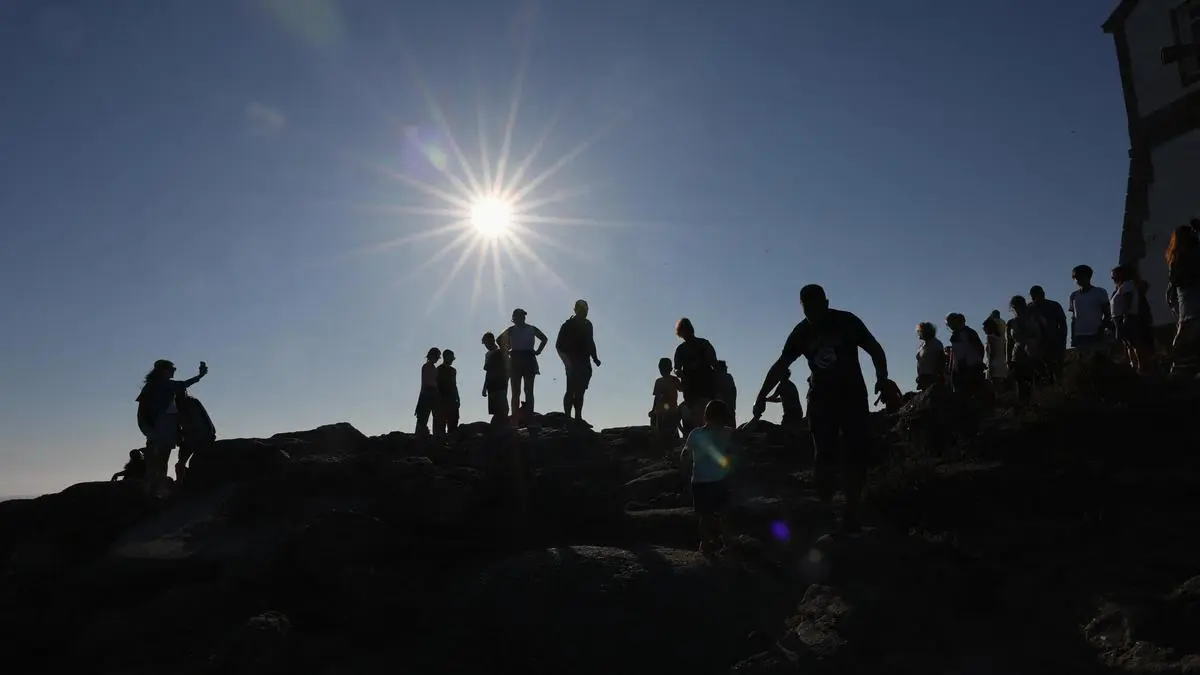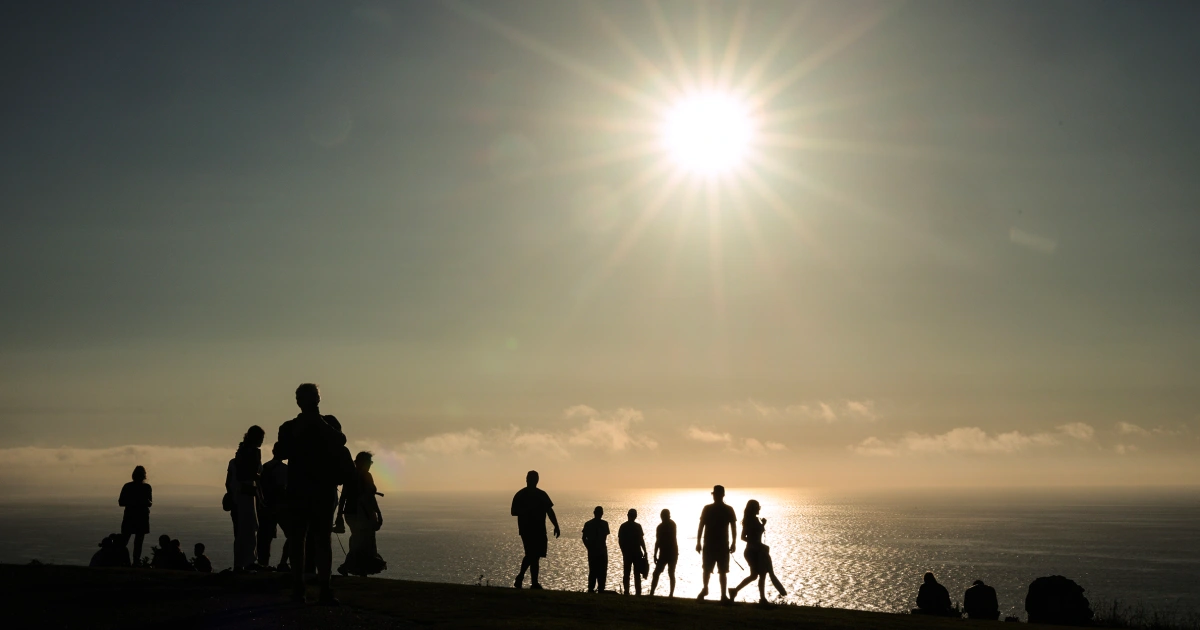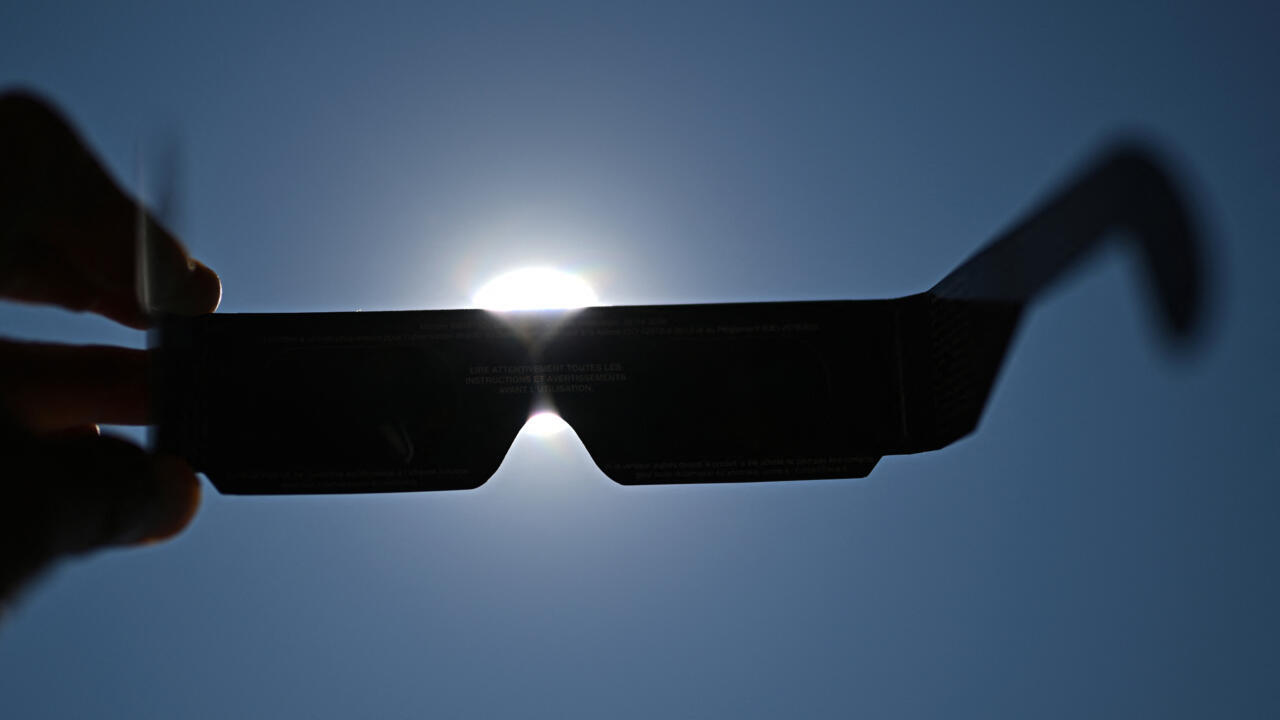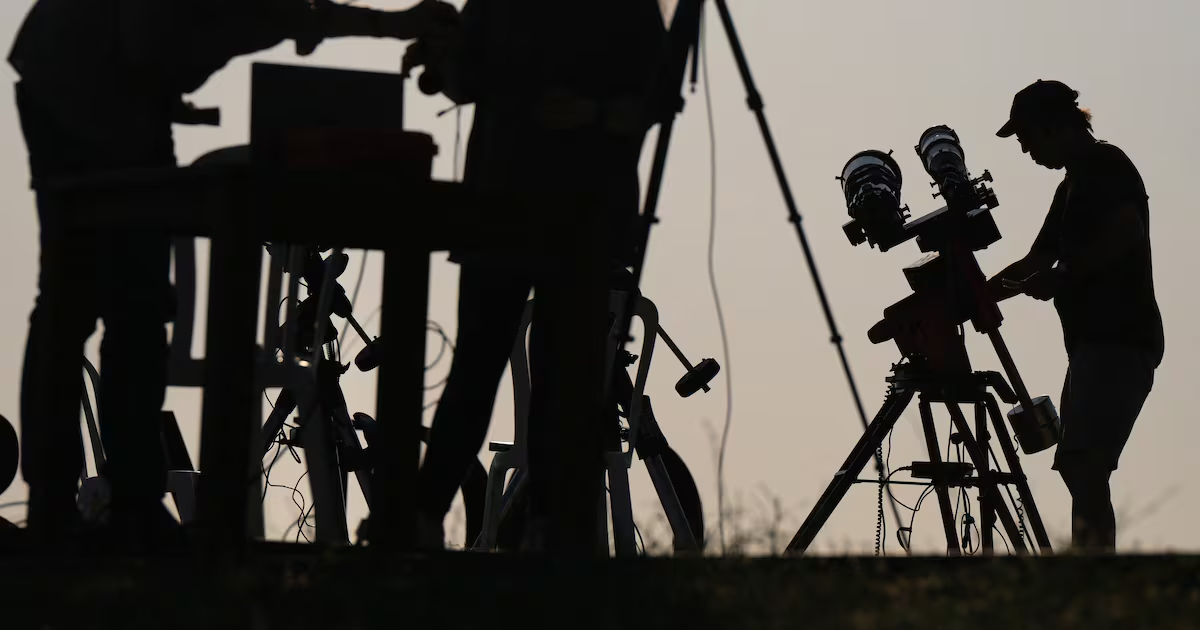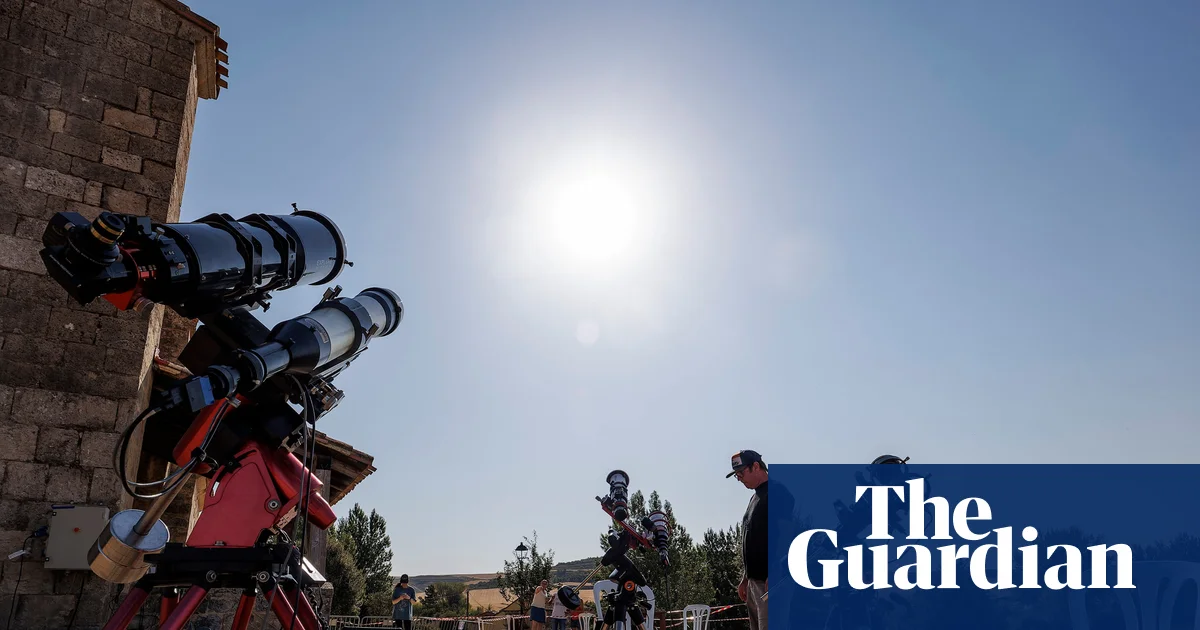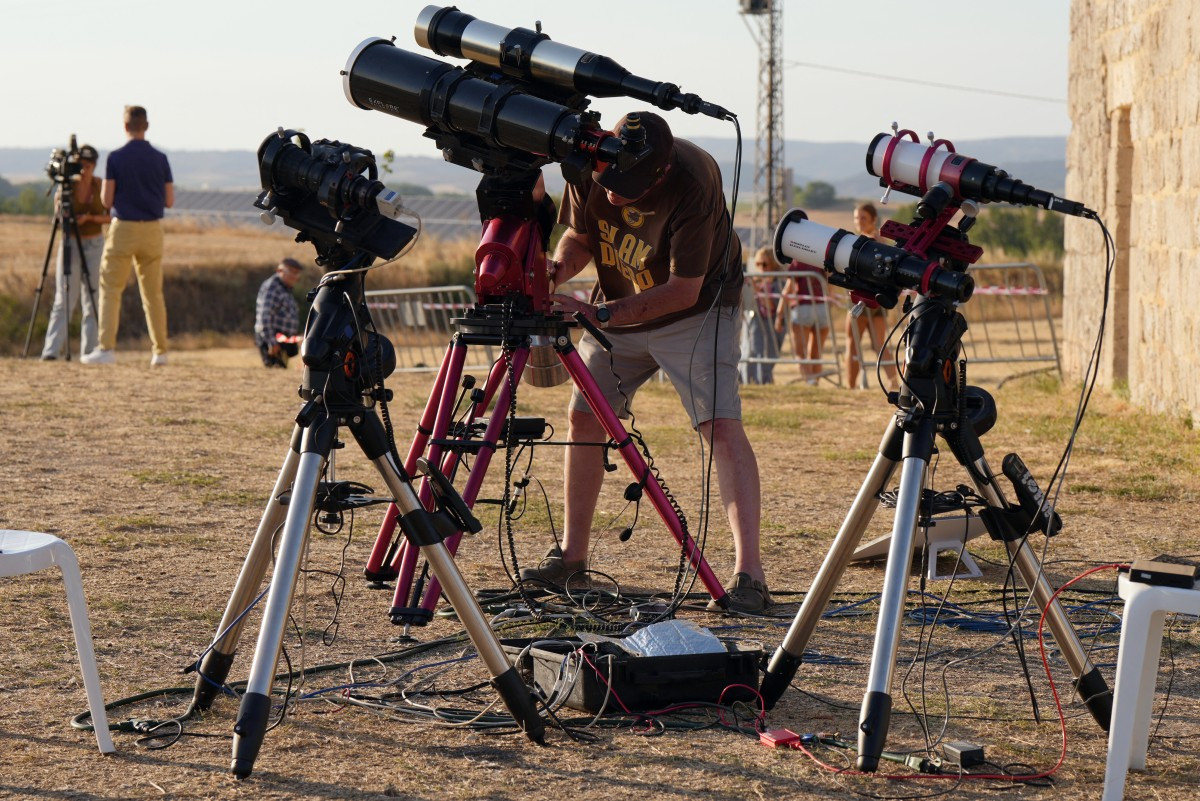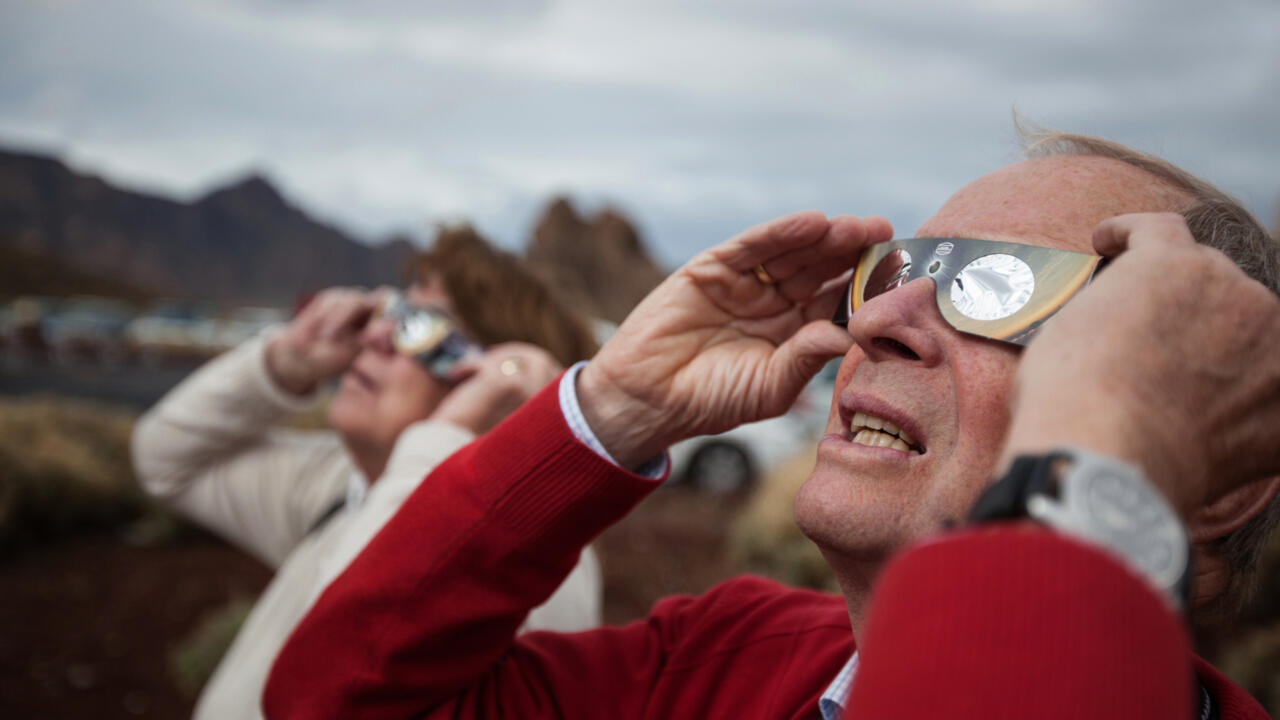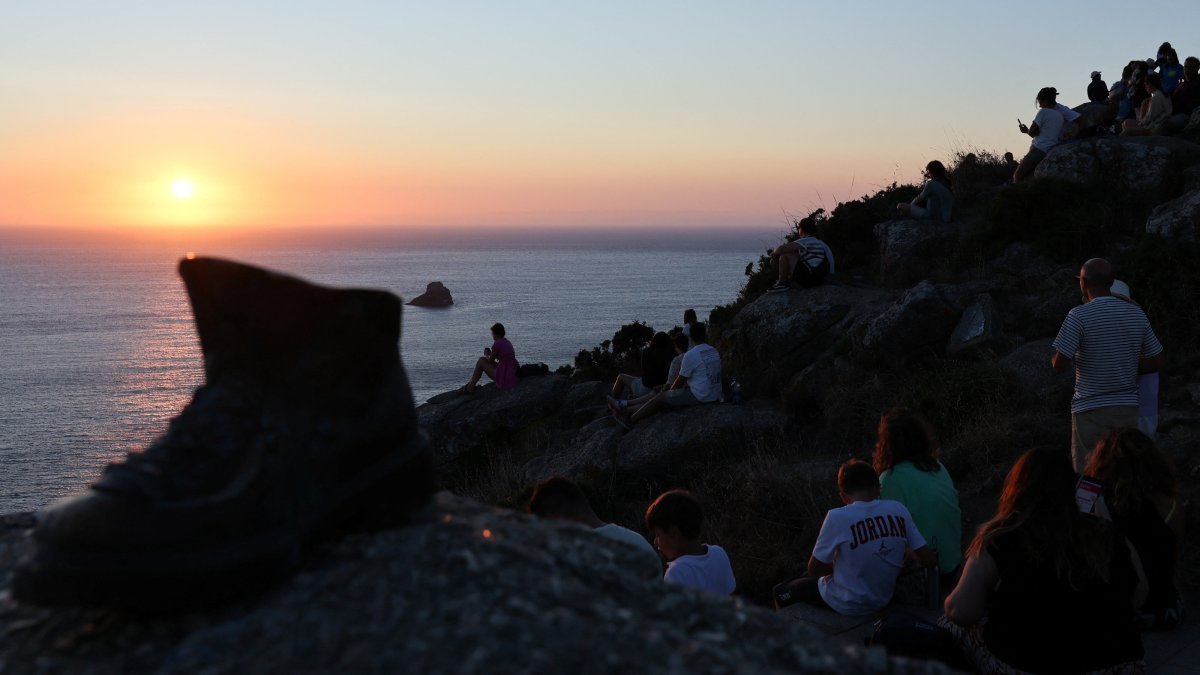
Up to 6 million visitors expected across Spain and Iceland's to witness a total solar eclipse on Wednesday, packing their protective glasses and travelling to areas where the rare astronomical event can be observed in full.
Humans' fascination with eclipses is well-documented. Historically, the sudden darkening of the sky was often interpreted as an omen, a cosmic struggle or a sign of divine power.
Modern-day skywatchers seek to experience the same uncanny sensation when day briefly turns into twilight and some animals fall quiet as the Moon passes directly between Earth and the Sun.
"I hope that tonight will see the emergence of a wonderful generation of astrophysicists," said Juan Cruz, Spain's Secretary of State for Science. "It's such a special moment."
Authorities were expecting up to 6 million visitors in mostly rural areas within the eclipse's path across northern Spain and the Balearic Islands, Cruz said. In Spain, the eclipse will be quickly followed by the sunset, making the event particularly alluring. Since this year's eclipse coincides with one of the highest-risk periods for wildfires, Spain has rolled out a massive police operation and public safety campaign. The government also views it as a chance to showcase seldom-visited regions and help address concerns about overtourism on the coast by redistributing crowds away from saturated beach resorts.