The trail starts easily enough. A rough stone path winds through Altındere National Park, beech trees closing overhead, a river rushing somewhere below the trail. It feels like a pleasant walk. Then the valley narrows, the tree cover thickens, and you look up.
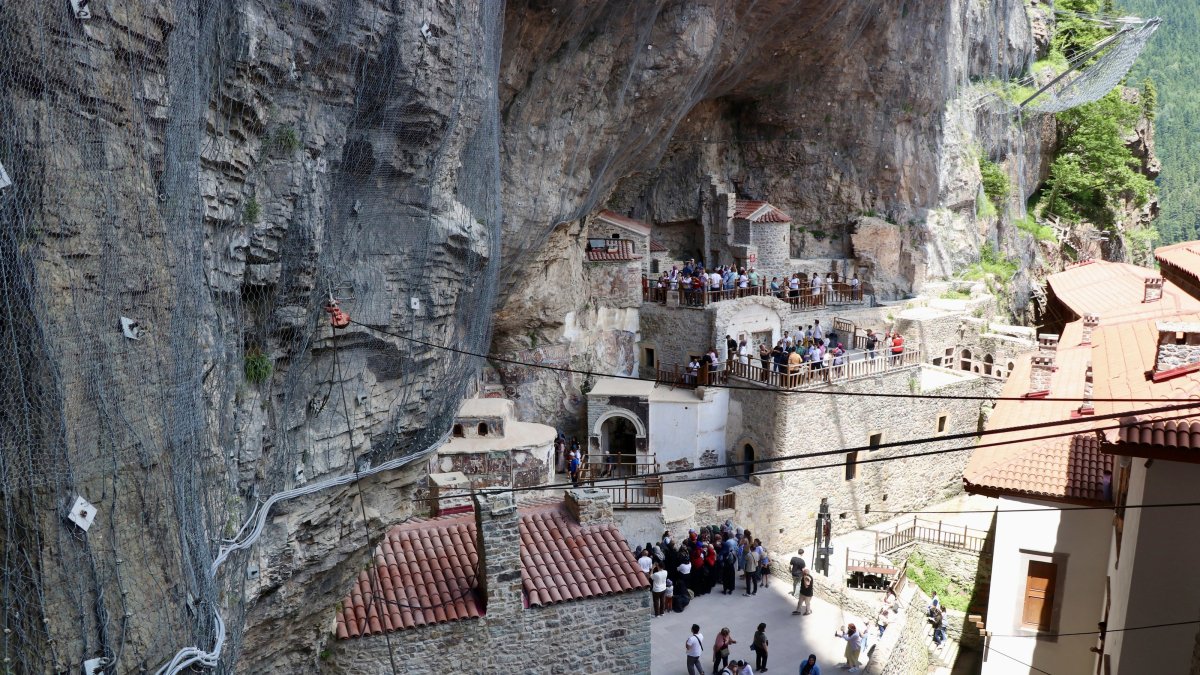
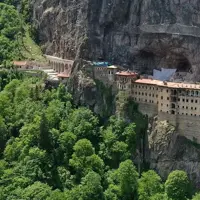
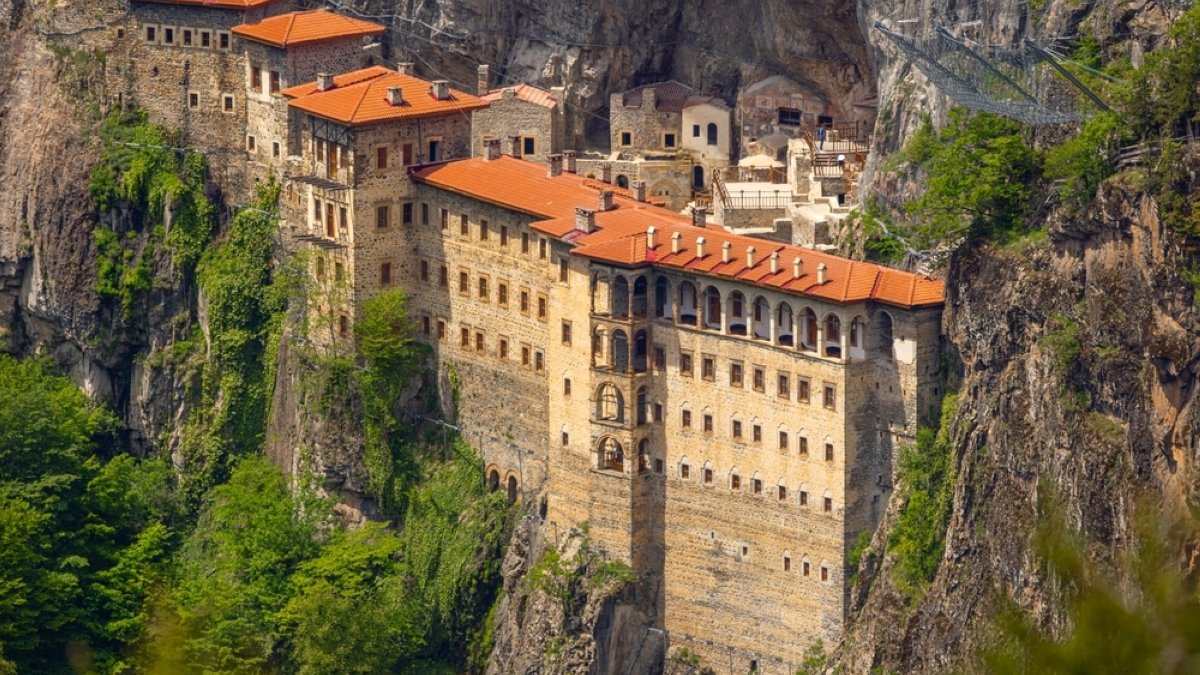
There it is: a complex of ochre and grey stone fused to the face of a cliff, 300 meters above the valley floor, as though someone simply pressed a monastery into the rock and left it there. The Sümela Monastery has stood in some form on this spot since the 4th century. Standing beneath it for the first time, you suddenly feel the weight of those 1,600 years.
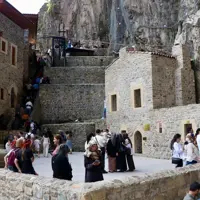
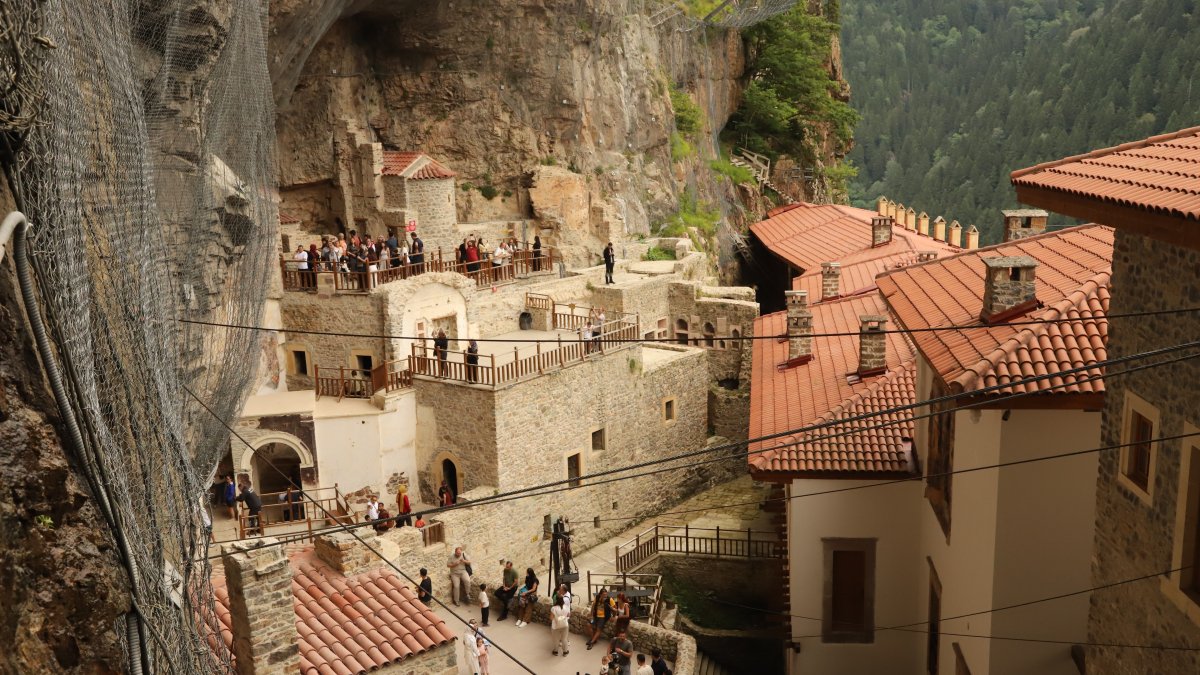
The climb to reach it sharpens the experience. Steps cut into the hillside, steep in places and slick when mountain mist settles over the trail. By the time you arrive at the monastery's lower gate, you are breathing harder than you expected. That, it turns out, is part of the point. This place was never meant to be convenient.
Built for God, not for comfort
According to tradition, Sümela was founded around A.D. 386 by two Athenian monks, Barnabas and Sophronios, who followed a vision of the Virgin Mary to this remote cliff in the Pontic Mountains. The vision led them to an icon of the Virgin Mary, traditionally attributed to the Apostle Luke and believed to have miraculously arrived at the site.