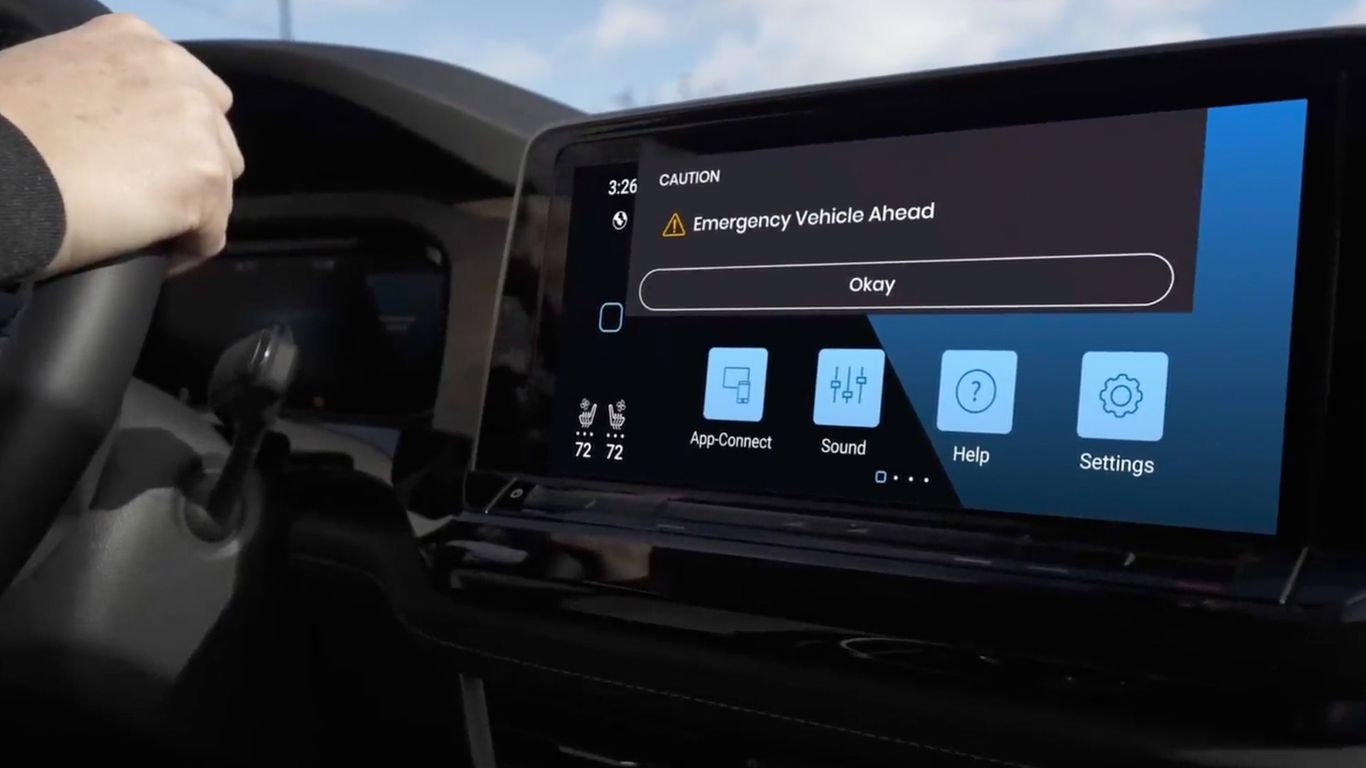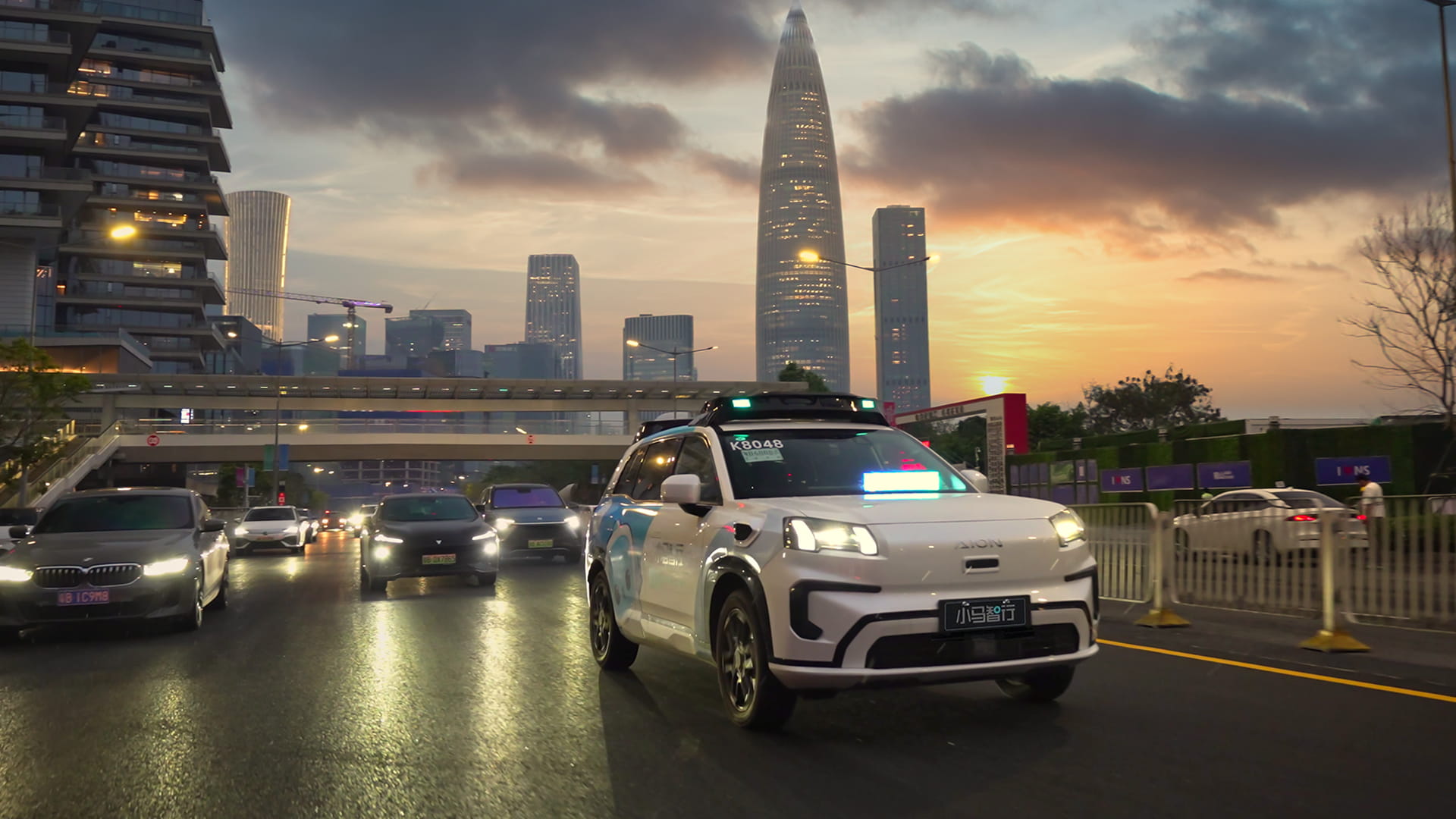
When hail darkened the sky over Beijing one day in September 2025, Yu Fei was not behind the wheel of any of the robotaxis caught in the storm. She was sitting in front of a computer, watching as the vehicles’ emergency fallback systems brought them to the side of the road.
Her job was to check each car, make sure it had stopped safely, and call passengers who were still inside. For several hours, she moved between vehicles and riders on her screens, trying to keep both calm and accounted for.
“It was tense and incredibly busy,” Yu said.
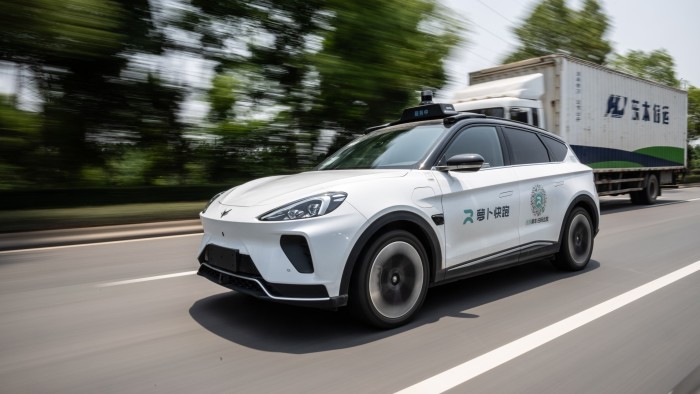
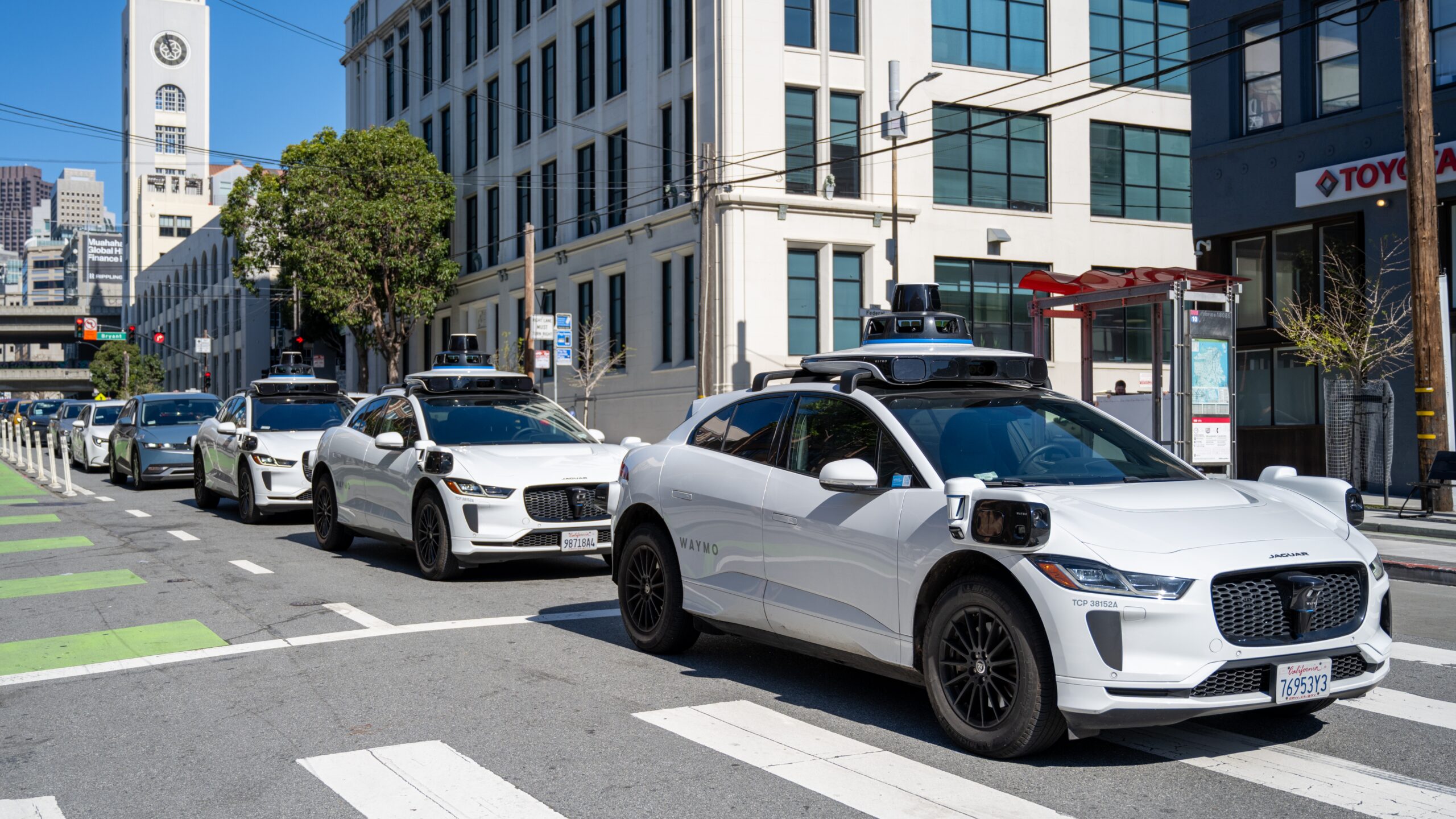
Yu works in remote assistance at Pony.ai, the Chinese autonomous driving company. The role has emerged to serve commercial robotaxi services that operate without an in-vehicle safety operator, following earlier stages of supervised testing. The driver is no longer in the front seat, but some of the work has moved to an office.
Remote assistance is often misunderstood as remote driving. It is not. Operators do not steer, brake, or accelerate a car through a virtual cockpit. When a vehicle requests for help, they review the situation and provide high-level information or guidance. The autonomous driving system decides how to proceed and remains responsible for vehicle control.