When Lorna Rutto was growing up in Nakuru, Kenya, she saw plastic differently from most people. It was everywhere. On streets. Around homes. In drains.
Years later, after working in banking, she left her job and turned back to the problem. In 2008, Rutto and Charles Kalama founded EcoPost in Nairobi, building a business around an unlikely industrial input: discarded plastic.
The idea was simple. Collect plastic waste, process it and turn it into durable fencing posts and construction products that could replace timber. The business case was less simple. But it exposed a larger opportunity for Africa: waste is not only a sanitation problem. It is an industrial resource.
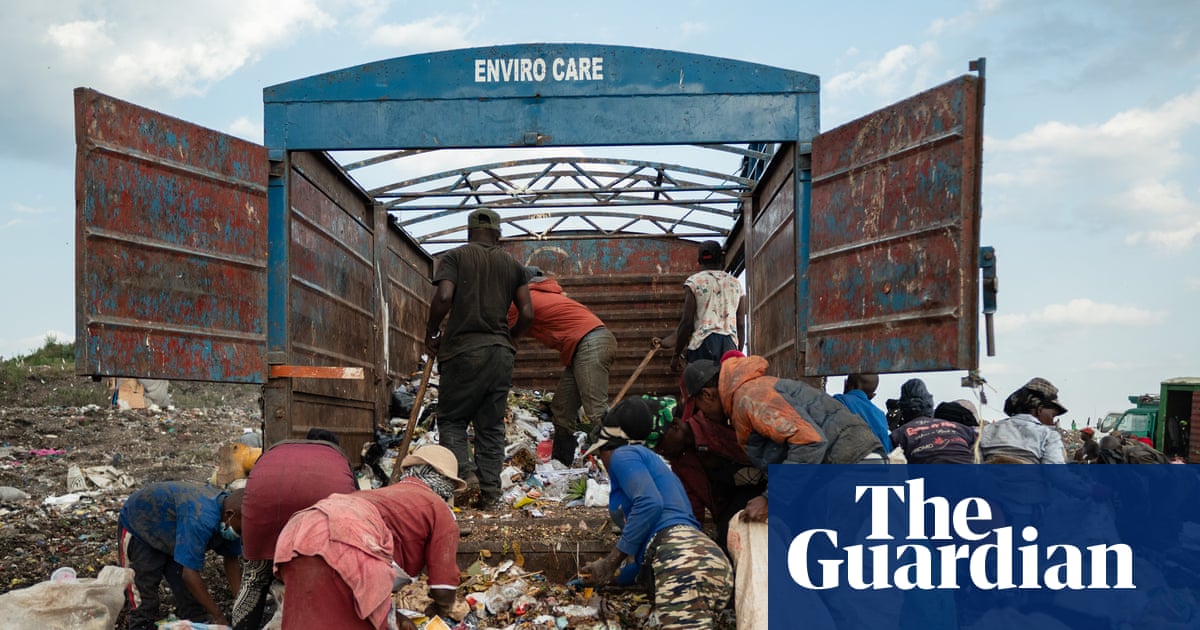
Nairobi illustrates the scale. The World Bank estimates the city generates about 2,400 tonnes of solid waste a day, with plastic accounting for roughly 20%. At the time of its assessment, only 45% of the city’s waste was being recycled, reused or transformed into something economically or environmentally useful.
That means hundreds of tonnes of material move through the city every day with little economic value captured locally. Rutto’s intervention was to put a factory between the rubbish and the market.