“The biggest impact isn’t that projects are going to stop because of FEOC,” Dajani explains. “It’s the market beginning to distinguish between those assets that are financeable and those that are not.”
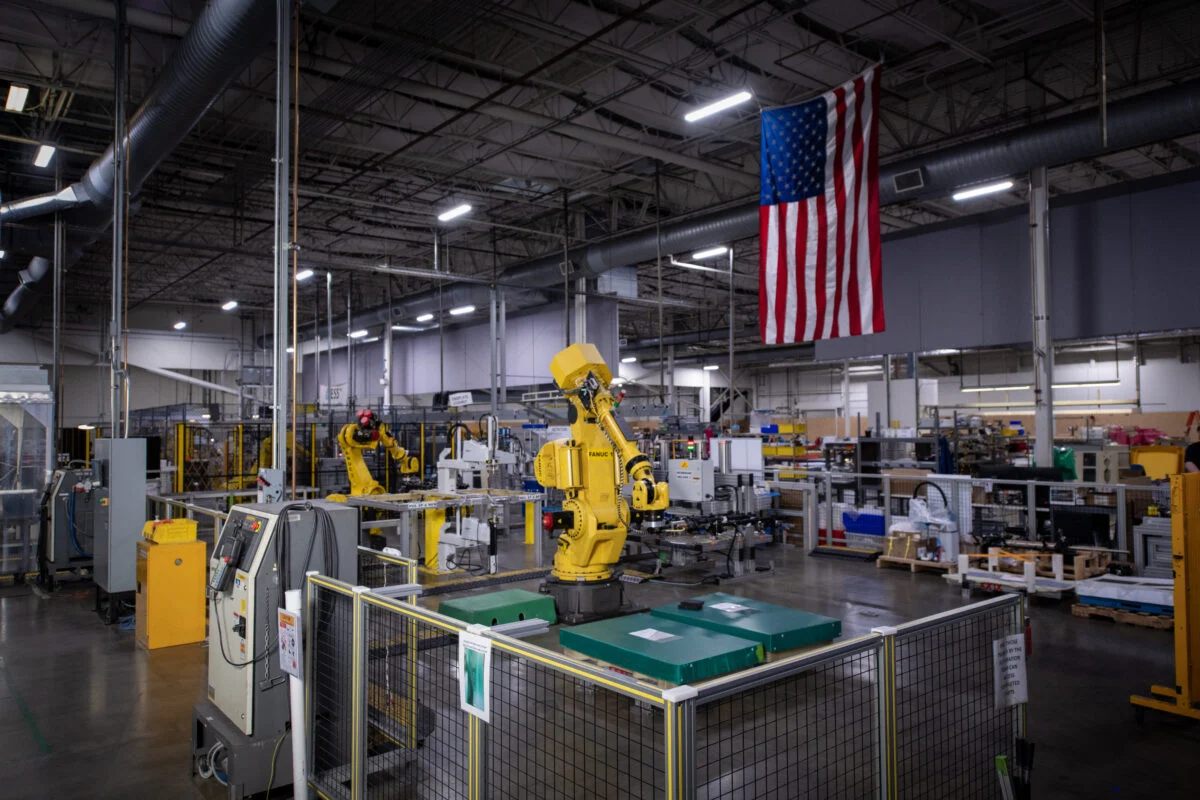
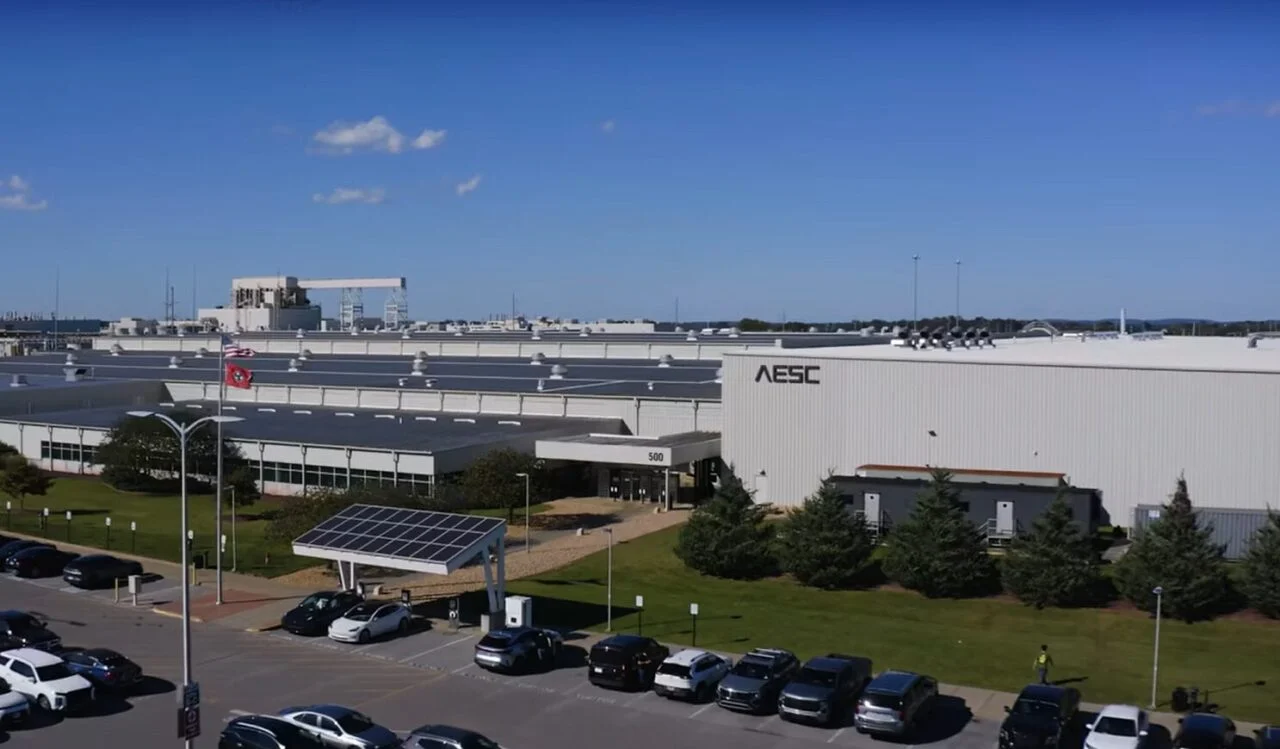
The industry is adapting through supply chain diversification and increased domestic manufacturing investment, though building a resilient domestic supply chain takes time. Some US manufacturing facilities are operational, others are ramping up production, and additional announced projects may take longer to materialise than initially anticipated.
Companies are also restructuring ownership to achieve compliance. While the US Treasury and IRS have provided guidance on FEOC, significant questions remain about what constitutes “effective control” under the regulations. The analysis extends beyond ownership percentages to encompass governance structures, contractual rights, operational influence, board representation, and supply agreements.
“It’s about the totality of the relationship and whether a foreign entity has practical ability to direct or control—that’s the key. It’s iterative, and there isn’t a checklist,” Dajani says.
Dajani also elaborates on three areas that would benefit from additional clarity: the definition of effective control, standards for supply chain diligence that provide confidence to investors and lenders, and guidance on how projects can adapt over time as suppliers, ownership structures, or financing arrangements change.