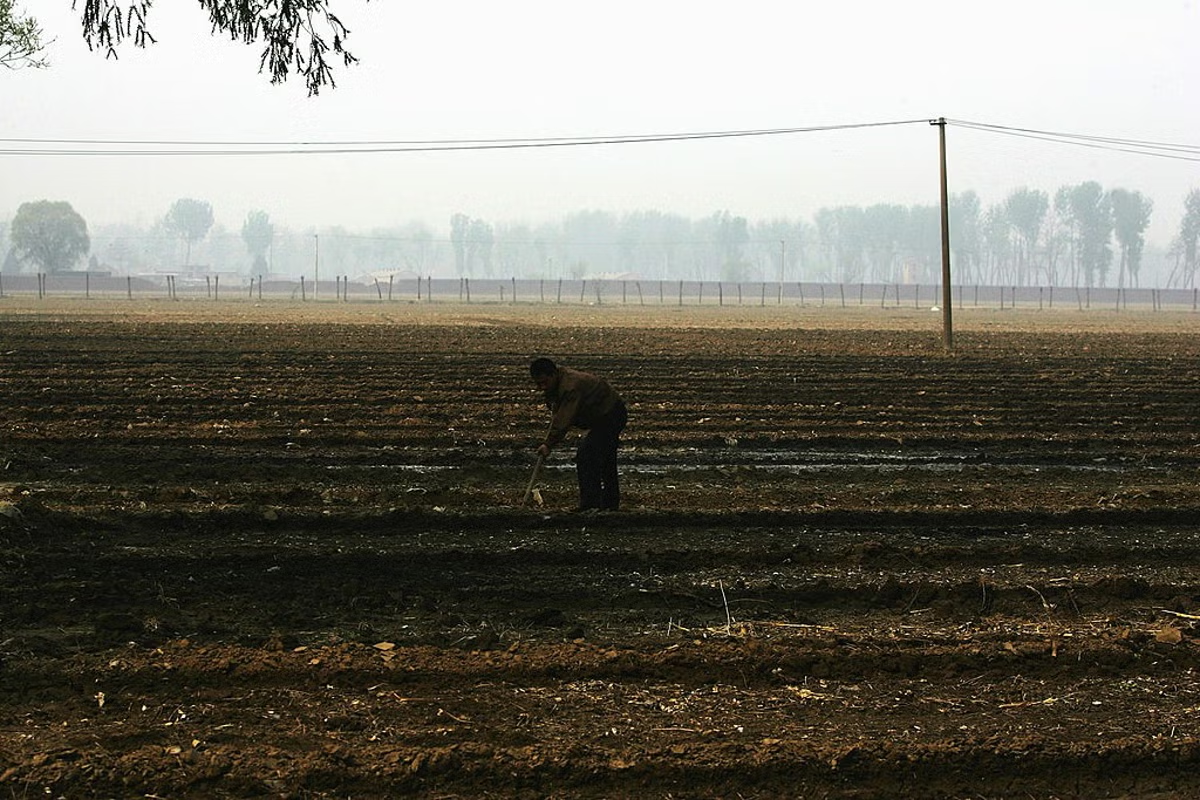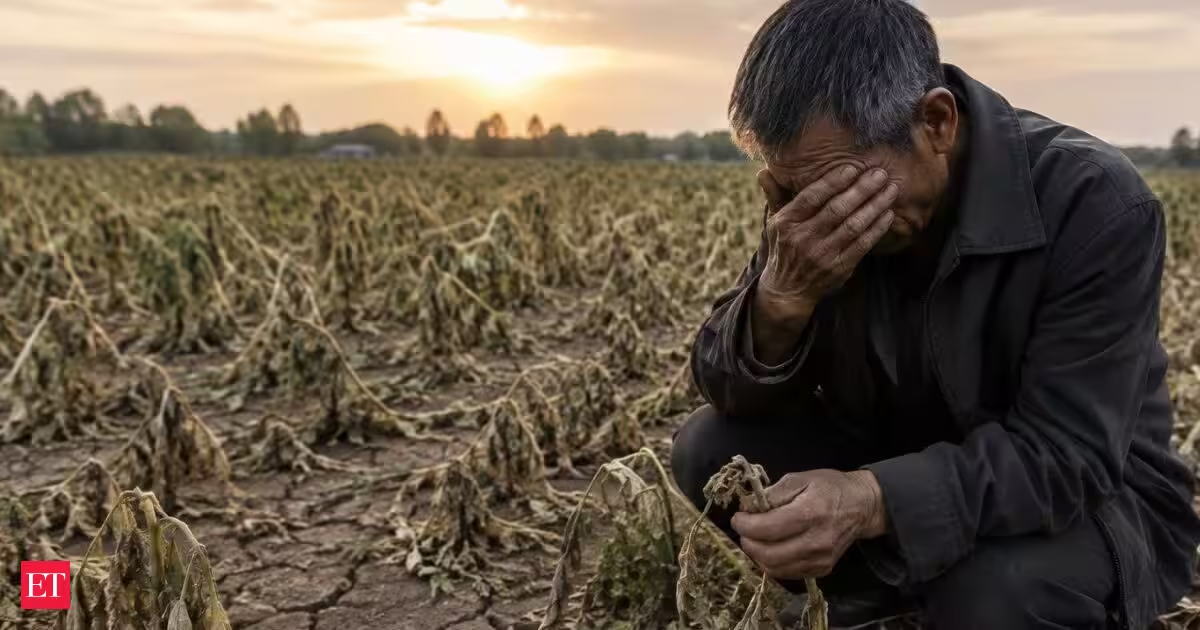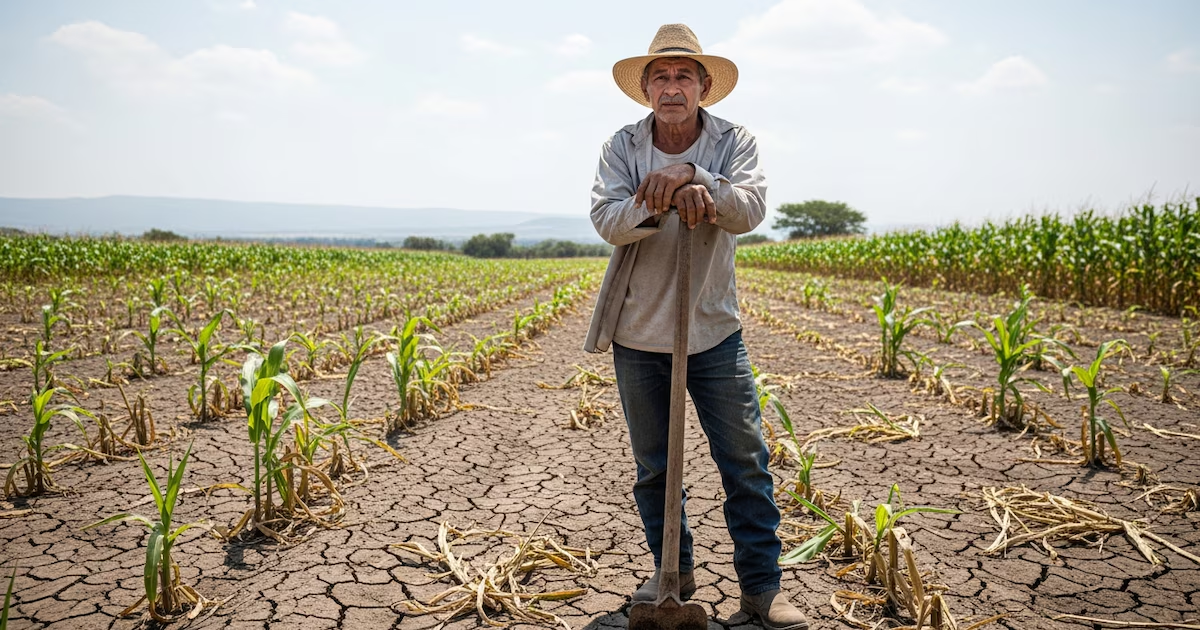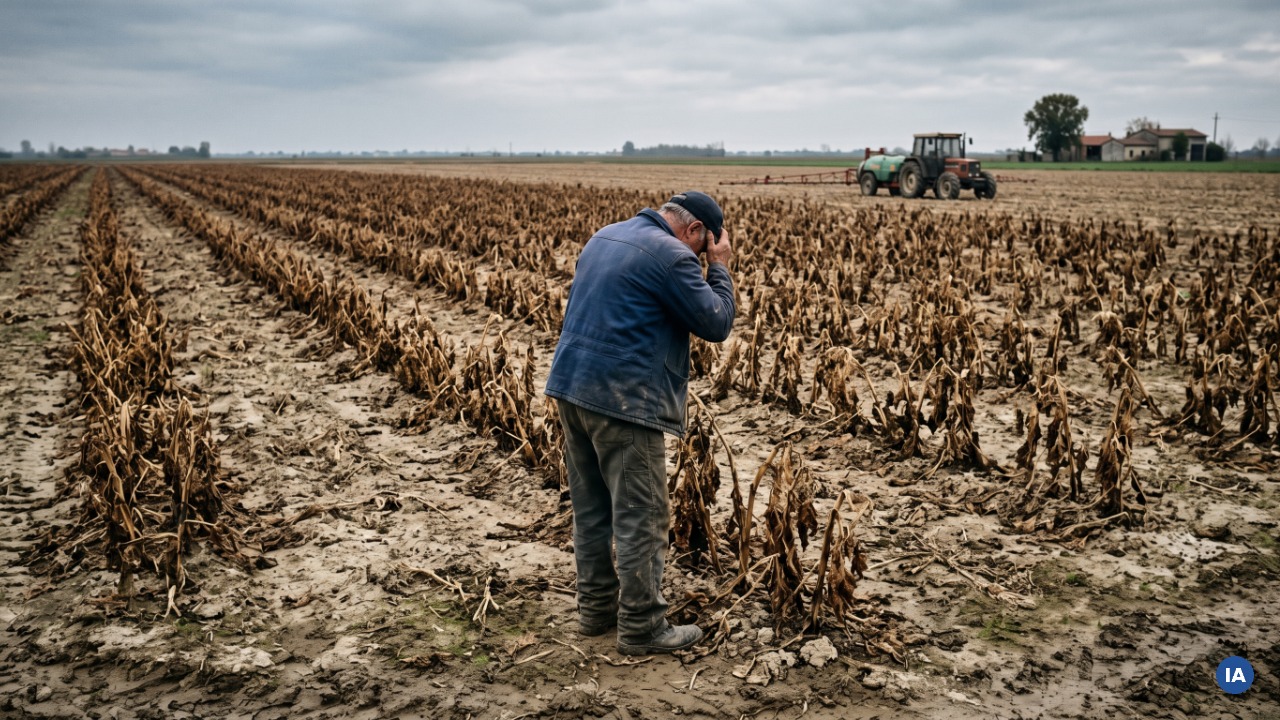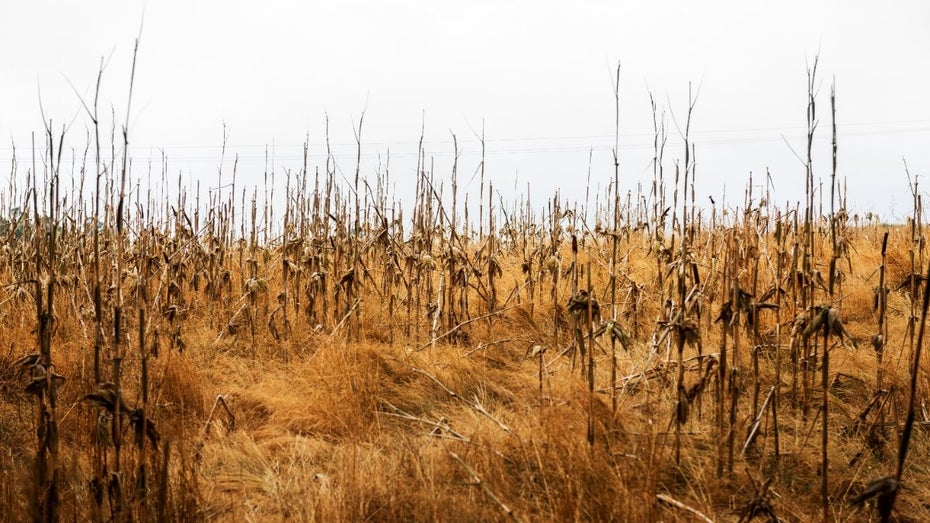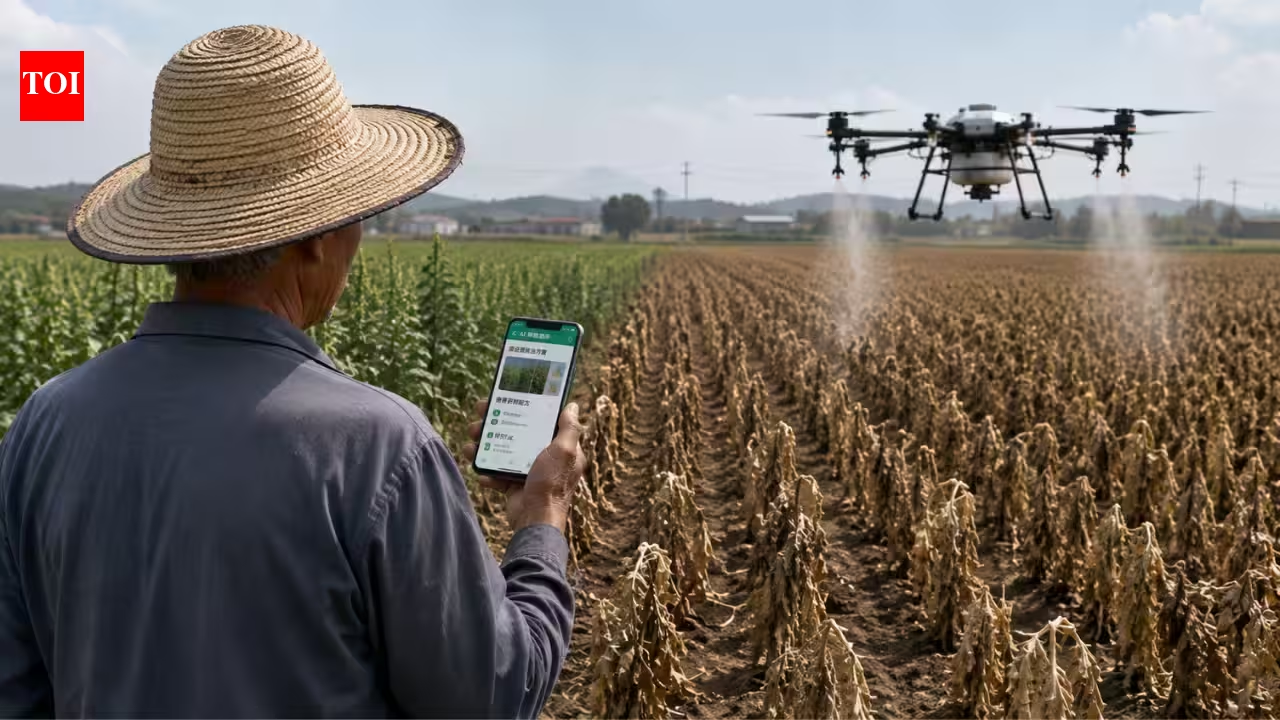
Representative AI imageA 67-year-old farmer in China's Anhui province reportedly lost almost 25 acres of sesame after following pesticide advice generated by an AI app. The farmer had been using the technology for more than a year and had grown confident in its recommendations for farming decisions. On July 10, 2026, he asked the app how to deal with weeds and pests in his sesame field. The AI produced a pesticide plan that included several chemicals. He followed the advice and used a drone to spray his entire field. By the next day, the sesame plants had reportedly wilted and died. The farmer estimated his financial loss at around 150,000 yuan.Farmer's trust in AI app's advice ended with a disastrous recommendationThe farmer, identified in Chinese reports as Wu, is from Chuzhou in Anhui province. He had been using an AI application for more than a year to seek advice about farming. His questions reportedly covered issues such as fertiliser use and pesticide application. At first, he was sceptical about relying on AI for agricultural decisions. However, after receiving advice that he considered useful, he gradually began trusting the technology. On July 10, he asked the app for a plan to deal with weeds and pests in his sesame field. The AI reportedly generated a detailed plan for spraying about 150 mu of sesame, an area equivalent to roughly 24.7 acres.The AI-generated plan reportedly included the herbicides haloxyfop-P-methyl and fomesafen, along with the insecticides thiamethoxam and emamectin benzoate. Wu followed the recommendation and used a drone to spray the mixture across the field. The next day, he found that the sesame seedlings had wilted and died. Chinese reports say the farmer described the damage as widespread across all 150 mu of farmland. He later returned to the AI app and asked what had gone wrong. The system reportedly identified fomesafen as the likely cause of the crop damage.Why the herbicide recommendation raised concernsFomesafen is a herbicide used to control broadleaf weeds in certain crops. China's pesticide-registration database lists registered fomesafen products for uses including soybean fields. The chemical can also cause injury to crops that are sensitive to it or are not approved for the particular use. Sesame is itself a broadleaf crop, which makes crop-specific herbicide selection especially important. Agricultural research has also documented herbicide injury in sesame depending on the chemical, dose and timing of application. However, the available reports on Wu's case do not appear to include an independent field investigation confirming that fomesafen alone caused the entire crop loss. The reported link between the AI recommendation and the crop failure should therefore be described as the reported or suspected cause, rather than as an independently established finding. The AI had reportedly included a general warningThe incident also highlights the limitations of relying on AI for decisions involving chemicals. Chinese reporting indicates that the application carried a general disclaimer warning users that AI-generated information could be inaccurate and should be verified. Wu reportedly did not notice or act on the warning before applying the recommendation. He also did not independently consult an agricultural technician before spraying the field. After the crop was damaged, the AI reportedly recognised the possible problem with its own recommendation. By then, however, the pesticide had already been applied across the entire field. The farmer estimated his loss at around 150,000 yuanThe farmer reportedly estimated that the failed crop represented a financial loss of about 150,000 yuan. The affected area was approximately 150 mu, which converts to about 10 hectares or 24.7 acres. The loss figure is the farmer's own estimate and should not be treated as an independently verified valuation. The incident nevertheless shows the potential consequences when AI-generated advice moves directly from a chatbot screen into a real-world agricultural operation. A recommendation that might appear plausible in text can have very different consequences when applied across thousands of square metres of farmland.The incident highlights the risks of using AI for farming decisionsAI tools are increasingly being used to answer questions about agriculture, including crop diseases, fertiliser use, irrigation and pest management. But agricultural advice can depend on factors that a general-purpose AI system may not fully understand, such as crop variety, soil conditions, weather, growth stage, pesticide registration and local application rules. The Chinese farmer's experience illustrates why AI-generated recommendations involving pesticides should be checked against product labels, official agricultural guidance and qualified experts before being applied. In this case, the farmer reportedly trusted an AI system after more than a year of useful answers, but a single recommendation had consequences across an entire field.
A farmer lost 25 acres of crops after an AI app advised a pesticide mix to control weeds and pests, which killed the crop within 24 hours
A 67-year-old farmer in China's Anhui province reportedly lost almost 25 acres of sesame after following pesticide advice generated by an AI app. The farmer had been using the technology for more than a year and had grown confident in its recommendations for farming decisions.
TL;DRAI
Anhui farmer lost 25 acres of sesame after following AI app's pesticide plan; entire field wilted in 24 hours (~150,000 yuan loss). Case signals need for validation and human oversight in deploying AI to high-impact, domain-specific decisions.
763 words~3 min read