Nqobani Mzizi is a Professional Accountant (SA), Professional Tax Practitioner (SA), Certified Director, academic, and governance practitioner.
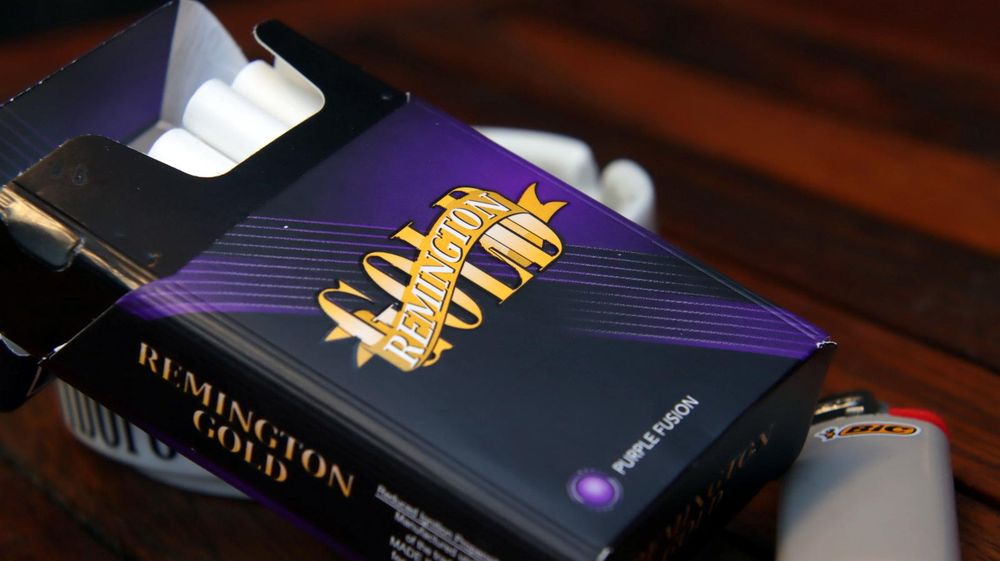
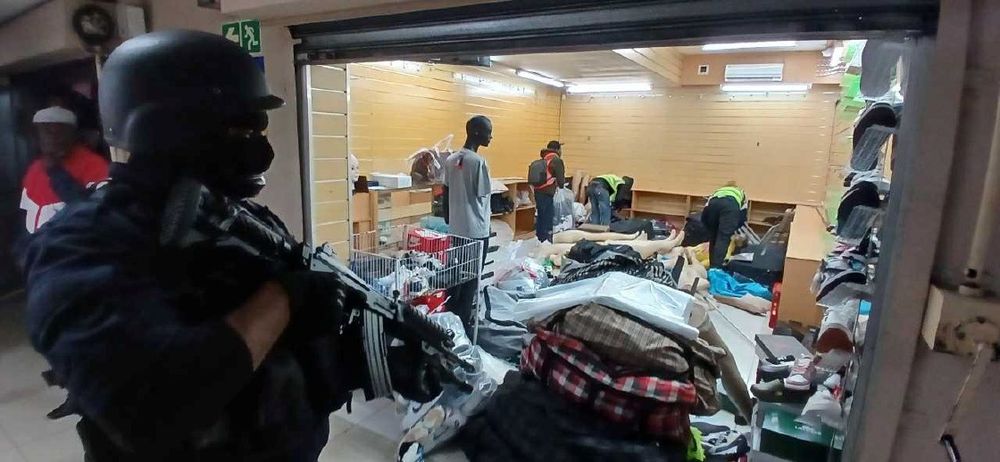
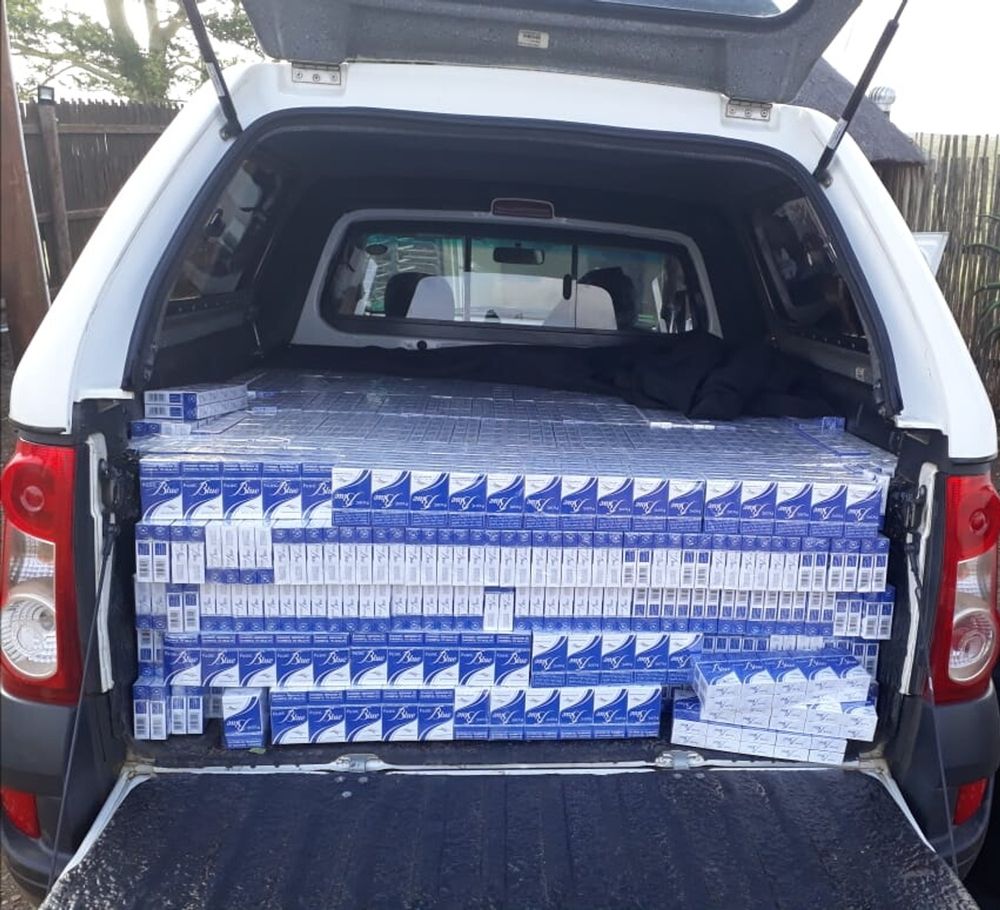
Recent reports of illicit cigarettes being uncovered and seized in South Africa should be commended. Every successful operation by SARS, SAPS, the Border Management Authority and other law-enforcement agencies removes unlawful products from circulation and disrupts a market that undermines the country’s revenue base, legitimate businesses and public policy objectives.
However, these seizures should also force a bigger national conversation. Illicit cigarettes and alcohol are not merely consumer goods sold outside the formal system. They represent a parallel economy that competes unfairly with compliant businesses, deprives the state of revenue and weakens the purpose of sin taxes. In a country facing severe fiscal constraints, every rand lost to illicit trade is a rand that could have supported schools, hospitals, policing, infrastructure and social services.
Sin taxes exist for two broad reasons: revenue generation and behavioural change. Cigarettes and alcohol are taxable goods and, when sold lawfully, contribute to the fiscus through excise duties, VAT and other taxes along the value chain. At the same time, these taxes increase the cost of goods associated with health and social harm, thereby discouraging excessive consumption. They are policy tools through which the state raises revenue while also attempting to reduce unwanted social behaviour.