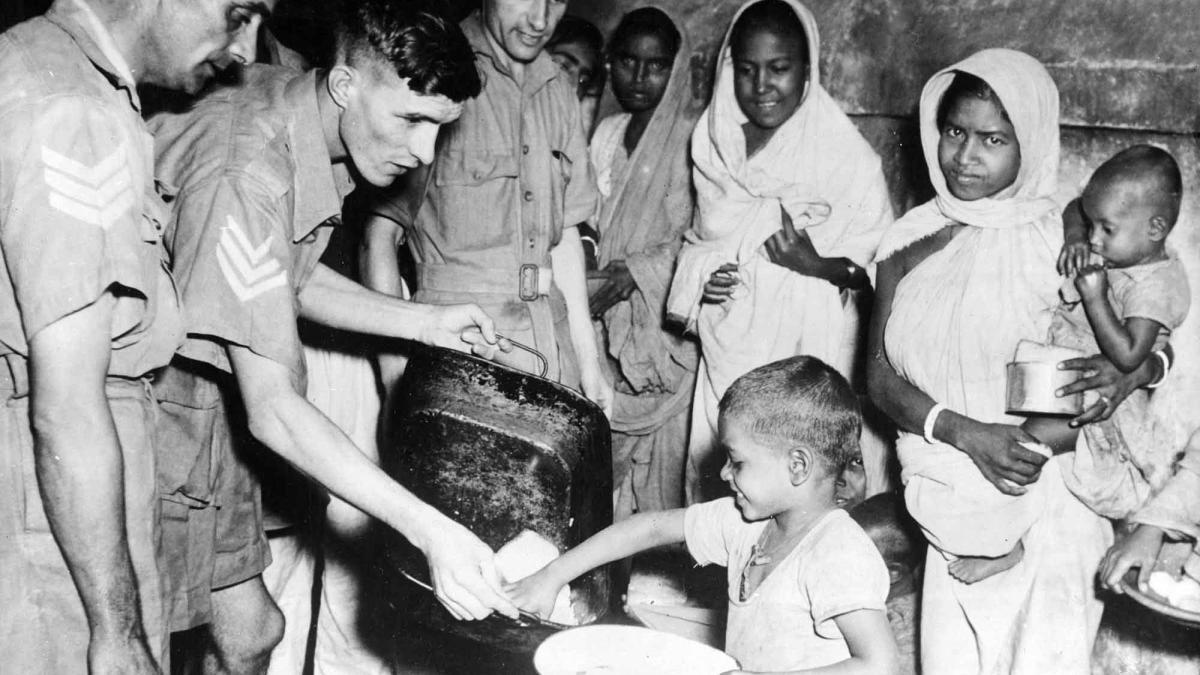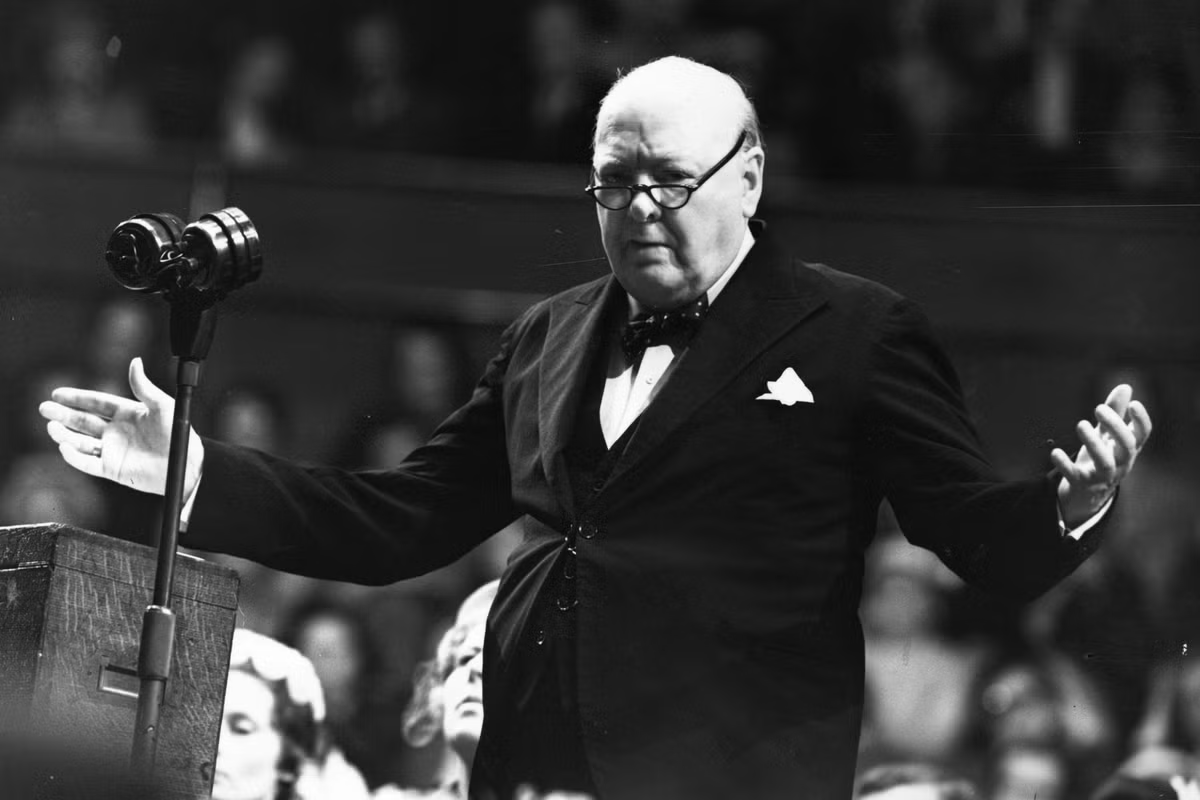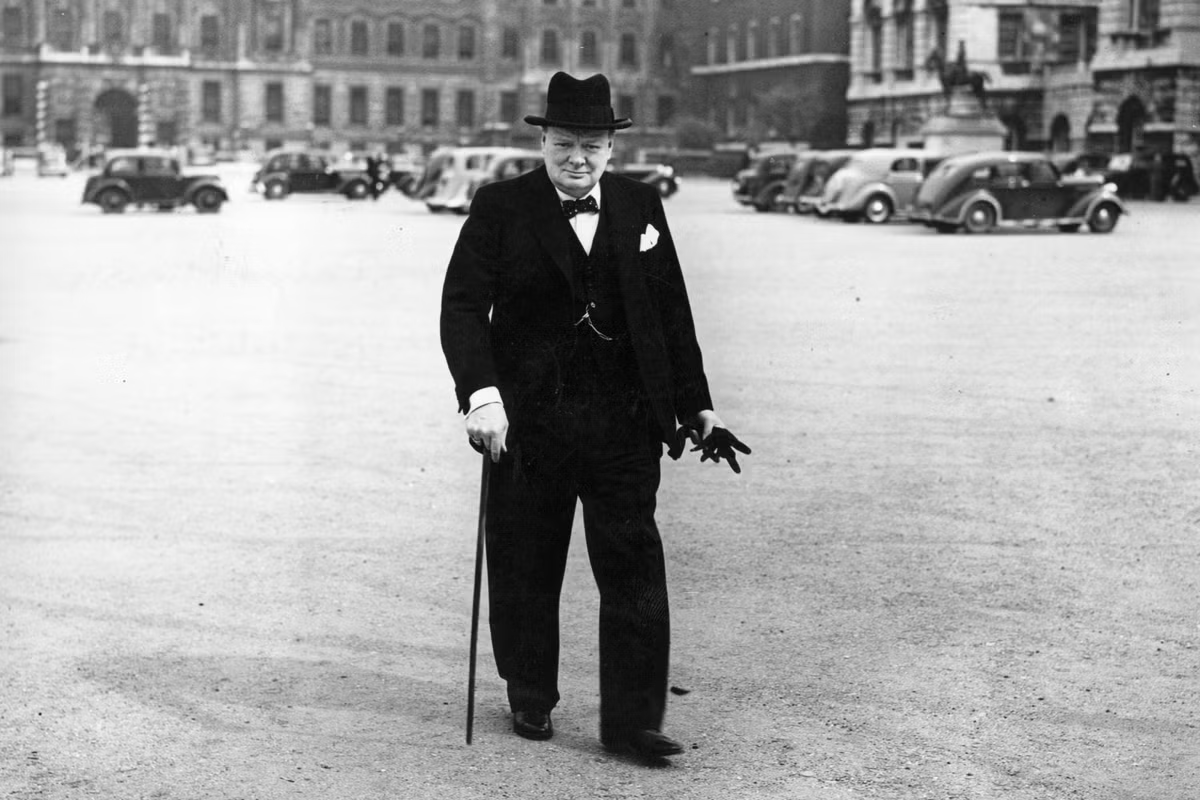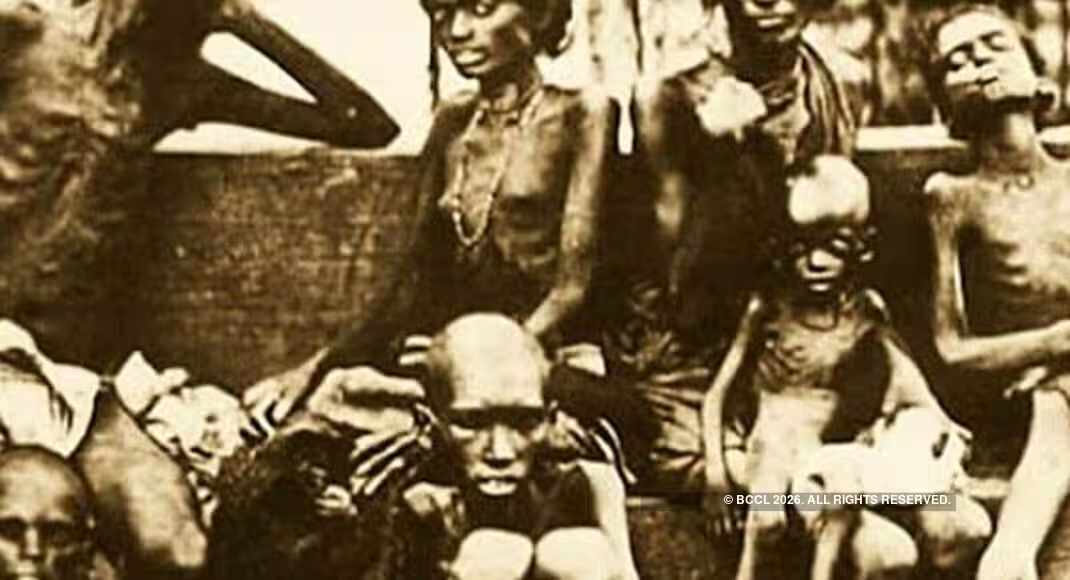
Search+ExclusivesThe 1943 Bengal famine is estimated to have caused over three million deaths.SynopsisMadhusree Mukerjee's book revived the debate on the 1943 Bengal Famine, questioning Amartya Sen's analysis of food entitlement failures. New evidence suggests greater food shortages existed than previously acknowledged. Mukerjee's research placed Winston Churchill's decisions at the centre of the famine that killed millions.For nearly three decades, one explanation of the Bengal Famine towered above all others. It came from Amartya Sen, who had witnessed the catastrophe as a child and would later become one of the most influential thinkers of the twentieth century and eventually win the Nobel Prize. Sen changed how the world understood famines and his work became so influential that it reshaped the study of starvation everywhere.Then, in 2010, a science journalist ET Online 14 mins readAug 12, 2026, 12:29:00 PM ISTGift this Story to your friendsFONT SIZEAbcSmallAbcMediumAbcLargeSAVEPRINTCOMMENTContinue reading with one of these options:Limited AccessFreeLogin to get access to some exclusive stories & personalised newslettersLogin NowUnlimited AccessStarting @ Rs120/monthGet access to exclusive stories, expert opinions & in-depth stock reportsSubscribe NowETUh-oh! This is an exclusive story available for selected readers only.Worry not. You’re just a step away.What’s Included withETPrime Membership
Did Churchill let 30 lakh Indians die? A journo took on Amartya Sen
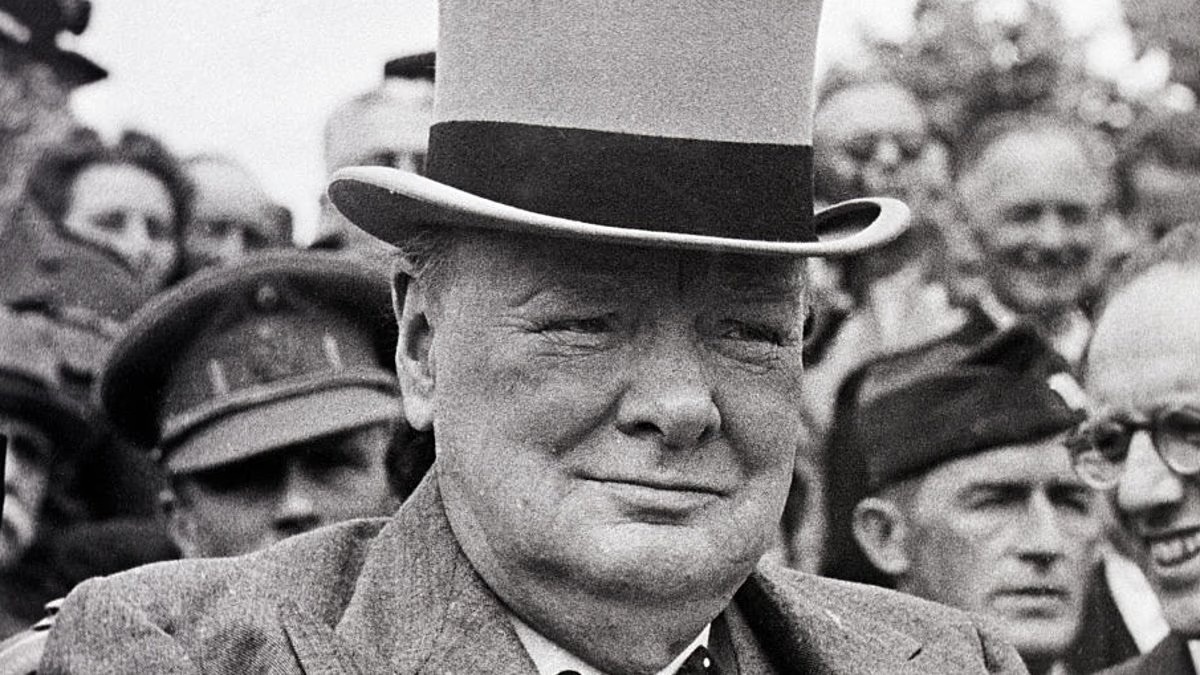
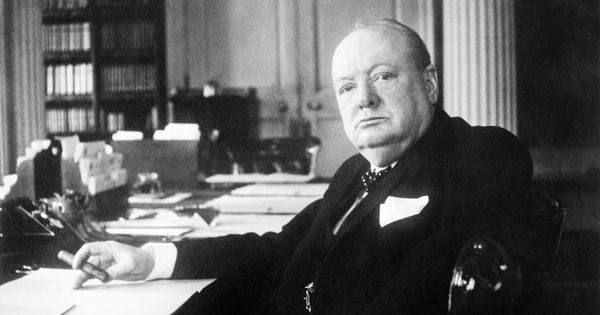
Madhusree Mukerjee's book revived the debate on the 1943 Bengal Famine, questioning Amartya Sen's analysis of food entitlement failures. New evidence suggests greater food shortages existed than previously acknowledged. Mukerjee's research placed Winston Churchill's decisions at the centre of the famine that killed millions.
546 words~2 min read