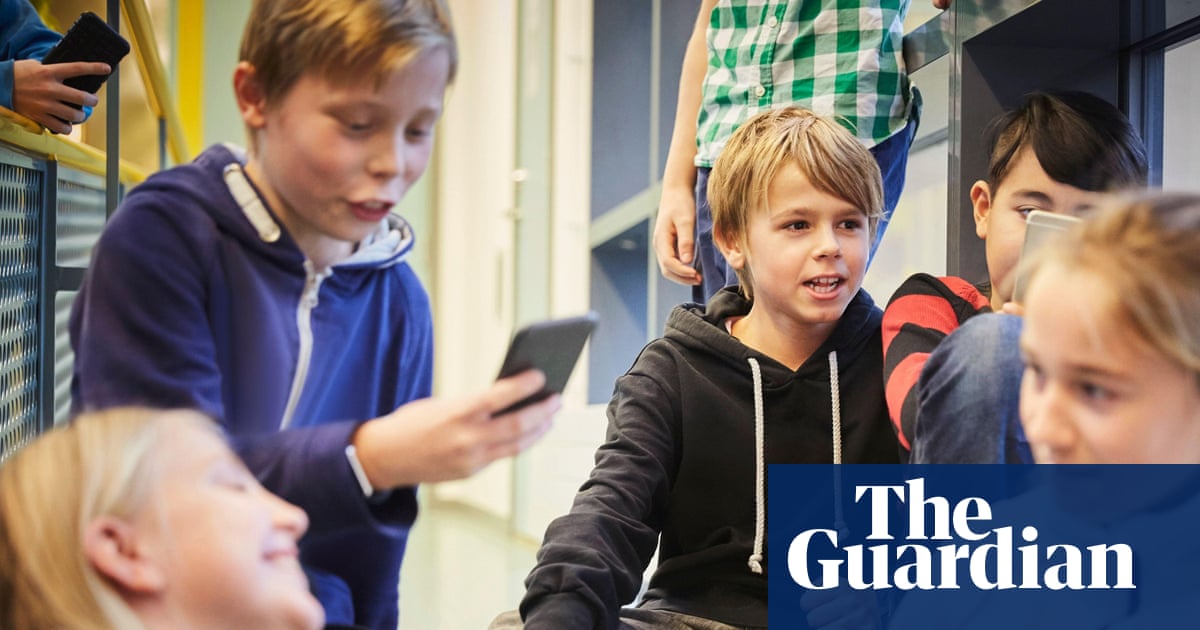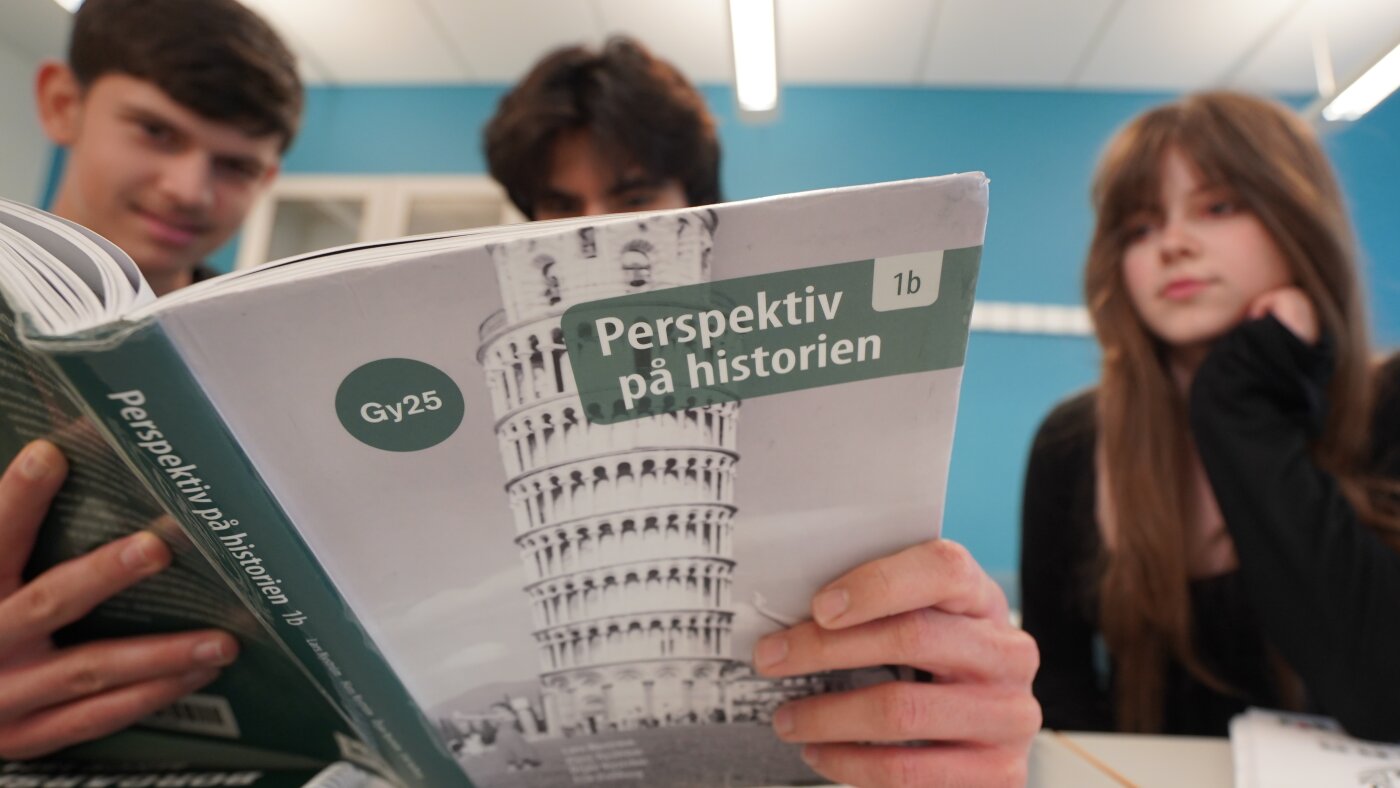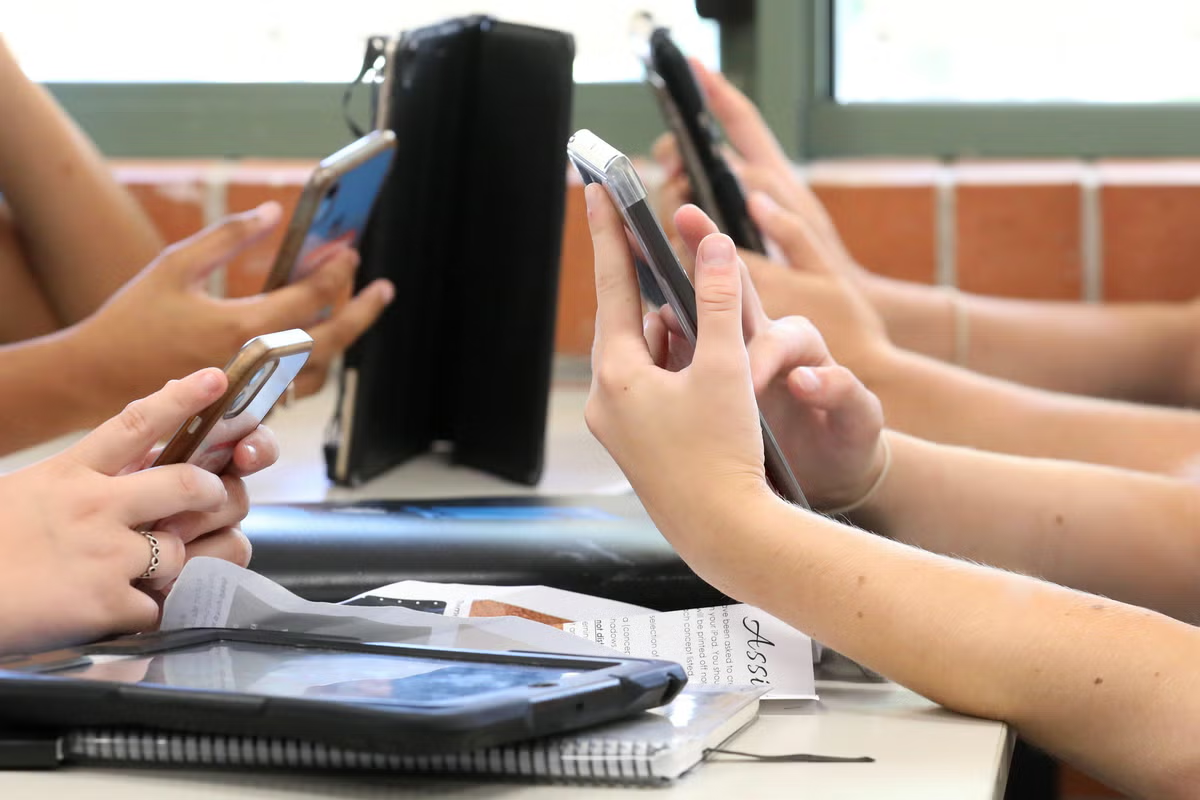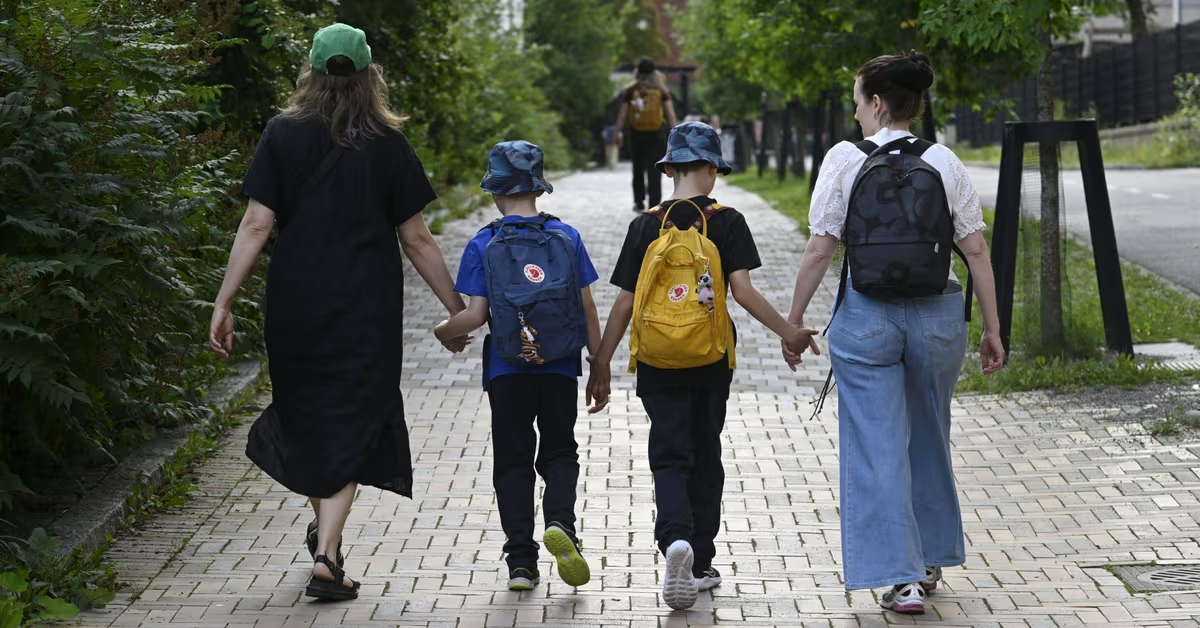
Some schools want to further tighten the ban on mobile phones, while a government initiative means primary schools now have a legal obligation to promote a physically active lifestyle.A big day for children and parents alike. File photo. Image: Markku Ulander / LehtikuvaYle News8:17Children will return to classrooms across Finland on Wednesday, with schools opening again after the long summer break in cities such as Helsinki, Lahti, Jyväskylä, Joensuu, Oulu and Rovaniemi.Kids in the cities of Espoo and Vantaa get one more day of summer holiday, as they return tomorrow, while schools in Tampere have been back in business since last week.The new school year also brings many changes, with education authorities keen to tighten the ban on mobile phones introduced last year, while a new initiative called 'Finland on the Move' aims to promote a physically active lifestyle for all children.Terhi Nissinen of the Finnish National Agency for Education told Yle that the changes will be visible in the lives of every primary school student."Lesson planning will emphasise activity, and there will be less sitting time," Nissinen explained.This also means that during breaks between classes, teacher-led games and pursuits as well as "välkkäri" (peer mentoring) activities will be increased.Education authorities want Finnish schools to promote a more active lifestyle for kids. Image: Juha Kokkala / YleThe Finnish term "Välkkäri" — derived from the word "välitunti", meaning break or recess — refers to a peer mentoring or buddy system in Finnish schools where older students help, play with or look after their younger peers during breaktimes."Hopefully this [the promotion of a more active lifestyle] will also be reflected in every student's journey to school, that they travel by physical means," Nissinen added, referring to kids walking or biking to school."School shopping" takes on racist toneAs the school year starts again, recent changes to student catchment area boundaries in the east of Helsinki have reignited a debate around so-called "school shopping".The term refers to the practice of parents trying to get their children into non-local schools that they see as more desirable.In practice, the boundary changes in the east of Helsinki means that some children from the Herttoniemi and Myllypuro areas would in future go to the Itäkeskus Primary School — but many parents have strongly opposed the proposed changes.According to Annette Ukkola of the Finnish Education Evaluation Centre (FINECC), schools in areas where there are perceived to be many foreign-language speaking students tend to be considered less desirable."Yes, it can certainly look like racism if [schools] are avoided specifically on the basis that there are many S2 students," Ukkola said.S2 refers to suomi toisena kielenä (Finnish as a second language), a specialised school subject and alternative curriculum for students whose native language is not Finnish, Swedish, or Sámi.Annette Ukkola of the Finnish Education Evaluation Centre. Image: Esa Syväkuru / YleUkkola added that there is a growing perception in Finland that a child must attend a reputable primary school and upper secondary school if they are to have any chance of securing a spot at university, but this idea is mistaken.She noted that there are many different routes to university or higher education in general in Finland, and there is no obligation for children to progress in school at exactly the same pace as the majority.
More moving and less screens — Finland's school year starts with active plans for kids
Some schools want to further tighten the ban on mobile phones, while a government initiative means primary schools now have a legal obligation to promote a physically active lifestyle.
545 words~2 min read