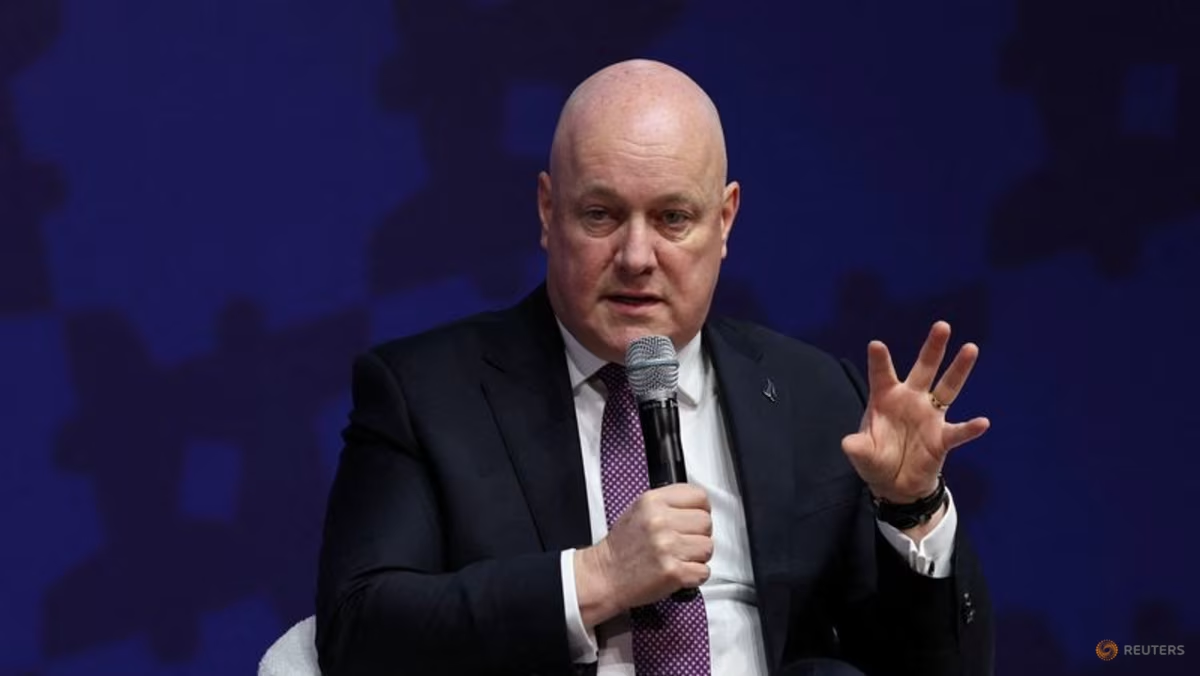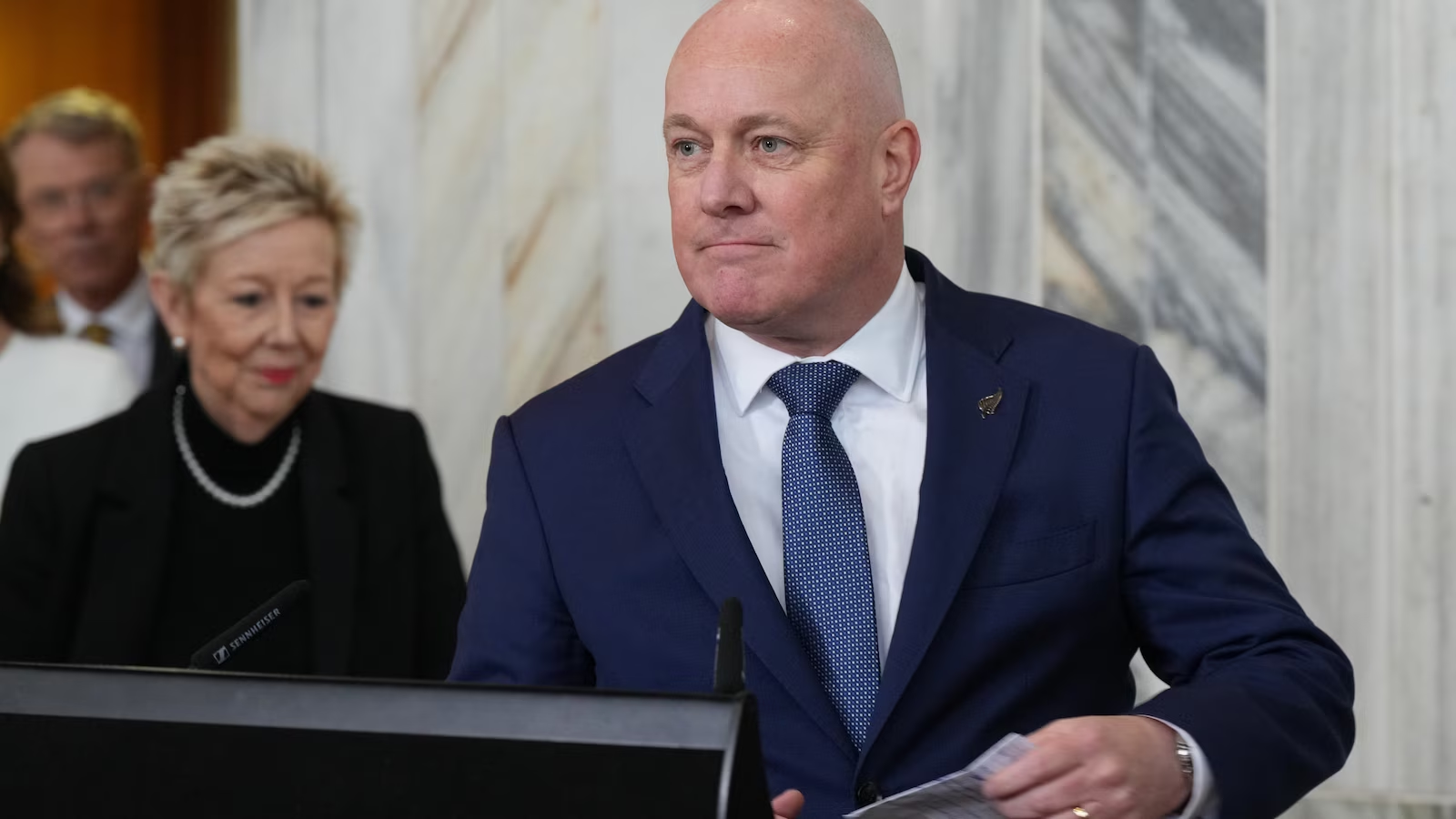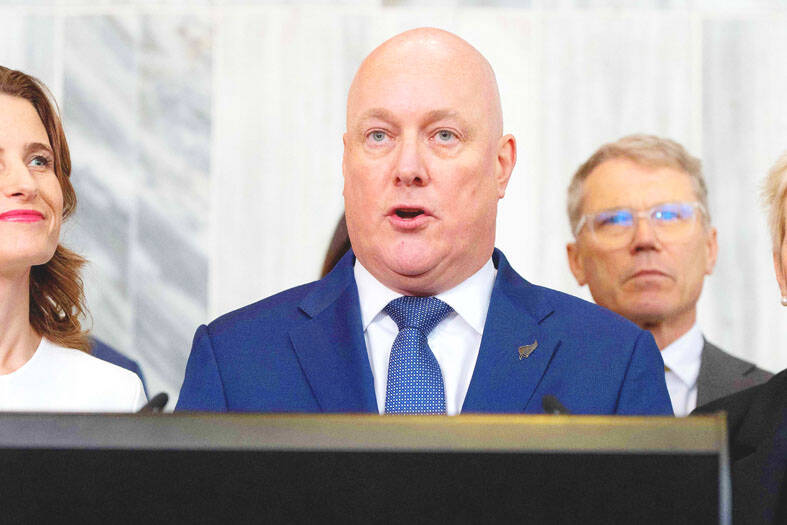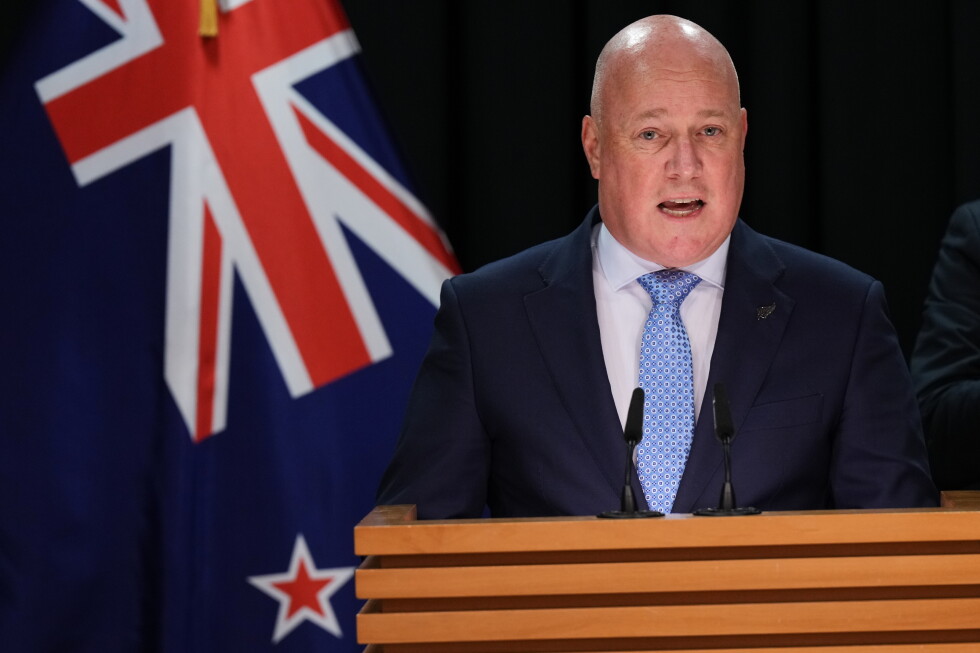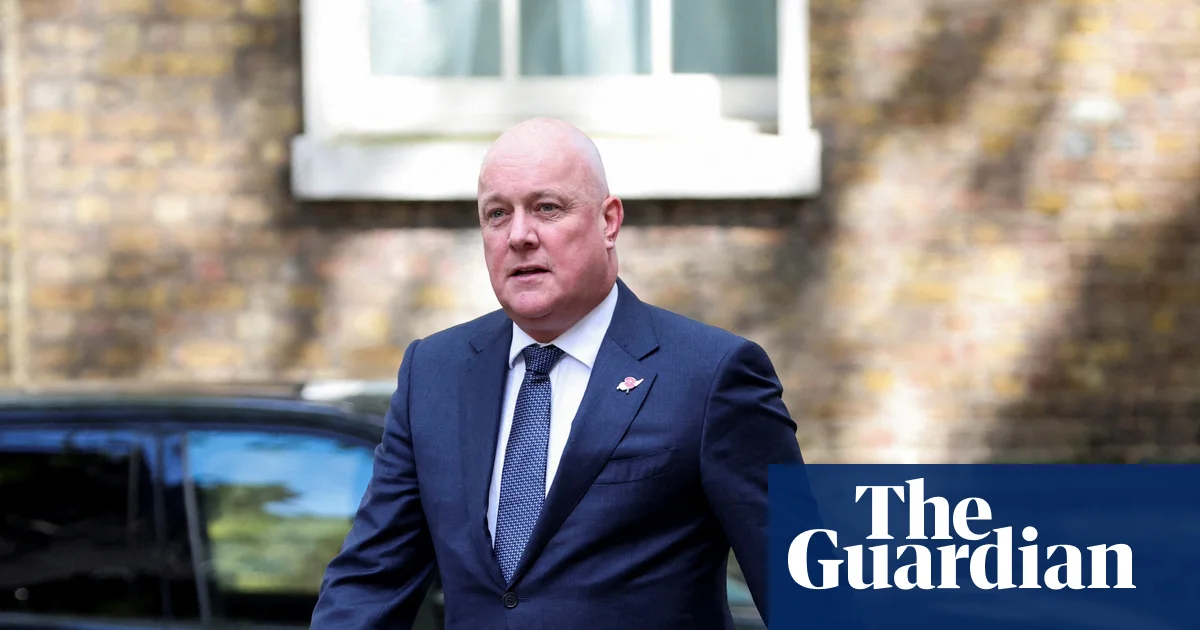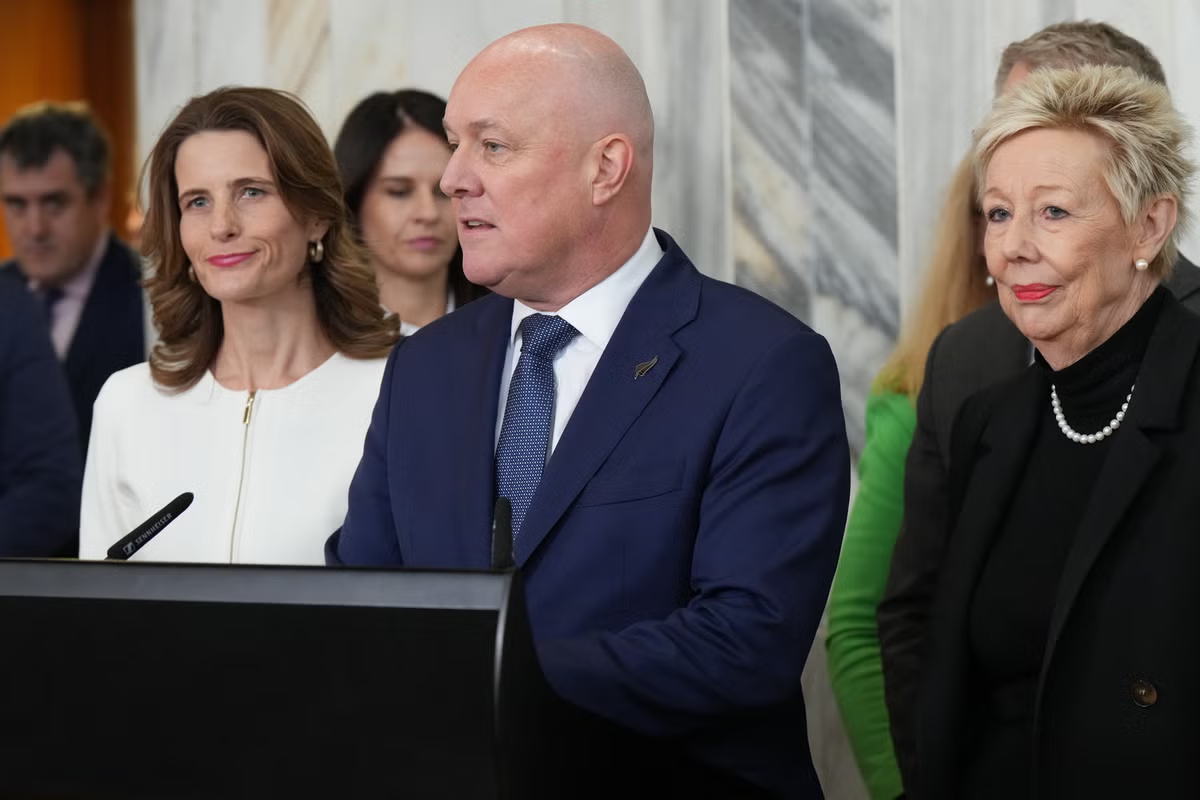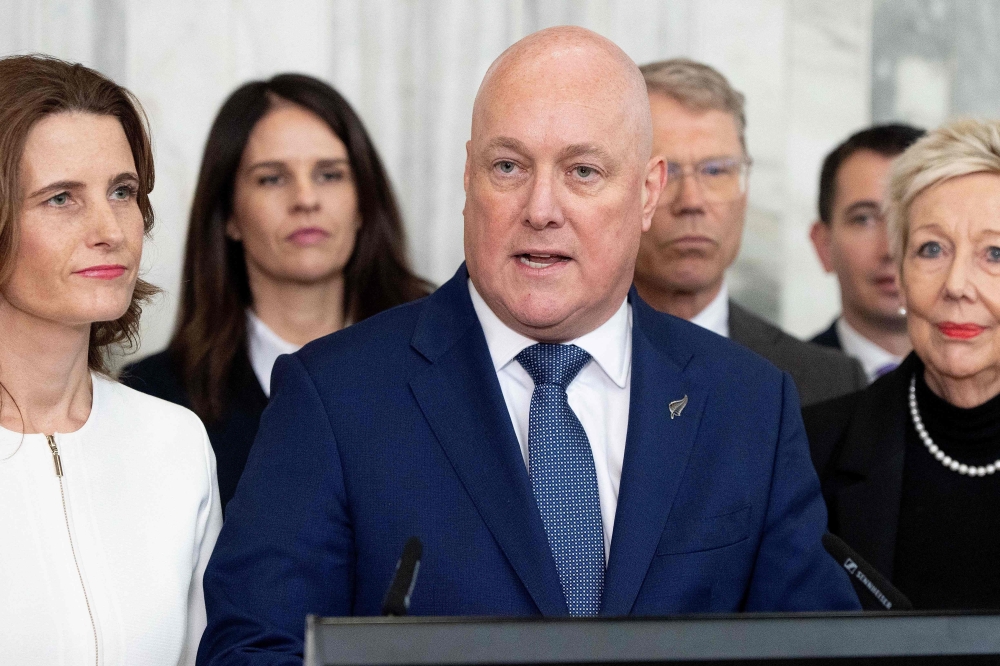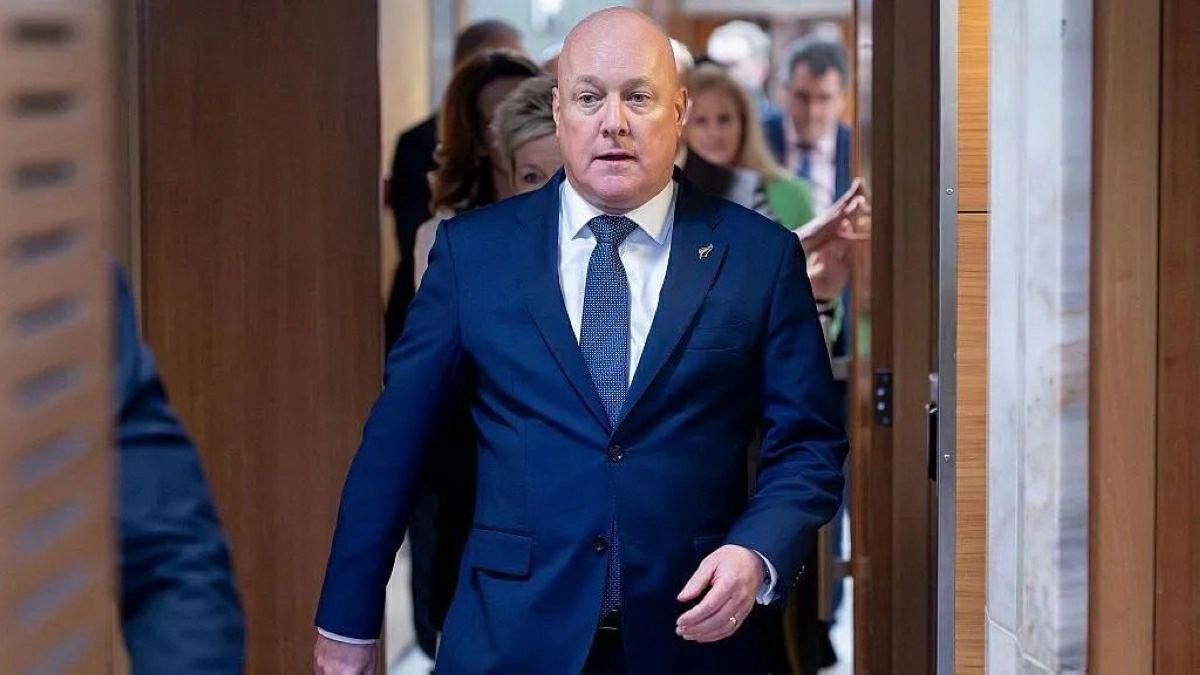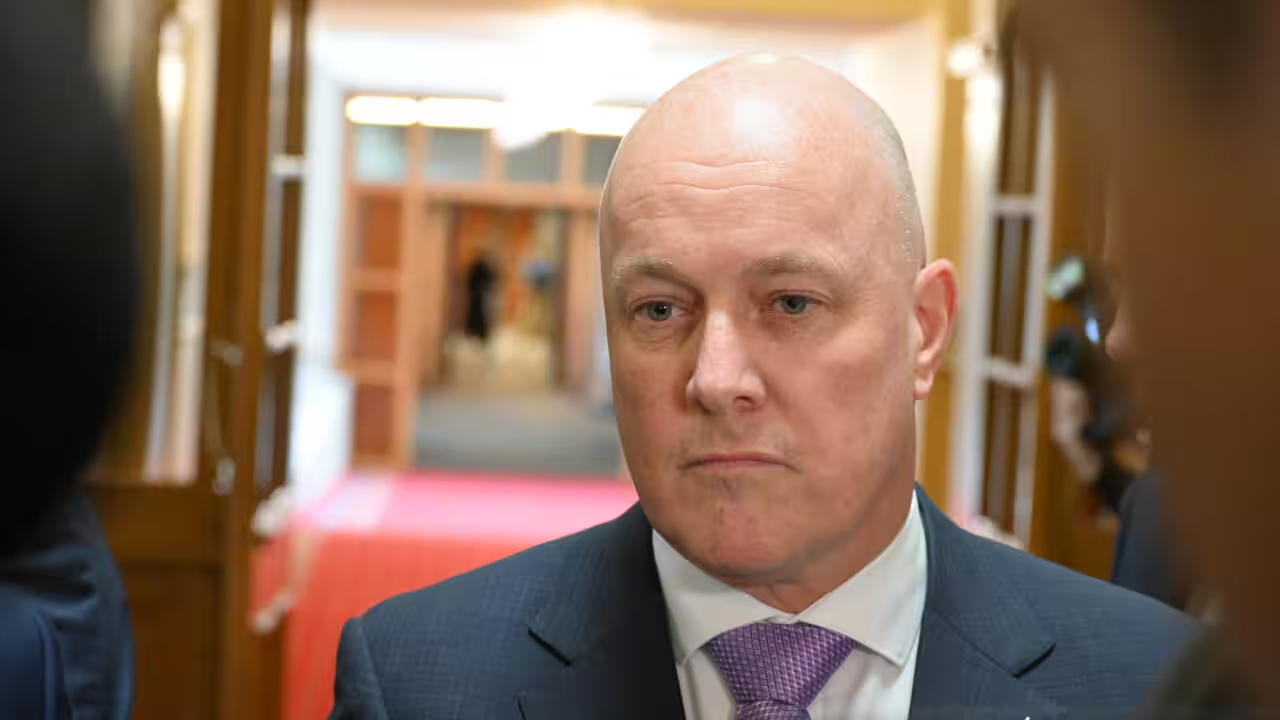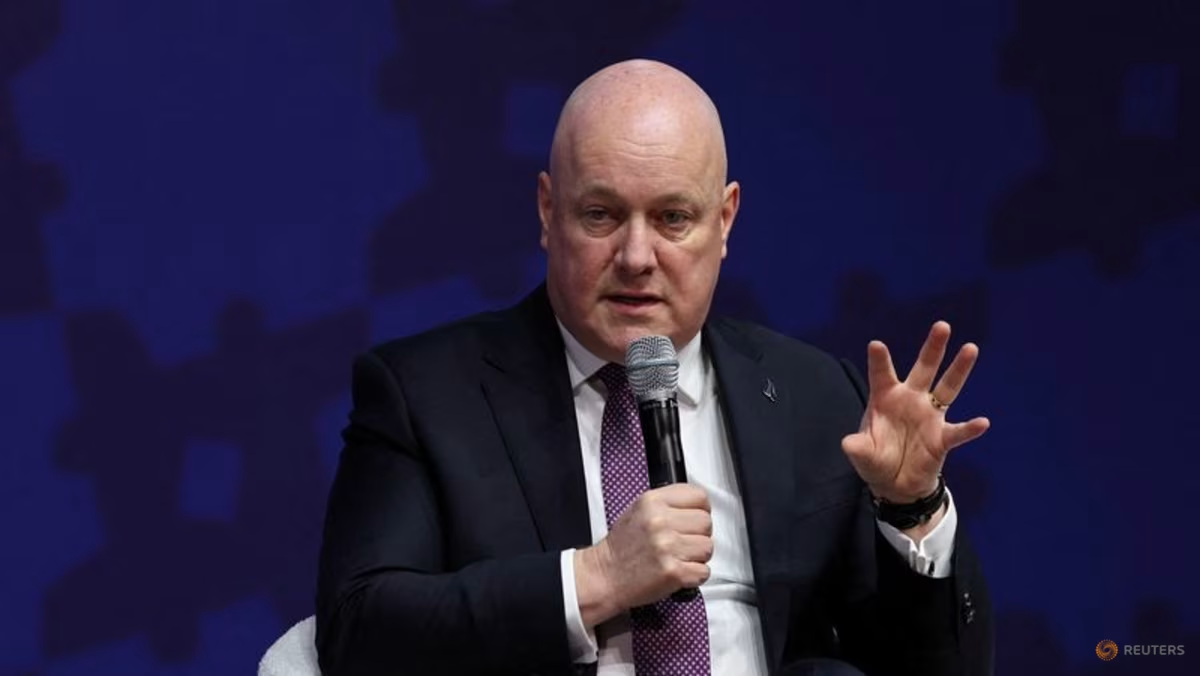
WELLINGTON: New Zealand Prime Minister Christopher Luxon survived a confidence vote by National Party lawmakers on Wednesday (Aug 12), but the second challenge this year laid bare party divisions that commentators said could dent his authority less than three months before a Nov 7 election.Luxon convened National's caucus after media reports that party members were canvassing support for a leadership change, highlighting tensions within the centre-right party as it struggles in opinion polls.Emerging from the meeting flanked by senior ministers Erica Stanford and Chris Bishop, both touted as potential successors, Luxon delivered a 75-second statement."There was a confidence vote in my leadership this morning at our caucus meeting and I have the full support of our caucus," Luxon said. He then left without taking questions.
While the vote secured his position, it marked Luxon's second public test of support this year after he called and won a confidence ballot in April. Such votes are rare in New Zealand politics, where leadership disputes do not usually emerge publicly.Luxon's leadership had again come under scrutiny after a series of public missteps, including floating the idea of a possible referendum on New Zealand's electoral system without consulting colleagues, and an appeal to a business audience to "be adult" rather than look to the government for help.The 56-year-old former Air New Zealand chief executive has struggled to improve National's standing or his own popularity as the economy sputters.A 1News Verian poll published on Wednesday put Luxon's preferred-prime-minister rating at 17 per cent, down 1 percentage point. He remained ahead of Labour Party leader Chris Hipkins, whose rating slipped one point to 15 per cent.Political commentator Neale Jones, a former Labour Party staffer, said survival alone would not erase the damage."This further undermines his authority as prime minister and as leader, and does make it harder for National," Jones said.Jones said Labour's "worst-case scenario" would have been National replacing Luxon and gaining an opportunity to reset its campaign before the election.Luxon took over National in late 2021 and became prime minister in 2023, when the party formed a coalition government with the libertarian ACT Party and New Zealand First.A millionaire father of two with several properties, Luxon has at times struggled to connect with voters, critics say, particularly when he lapses into corporate rhetoric.His government has pursued an ambitious reform agenda, including planning and water reforms, tax cuts, tighter public spending, higher defence spending and a more active foreign policy. It has also strengthened bilateral ties, including through a free trade agreement with India.Yet the economy remains the defining political battleground. Luxon won office promising to tame inflation and rein in debt, but growth remains weak, unemployment is at an 11-year high and inflation sits outside the central bank's 1 per cent to 3 per cent target range. Most polls show National narrowly trailing Labour, though the complexities of New Zealand's electoral system leave the November contest too close to call.Former National lawmaker Simon O'Connor said the party could recover from the damage done by the leadership challenge, but it needed to focus on policy and the campaign."National cannot have any more distractions like this and the troublemakers either need to be encouraged or pushed to the side," he said. "They cannot have any more days like this."