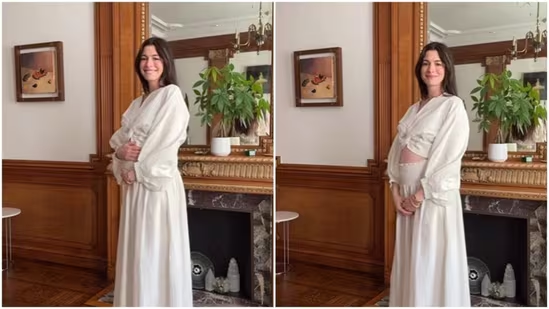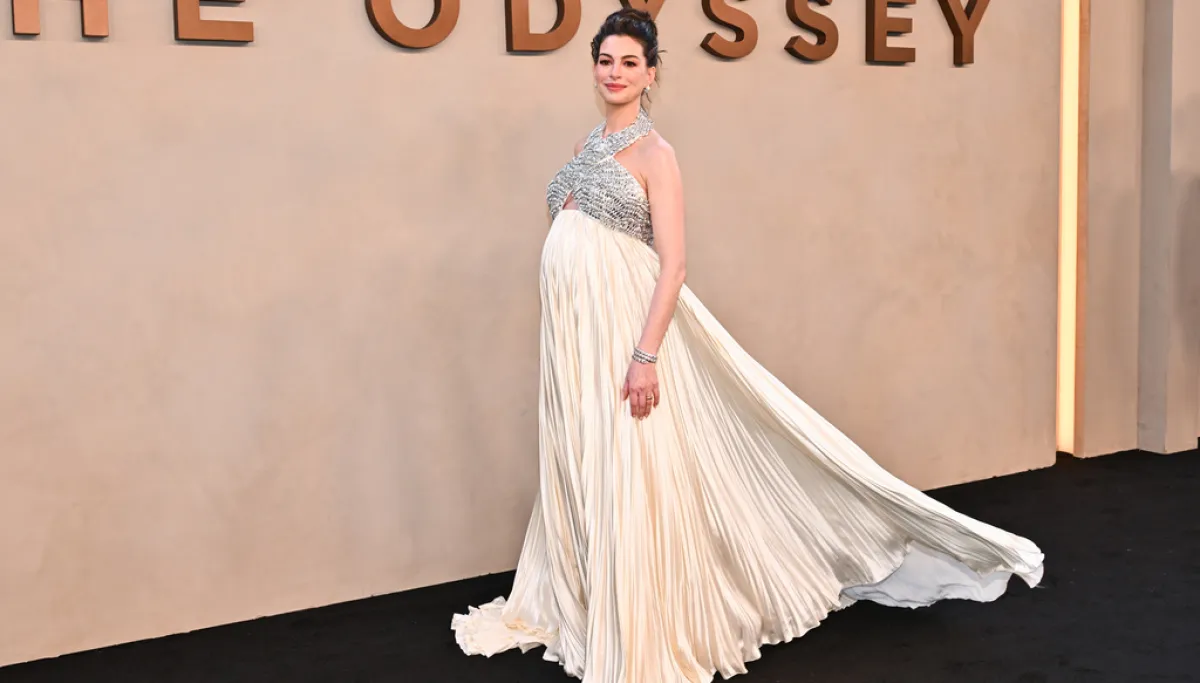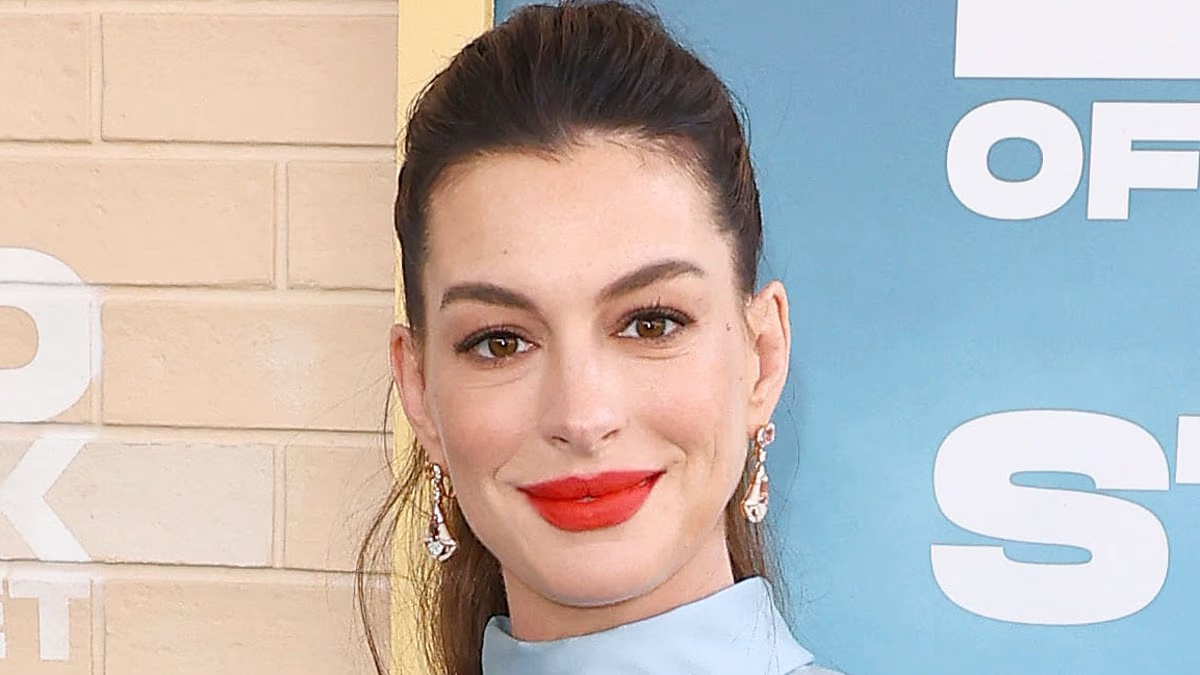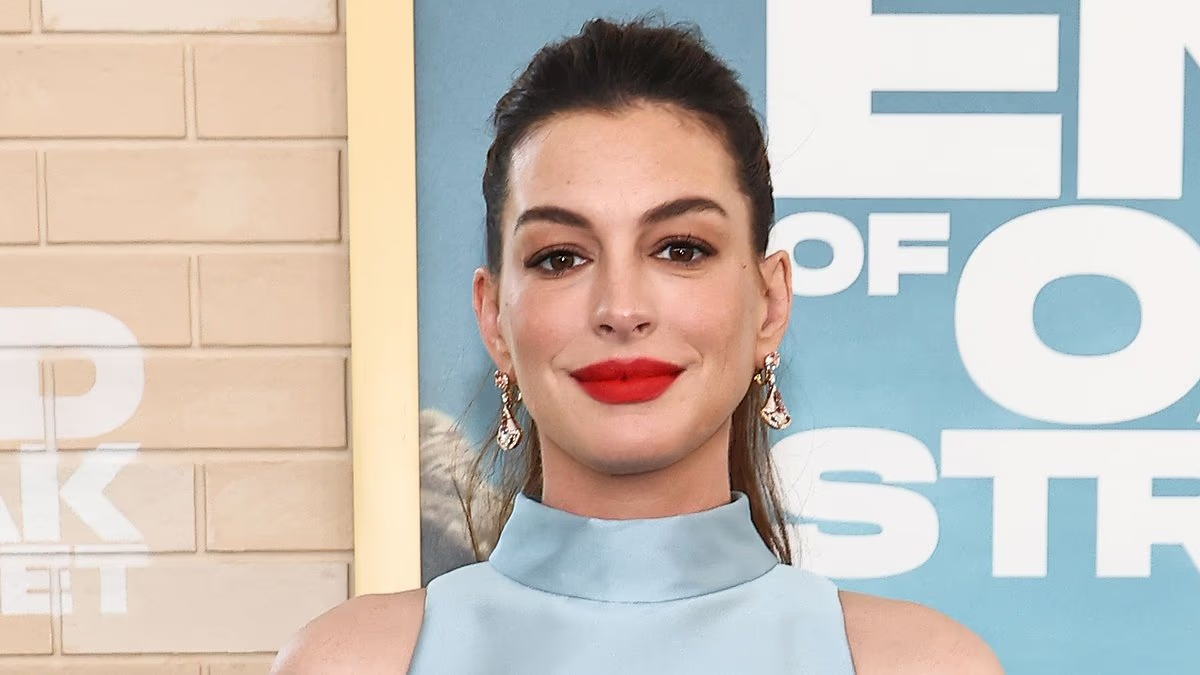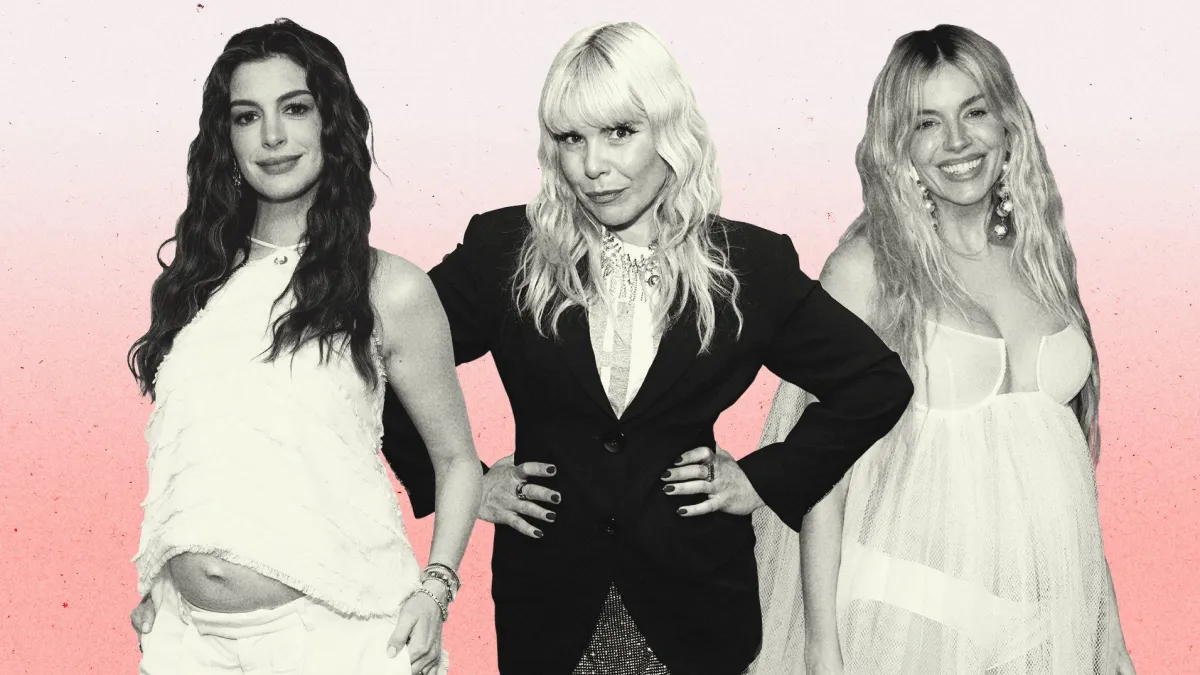
The year of 2026 looks set to become the year that the description “geriatric pregnancy” disappears from our lexicon. We’re witnessing an A-lister over-40s baby boom that is softening even the most judgmental of “too-old-to-be-having-children” critics.
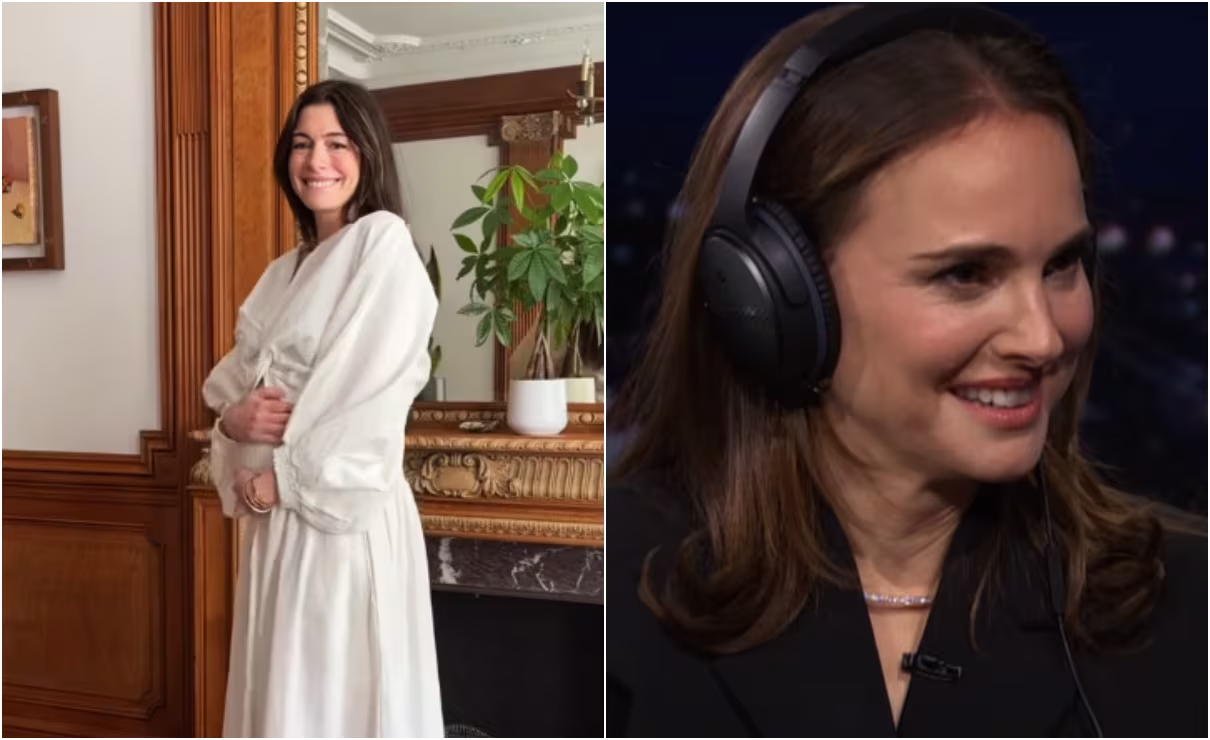
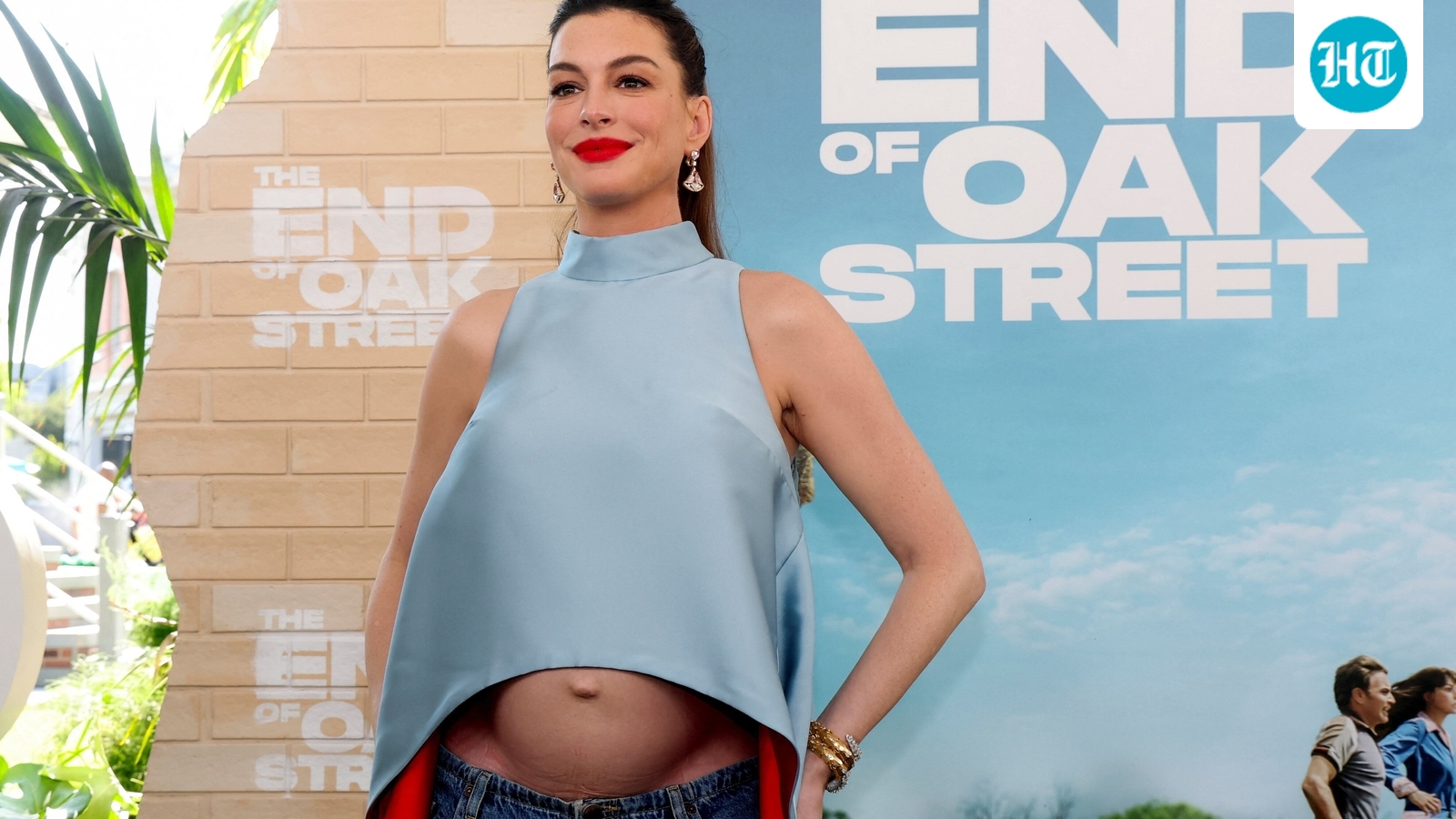
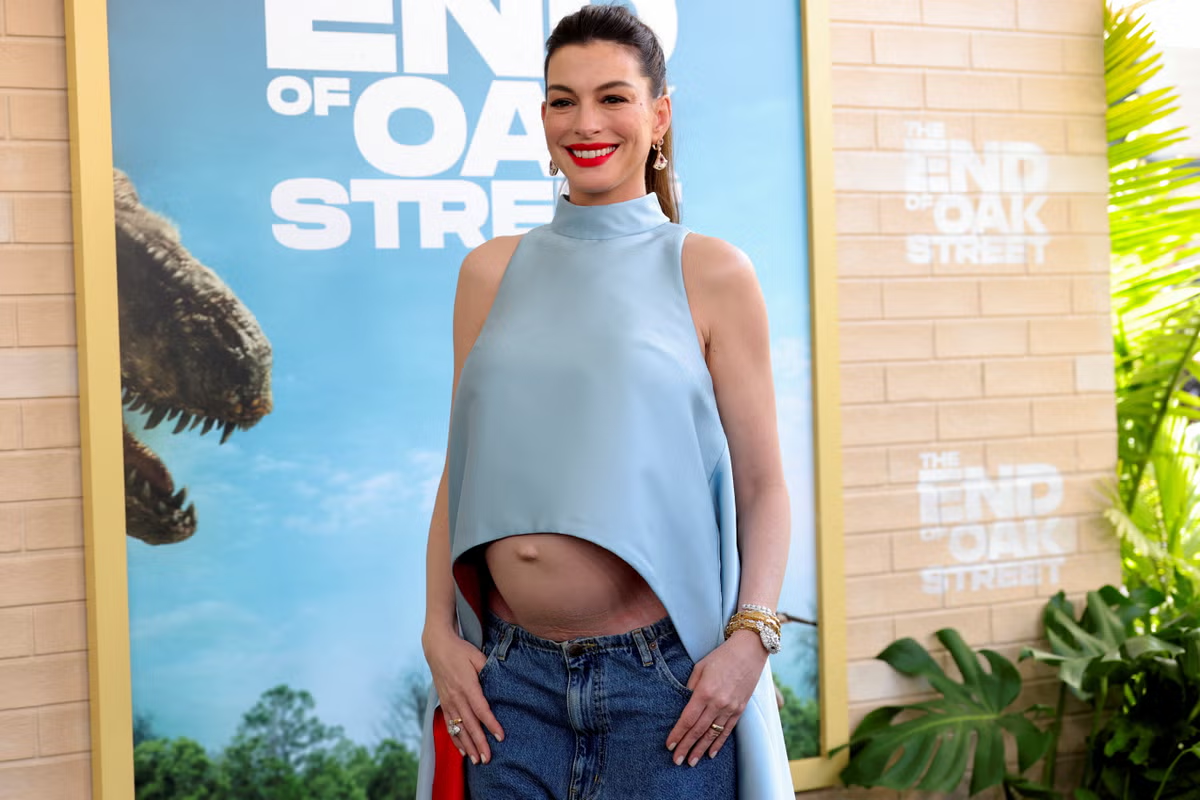
Oscar-winning actor Anne Hathaway, 43, is expecting her third child, while 44-year-old fellow Oscar-winner Natalie Portman is also pregnant with her third. Meanwhile, 44-year-old Sienna Miller had her third child in May, two months after singer Paloma Faith – also 44 – welcomed her third. These celebrities aren’t just adding to their families, they’re challenging outdated attitudes about their ages. Faith described herself as an “OAPmilf” on Instagram while Miller said maternal age is “unbelievably misogynistic and anti-feminist”, adding that “no one has anything to say about… Al Pacino and Robert De Niro having kids in their eighties”. She told Elle Magazine: “If your body is capable of it, have the baby. And by the way, I’m a better mother now, and it’s a much more grounded experience. Forget about your age! It’s absolutely irrelevant.”
But while age is just a number, there are some differences – both good and bad – about having children in your mid-forties. I should know: I had my third child, Juno, age 44. I found the early weeks when she was a newborn much harder than with my older two children. I still don’t know whether it was hormonal – I was deep in perimenopause – or whether I simply found the juggle of trying to meet three young people’s needs really hard. But I was far more emotional and overwhelmed than I’d previously experienced.