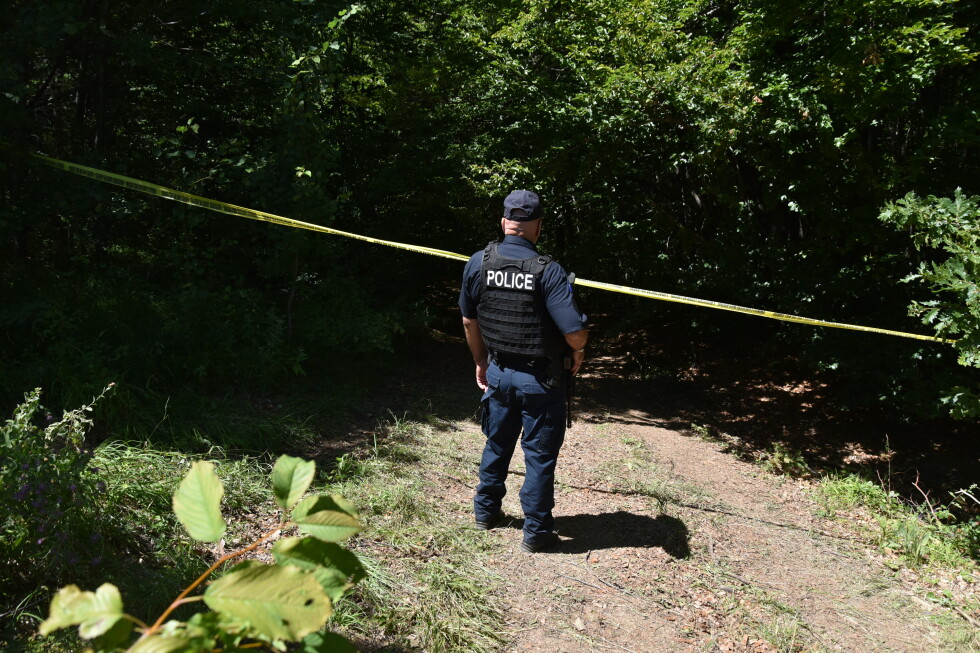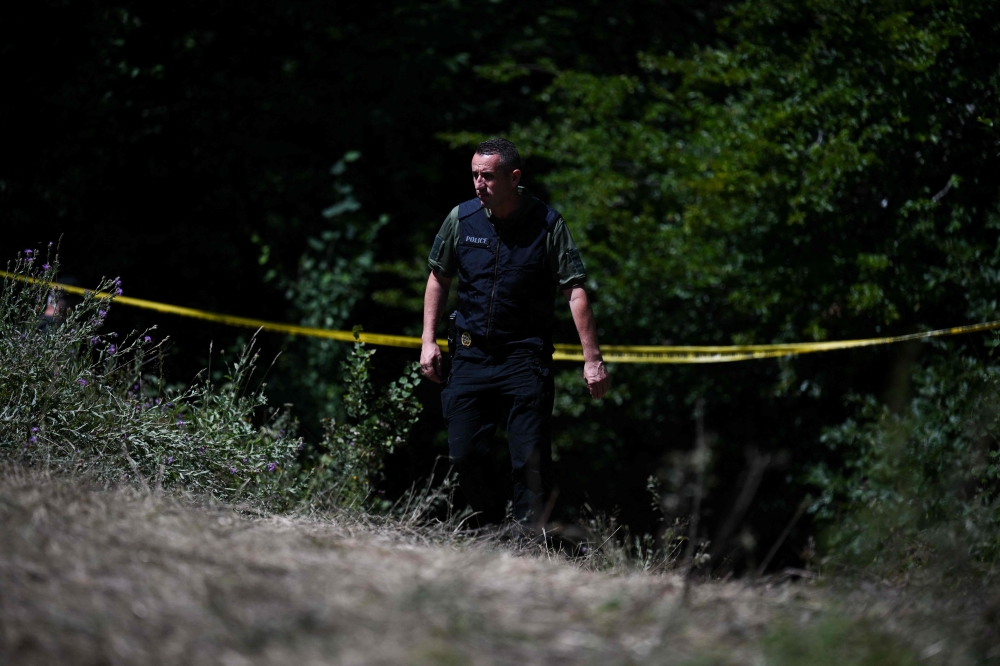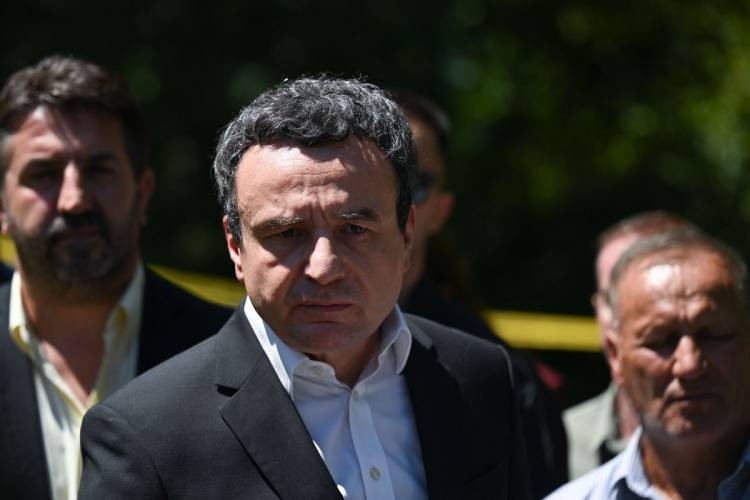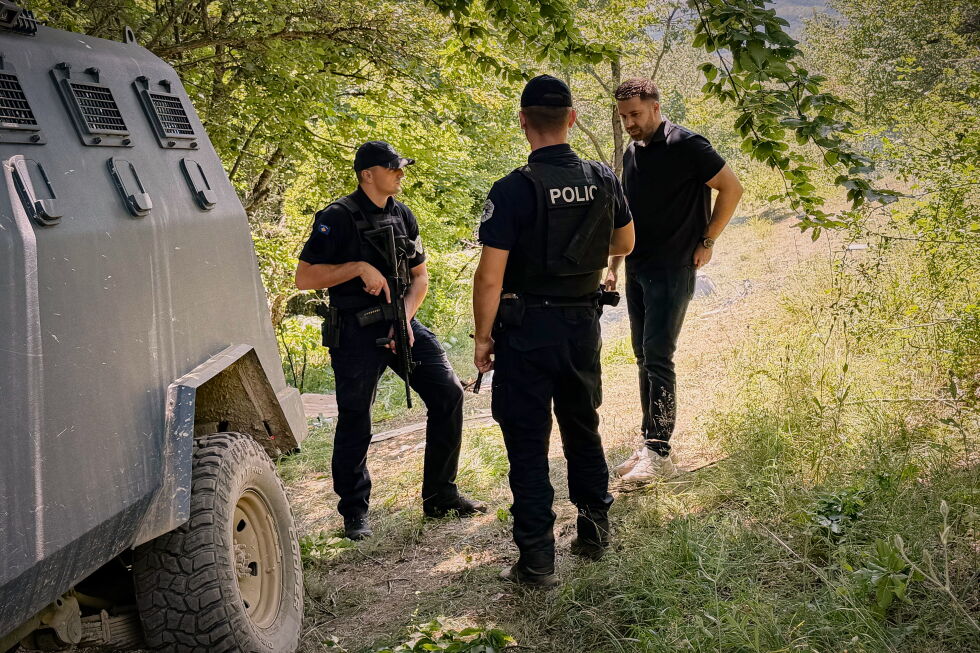
KALLUDER, Kosovo (AP) — Erblin Ademi watched from afar as workers excavated recently discovered mass graves from the 1998-99 war in Kosovo. Nearly 30 years after his father went missing, Ademi both feared and wished that his remains will finally be found. Ademi was just 9 when he last saw his father, Adem Ademi, a prominent surgeon who disappeared along with 22 other intellectuals in April 1999, just months before the end of the war. Some 1,600 people are still missing from the conflict, believed scattered in unmarked mass graves, and Ademi’s family had endured years of anguish and disappointments at failed efforts to find his father’s remains. They are now cautiously optimistic because the newly found graves are near to where Ademi was last seen. Excavations near the villages of Upper and Lower Kalluder, in the northern municipality of Zubin Potok, started in late July after the discovery of human remains there. Kosovo’s Prime Minister Albin Kurti has said that the authorities believe the victims could be the missing intellectuals, who allegedly were caught as they were trying to flee Kosovo to avoid being rounded up by Serb troops.
“Always, when we hear about the beginning of the excavations, there is a mixed feeling, a feeling of hope and a feeling of pain,” Ademi said. “No matter how many years pass, the feeling of pain will always exist … but at the same time there has always been hope, a feeling that finally the truth will be revealed.”Kosovo’s missing include roughly 1,200 ethnic Albanians, around 400 ethnic Serbs and dozens of Roma, according to the Humanitarian Law Center rights group.