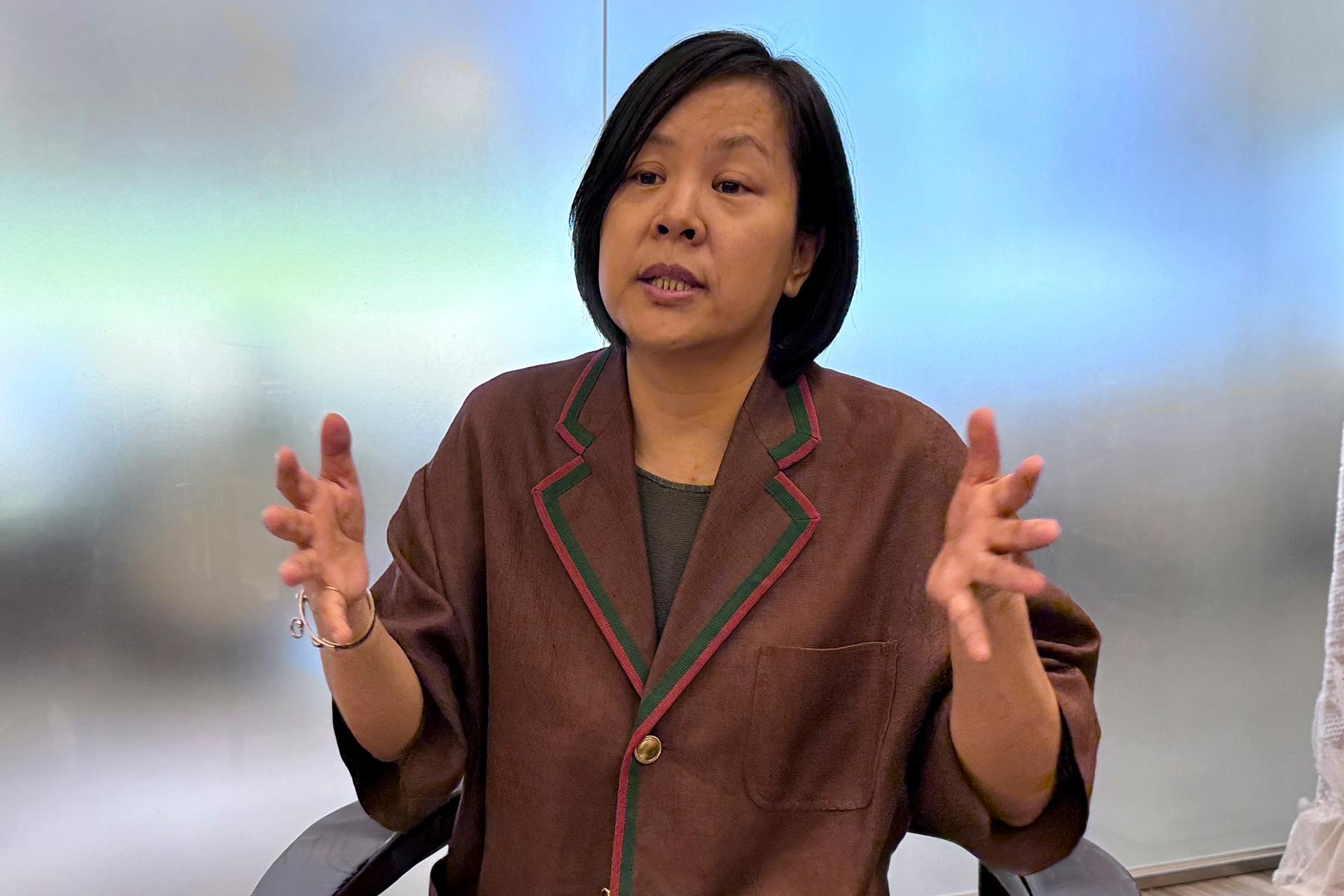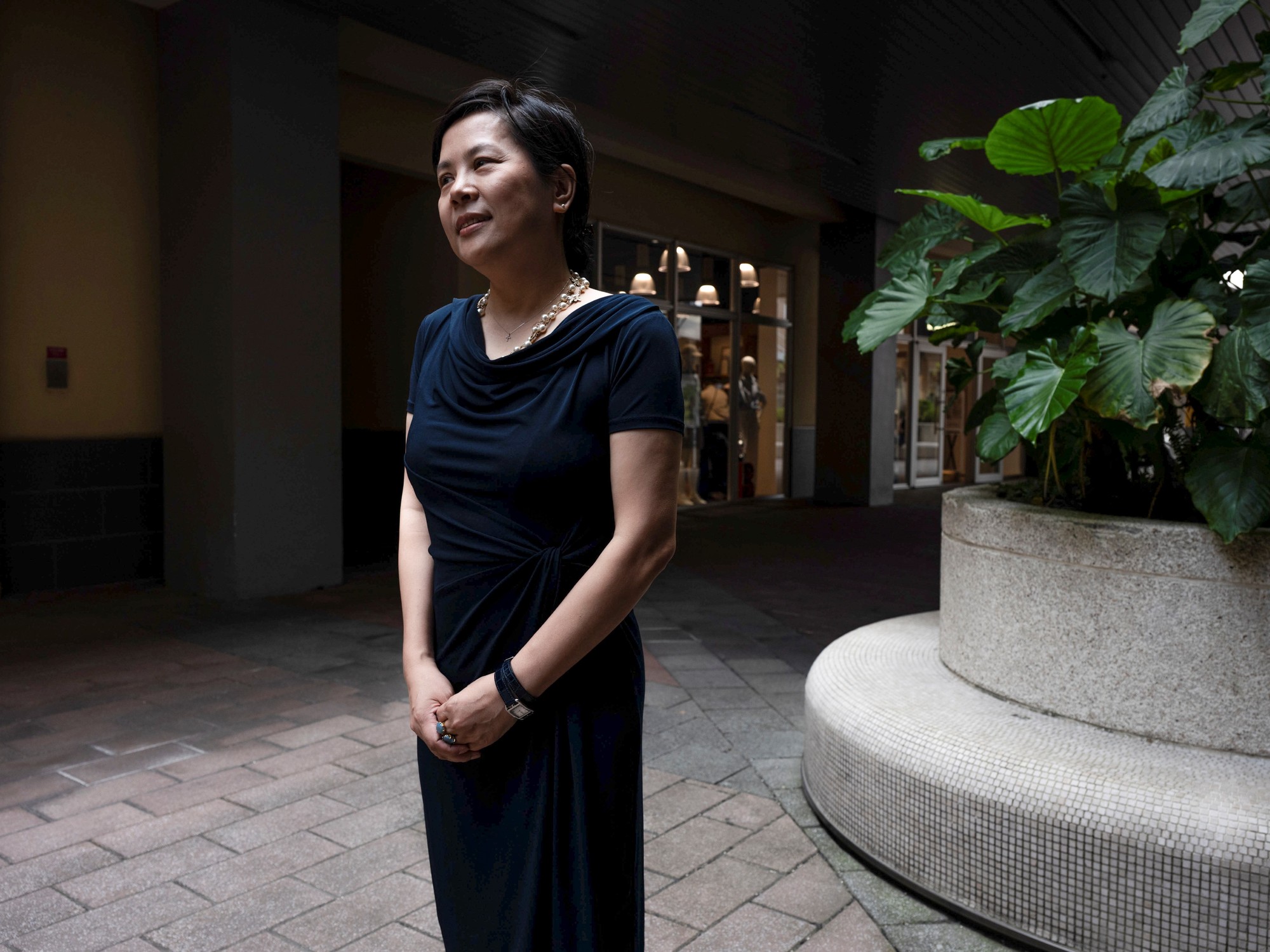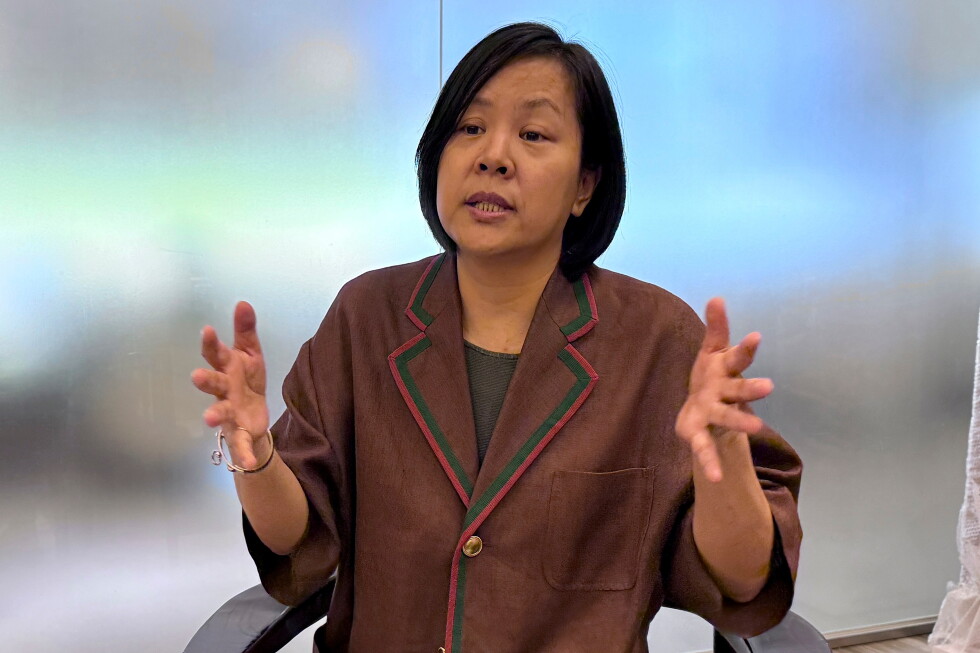
TAIPEI, Taiwan (AP) — The day after Li Chen-hsiu was sworn in as a member of Taiwan’s Legislature, she was questioned about whether she belonged — about her nationality, about her identity and ultimately about her loyalty to Taiwan.That’s because Li is a “mainland spouse” — born in China and a citizen of Taiwan through marriage. She’s part of a community of some 369,000 people in the island nation who are subject to rapidly changing policies — and some say discrimination — as tensions rise with China and Taiwan’s government questions the spouses’ allegiances. For the two months she served before being forced out of the legislature, Li was the country’s only China-born lawmaker who had immigrated to Taiwan by marriage.“It’s only because of Taiwan which has this free and democratic system, and the Taiwan People’s Party which was willing to give a political newcomer a chance, that I could have this opportunity,” she told The Associated Press in July.
But now, fears of a military invasion by China have complicated Taiwan’s policy toward spouses like Li. She is part of a diverse group that includes multiple generations, from those who married retired Chinese soldiers and came to Taiwan in search of better economic opportunity to a younger, more educated and wealthier group that met after both sides relaxed their borders.