Get the latest news and updates from Dawn
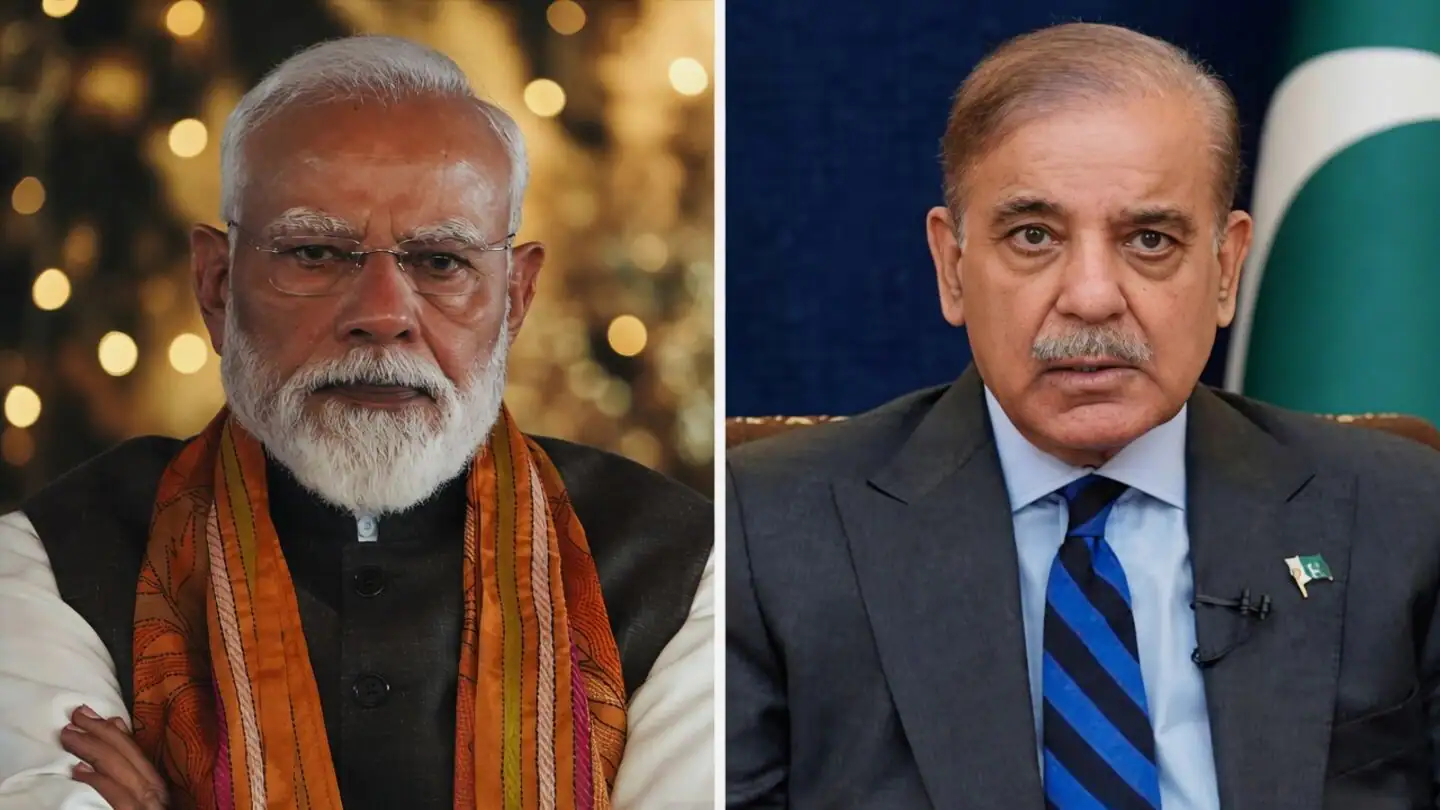
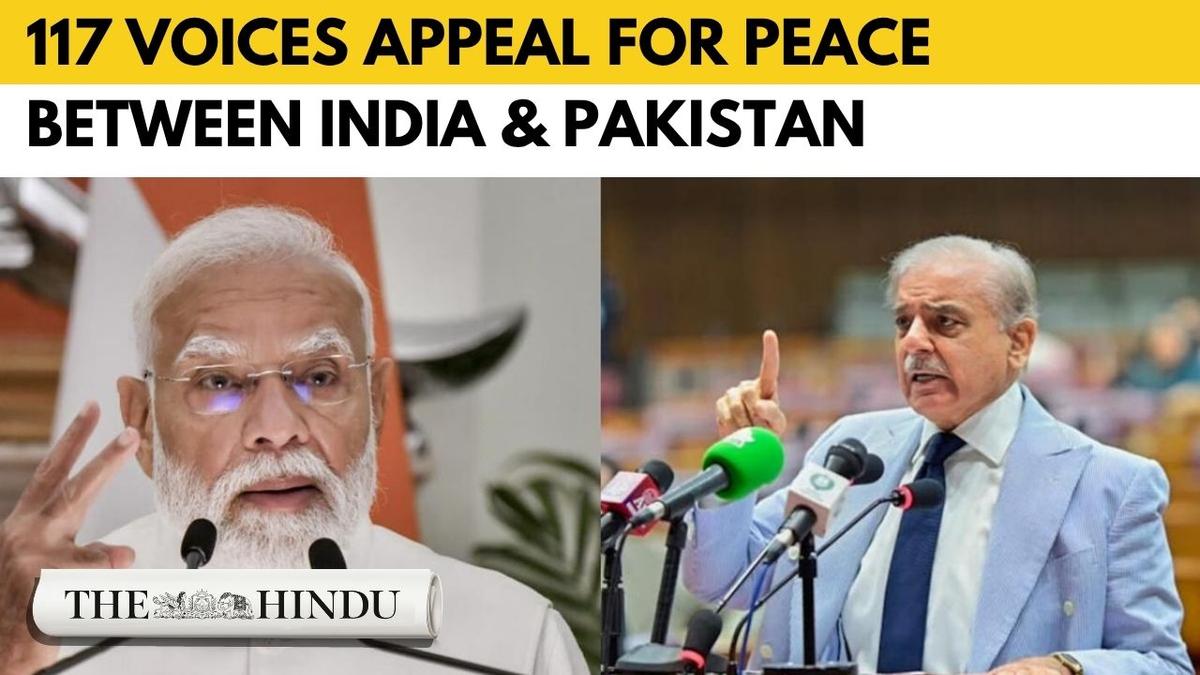
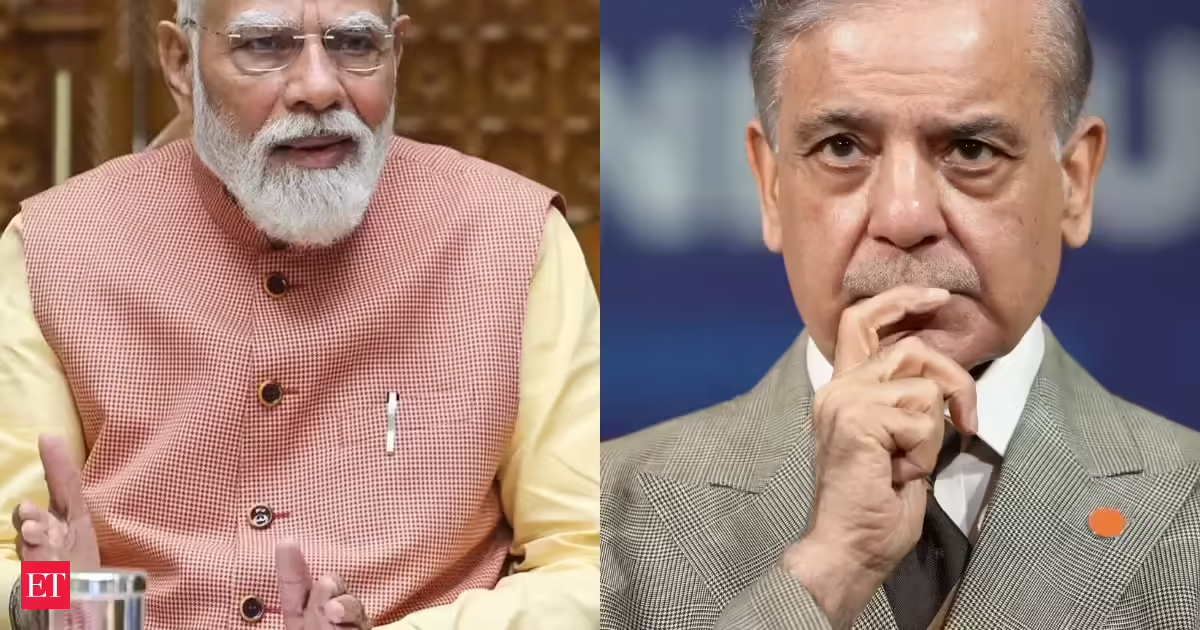
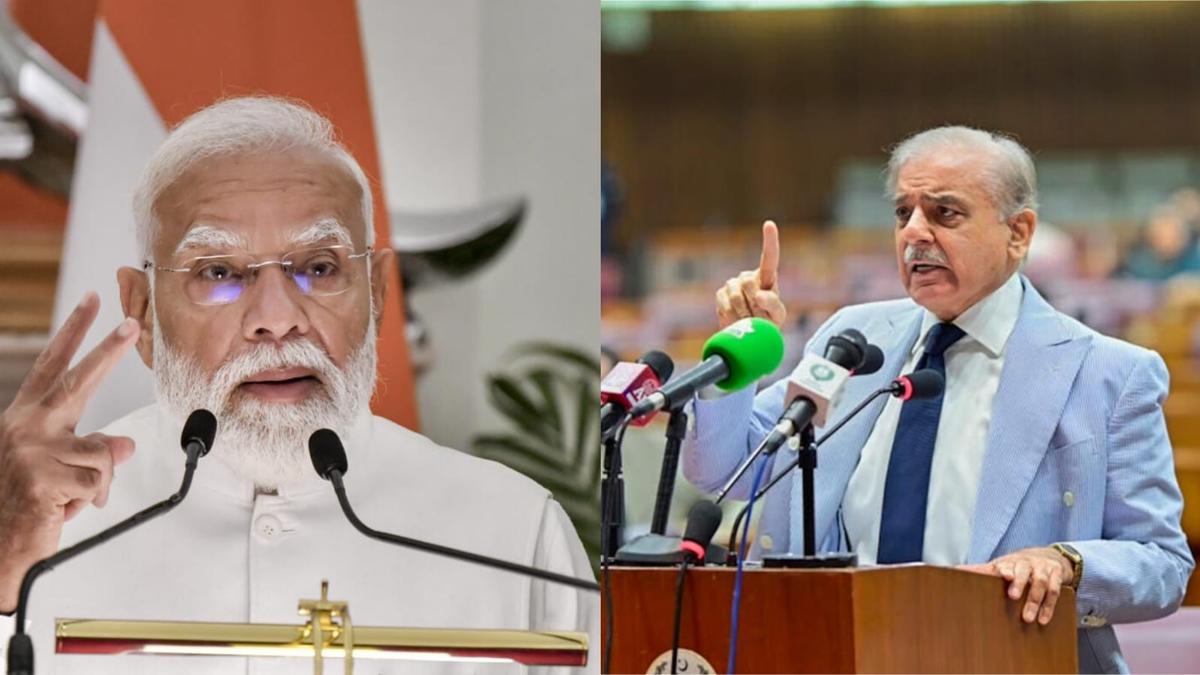
LAST month, 117 prominent activists and former officials from India and Pakistan wrote an open letter to Narendra Modi and Shehbaz Sharif calling on the two prime ministers to resume engagement as both countries faced shared economic, security and environmental challenges that needed urgent attention.
The letter is unlikely to have any effect. The India-initiated absence of a dialogue is not just a consequence of the conflicted India-Pakistan relationship. It is a policy by itself underscoring India’s negative posture towards Islamabad that betrays no hint of a change.
Even if the dialogue did take place it might change little. Historically, whether or not India and Pakistan were talking, their relationship showed little variation, as if it had been inoculated against friendship since infancy. Yet the relationship is not doomed forever; its failure is less due to the complexity of issues than to the policy choices by the two sides, especially India.
Modi’s hard line on Pakistan is not exceptional. That has been the default position of most Indian leaders. Yet, there are aspects that are new. Traditionally, India has had a foreign policy and a Pakistan policy. Since 2014, when he became PM, Modi’s Pakistan policy has had no precedent in hostility, intransigence and intolerance.