One defining point of US President Donald Trump’s second administration has been the over US$5 trillion in foreign investment commitments secured through trade deals. These commitments have survived even after the Supreme Court ruled that the President is not authorised to unilaterally impose tariffs under the 1977 International Emergency Economic Powers Act.
These investment deals were negotiated under tariff threats and are often criticised as excessive, asymmetric, extractive and partly infeasible. While these coercive dimensions are undeniable, Japan — which has committed to making US$550 billion in US investments, loans or loan guarantees — has moved proactively. Tokyo has announced two rounds of investment projects and reformed its trade insurance law to create a special underwriting framework and strengthen Nippon Export and Investment Insurance (NEXI)’s financial base for strategic investment in the United States.
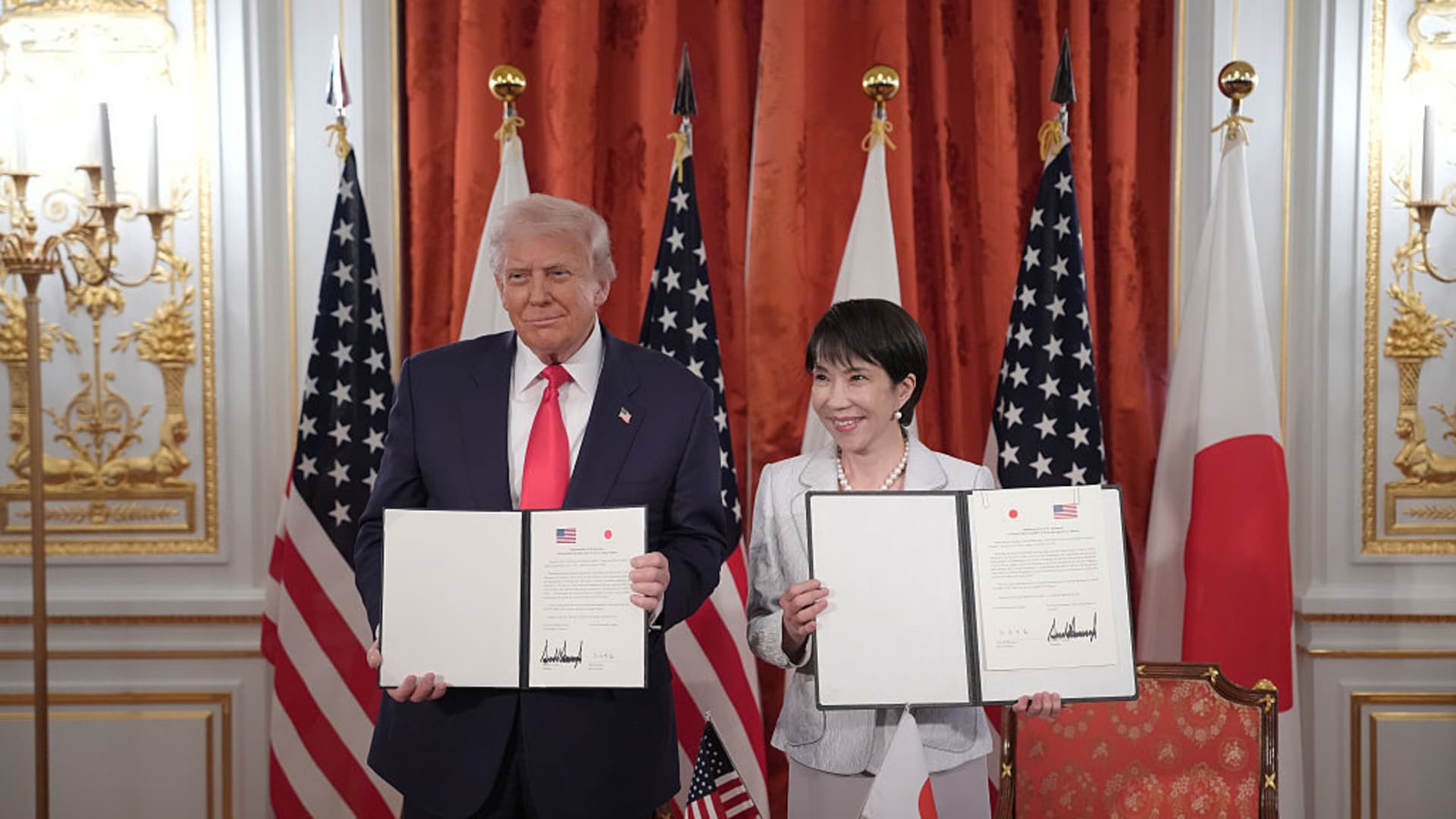
The July 2025 US–Japan Strategic Trade and Investment Agreement fact sheet frames the benefits of Japan’s strategic investment in supply-side terms — to ‘strengthen vital supply chains’ and provide support for US employment. These benefits are limited from Tokyo’s perspective, as the investments take place on US soil.