The Commission said that, while trade policy is an exclusive competence of the EU, there is room for exceptions
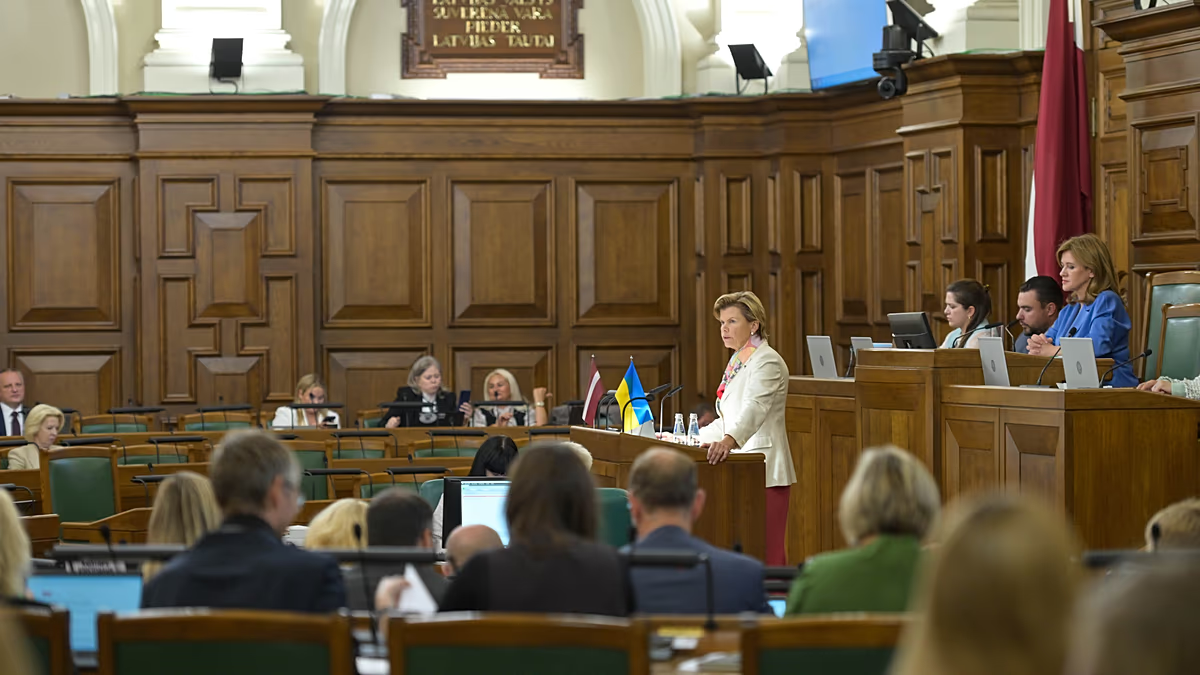
Latvia, a longstanding advocate of curbing food imports from Russia, once again decided to go it alone as Brussels struggles to widen restrictions on Moscow.
The Baltic country first imposed restrictions on the import of several agricultural products from Russia and Belarus, including cereals and vegetables, in 2024, and has repeatedly extended them. The same goes for neighbouring Lithuania, which maintains a similar ban.
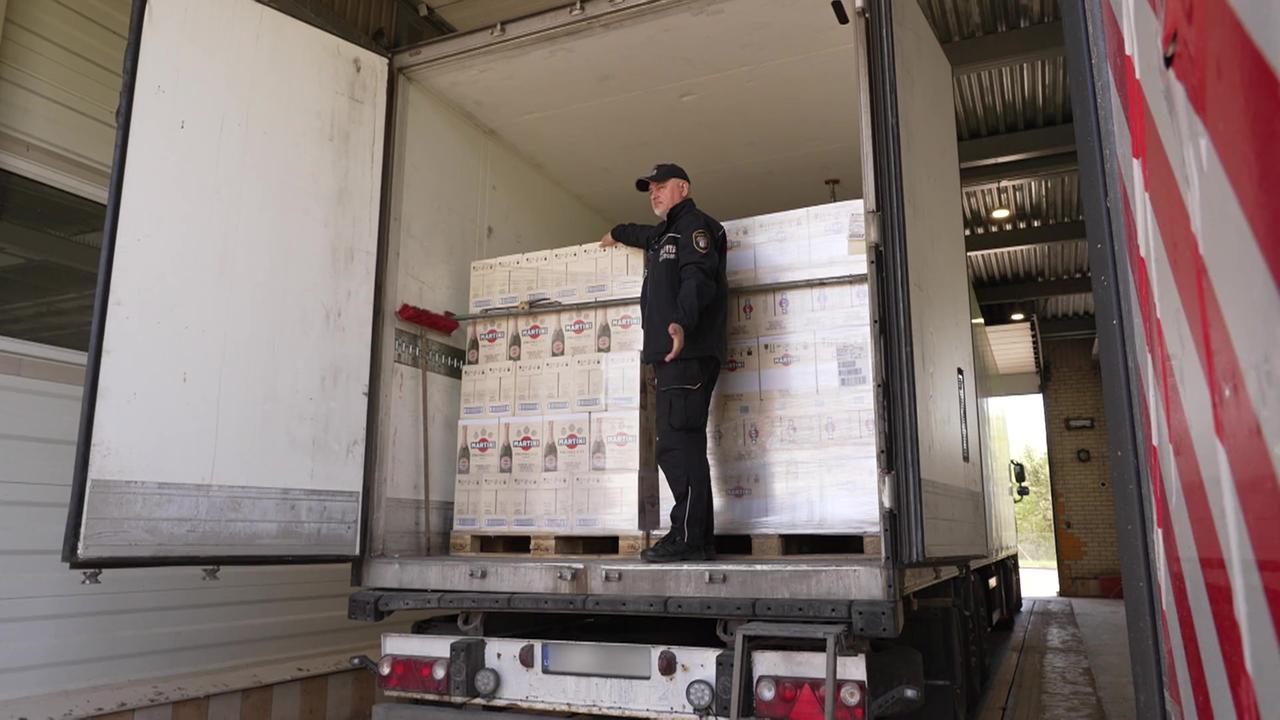
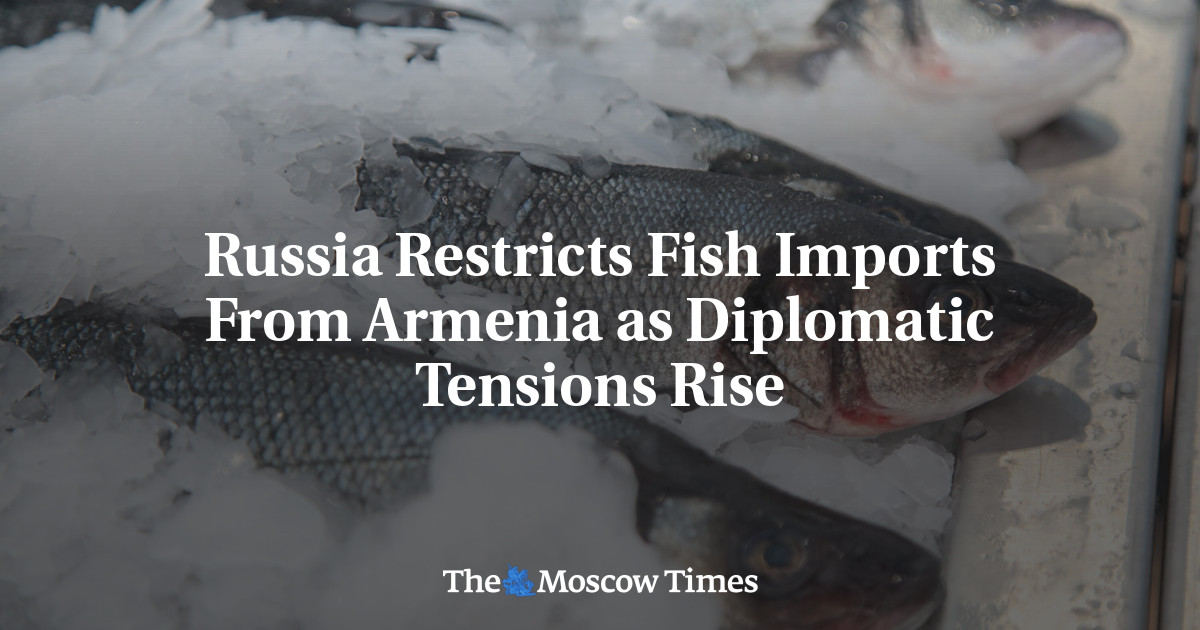
Earlier this month, Riga expanded its sanctions list to include Russian seafood. The Latvian government went further this Tuesday and proposed legislation to cover a wide range of processed foods, from chocolate and confectionery to beer.
The move comes shortly after the European Commission failed to gather enough support for EU-level restrictions on Russian fish, which proved too sensitive for member states processing large quantities of white fish such as cod and pollock.