Roughly three years after ChatGPT’s release, law schools across the world have started to draw lines lines on AI use. One of the first was UC Berkley, followed by University of Texas at Austin sometime after.
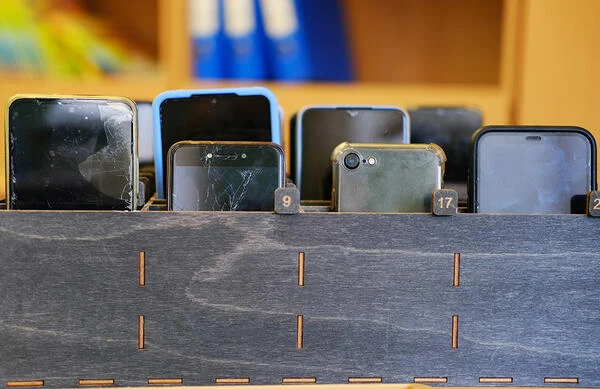
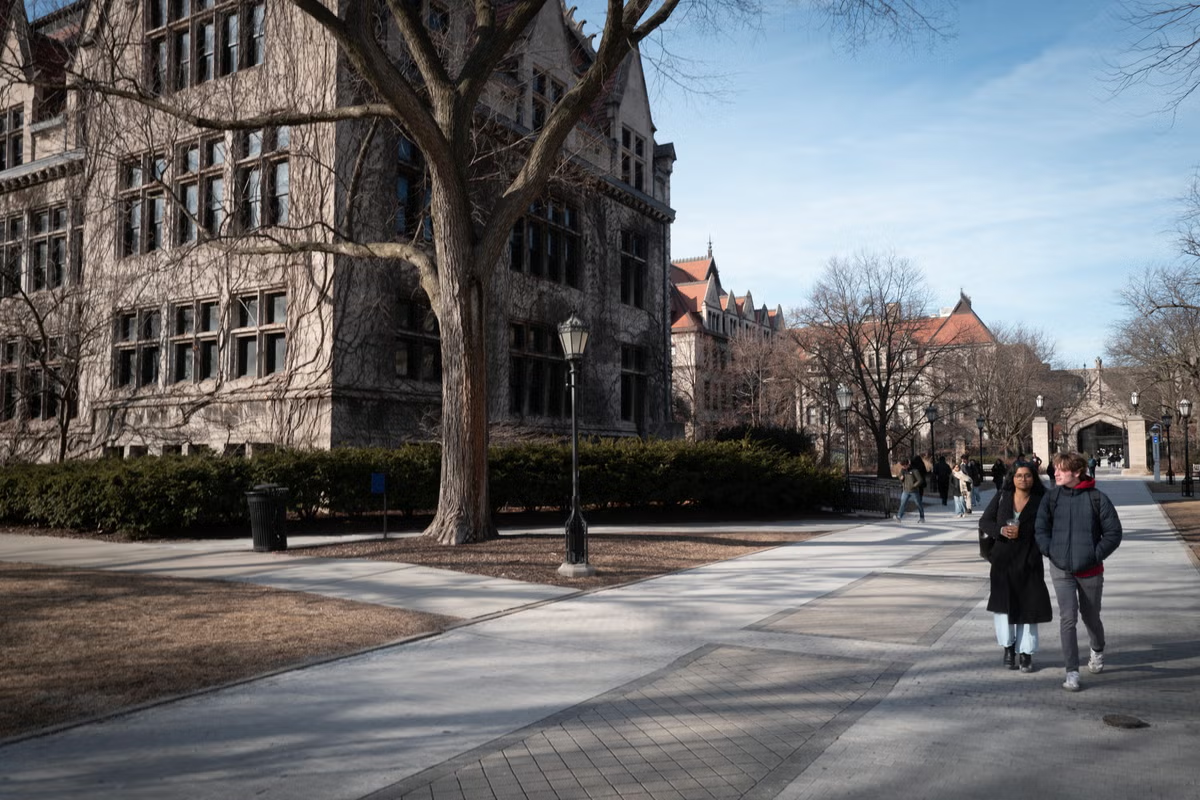
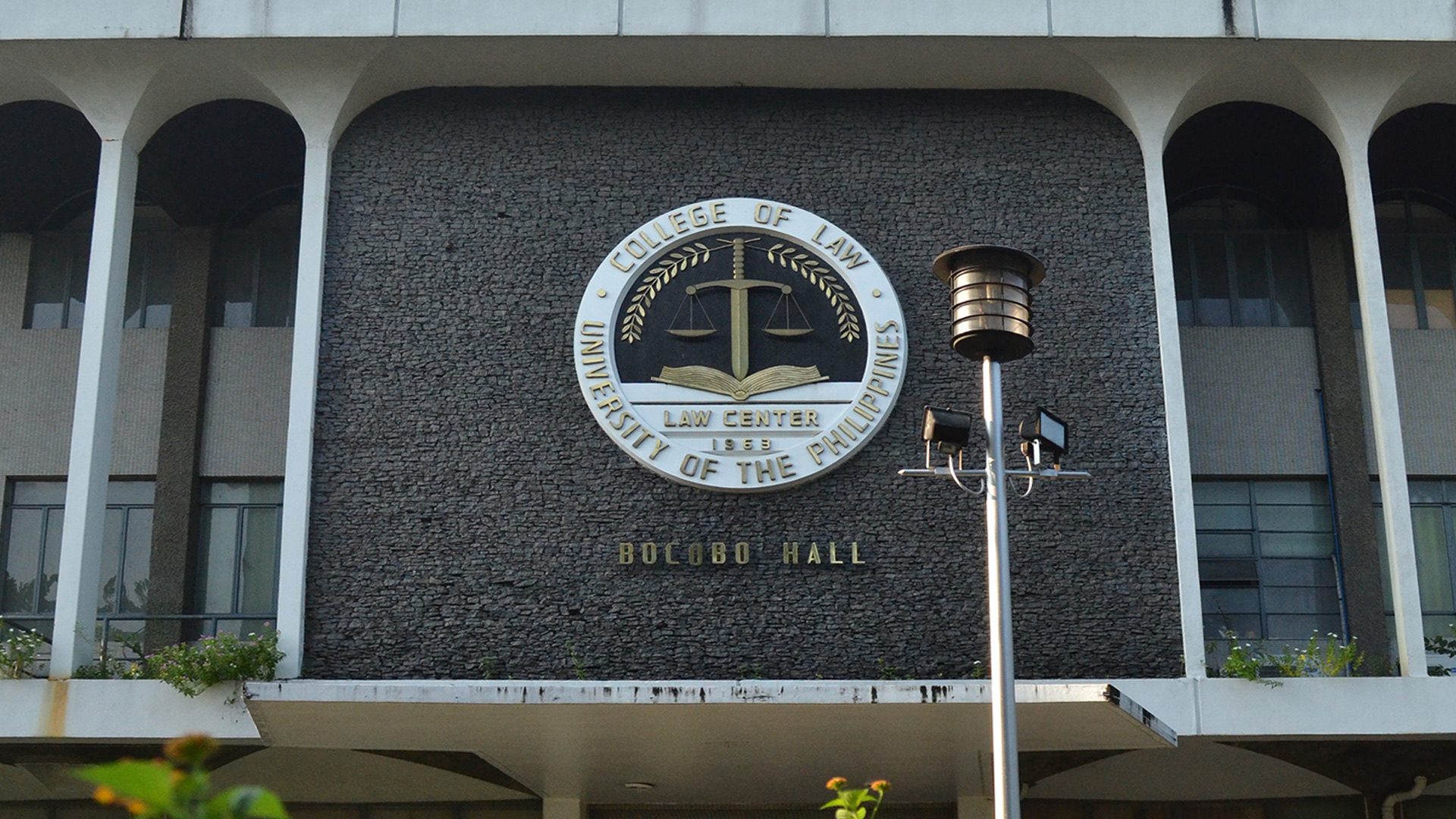
This July, the University of Chicago Law School announced it will ban laptops, tablets, and phones in the classroom. Last week, the University of the Philippines (UP) College of Law announced it will be implementing a similar restrictive policy for freshmen classes starting this semester (AY 2026-2027).
The policies advanced by these law schools seem aligned with the Supreme Court’s own recent reminder on the use of AI by lawyers and judges. Their common focus is re-emphasizing the human element of justice and the responsible use of tech. UP Law’s policy prohibits “the use of digital or electronic devices (e.g., phones, laptops, tablets, smart watches, smart glasses, recorders)” for first year classes (which is regulation of, not a total ban on AI).
I didn’t have a hand in formulating UP Law’s policy. This is not to say I don’t agree with it. For decades I’ve never allowed electronic devices inside the classroom except for very specific (and rare) reasons. What follows is part of the thinking that underpins this long-standing rule of mine. It shouldn’t be attributed to UP Law whose faculty I don’t have the authority to represent.