In this report, DAMILOLA AINA examines Nigeria’s evolving petrol pricing system and finds that competition, market structure and global market forces — not production capacity alone — now largely determine fuel prices. Drawing on an extensive analysis of gantry prices and import landing costs, the investigation shows that petrol prices increasingly respond to international crude oil movements, exchange rate fluctuations and import parity rather than the cost of refining fuel locally
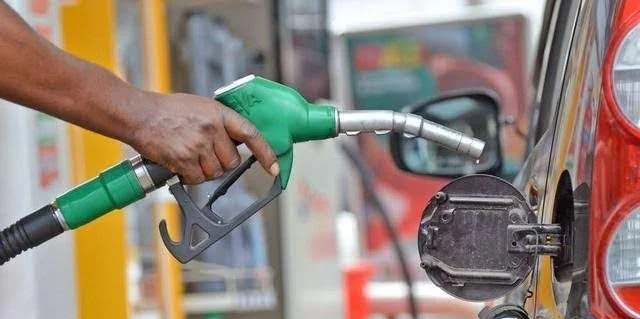
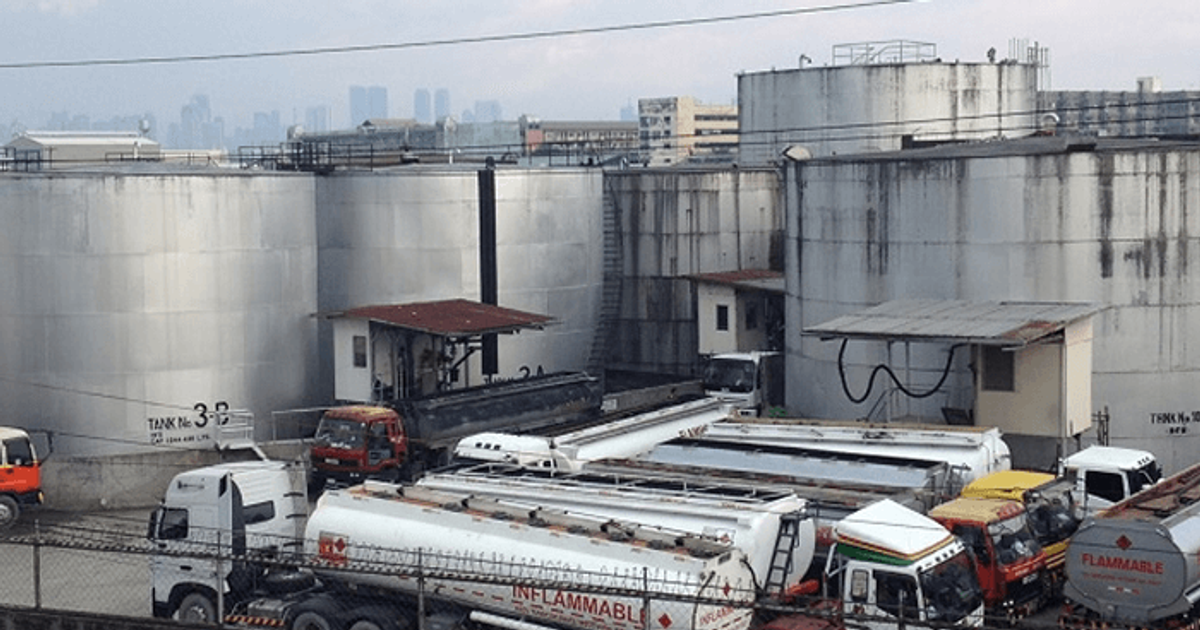
There is a quiet but intense contest shaping the price of Premium Motor Spirit (petrol) in Nigeria. It is not always visible at filling stations, but it plays out daily at depots and gantries, where refined fuel enters the distribution chain that powers transportation, commerce and the wider economy.
Prices rise and fall—sometimes sharply, sometimes subtly—in response to forces that often extend far beyond Nigeria’s borders. Petrol pricing has become more than a market mechanism; it reflects the country’s deep integration into global energy markets. The evidence now points to a fundamental shift: in today’s downstream market, pricing power matters more than production power.
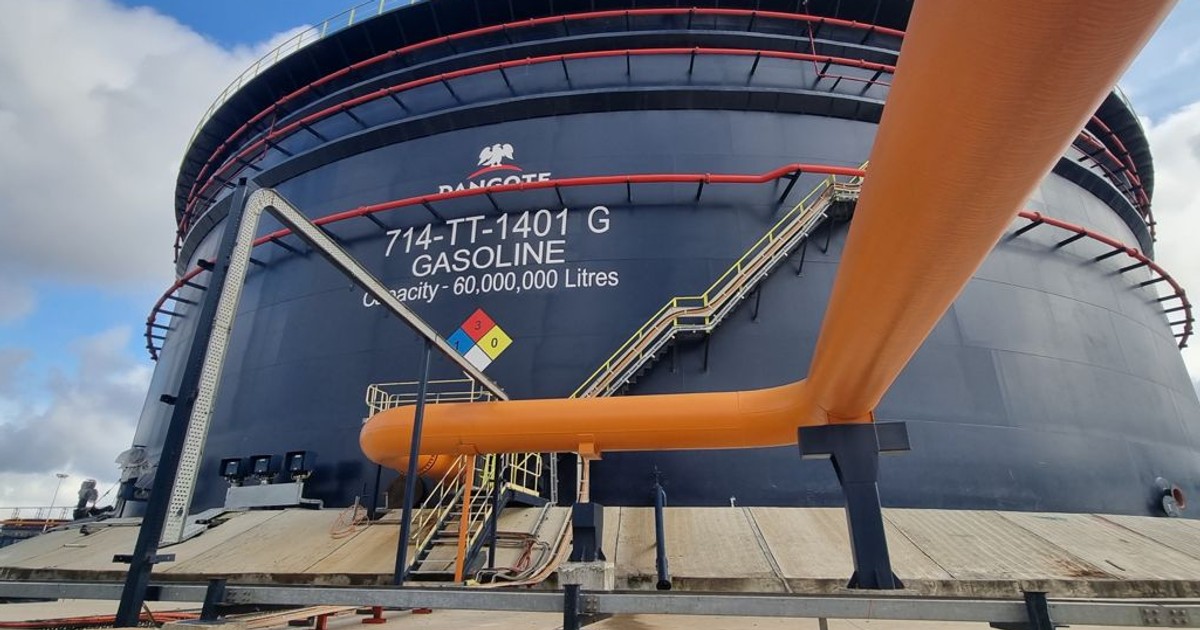
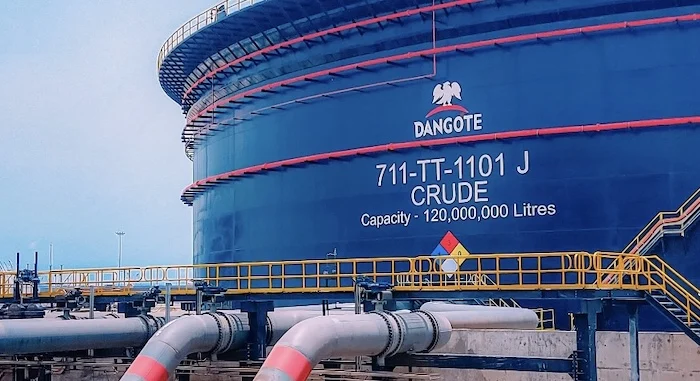
For years, Nigerians believed the solution to high petrol prices was straightforward—refine more crude locally, reduce imports and prices would fall. The commissioning of the Dangote Petroleum Refinery strengthened that expectation. Built at a cost of about $20 billion, the refinery was designed to process 650,000 barrels of crude per day. It is now reportedly refining about 700,000 barrels daily, with plans to expand capacity to about 1.4 million barrels per day within three years.