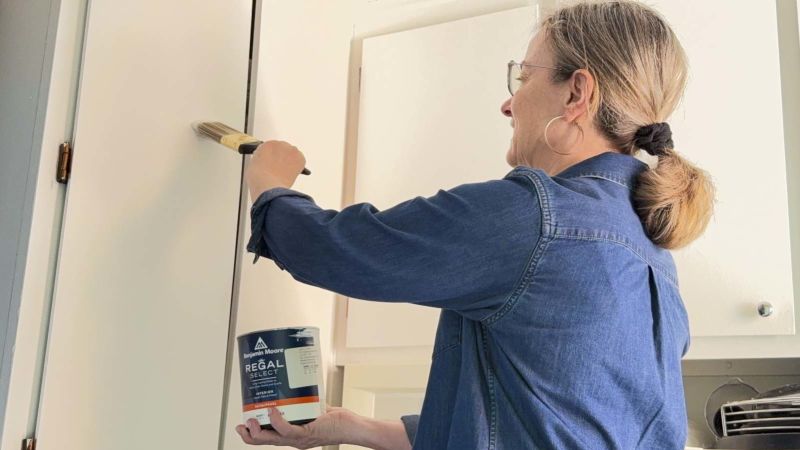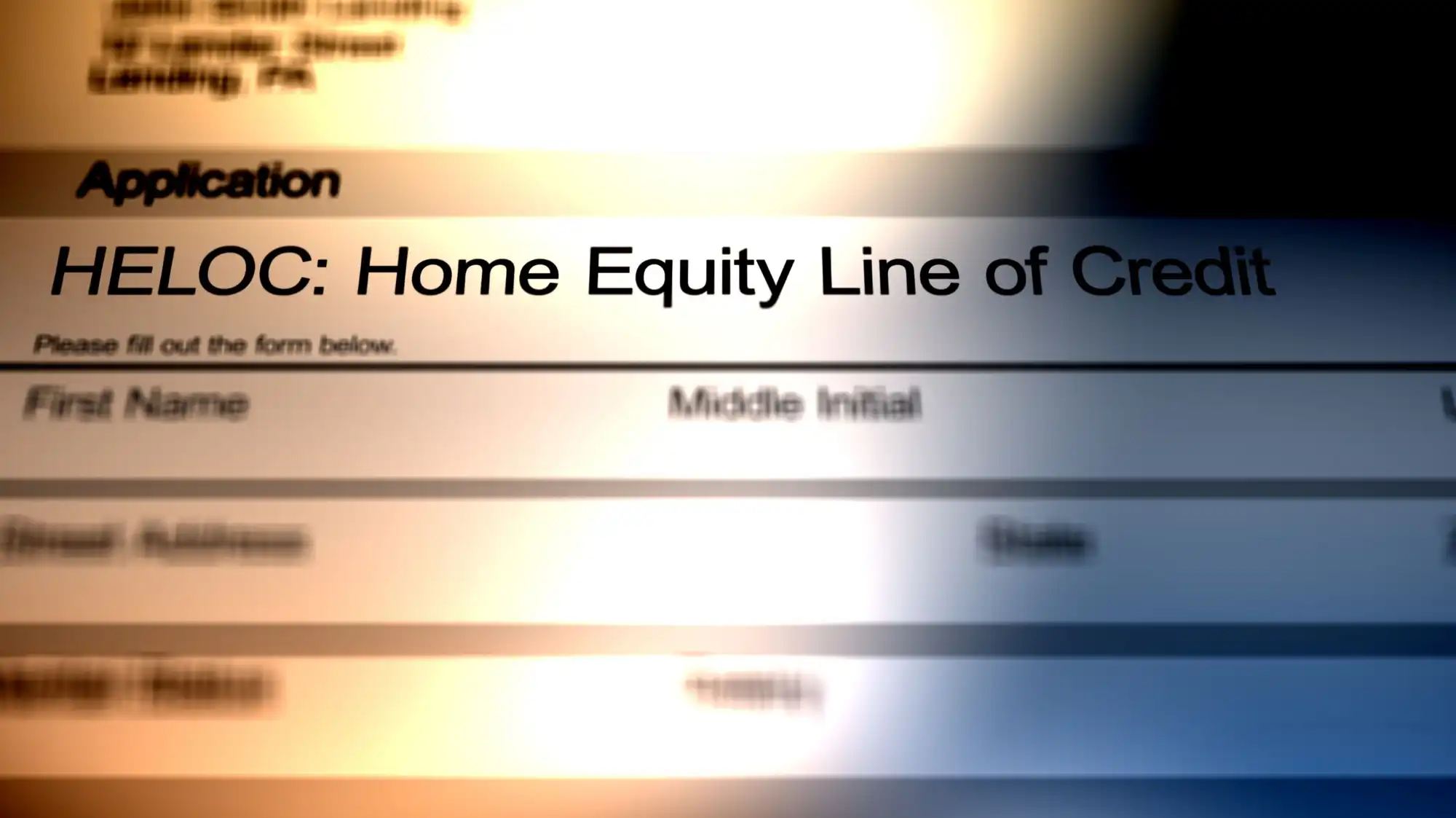
The latest household debt and credit report from the New York Fed came out Tuesday morning. Big picture: household debt decreased in the second quarter. But one area where borrowing has grown for 17 straight quarters is home equity lines of credit (HELOCs). Borrowers tend to use these lines of credit to fund big purchases — and the data shows that’s what they’re using them for now, according to Susan Wachter, a professor of real estate at the University of Pennsylvania’s Wharton School.“They’re using it for home renovation, they’re using it to send their kids to schools,” Wachter said. “Using their house as a piggy bank, essentially.”HELOCs are the piggy bank of choice because rates have gone down. The average interest rate on a credit card is just under 20%. On a personal loan, it’s more than 12%. On average, a HELOC sits at 7.44%.“It’s a far less expensive way of borrowing,” Wachter said.Surges in HELOCs tend to mean borrowers are feeling confident in the economy and in their own personal economies. ”They’re typically reserved for very high credit quality individuals,” said Andy Walden, head of mortgage and housing market research at Intercontinental Exchange. “It’s not uncommon to see 760s, 780 credit scores for folks that are taking out lines of credit. “And homeowners are especially confident now because of rising home values. Walden said the average American homeowner has more than $210,000 in tappable home equity. “Half of that equity is held by folks that have an interest rate on their first mortgage that’s below 3.5%,” he said.Plainly put, people who bought homes during the pandemic are feeling more flush. So, they’re using their equity to stay put, remodel, and get ahead. But Linda Bell, a home lending expert at Bankrate, cautioned against banking on your home’s value as wealth. “I think a lot of people out there are house rich, cash poor,” Bell said. “And this can be very dangerous, because you feel like ‘I have all this money,’ but you need to be responsible and understand that you can pay it back.”HELOC delinquency rates are historically low, but they tend to rise when borrowing costs go up — and when the economy slows.
Why lines of credit have become a preferred piggy bank for homeowners
As interest rates on other forms of borrowing grow, HELOCs have become increasingly popular among homeowners with high credit scores.
366 words~2 min read