World marks second warmest July on record
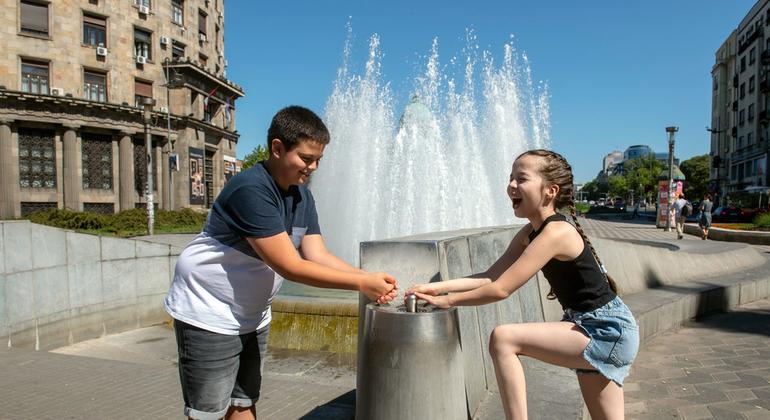
The UN agency said the past month was the second warmest July on record worldwide, according to the Copernicus Climate Change Service (C3S), a European Union initiative. Average surface air temperatures were 1.47°C above the estimated pre-industrial baseline, and sea-surface temperatures were the highest ever recorded for the month of July. No ‘holiday mode’ The heat is still on in August. Although this month marks the height of the vacation season across Europe and other parts of the northern hemisphere, some workers are not getting a break, according to WMO Spokesperson Clare Nullis. Many national meteorological and hydrological services, emergency management and response teams as well as health professionals “are really working tirelessly because of all the extreme weather that we are seeing,” she told journalists in Geneva. “And it’s not just extreme heat,” she said. “We’re also seeing extreme rainfall, tropical cyclones. So, we’re not in holiday mode at all.”
© Adobe Stock/Arafat
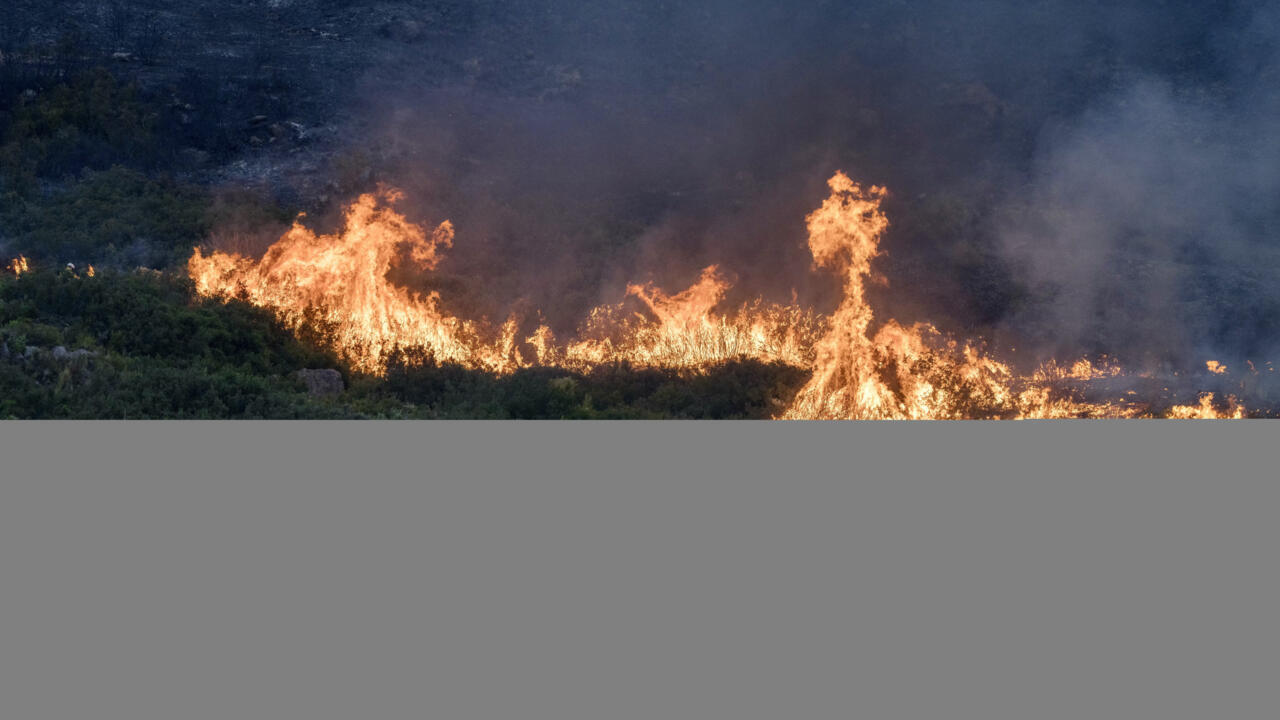
A firefighter surveys the smoldering aftermath of a wildfire in southern France.
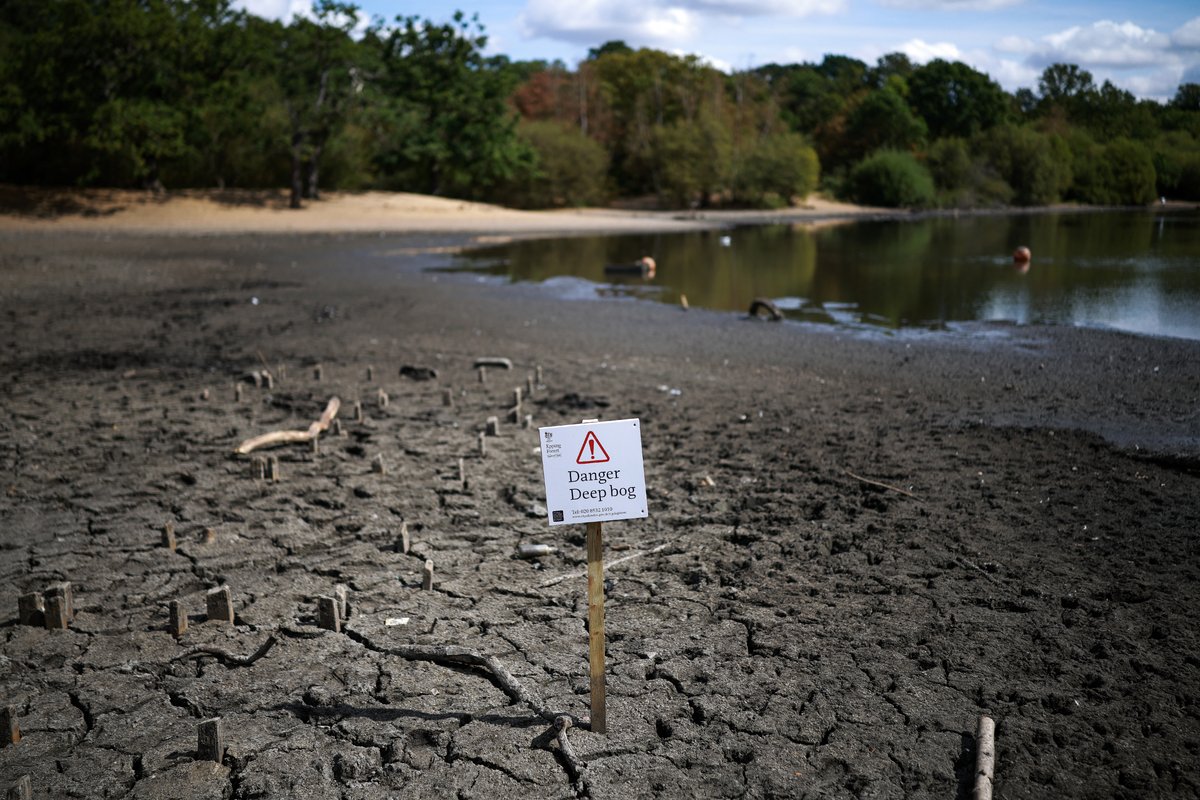
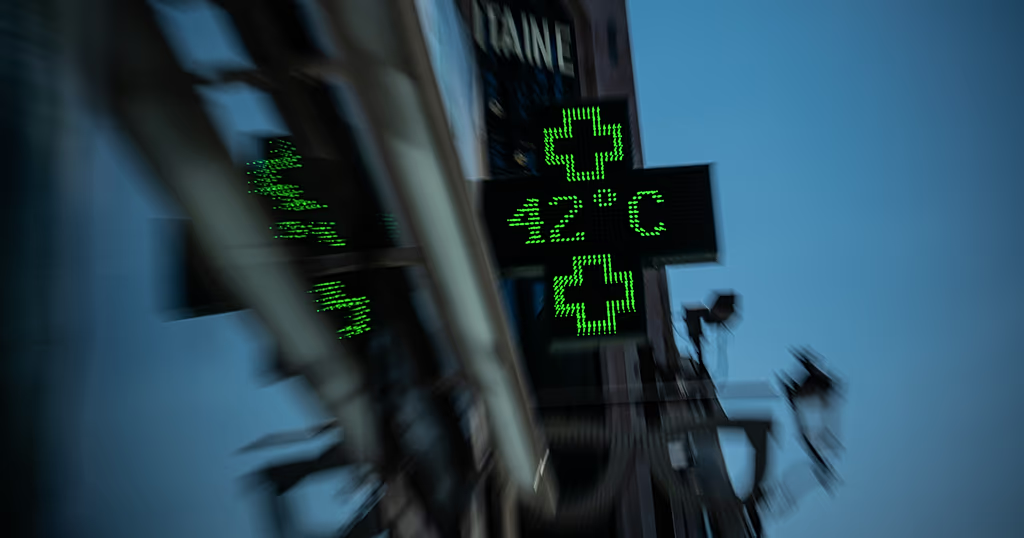
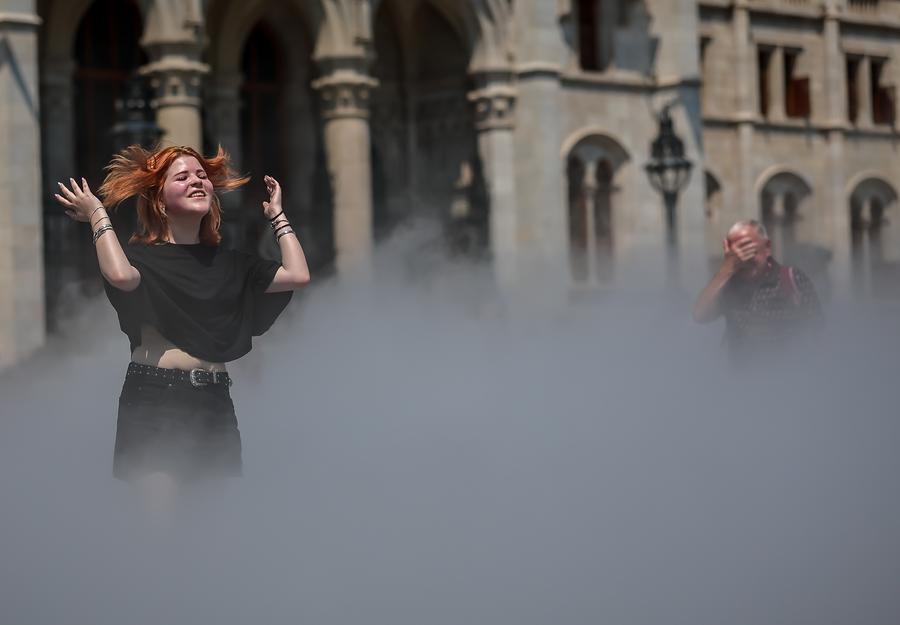
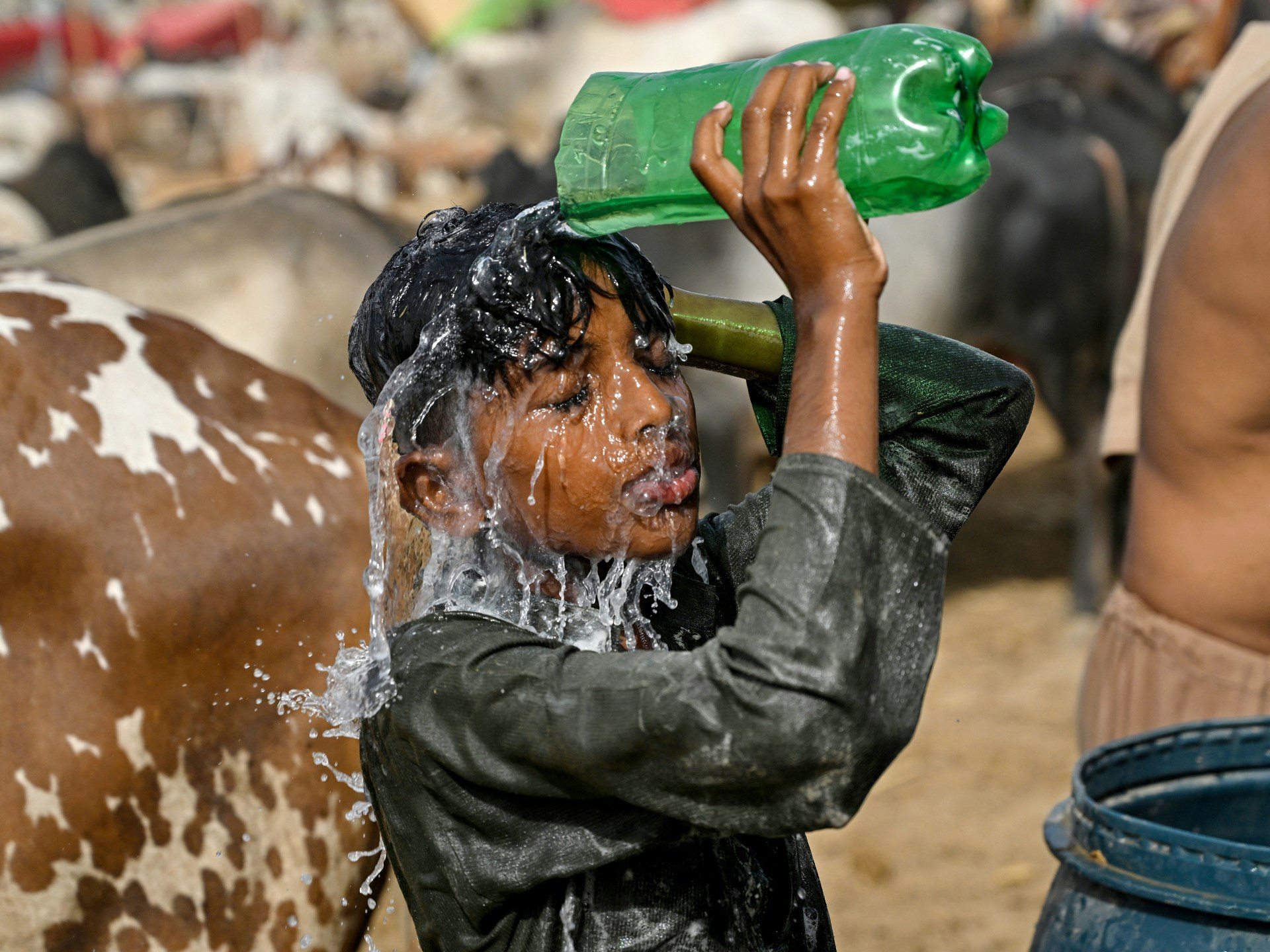
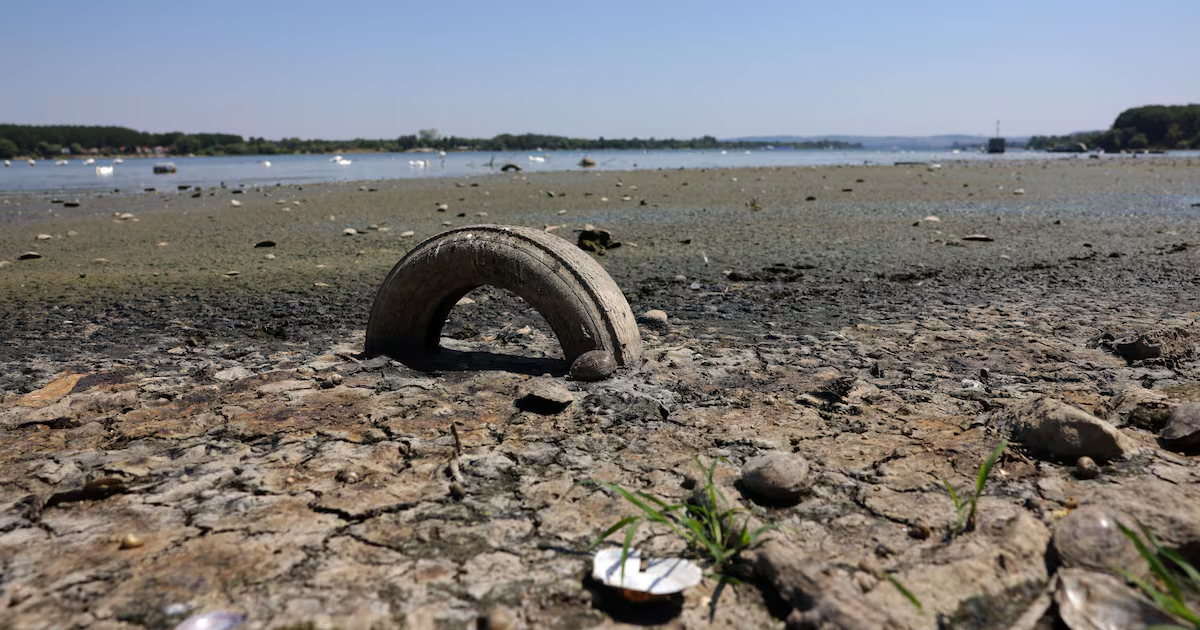
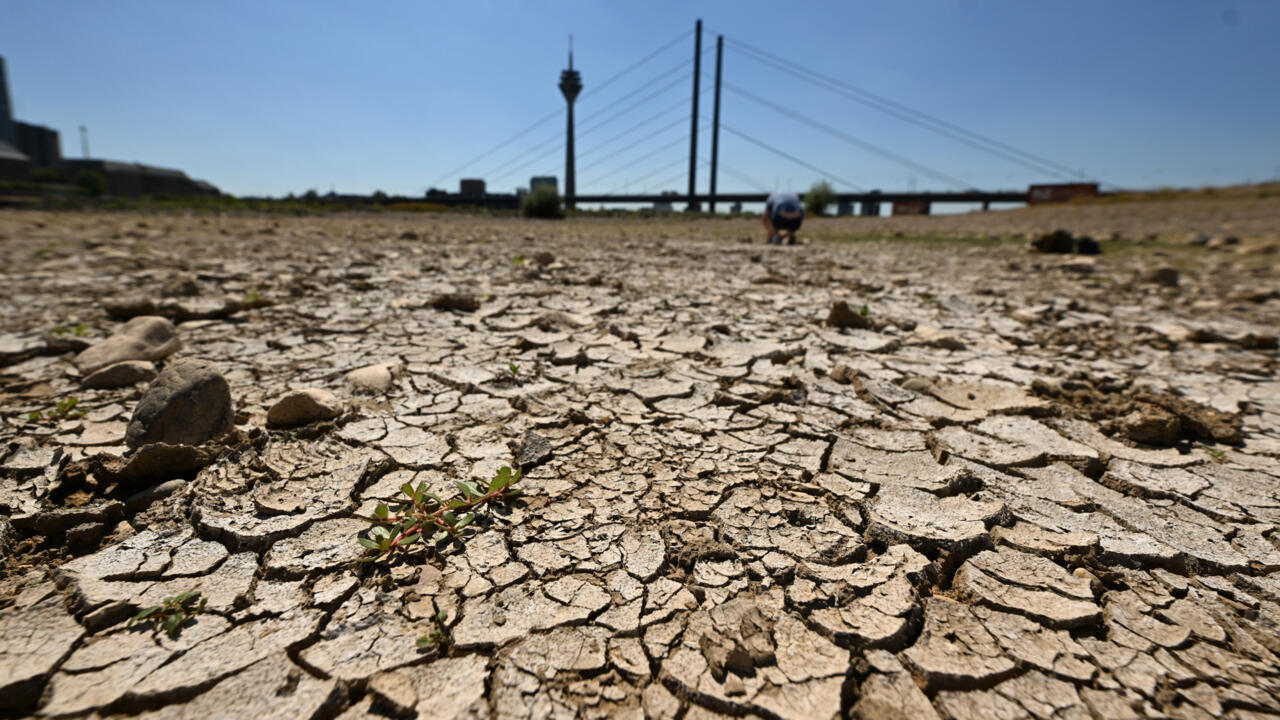
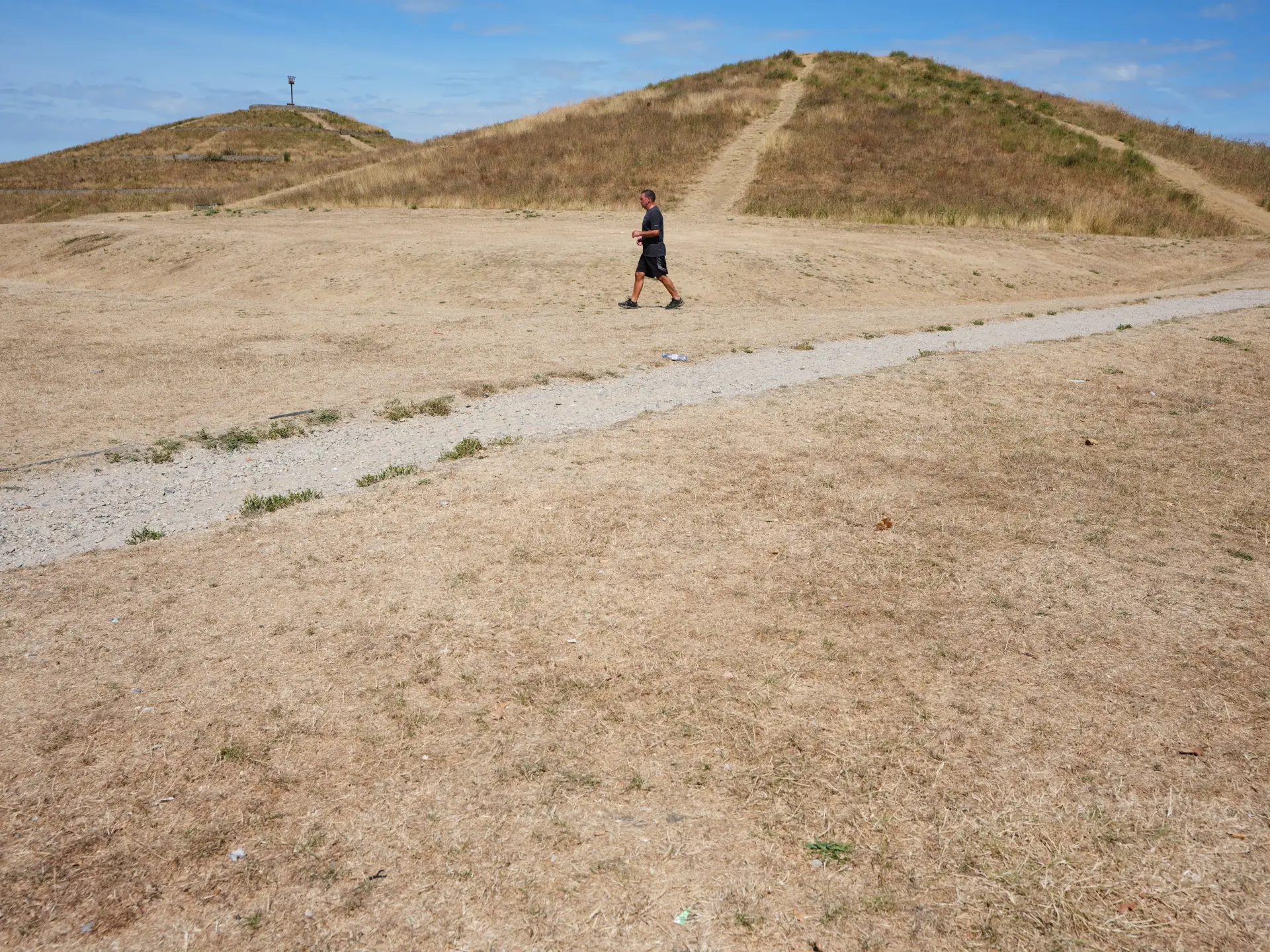
Heat, drought and fire risk Western Europe experienced its hottest June–July period on record and some countries, including Switzerland and France, are now facing their fourth heatwave of the summer. “Intense drought is really biting,” said Ms. Nullis, with devastating impacts on agriculture, harvests, transport, energy and river levels. Moreover, it is combining with high temperatures to increase risk of wildfires. The heat is not confined to Europe as Japan and the Republic of Korea recorded exceptional and record-breaking temperatures last week, as did other parts of Asia, the Middle East and Latin America. John Kennedy, WMO’s head of climate information, said low rainfall and heat had contributed to “drought, low river levels, and increased risk of wildfires”, including low flows in major European rivers such as the Seine, Rhine and Danube.