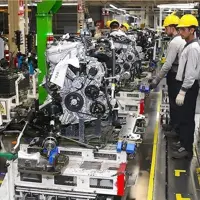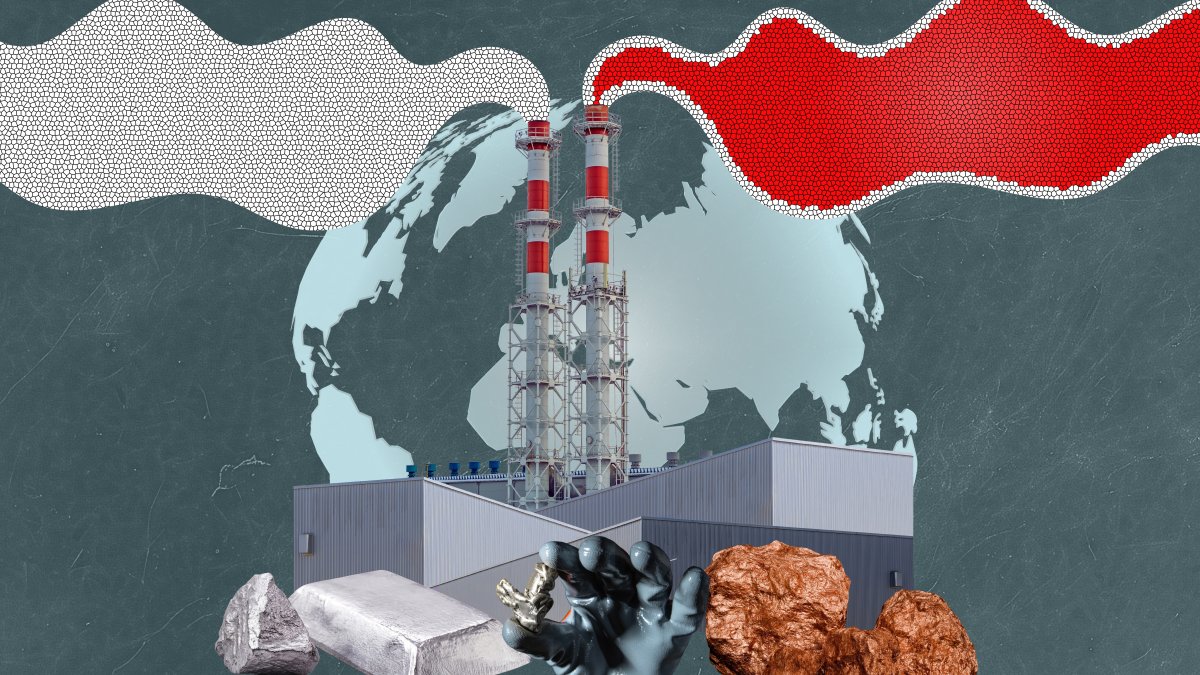
Türkiye is one of the world's largest economies, with a gross domestic product (GDP) of approximately $1.5 trillion. According to the Turkish Statistical Institute (TurkStat), manufacturing and construction account for more than 40% of the country's economic output. Reports published by institutions such as the Türkiye Exporters Assembly (TIM), the Union of Chambers of Turkish Engineers and Architects (TMMOB) and the Istanbul Chamber of Industry (ISO) show that Türkiye ranks among the world's leading producers of steel, white goods and automobiles. Turkish manufacturers have steadily expanded their presence across international markets, becoming increasingly competitive on a global scale.
Yet every great strength carries its own vulnerability. Behind Türkiye's impressive industrial capacity lies a structural weakness that receives far less attention than it deserves: our dependence on imported raw materials.
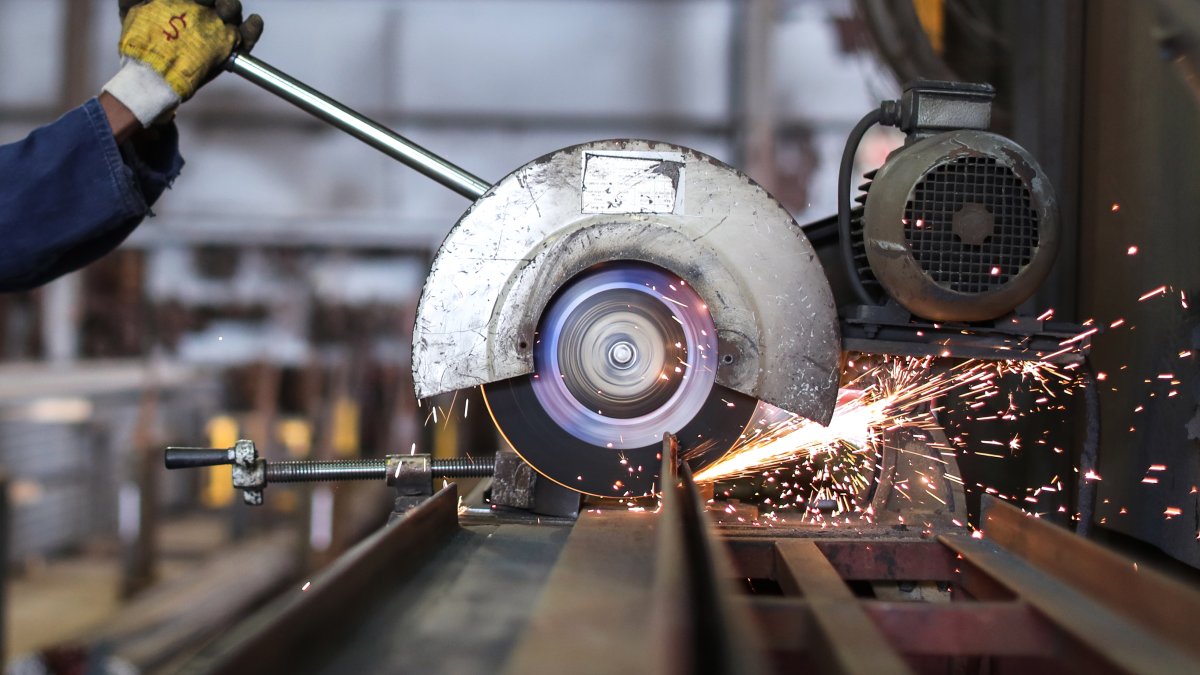
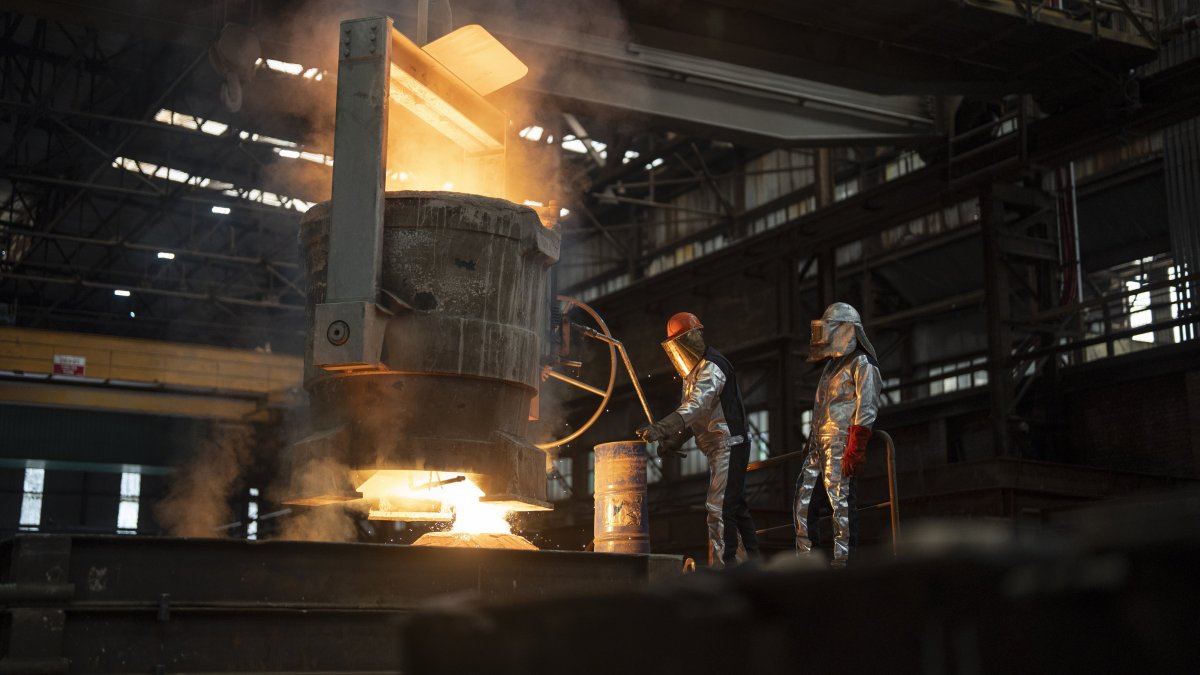
Despite the size of Türkiye’s metal-processing industry, the country still imports nearly $9 billion worth of steel, more than $6 billion worth of aluminium, and more than $3 billion worth of copper each year, according to SteelOrbis and the ISO. The stronger our manufacturing sector becomes, the more dependent it also becomes on a stable supply of raw materials.