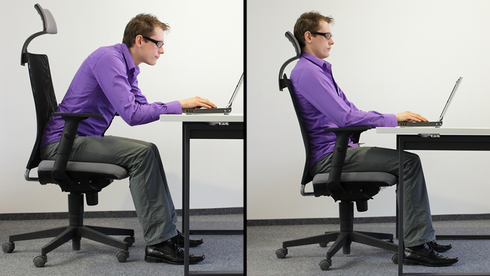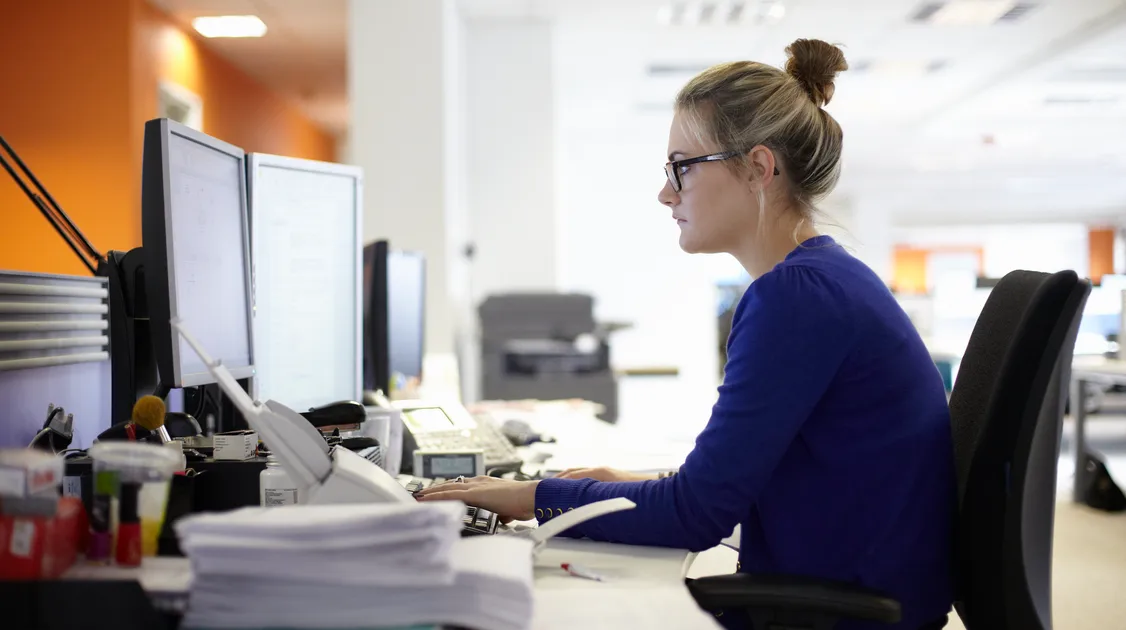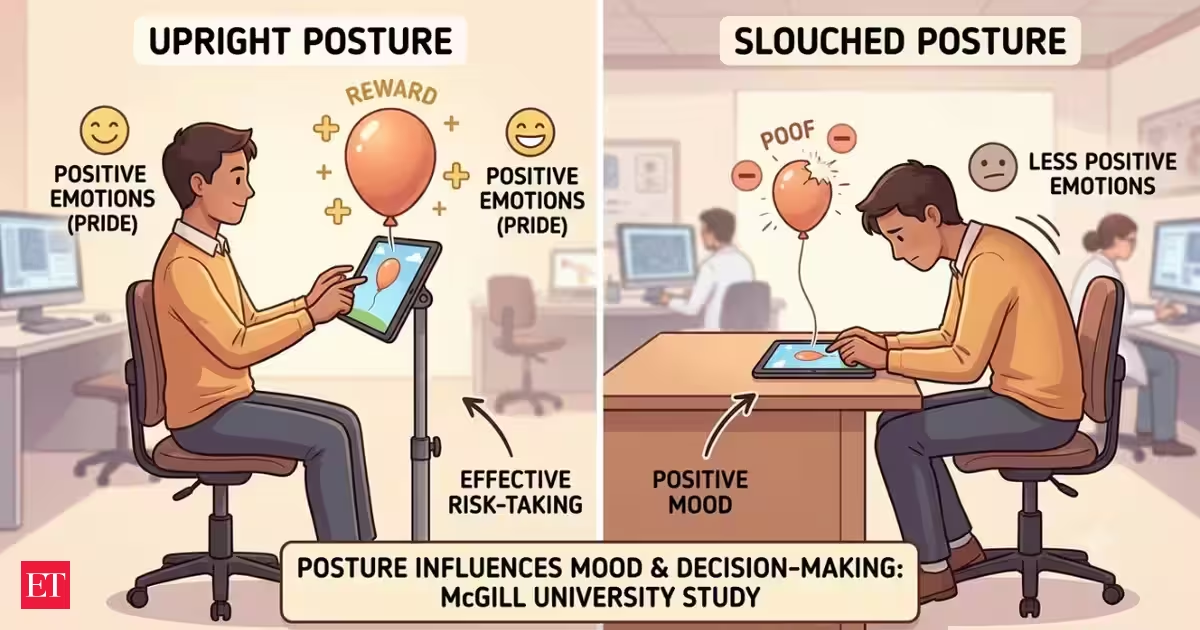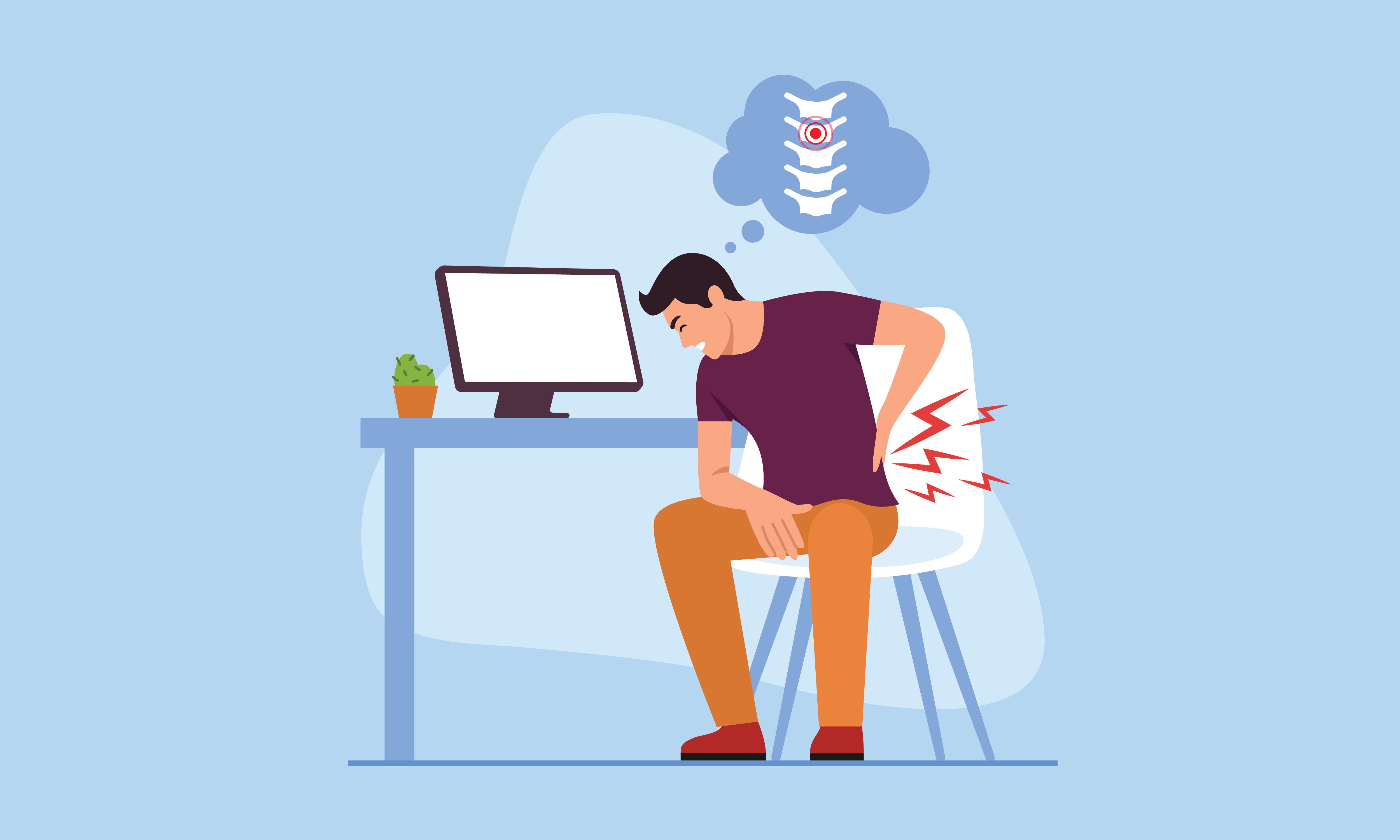
Are you sitting as you read this? How’s your posture?New research from McGill University finds that something as simple as how you’re sitting may be quietly shaping your mood and how well you make decisions.Published in the British Journal of Psychology, the study found that people who sat up straight reported more positive emotions and made smarter, more effective decisions during a risk-taking task than those who were hunched over.Researchers recruited nearly 200 participants and instructed them to sit at a table with tablets to evaluate a mobile app. Some participants used a tablet propped up on a stand at an adjustable height, which naturally encouraged them to sit upright. Others used a tablet lying flat on a lower desk, which prompted them to hunch forward. Nobody was told their posture was being observed, and post-experiment interviews assessed if any participants were suspicious of this. To make sure the setup actually produced different postures, the research team used video software to measure participants’ neck angles.The study participants played a virtual balloon game with a clear risk-reward structure. Basically, the longer you keep inflating the balloon, the bigger your potential reward ― but if it pops, you lose everything from that round. As they played the game, the upright group consistently took greater risks and walked away with larger rewards. Crucially, the researchers concluded this wasn’t recklessness but was better decision-making.“This suggests they were not acting more impulsively but rather were engaging in more effective risk-taking,” Jorge Armony, the senior author of the study and a professor in the departments of psychiatry and psychology at McGill, said in a news release. Additionally, the upright participants also reported much greater feelings of pride compared to the hunched group.Richard Drury via Getty ImagesNew research suggests that something as simple as how you’re sitting may be quietly shaping your mood and how well you make decisions.The effects were modest, the researchers are careful to note, but meaningful enough to suggest that your chair setup might be doing more than just affecting your back.Ultimately this study joins a long-running debate about whether the posture of your body can truly affect your mind.The McGill researchers believe their experiment avoids some of the limitations of previous research because participants were not aware they were being evaluated for posture and allowed their environment to affect how they sat, rather than being instructed to position themselves in a particular way. Earlier “power pose” studies beg the question of whether participants behaved or felt a certain way due to awareness of researchers’ expectations. Sitting up straight isn’t going to instantly transform your whole life, but the study results suggest our desk setups and other spaces we occupy every day might make real differences in how we feel, think and act. “Our results suggest that aside from deliberate ‘power posing,’ incidental factors which affect posture in the real world (e.g., standing desks or ergonomic setups) may have impacts on individuals’ behavior,” the study abstract states.So maybe we should pay closer attention to our screen placement, chair design, desk height and more. Our brains and bodies will appreciate it. Trending In WellnessMore In Life
New Study Reveals This Small Sitting Adjustment Could Help Your Brain Make Better Decisions
The way you sit could affect more than your back. Here’s what you need to know.
522 words~2 min read