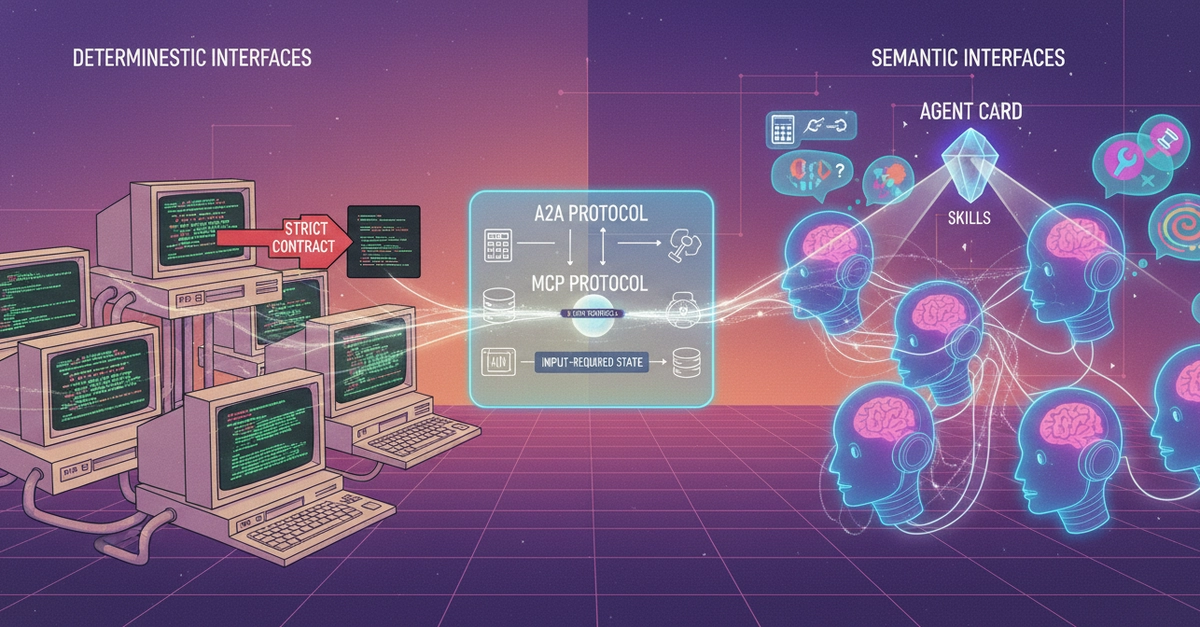
The software development landscape is undergoing a monumental paradigm shift. For decades, software execution has been entirely deterministic: a user clicks a button, a controller intercepts the payload, services process strictly defined business logic, and predictable SQL queries return structured responses. Even within advanced event-driven microservices, human engineers hardcode every conceivable path through the state machine.
Enterprises are no longer satisfied with static automation scripts. They demand Autonomous Web Agent SaaS platforms—intelligent systems capable of ingesting natural language user directives, parsing chaotic and ever-changing DOM trees, adapting to network latency spikes, bypassing sudden UI popups or authorization walls, and dynamically constructing their own execution paths in real time.
However, translating probabilistic Large Language Model (LLM) reasoning into a multi-tenant, secure, and scalable Software-as-a-Service architecture is fraught with complexity. How do you prevent context degradation during multi-hour browsing sessions? How do you isolate tenant states in a distributed cloud environment? How do you ensure enterprise compliance without sacrificing execution speed?