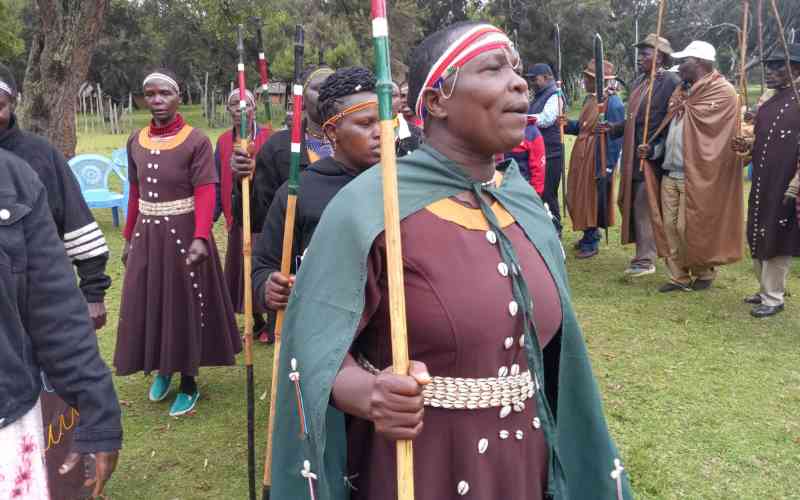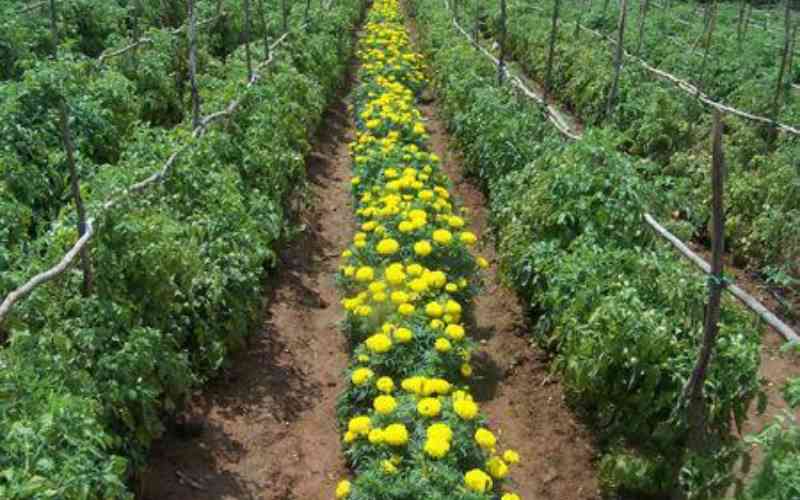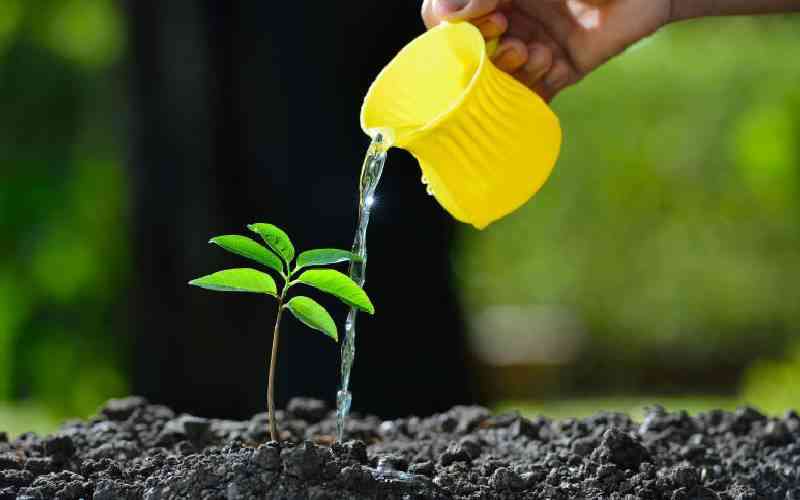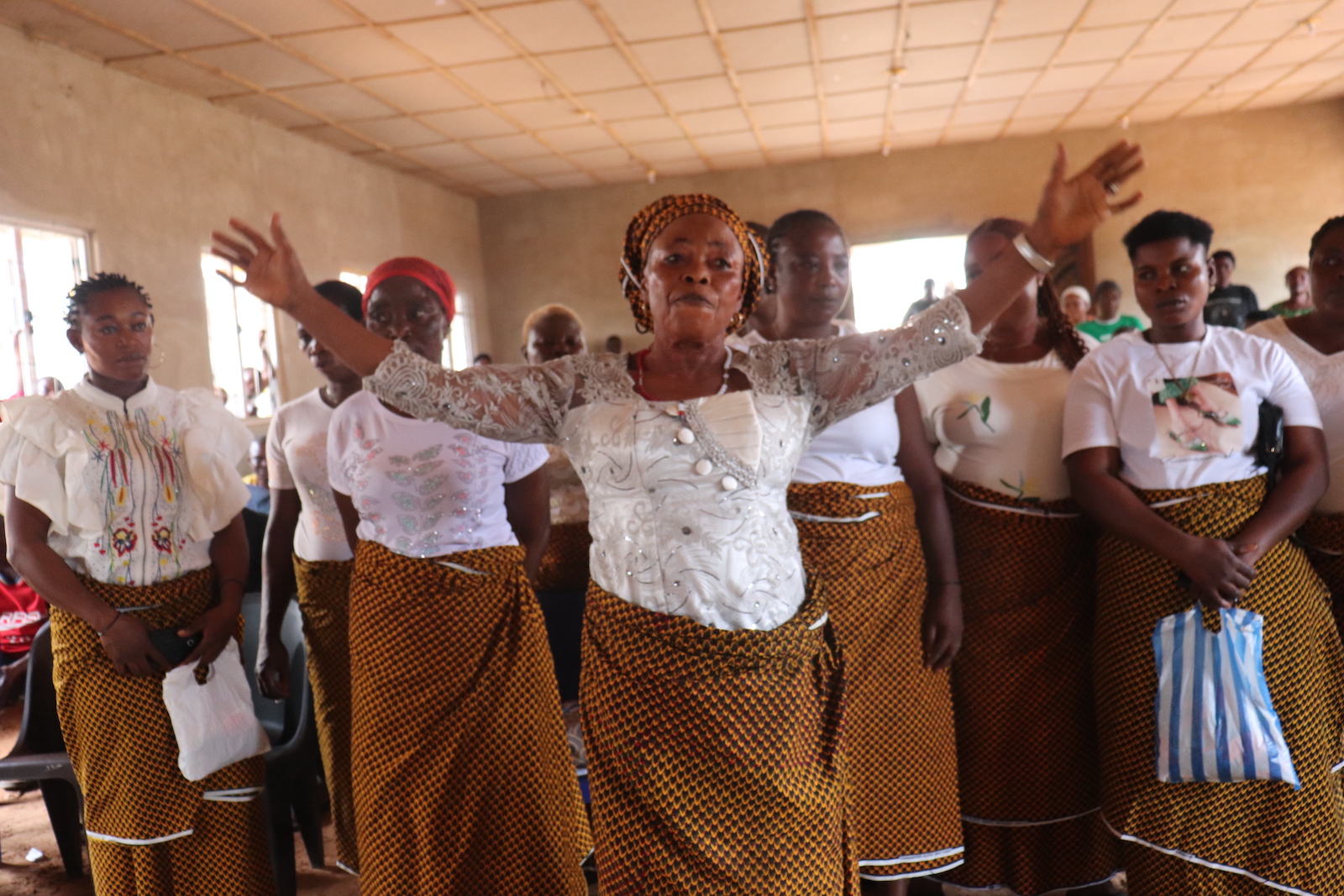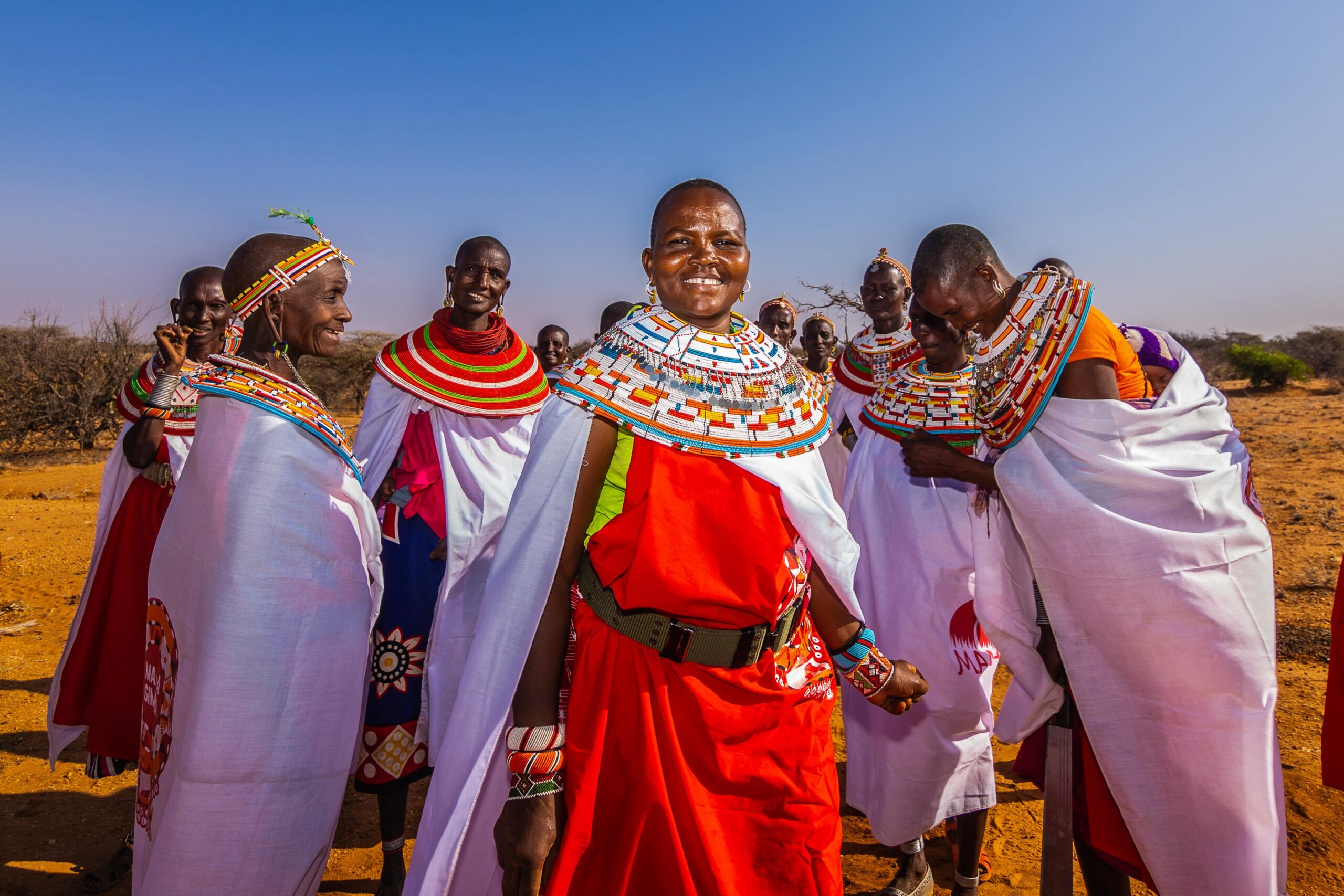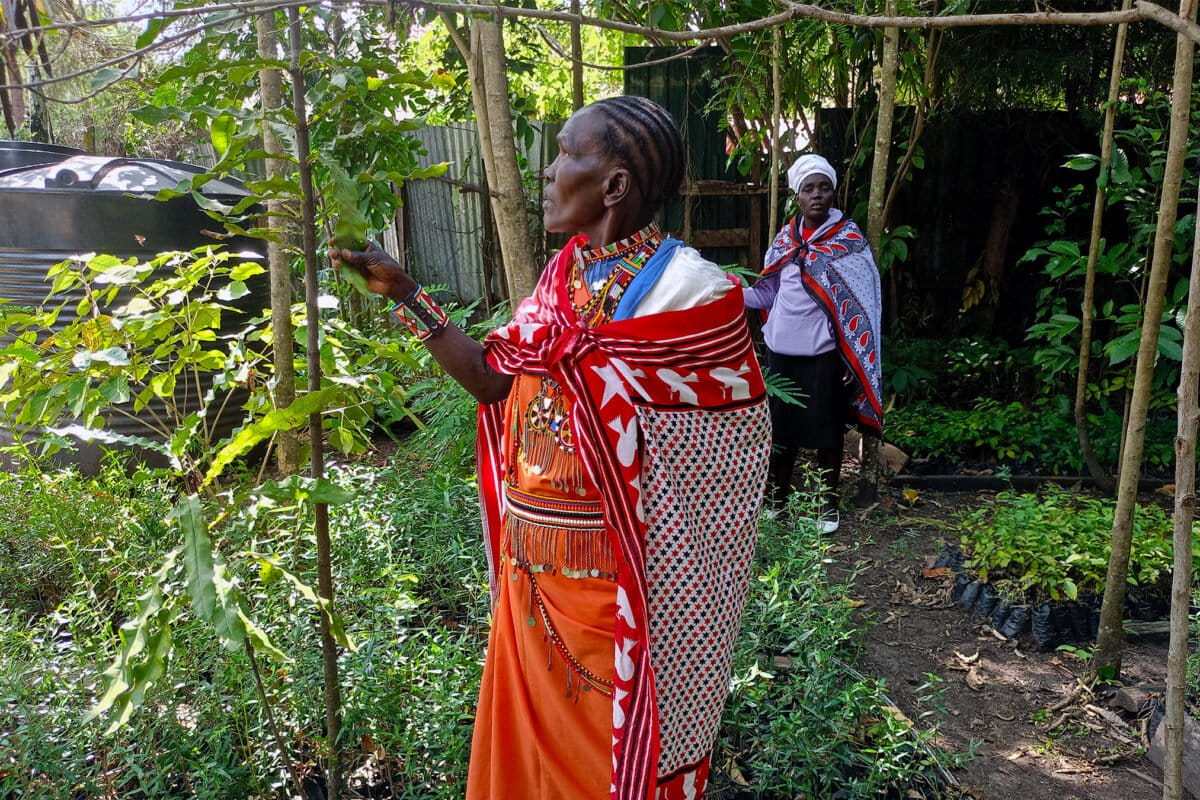
In Kenya, a network of Indigenous women’s groups is restoring degraded areas of the Mau Forest while also providing the women with incomes and decision-making power.The Paran Women Group includes Maasai, Ogiek and other Indigenous community members learning to manage enterprises such as tree nurseries, kitchen gardens, savings groups, beekeeping and landscape restoration.Research shows that restoration programs designed to transform unequal gender roles give women more prominence in the household and improve conservation outcomes.Paran members say they previously relied on their husbands for everything, but they now have income of their own as well as a larger say in family decisions.
Before dawn breaks over Eor Ewaso, a village in southwestern Kenya, Judy Mukut is already awake. By 6:30 a.m., she has fetched water, milked the family’s cattle, prepared breakfast, cleaned the house and seen her children off to school. Only then does she leave home for a resource center run by the Paran Indigenous women’s organization, where another day’s conservation work begins.
For Mukut, conservation of the Mau Forest is squeezed into the few hours left after fulfilling the responsibilities expected of her as a Maasai wife and mother. Yet it is this balancing act that reflects a quieter transformation taking place across one of Kenya’s most important forest ecosystems.