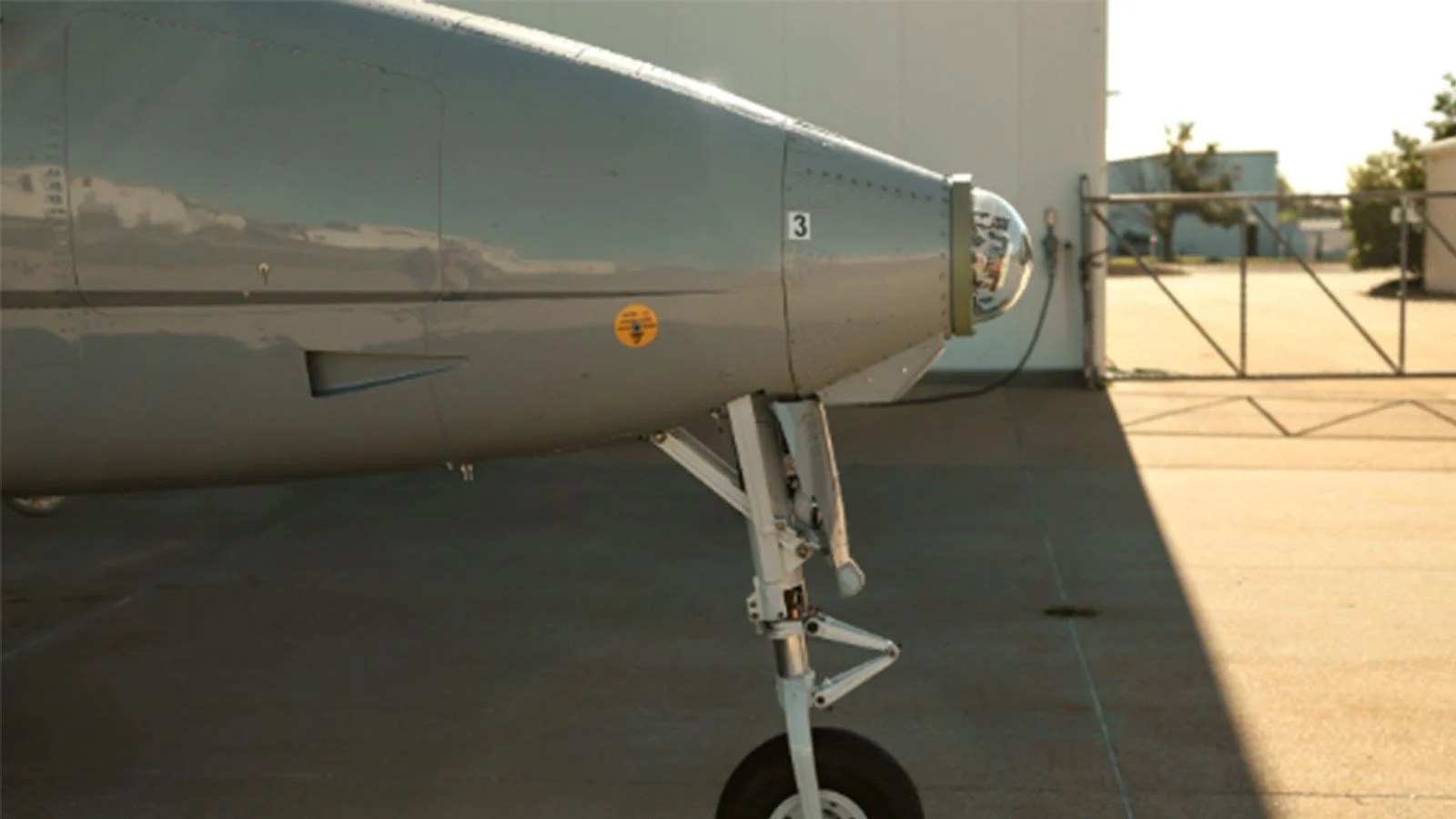
WASHINGTON — Aerospace giant Boeing is developing a cheaper version of a radar seeker, a key technology for offensive and defensive weapons that has often been a choke point for missile production, the company announced today.
The new seeker, called an Ultra Low-Cost Seeker (ULCS), has successfully demonstrated it can withstand the harsh conditions of flying atop a rocket while detecting and tracking targets, according to a Boeing press release published today. Without offering a timeline for entering service, the release says that “multiple flight tests” are planned next year that more closely mirror desired end-use cases.
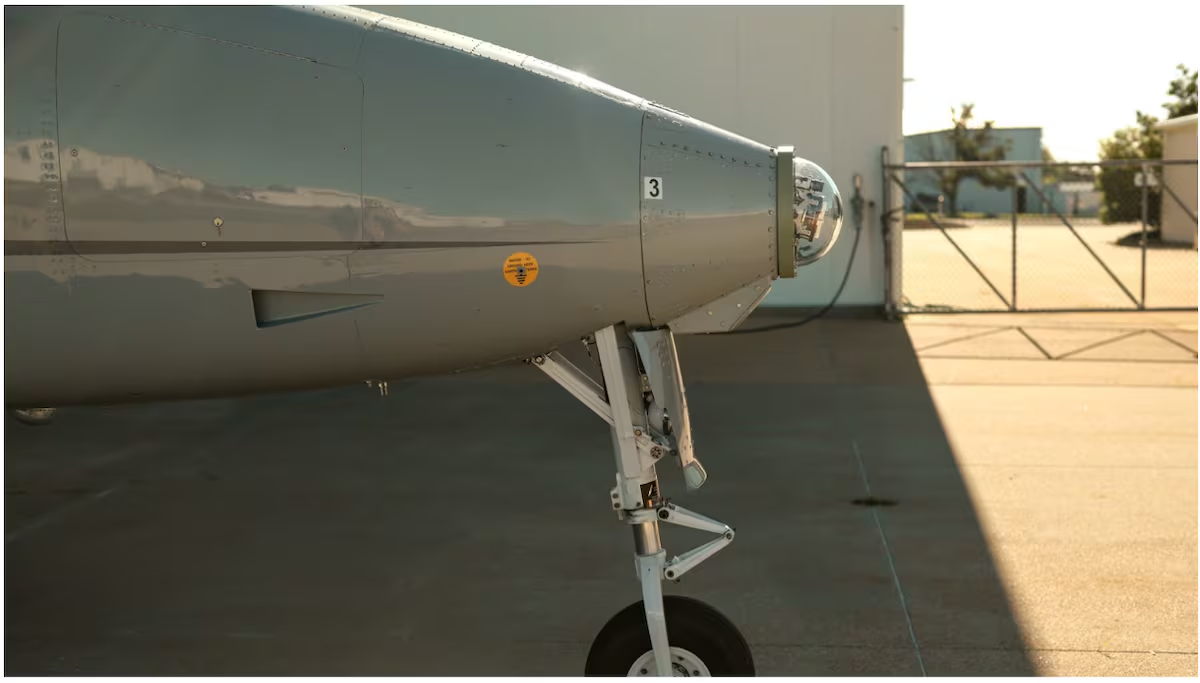
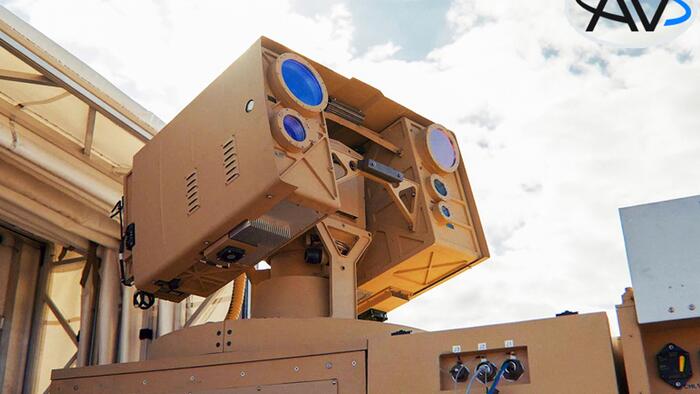
A seeker is essentially what guides a weapon to its target in the moments leading up to a hit. Mounted on a missile’s nose, a seeker can use different types of guidance — including heat-seeking infrared, radar and lasers, among other technologies — or some combination for redundancy and greater accuracy. Seekers can be mounted on offensive weapons like a cruise missile or defensive weapons like air defense interceptors.
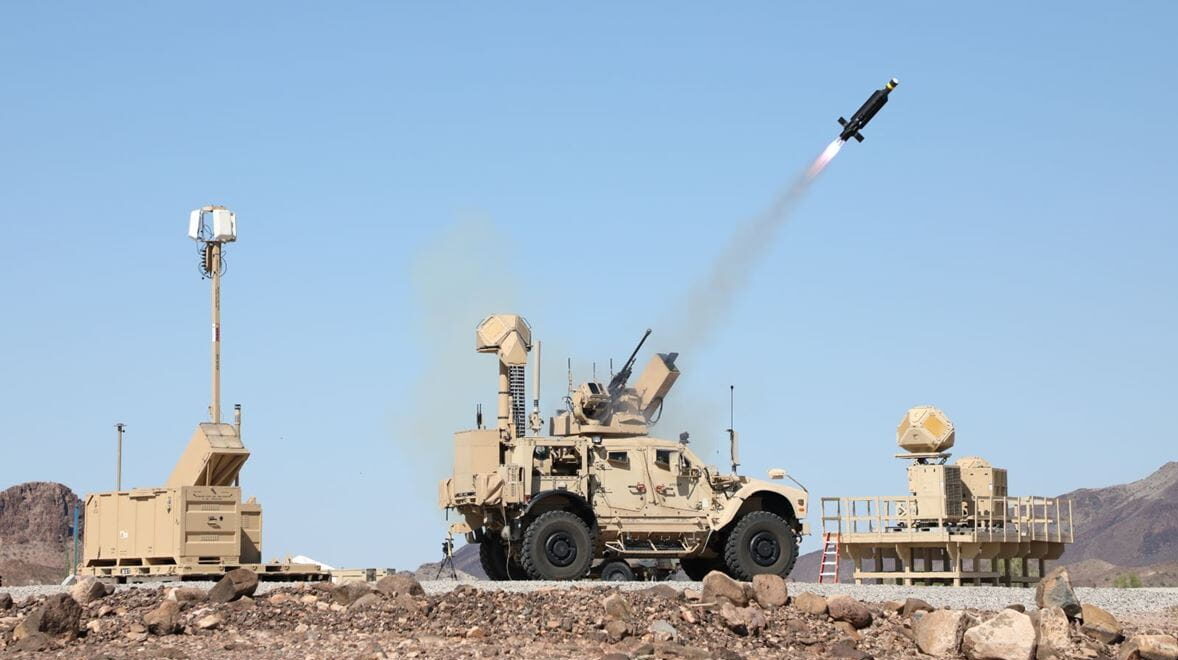
The ULCS comes as the Pentagon is pushing industry to deliver a greater volume of weapons at a lower cost, particularly as the ongoing war with Iran burns through expensive and sophisticated munitions. Boeing says the ULCS is aimed at bolstering “affordable mass for air, land or maritime strike,” and that the company is examining applications for air and missile defense, direct attack and cruise missiles.