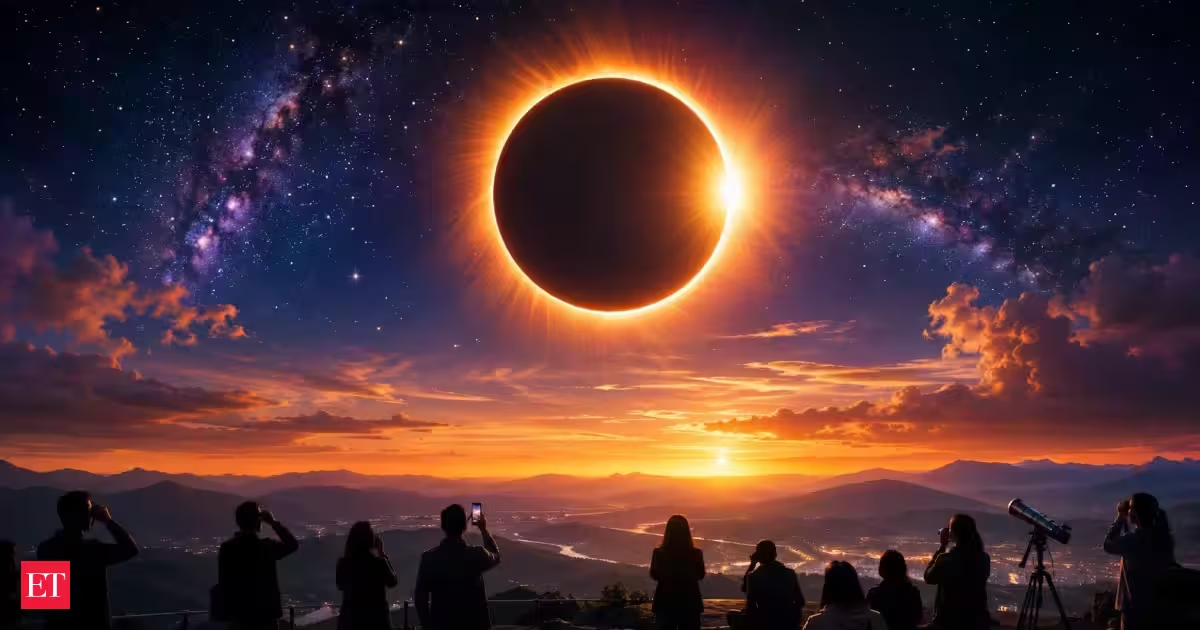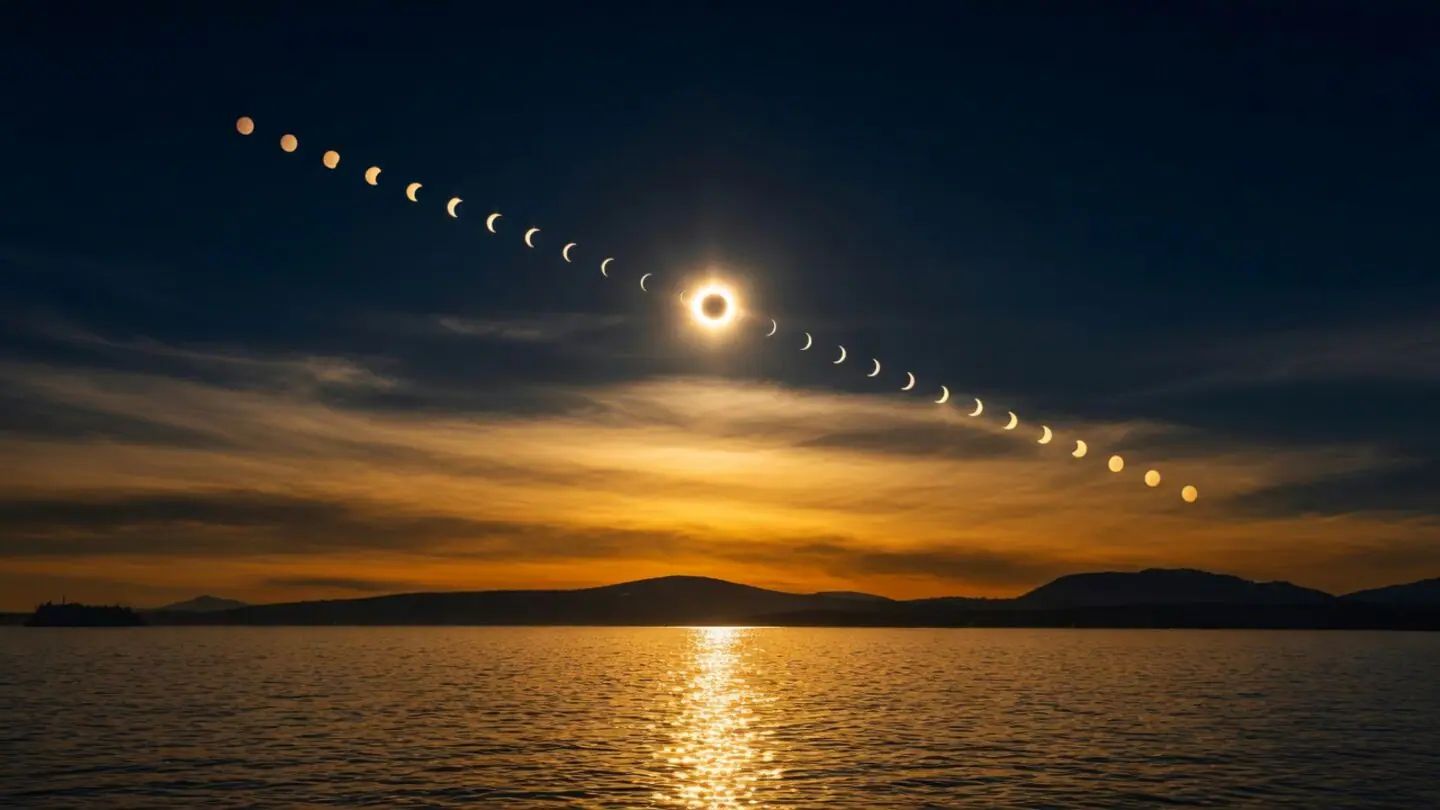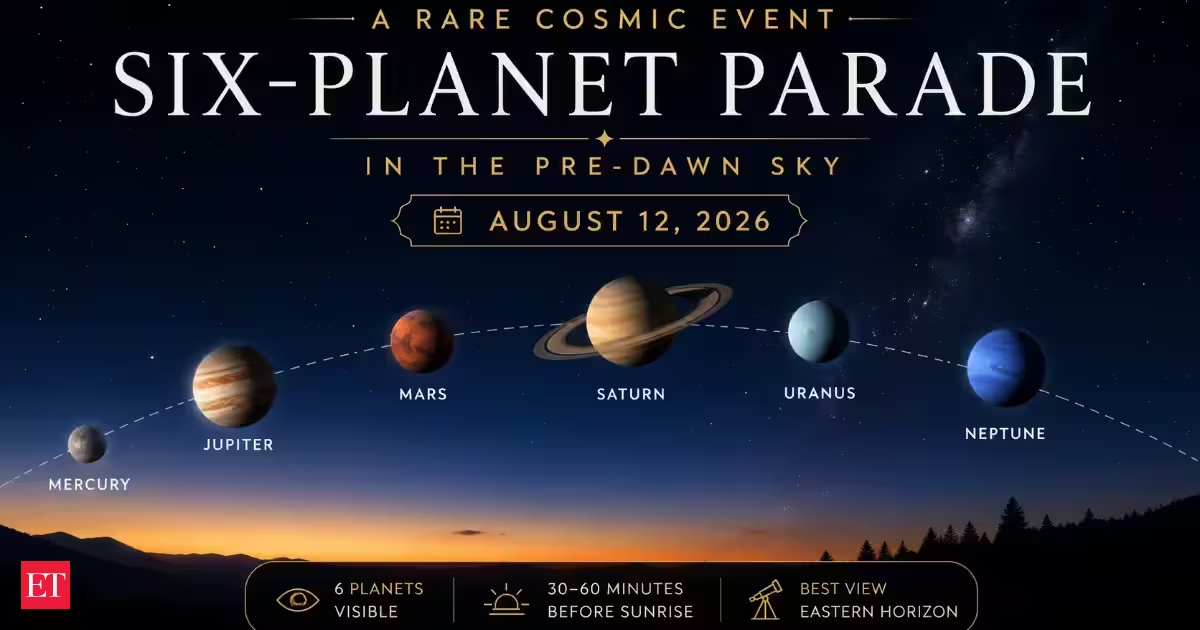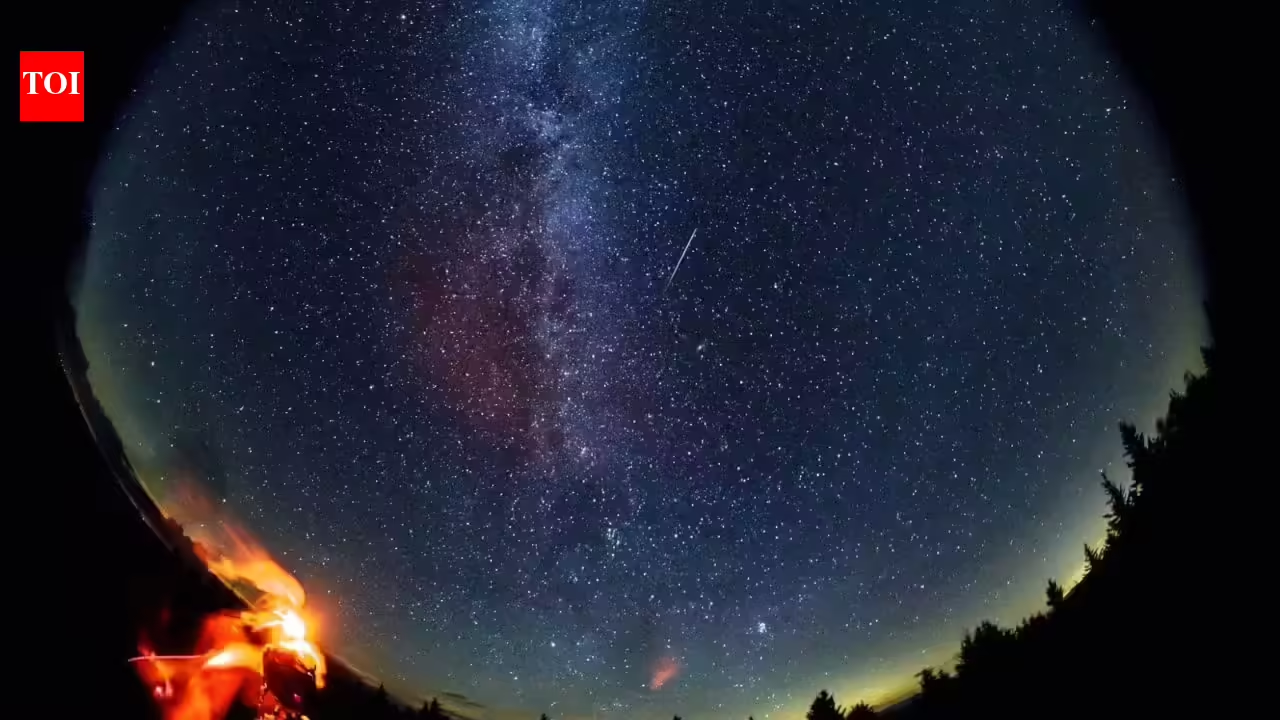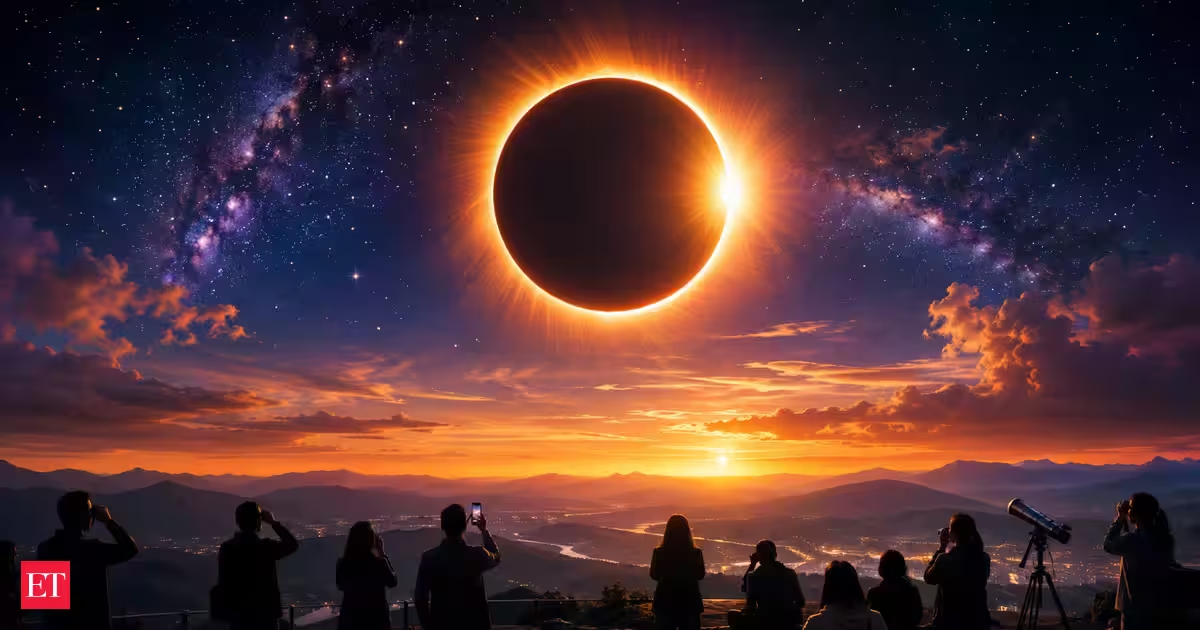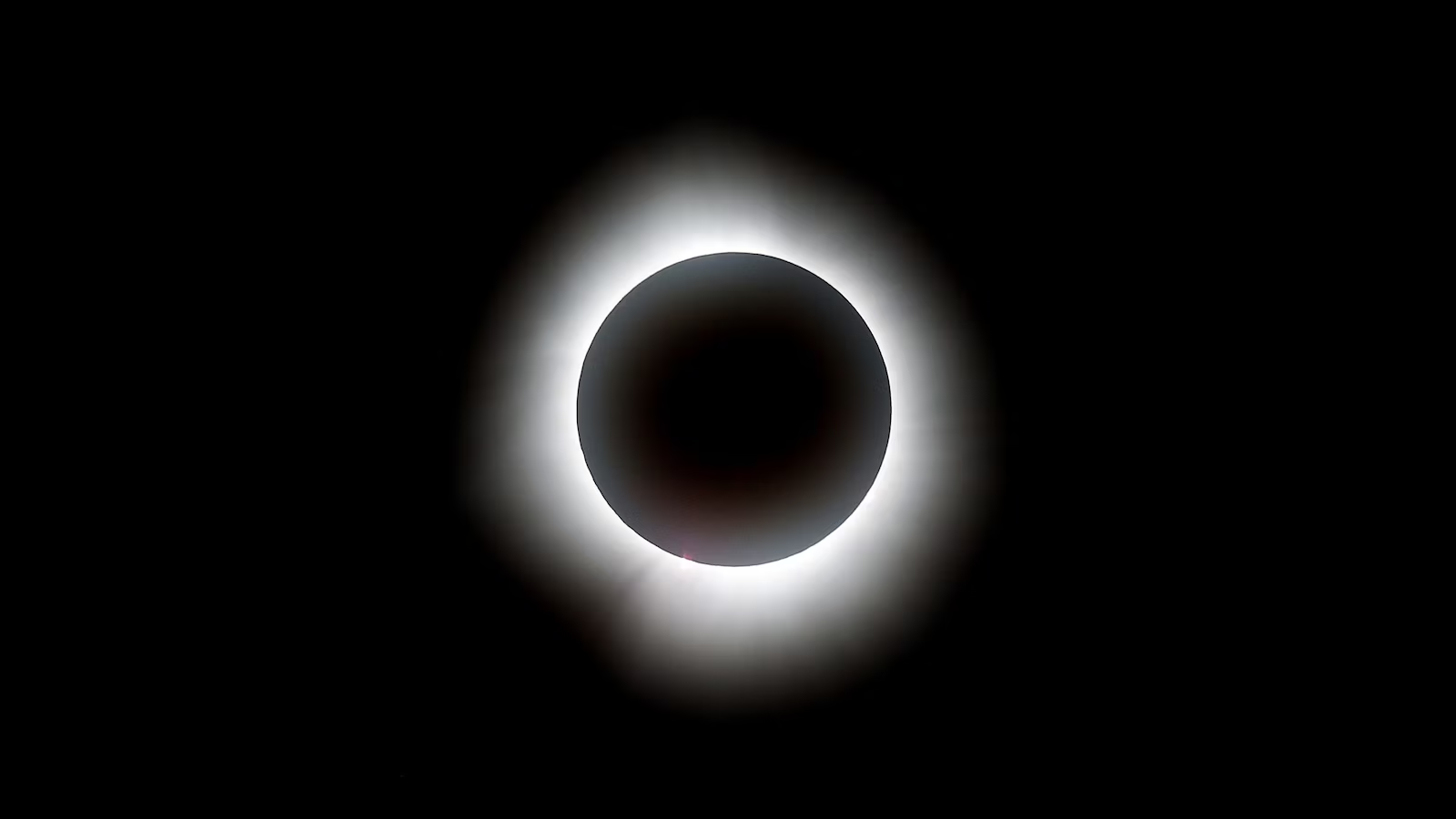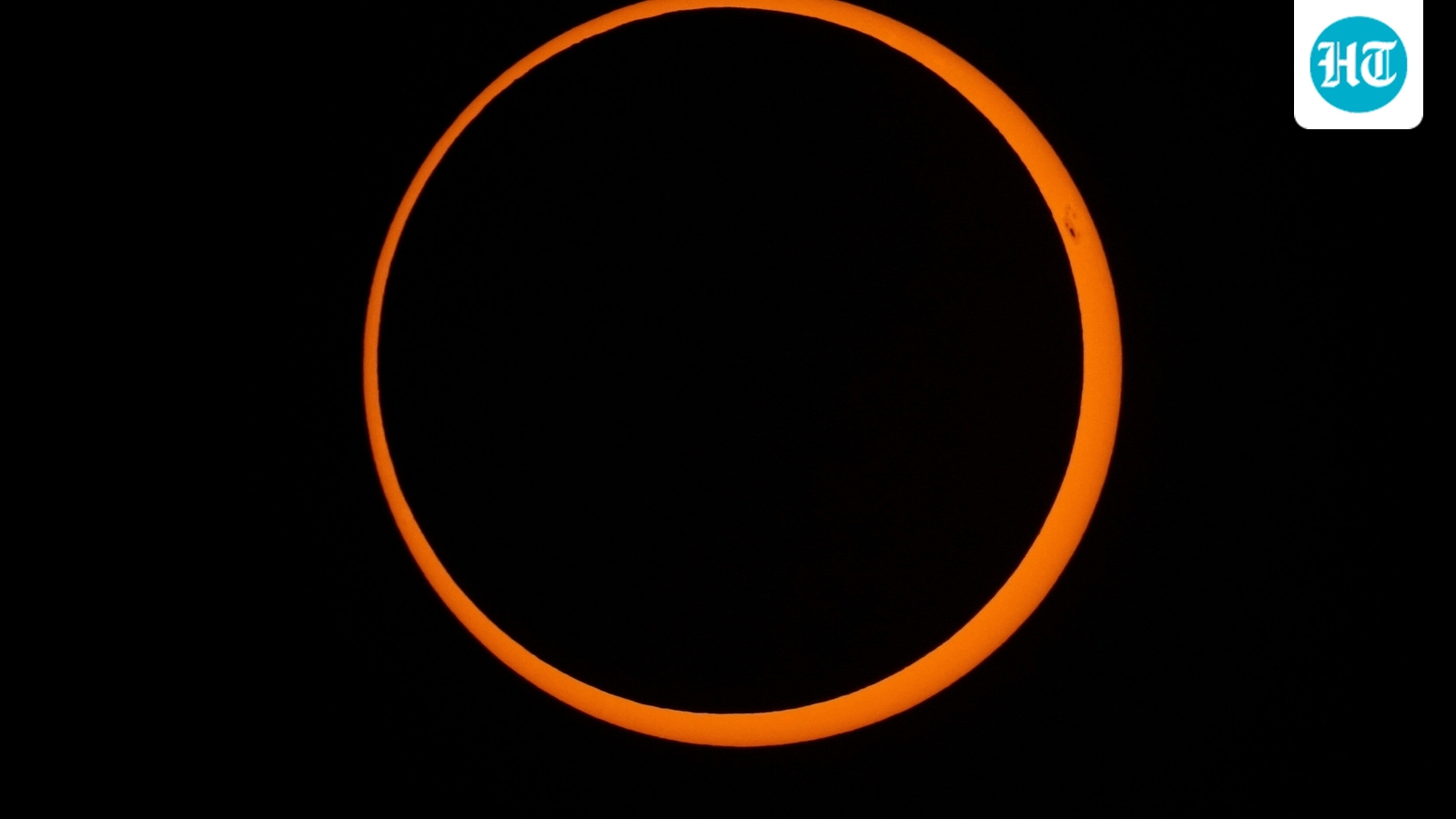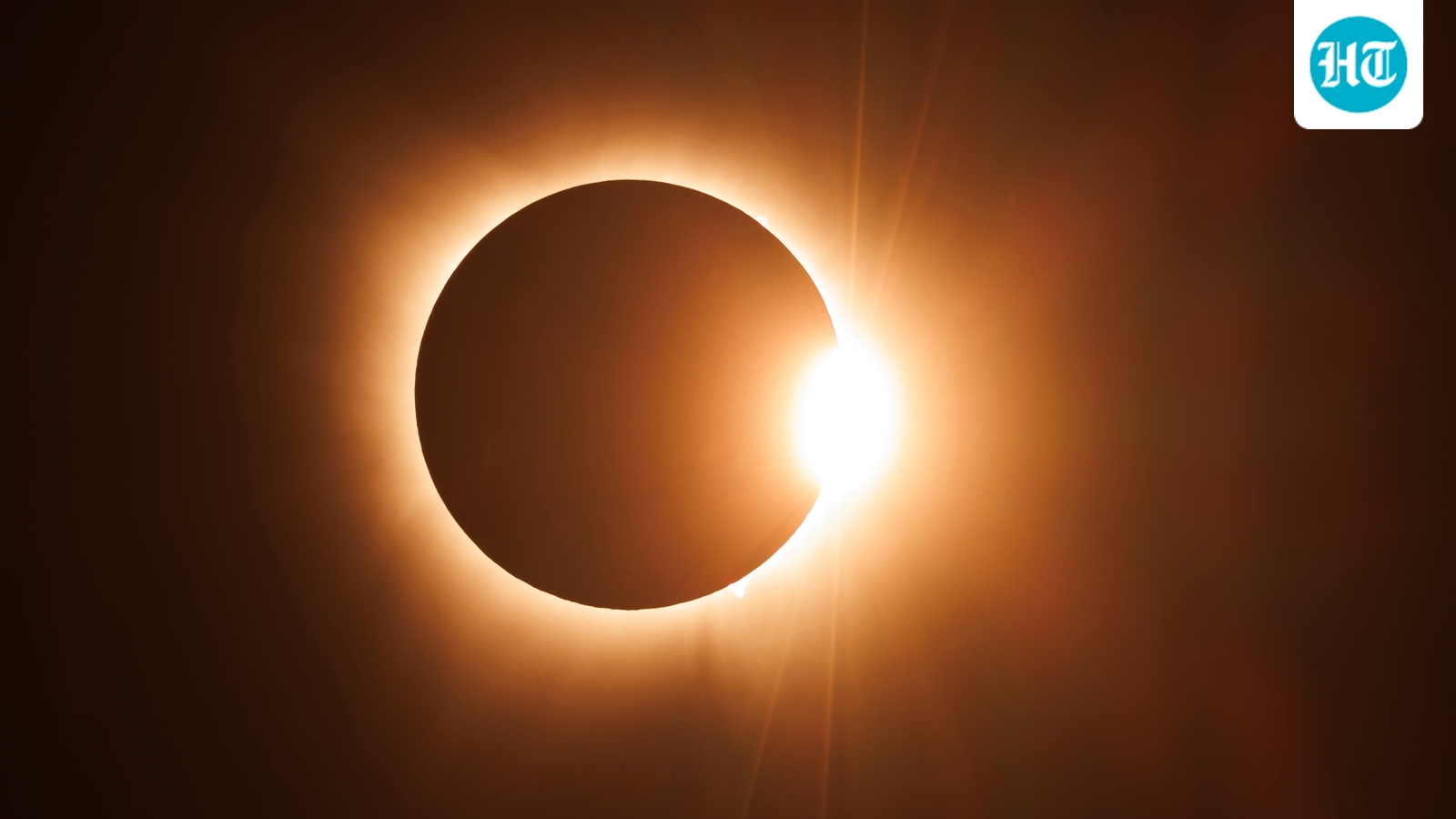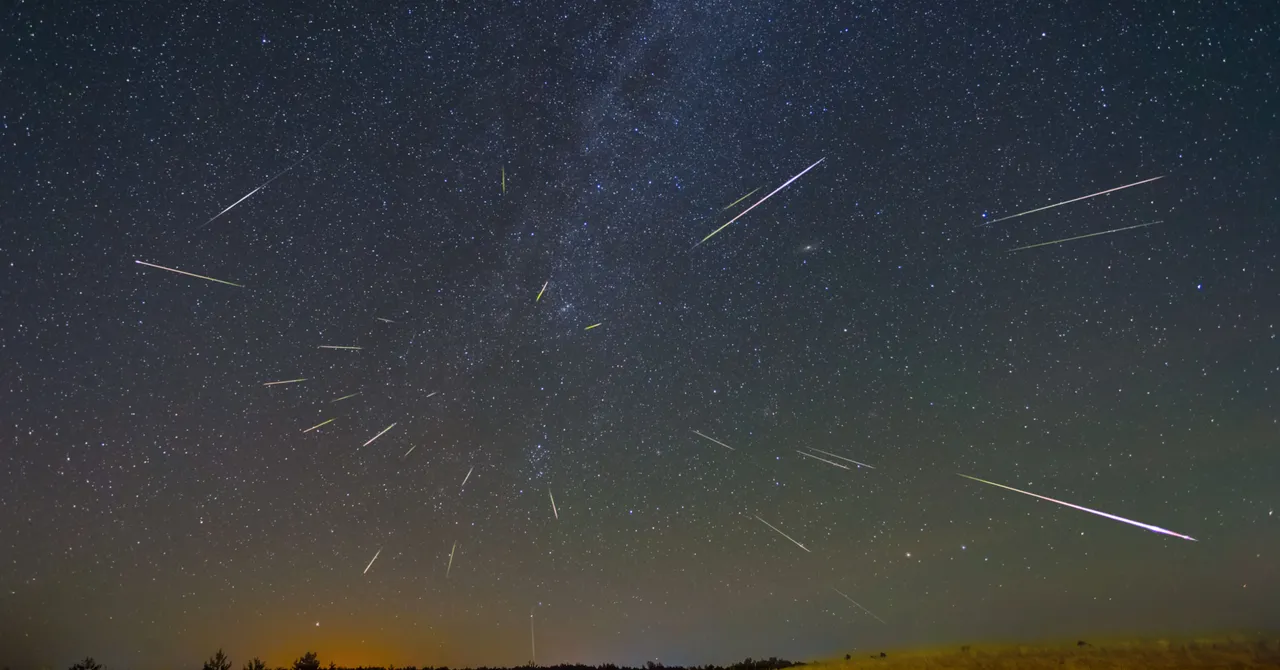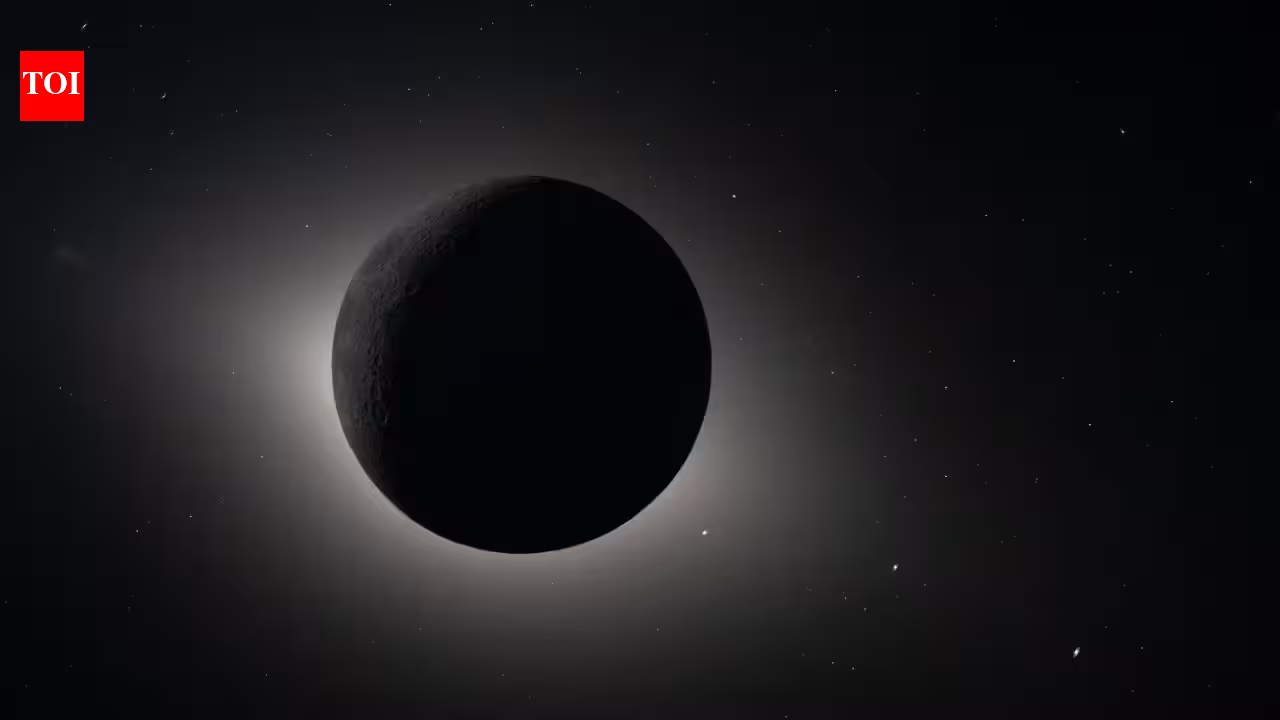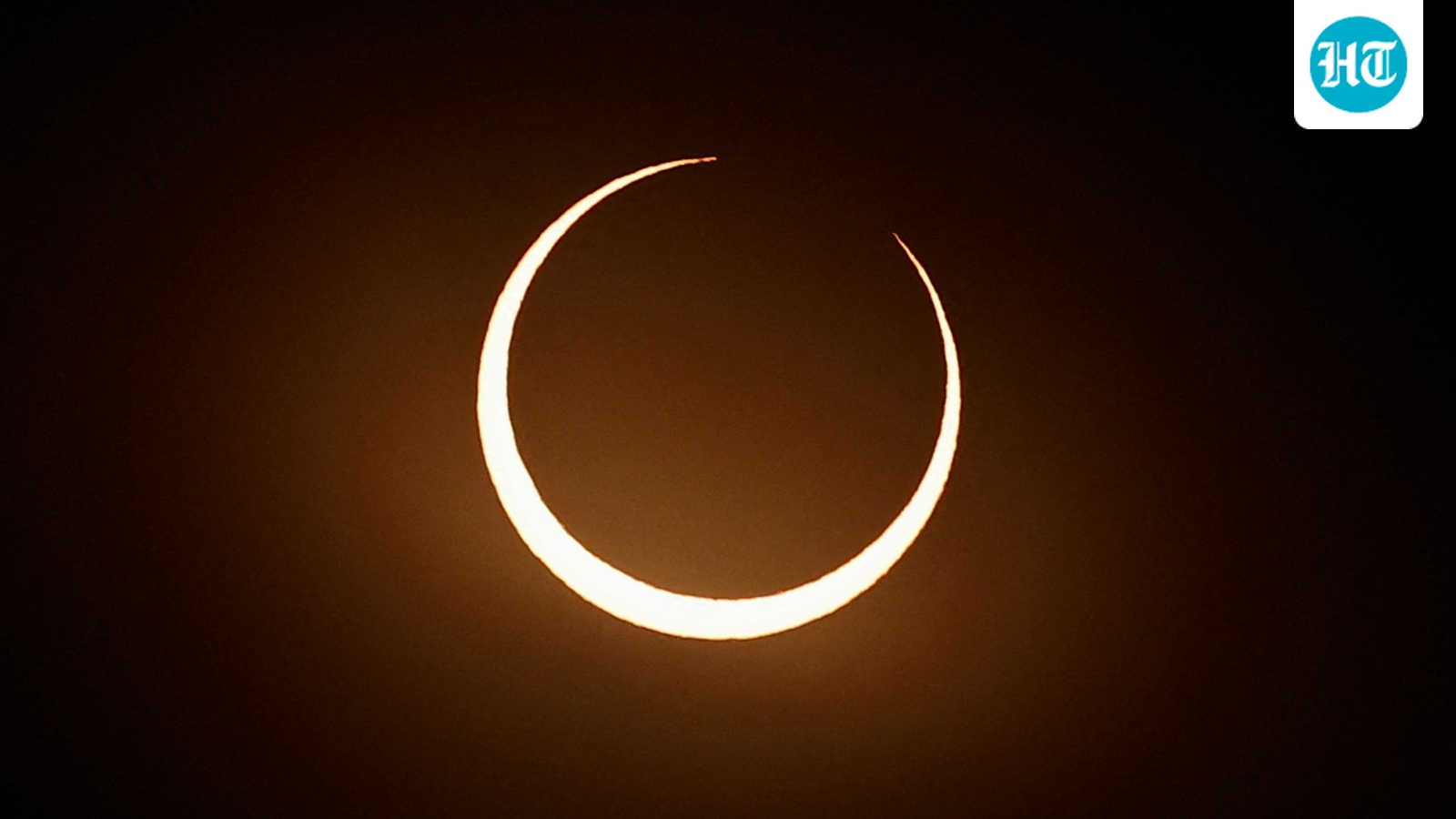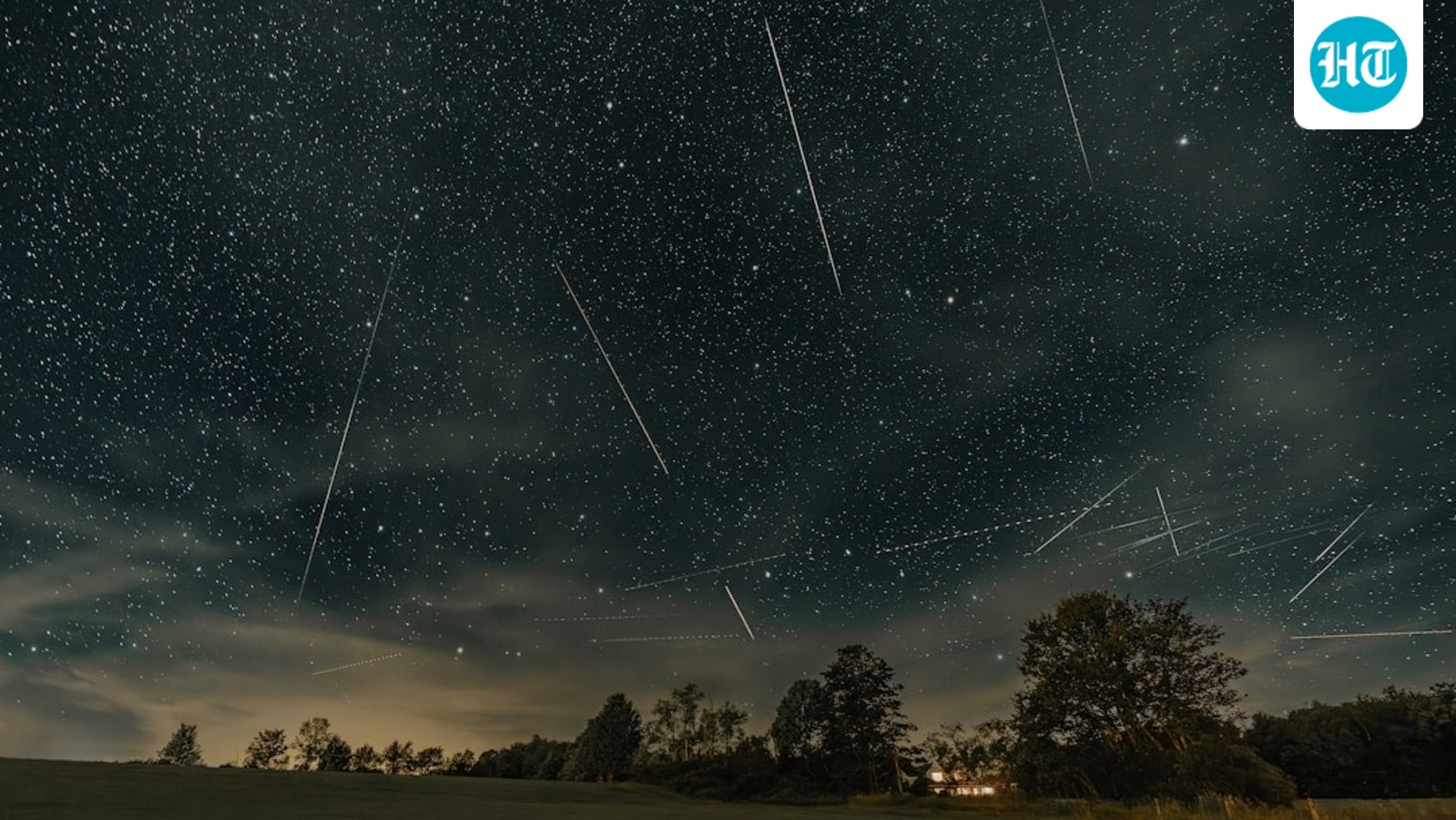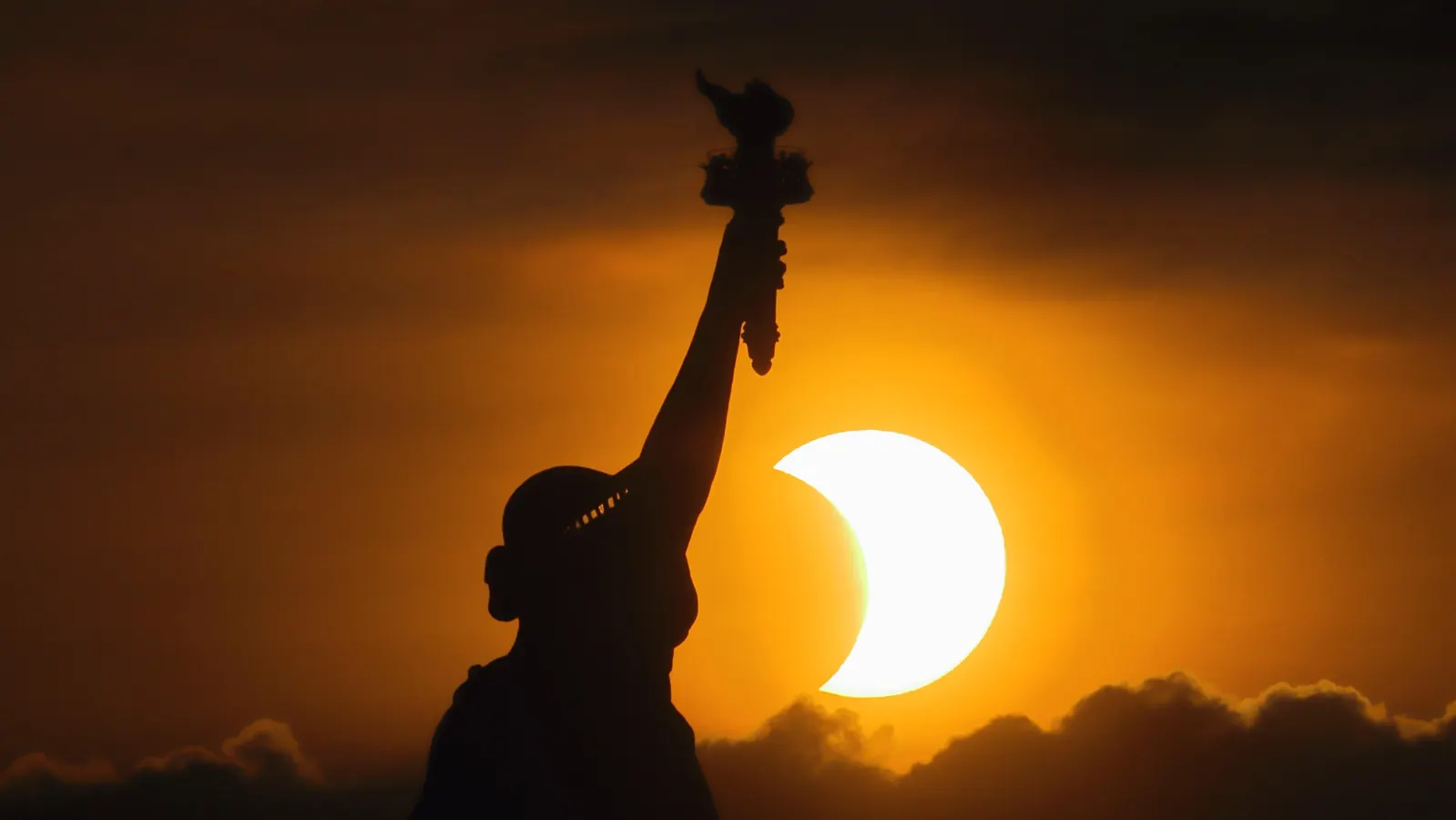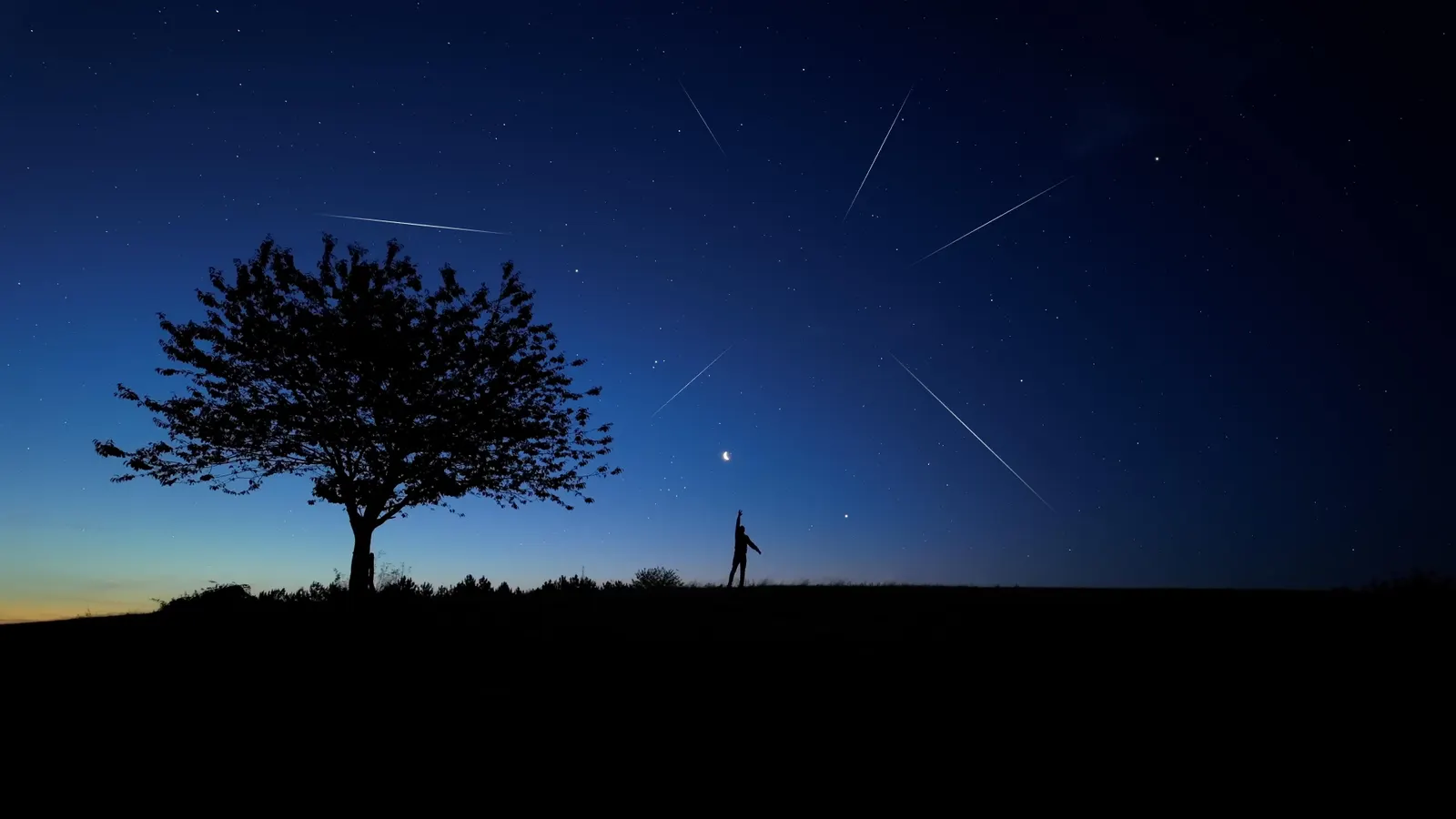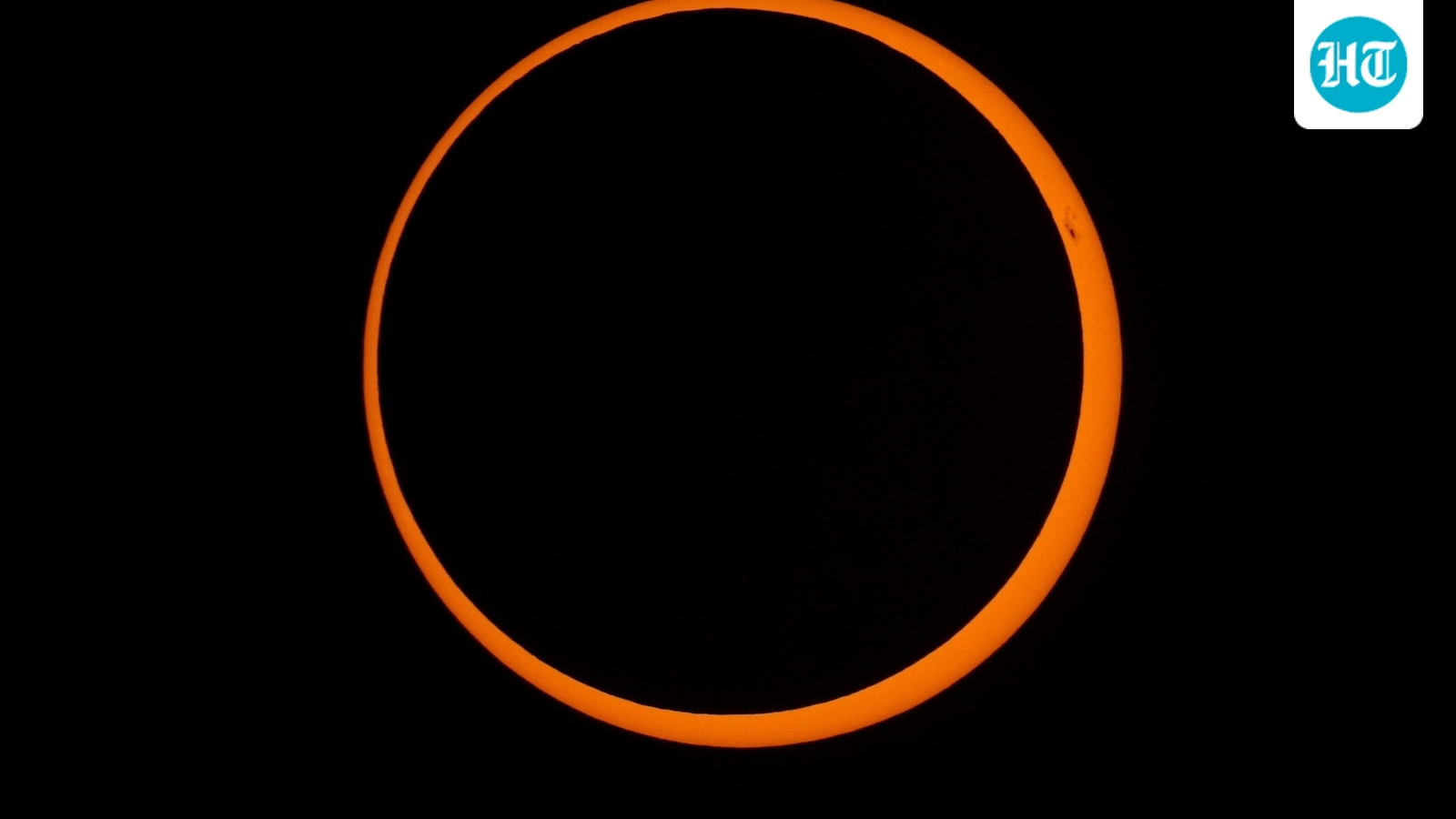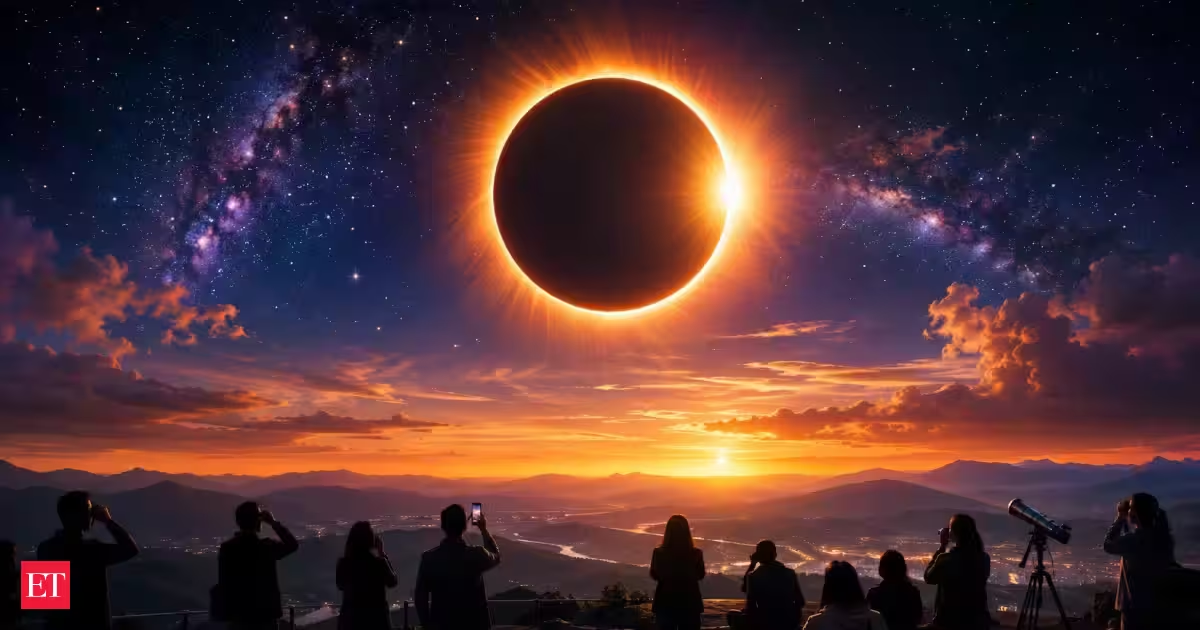
Some astronomical events are worth setting an alarm for. August 12, 2026, may be worth planning an entire day around. According to skywatching report from Star Walk, the date brings together three major celestial events within roughly 24 hours: a six-planet gathering before sunrise, a total solar eclipse visible along a narrow path, and the peak of the Perseid meteor shower after dark.The remarkable part is that the events are not confined to one small corner of the world. Depending on where you live, you could see one, two or potentially all three.Start before sunrise with six planetsThe first act begins while most people are still asleep.Before sunrise on August 12, Jupiter, Mercury, Mars, Uranus, Saturn and Neptune will appear spread across the morning sky. Star Walk notes that Mars and Saturn should be the easiest targets for unaided eyes, while Uranus and Neptune require optical assistance.You Might Also Like:The planets will not form a perfectly tight line. Instead, they will stretch across a broad section of the sky, making a clear horizon especially important.For observers in mid-northern latitudes, roughly 30 to 60 minutes before sunrise offers a useful viewing window. A location with an unobstructed eastern horizon can make the difference, particularly for low-lying Mercury and Jupiter.Then the Sun disappearsLater comes the day's most dramatic event: the August 12 total solar eclipse.You Might Also Like:The Moon will pass directly between Earth and the Sun, producing a narrow corridor of totality across parts of the Arctic, Greenland, Iceland, northern Spain and a small section of northeastern Portugal. The total phase reaches its longest duration near Iceland, where totality can last about 2 minutes and 18 seconds.Spain is particularly interesting for eclipse watchers because totality arrives late in the day, with the Sun sitting low toward the western horizon. That creates the possibility of a striking sunset-eclipse scene, although the low Sun also means hills, buildings, trees or clouds can easily interfere with the view.Major Spanish cities including Madrid and Barcelona are outside the path of totality, while locations farther north and along the eclipse track can experience the full event.Iceland offers another spectacular option. Reykjavík will experience totality, although weather conditions can be less predictable than in Spain. Greenland provides an even more remote viewing experience, but accessibility makes it a much more ambitious destination.You Might Also Like:Outside the narrow totality zone, a much wider area will see a partial eclipse.Much of Europe, portions of North Africa and parts of North America will see the Moon cover at least some portion of the Sun. The amount of coverage will depend heavily on location.Never look directly at the partially eclipsed Sun without proper solar protection. Certified eclipse glasses are essential.Finish the day beneath the PerseidsThe celestial show doesn't end when the eclipse does.After night falls, attention turns to the Perseid meteor shower, which reaches its 2026 peak around August 12–13.This year's timing gives skywatchers an important advantage: the peak occurs around the New Moon, meaning there will be little to no moonlight washing out faint meteors.Under genuinely dark skies, the Perseids can produce spectacular rates, including occasional bright meteors and fireballs. But actual numbers seen by an observer will vary with light pollution, weather and viewing conditions.For the best experience, move away from city lights, give your eyes time to adjust and watch for an extended period rather than expecting a constant stream of meteors.Where can you see all three?Northern Spain stands out as one of the most appealing locations for a full August 12 skywatching marathon.You can begin before sunrise by searching for the six planets. Later, you can position yourself for the total solar eclipse. After darkness returns, the Perseids provide the finale.That combination is what makes the date so unusual.Iceland can also deliver an extraordinary eclipse experience, along with the morning planetary display, although the Perseids are less favorable at such high northern latitudes because summer darkness is limited. Greenland offers totality as well, but its remote location makes it considerably harder to use as an all-day viewing base.For anyone staying outside the eclipse path, the day can still be exceptional. Many locations can combine the planet alignment with a partial solar eclipse and then finish the night under a dark Perseid sky.Why August 12 stands outThe individual events are not unprecedented. Planetary alignments happen. Solar eclipses happen. The Perseids return every year.What makes August 12, 2026, unusual is the sequence. The day begins with planets rising before the Sun. Later, the Moon crosses the face of the Sun, creating totality along a narrow path. Hours afterward, Earth turns toward the night sky and the Perseids reach their annual peak.Star Walk describes August 12 as a rare all-day skywatching opportunity, and that is ultimately the appeal: you don't have to wait for one spectacular moment. The sky keeps changing throughout the day. For the best experience, choose your location in advance, check local timings and weather, find unobstructed horizons and prepare the right equipment.August 12 may begin with a handful of planets above the horizon, turn briefly into an eclipse spectacle and end with meteors crossing a moonless sky. For skywatchers, that's about as good a reason as any to look up.
August 12, 2026 could be the biggest skywatching day of the year- here’s where to see the triple celestial show
August 12, 2026, offers a rare skywatching marathon. Six planets will align before sunrise, visible across the morning sky. A total solar eclipse will then traverse parts of the Arctic and Europe. Later, the Perseid meteor shower reaches its peak after dark. This remarkable sequence provides an exceptional all-day celestial viewing opportunity.
864 words~4 min read