Multi-tier storage rewrites the economics of AI inference
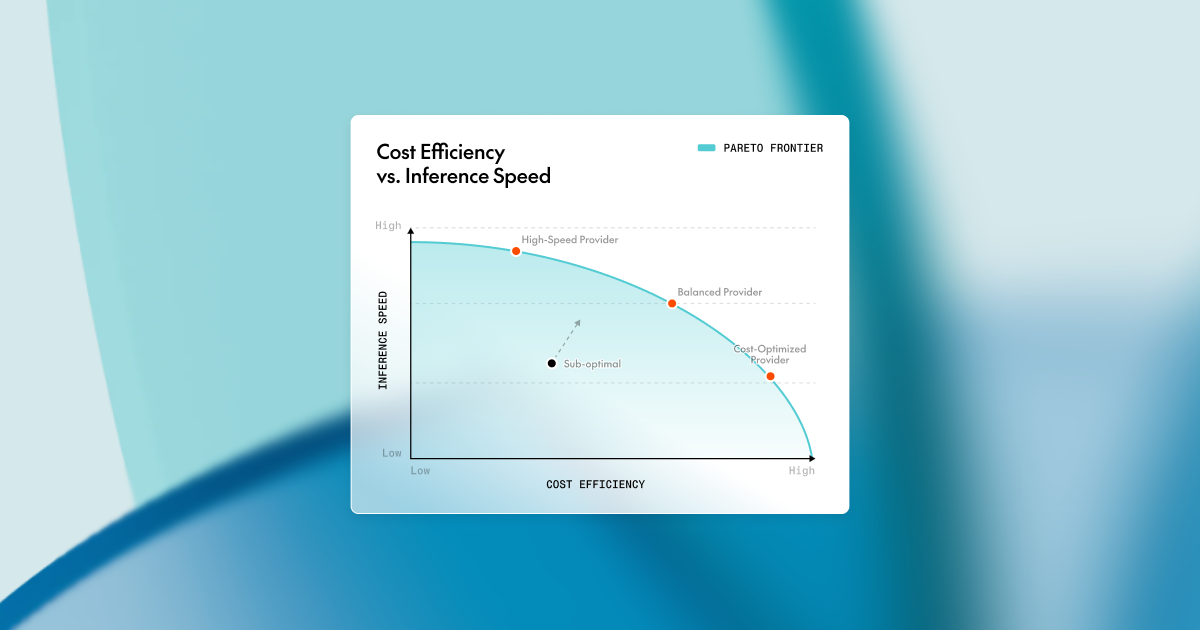
As inference becomes the dominant workload in AI infrastructure, multi-tier storage architectures are emerging as a key method for cost control and enhanced performance.
These architectures combine flash, object storage and disk-based capacity tiers, enabling enterprises to serve training and inference workflows while maximizing GPU productivity and economic savings. Super Micro Computer Inc. has collaborated with its partners to address a basic issue: how to efficiently satisfy the need for AI agents to access key-value, or KV, cache where workflow data is stored.
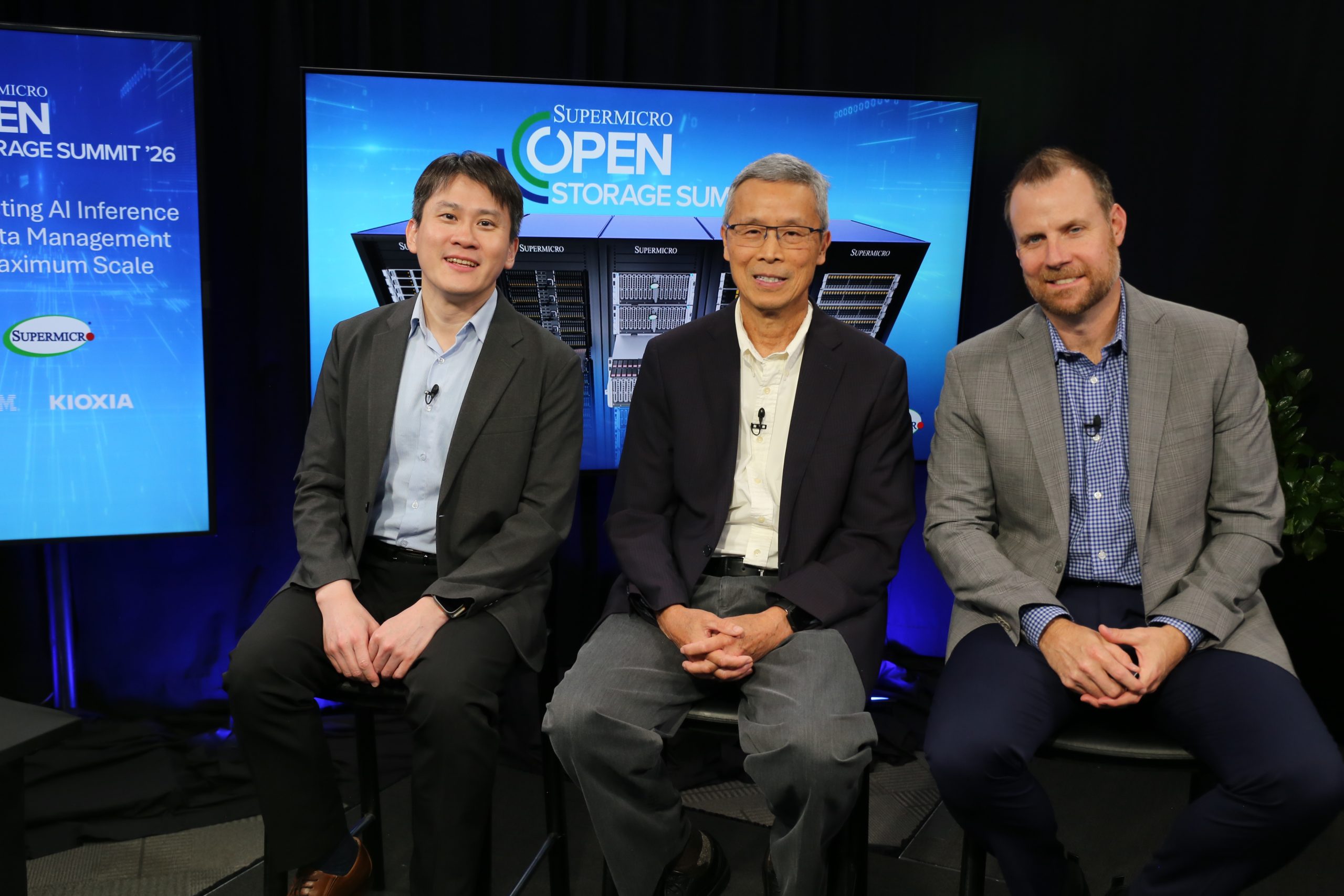
“What we really see out in the market are monolithic massive solutions to these problems, and as they get smaller, those problems are different,” said Paul McLeod (pictured, top right), product director of storage at Supermicro. “Our software-defined partners have been great at creatively tuning their products to fit some very specific key areas. That’s where we see huge growth to take care of all the agentic KVs that people are trying to store for longer periods of time to bring back into the AI.”
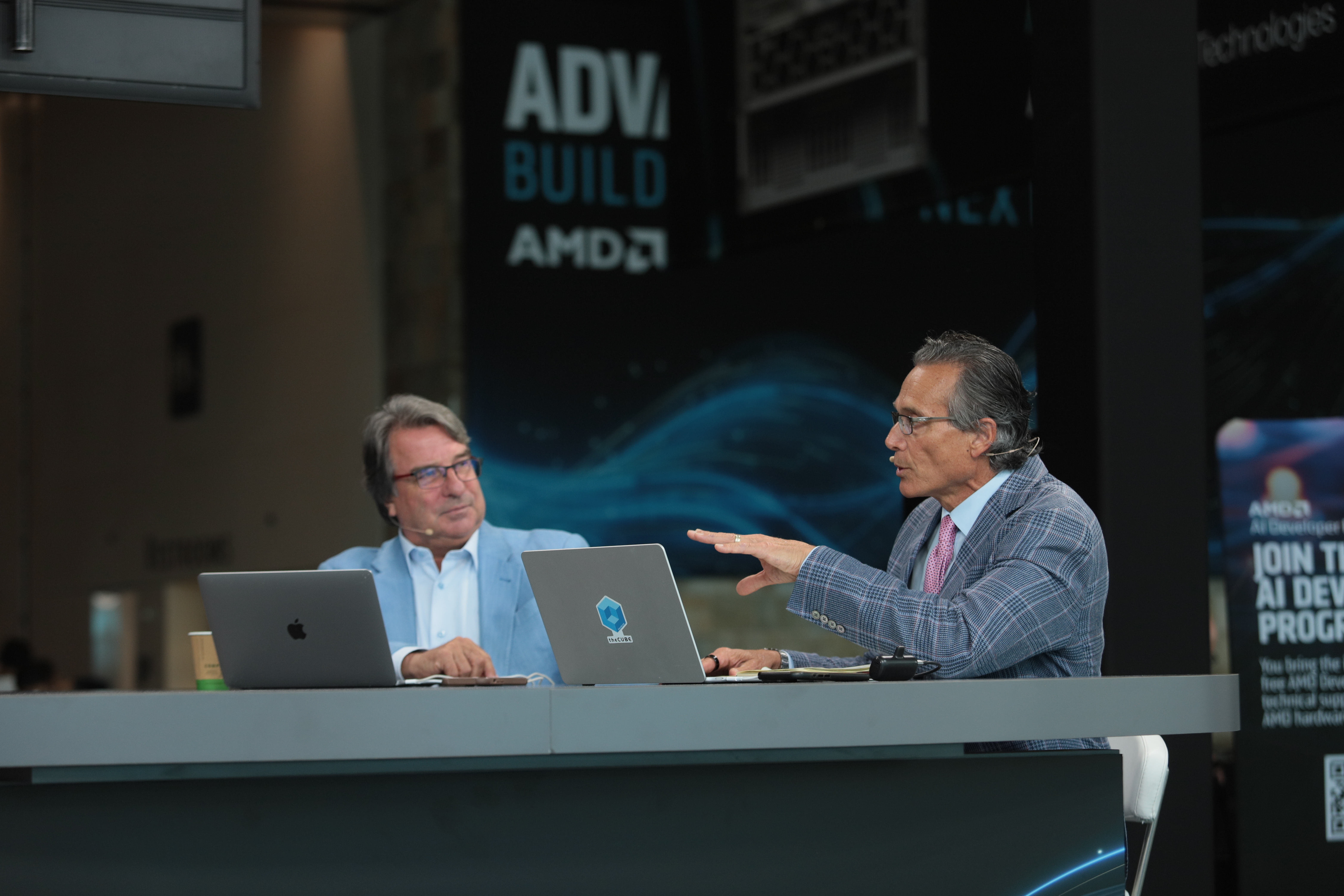
McLeod spoke with theCUBE Research’s Rob Strechay for the Supermicro Open Storage Summit interview series, during an exclusive broadcast on theCUBE, SiliconANGLE Media’s livestreaming studio. He was joined by Angela Gill (bottom, left), director of partner enablement at Intel Corp.; Jonathan Prout (top, left), director of memory business development at Samsung Semiconductor Inc.; Marc Tanguay (bottom, center), senior product marketing manager for HDDs at Western Digital Corp.; Anthony Lembo (bottom, right), vice president of global systems engineering at WekaIO Inc.; and Greg DiFraia (top, center), senior vice president of AI and alliance partnerships at Scality Inc.