Nigeria is tearing up two decades of ad hoc dealmaking in its offshore oil patch, betting that a single, rules-based framework will do what years of one-off negotiations could not and pull as much as $50 billion into deepwater fields that have sat untouched since the price crash of the 2010s.
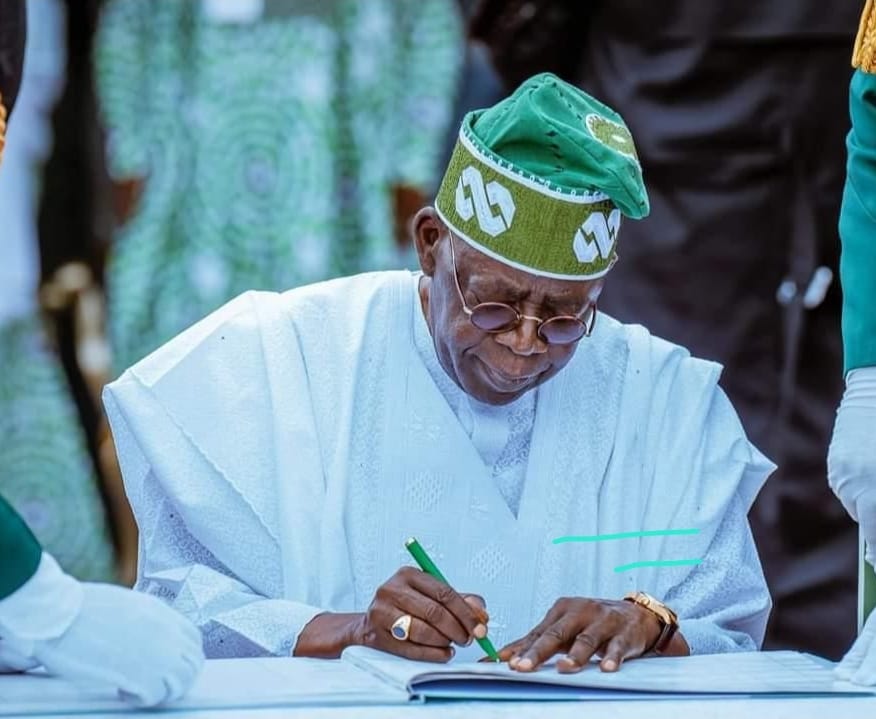
President Bola Tinubu approved the new regime on August 11, replacing the project-by-project haggling that has defined Nigeria’s relationship with international oil companies since the country’s last major deepwater sanction.
The mechanism, formalised as the Deep Offshore Oil and Gas Projects Incentives (Tax Remission) Order, 2026, sets fixed eligibility criteria and implementation timelines that apply across the sector rather than being negotiated field by field.
The shift matters because Nigeria has spent the better part of ten years losing capital to rivals. Angola, Namibia and Mozambique have all courted the same pool of supermajors chasing pre-salt and ultra-deepwater prospects, while Nigeria’s output slid from a peak above 2 million barrels a day to closer to 1.6 million.
Executives at Shell, ExxonMobil and TotalEnergies have long complained that Nigeria’s fiscal terms shifted too often to justify multibillion-dollar, multi-decade commitments.