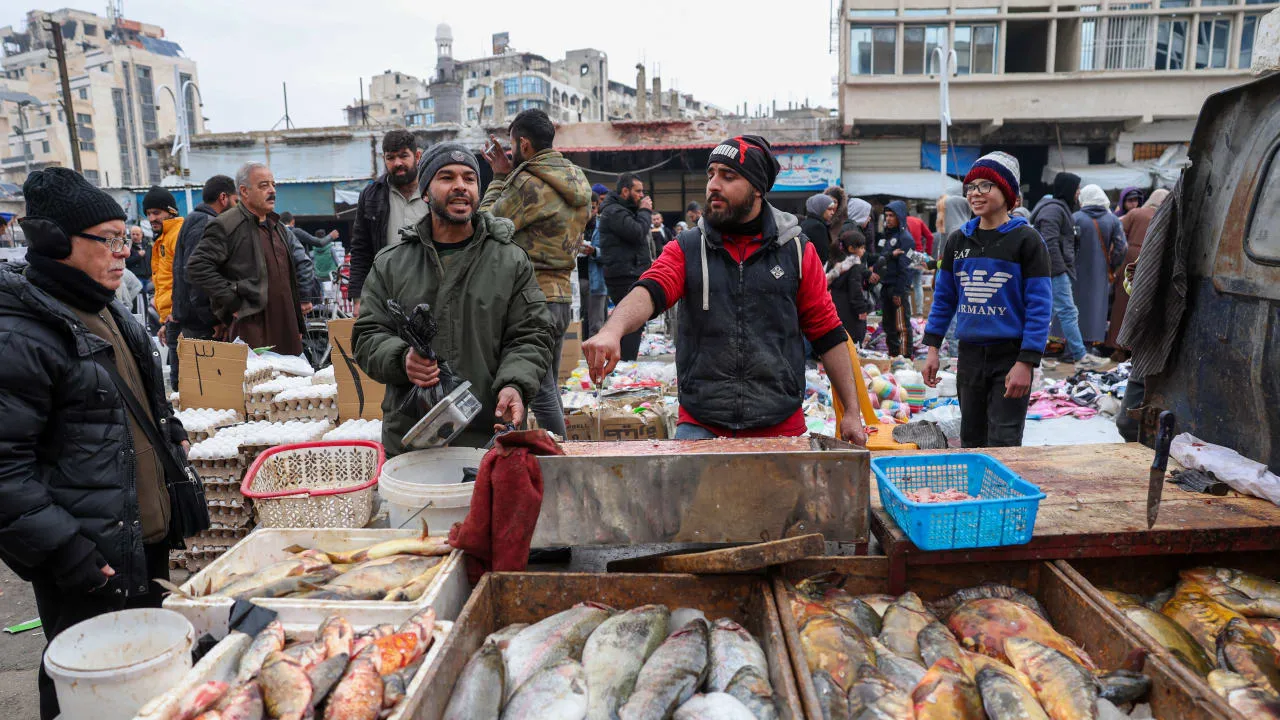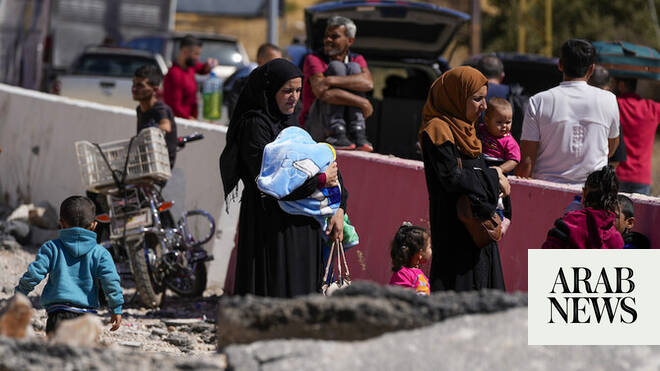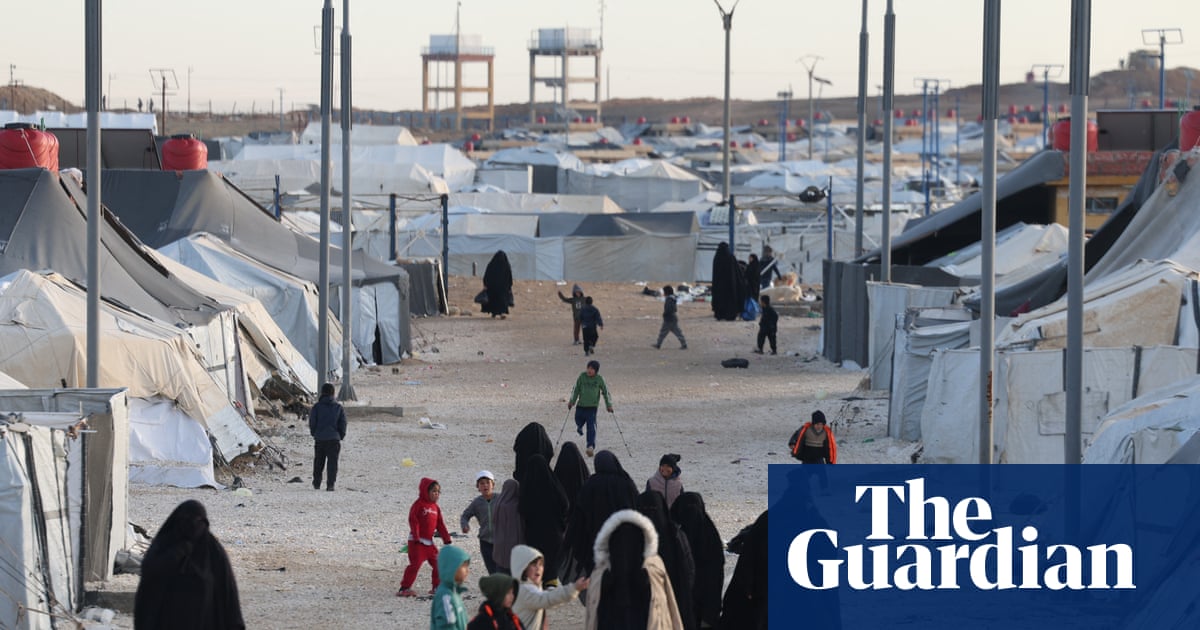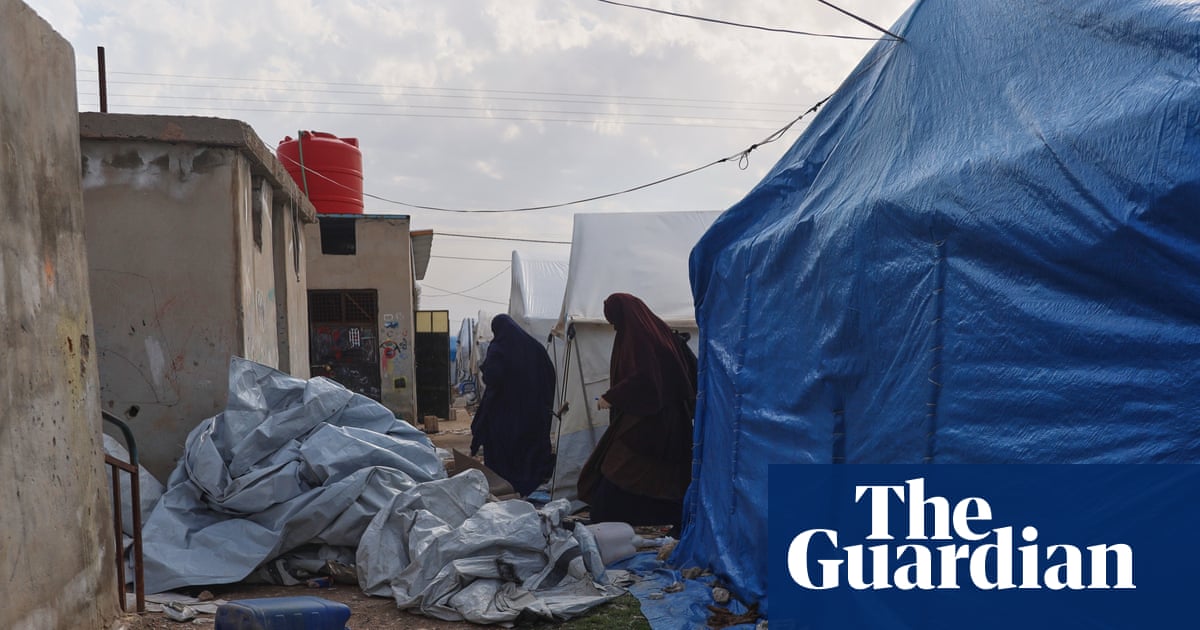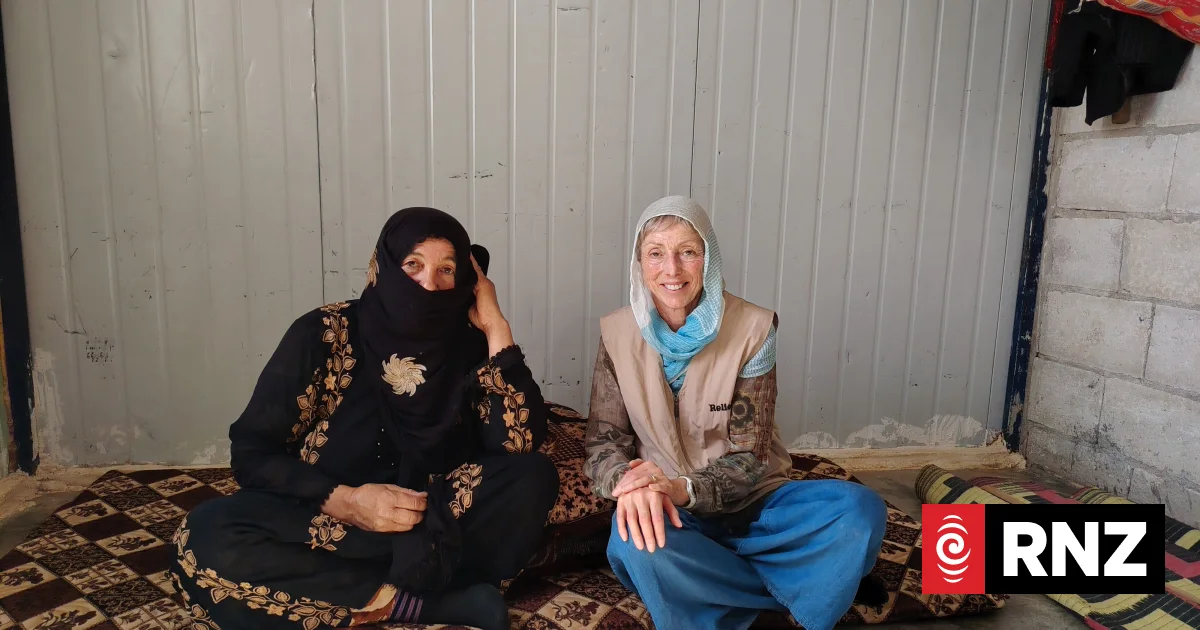
While the world's attention has moved on from the war in Syria, the humanitarian crisis continues, but Kiwi Anne Bulley says "they are daring to hope again"For years, the war in Syria was one of the biggest stories in the world, as it claimed more than half a million lives, tore families apart, and displaced millions.It drew in foreign powers, devastated cities, and created one of the world's worst humanitarian crises.But now, as conflicts rage elsewhere - think wars in Ukraine, Gaza, and Iran - Syria has slipped from the headlines and down the international agenda.For millions of Syrians, though the war ended with the fall of the Assad government in late 2024, it hasn't simply disappeared - its consequences are everywhere, says New Zealander Anne Bulley, who has just returned from a visit to the country.Bulley spoke to The Detail just hours after landing back in New Zealand after eight days in Syria with ReliefAid founder Mike Seawright. The trip fulfilled a promise she made to herself 13 years ago - when it was safe enough, she would go meet her colleagues in person.When she landed at the airport in Aleppo, she says "there was just a wall of people waiting to meet relatives who were returning home for the first time"."People were just hugging and crying and holding on to each other."But, she says, the consequences of war are still everywhere."The destruction is huge, building after building, and some of the most beautiful old buildings just destroyed," she says, while also noting that the cities are busy, with traffic, movement, dust, dirt, and rubble.Destruction in Aleppo, Syria.ReliefAidAnd security remains highly visible, with checkpoints and armed personnel on the streets.But she tells The Detail she never felt unsafe. Instead, she found people welcoming strangers, including herself, into their homes for tea and food.And while some Syrians are beginning to rebuild permanent homes, schools, mosques, and shops around former displacement sites, hundreds of thousands of people are still living in camps.For the children stuck living in these camps, with no access to school, ReliefAid runs education programmes."They're hungry for education, they're hungry for an interaction with people. They are hungry for a future. "But the trauma of war remains for many of the young students, with Bulley recalling a meeting with one aid worker whose children are still terrified by the sound of aircraft."She said if a plane flies over, immediately her children are traumatised."But Bulley also brought home stories of resilience, including that of a 28-year-old Syrian doctor named Raghad who was a teenager when the war began.Her school was closed after protests erupted and government forces opened fire, forcing her to stay at home for two years.But then makeshift lessons began in people's homes. Eventually, she returned to school - but under fire, without electricity, often studying by candlelight.Then amid bombardment and power cuts, she attended Aleppo University to study medicine. Today she is a paediatrician.When the Assad forces were finally being pushed out of Aleppo, she was working in a hospital, with children moved to the ground floor as bombing continued.Bulley says doctors wrapped bandages around their torsos and wrote down their names, dates of birth and their parents' contact numbers - preparing for the possibility that the children might become separated from their families."That to me, that's resilience. It's incredible," Bulley says.But resilience, she says, is not the same as hope. And many Syrians told her they had lost hope during the later years of the war."They couldn't see it was ever going to end. But now, now the war is over, they are daring to hope again."But Syria still needs help. The problem is conflict zones elsewhere are luring the world's attention - and money - and Syria is losing out."We can't get funding for Syria."It's estimated that nearly $400 billion is needed to rebuild the countryBulley says Syria needs access to the international financial system, adding that sanctions and restrictions on banking are making it difficult for money and investment to enter the country.That said, Syrians told Bulley they don't want to depend on the rest of the world forever, preferring to rebuild their own country. One of her colleagues put that sentiment simply.She says he told her, "I want there to be a time when I no longer need to work for ReliefAid because Syria doesn't need ReliefAid."That, she says, is perhaps the ultimate measure of recovery."I think if things can open up for Syria, I think in five years, you will see a very different country."And after everything Syria has endured, Bulley says its people deserve the chance to follow that hope "out of the darkness"."They've come through this. They need to come out to the other side."Check out how to listen to and follow The Detail here.You can also get in touch with us by emailing thedetail@rnz.co.nz
In Syria, a Kiwi finally meets her colleagues
While the world's attention has moved on from the war in Syria, the humanitarian crisis continues, but Kiwi Anne Bulley says "they are daring to hope again"
806 words~4 min read