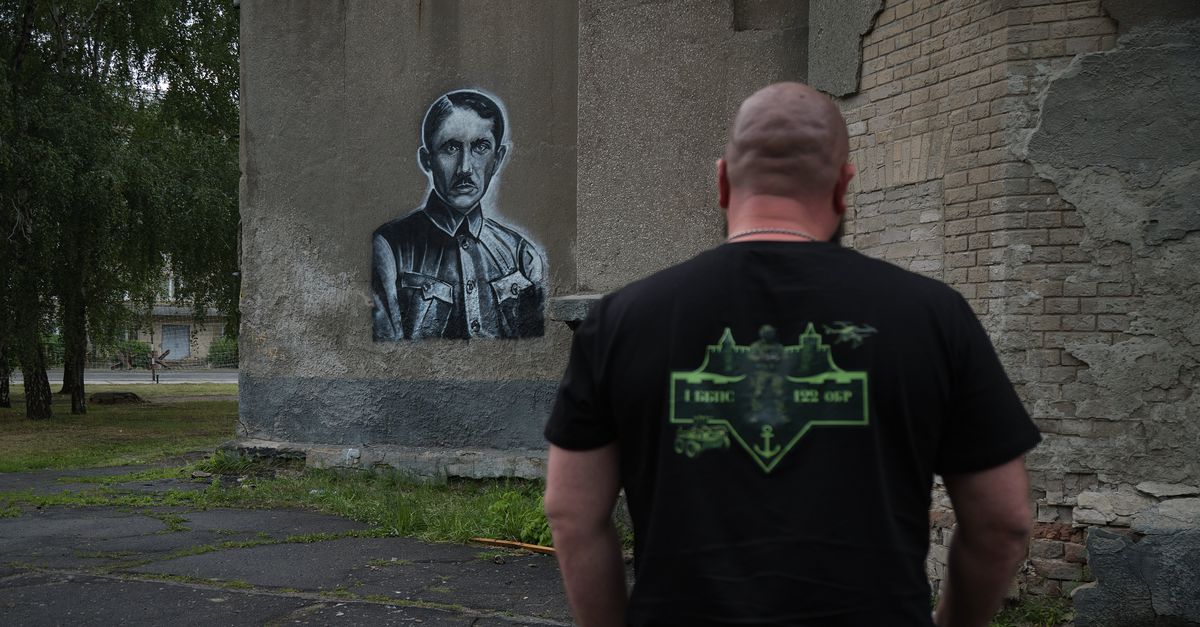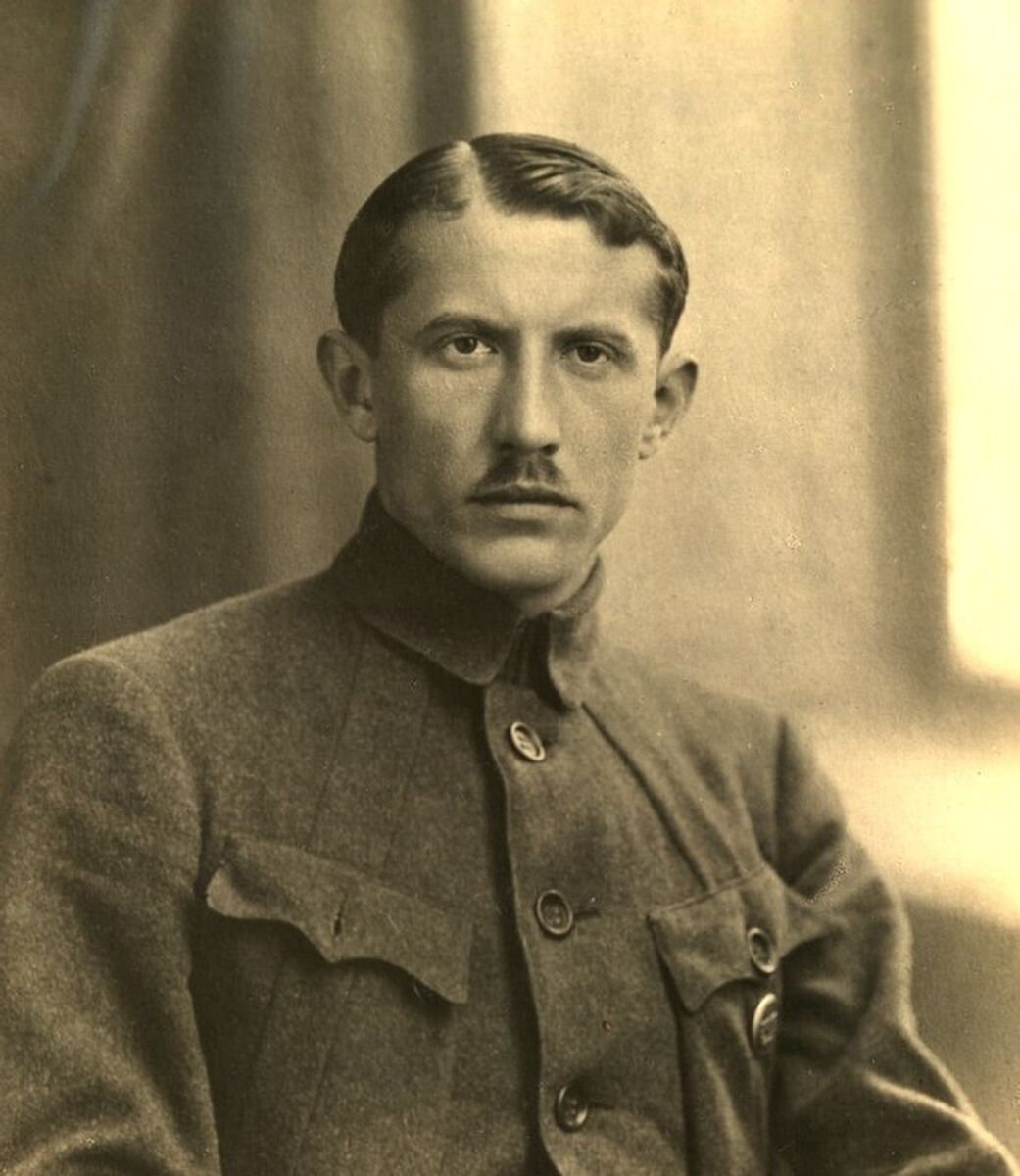
The Atlanta Hotel was an ordinary place – a respectable setting for a meeting.Col. Yevhen Konovalets had some doubts about the man he was meeting, but went anyway. His commitment to Ukraine outweighed concerns for personal safety. He would not turn away from any opportunity to help his embattled nation.JOIN US ON TELEGRAMFollow our coverage of the war on the @Kyivpost_official.May 23, 1938 was a Monday – a bright spring day in Rotterdam. Just before lunch, Konovalets took a seat in the café at a table near a window overlooking the street. He was 46. He asked for a sherry. The younger man who joined him – 30 years old – ordered a beer. They spoke for only a few minutes. Before leaving, the visitor gave him a gift: a box of chocolates. Konovalets liked chocolate.Within minutes, Konovalets lay dead – assassinated by an NKVD agent acting on Stalin’s orders. The bomb hidden in those bonbons was meant not only to kill a man, but to decapitate the Ukrainian nationalist movement. Yet the Soviets failed. Col. Konovalets’ name endured.I first learned about him when I was a young boy. A large photograph of him adorned Kingston’s Ukrainian hall on Bagot Street, a place where our community gathered to remember its history and heroes. I spied that very same image again and again in Ukrainian cultural centers across North America and Western Europe. For most of my early years, I did not fully understand who he was or why he might be worthy of such honor.
Here Comes the Sun: the Assassination of Yevhen Konovalets
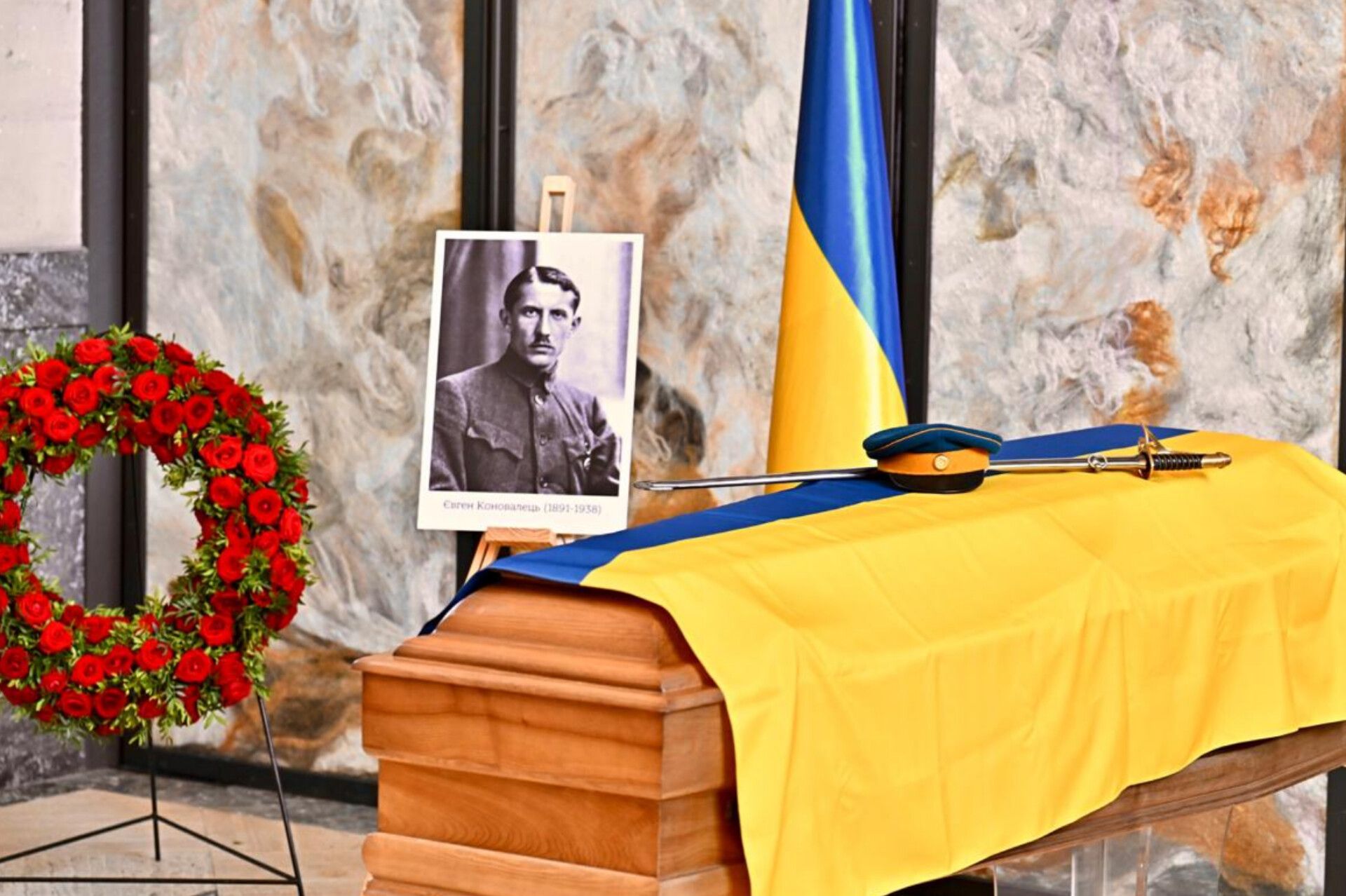
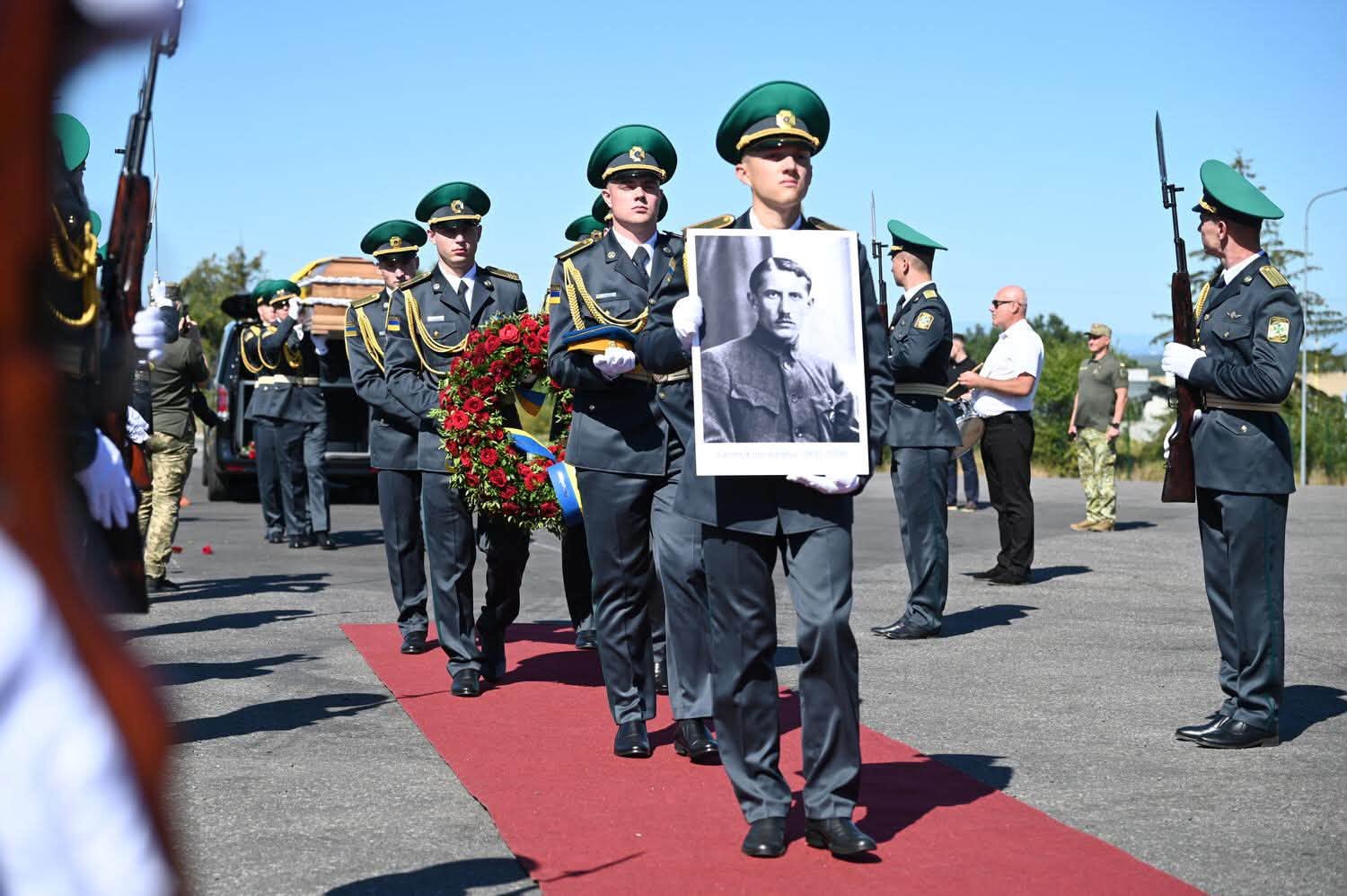
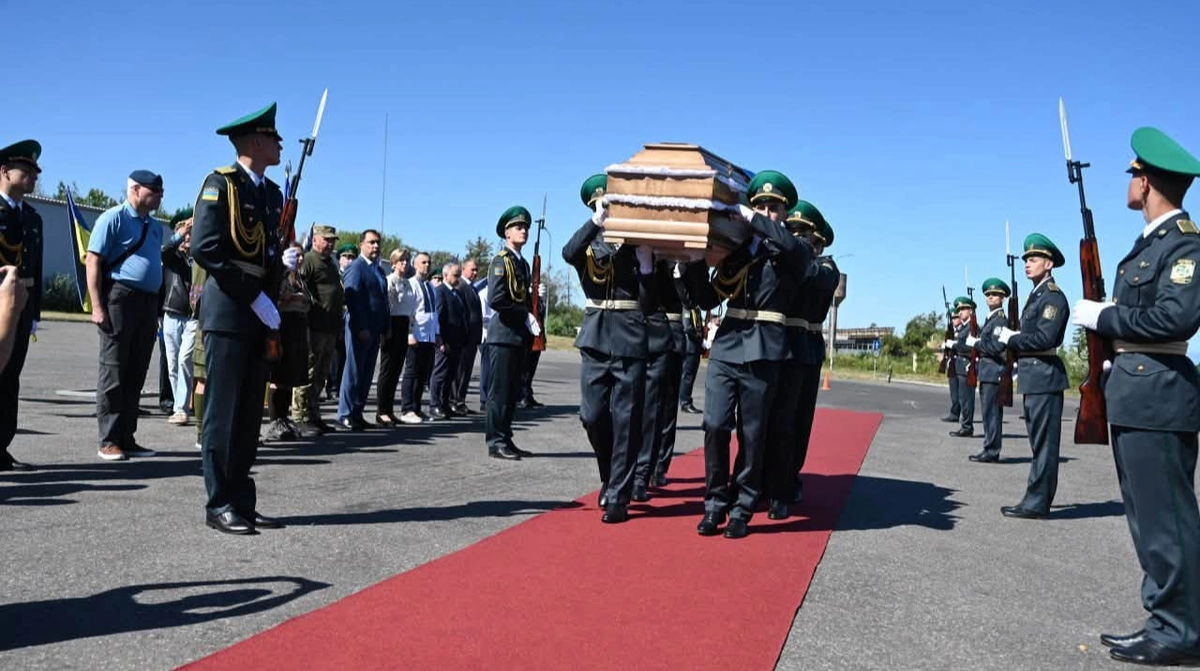
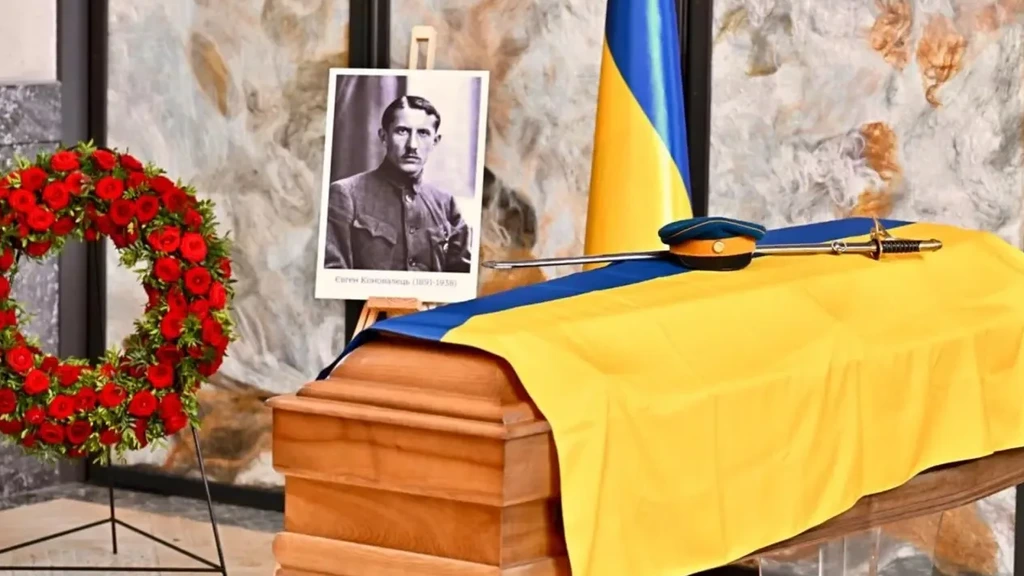
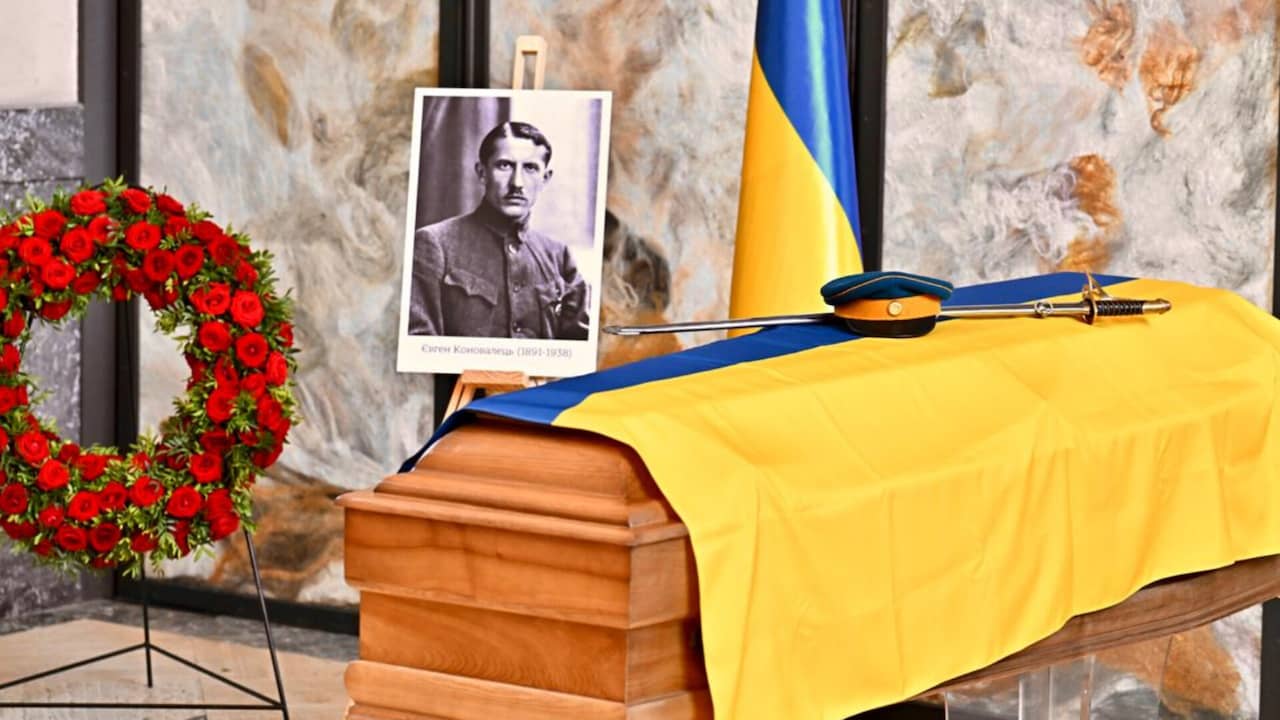
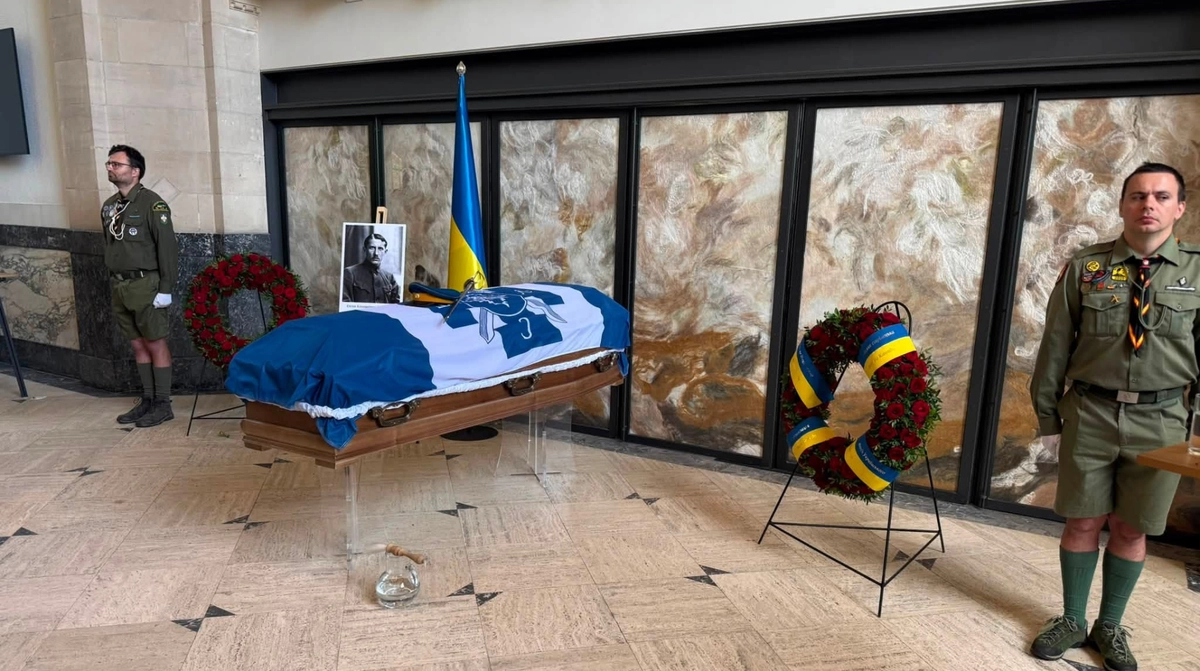
The remains of Ukrainian nationalist hero Col. Yevhen Konovalets are coming home from Rotterdam, where he was assassination by Moscow in 1938.
806 words~4 min read