If your business sells any physical items, such as heavy machinery, equipment, or building materials, for R100 000 or more, the Financial Intelligence Centre (FIC) is watching more closely than ever. Under the FIC Act, you are likely defined as a High-Value Goods Dealer (HVGD), a classification that comes with customer due diligence and reporting obligations you cannot afford to overlook.
Criminals have increasingly turned to high-value transactions to launder money, using purchases of vehicles, machinery and equipment to convert illicit funds into legitimate-looking assets. This shift in tactics is exactly why the sector is now under closer FIC scrutiny, and why the regulator expects HVGDs to have proper controls in place.
The businesses that get caught out are usually the ones that cannot tell the difference between a normal high-value sale and one with red flags attached. Structured or split cash payments, deals with no clear business rationale, and first-time customers making large purchases with no trading history are all signs that should trigger a closer look, not a quick sign-off.
What does FICA actually require from your business?
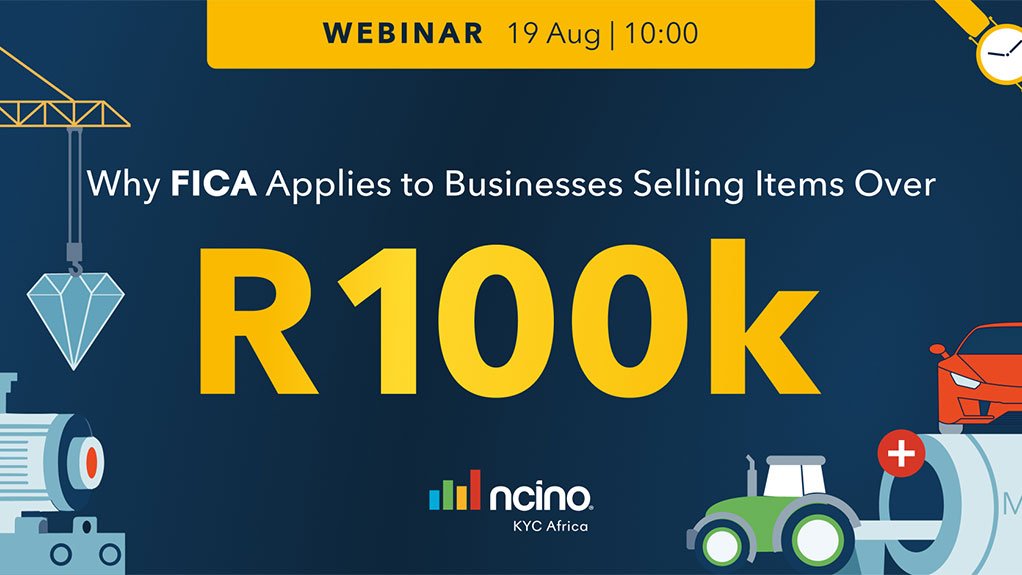
Join FICA compliance experts nCino KYC Africa for a webinar on the August 19 at 10:00 to understand why businesses like yours have become targets for money laundering, and what the FIC expects from you.