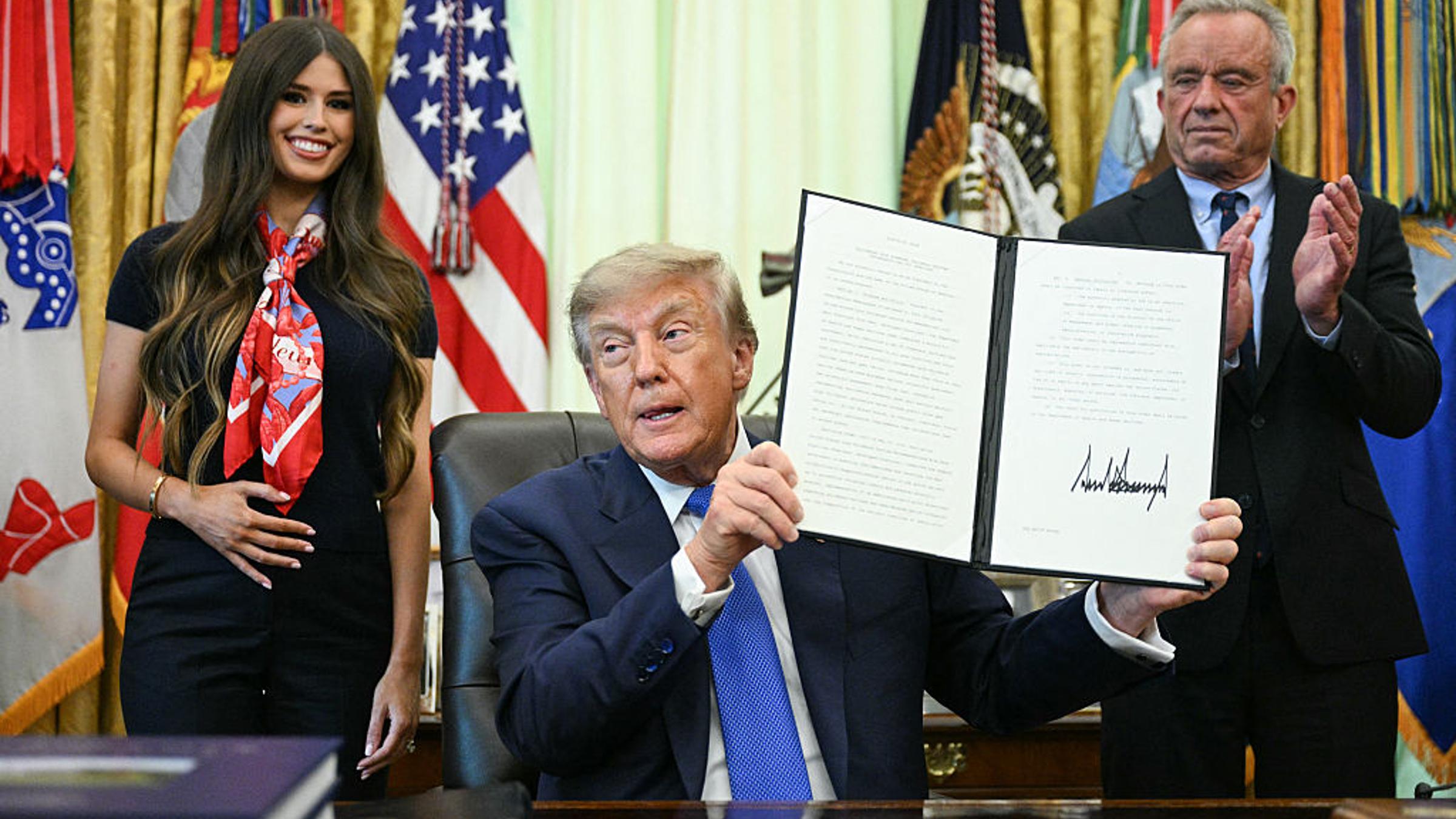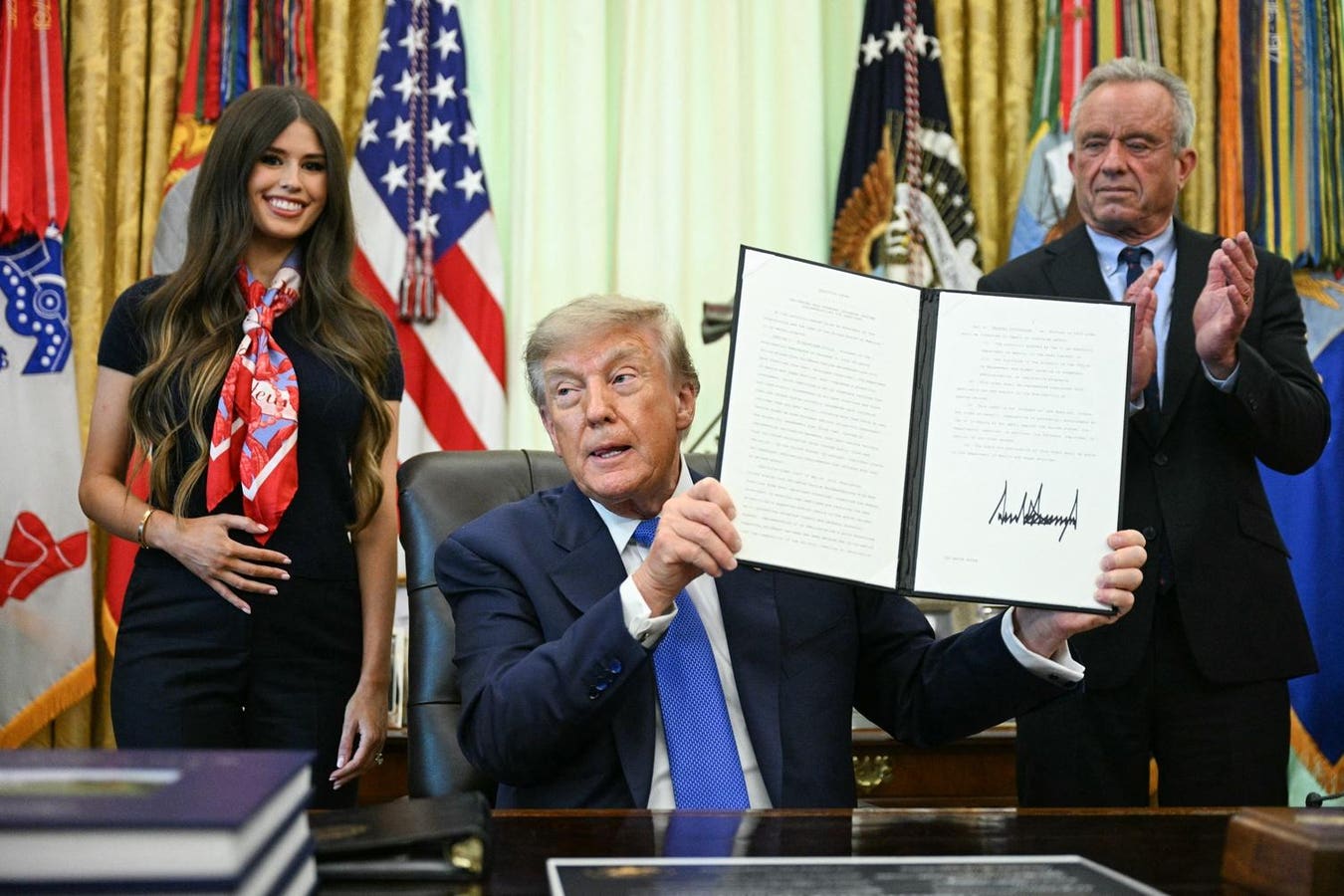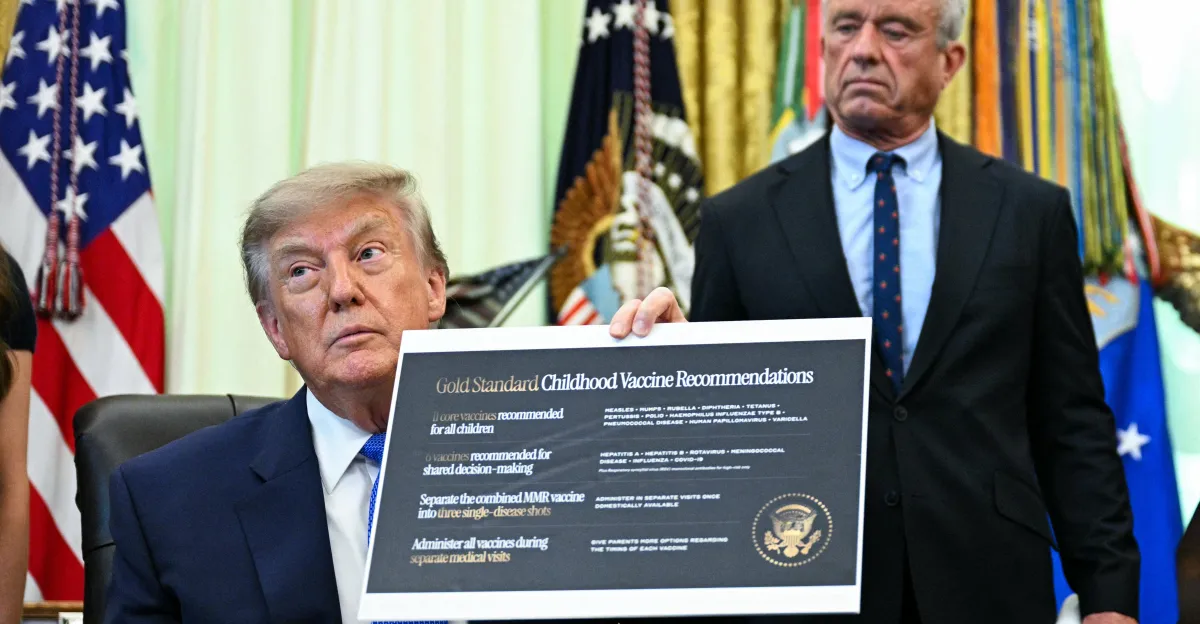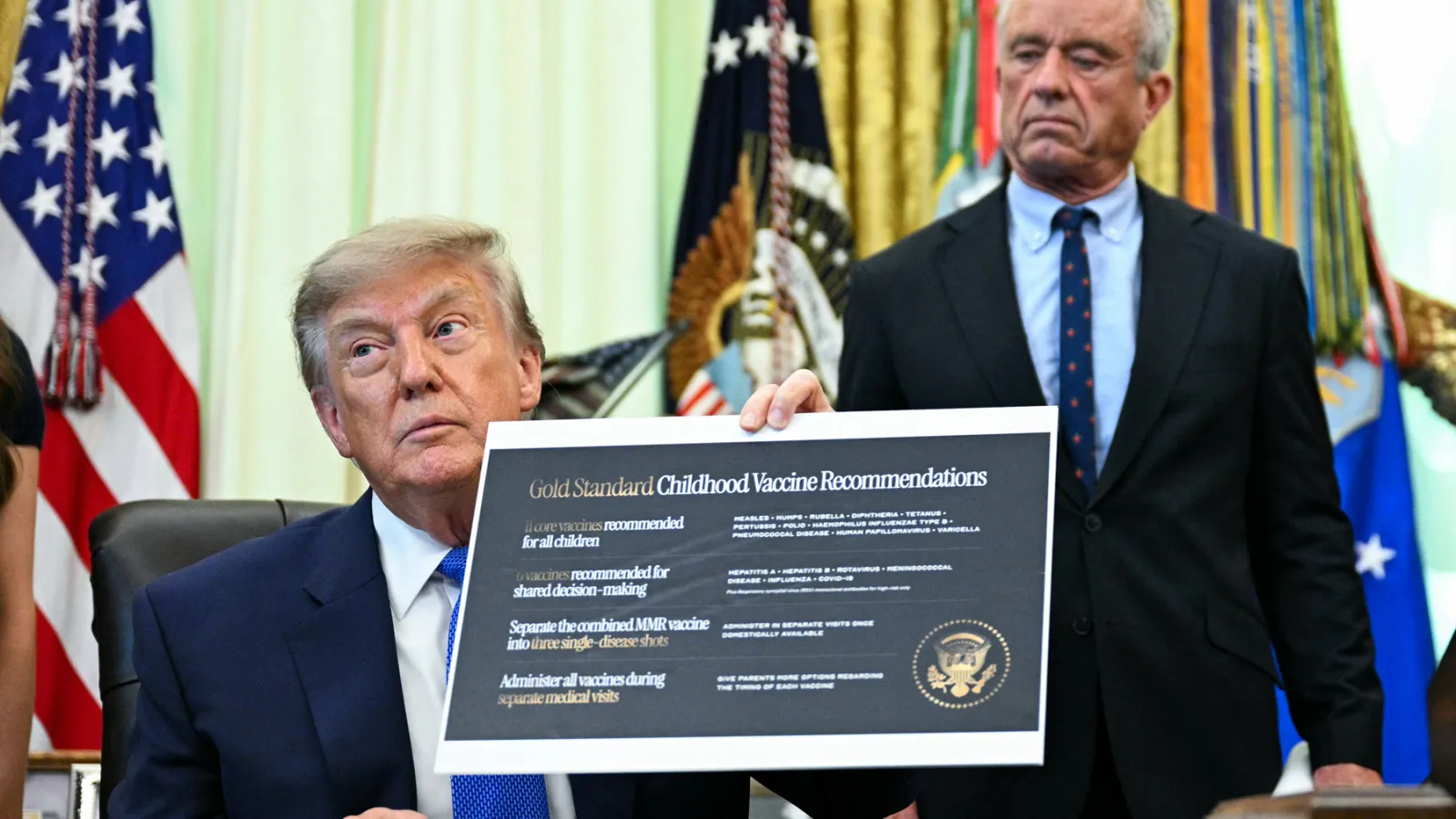
The White House fact sheet accompanying President Trump’s executive order, which he signed Monday, makes a claim worth examining: that most peer nations sustain high childhood vaccination rates through “public trust and education” rather than mandates.
Let’s use trust as the test.
The order reaffirms a childhood vaccination schedule already cut from 18 diseases to 11 and targets state mandates. Most problematically, the order asks uncertain parents to trust a government that is simultaneously revising established vaccine recommendations and presenting those changes as a new “gold standard.”
Consider who is actually listening. In a June poll, KFF asked whether respondents believed in four vaccine falsehoods. Eight percent of adults endorsed all four pieces of misinformation, while 55% rejected all four. But 31 percent fell into KFF’s “malleable middle” — people whose answers are inconsistent and more often “probably” than “definitely.” Among parents who reported skipping or delaying their children’s vaccines, 45% came from that malleable middle.
The malleable middle group demonstrates that many parents reporting delayed/skipped vaccination are not staunch vaccine opponents. They are uncertain and disproportionately receptive to false claims. KFF found that parents who skipped or delayed vaccines were more likely than parents who kept their children up to date to endorse each false claim tested — 57% versus 30% on the “MMR causes autism” claim.