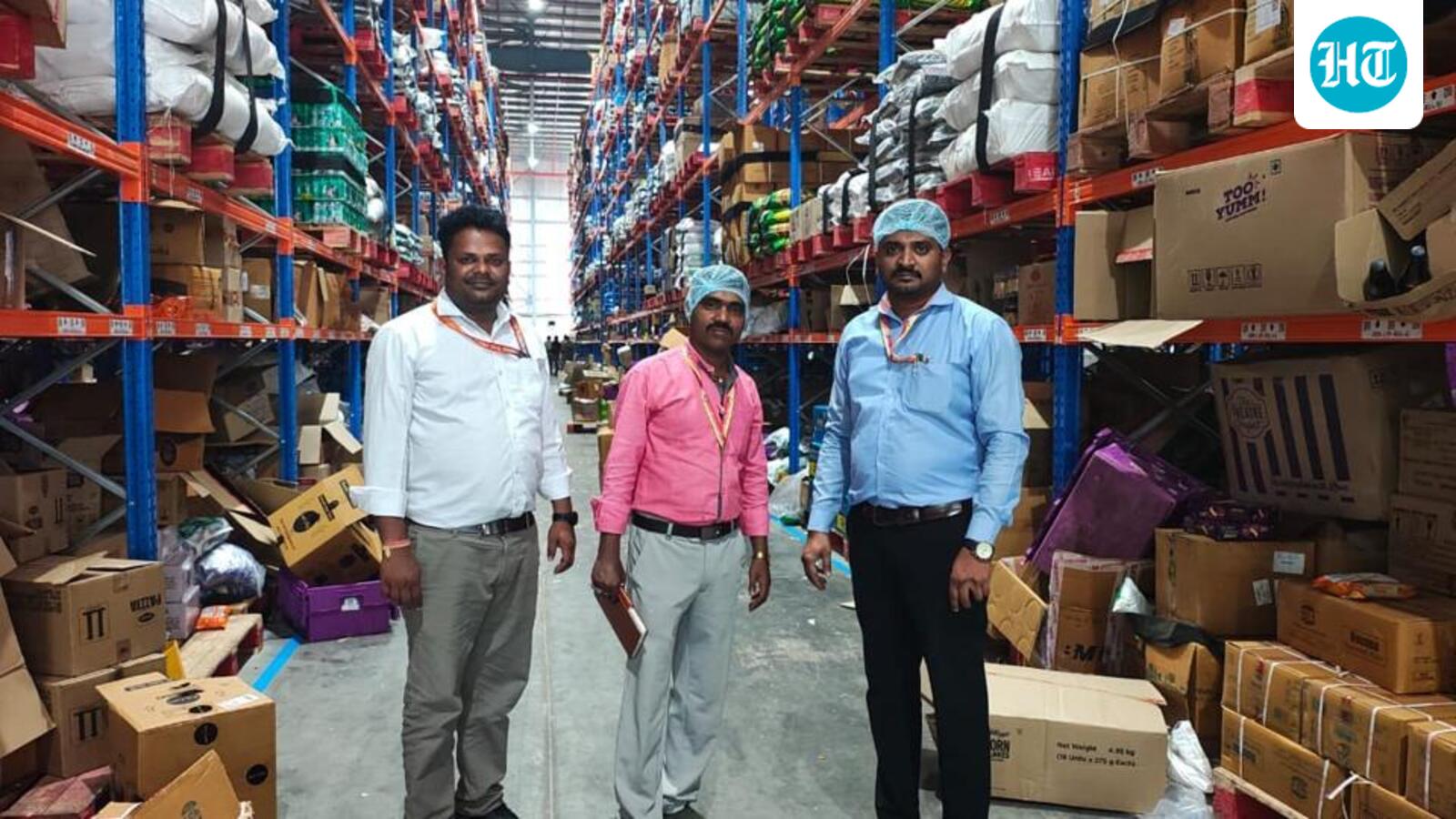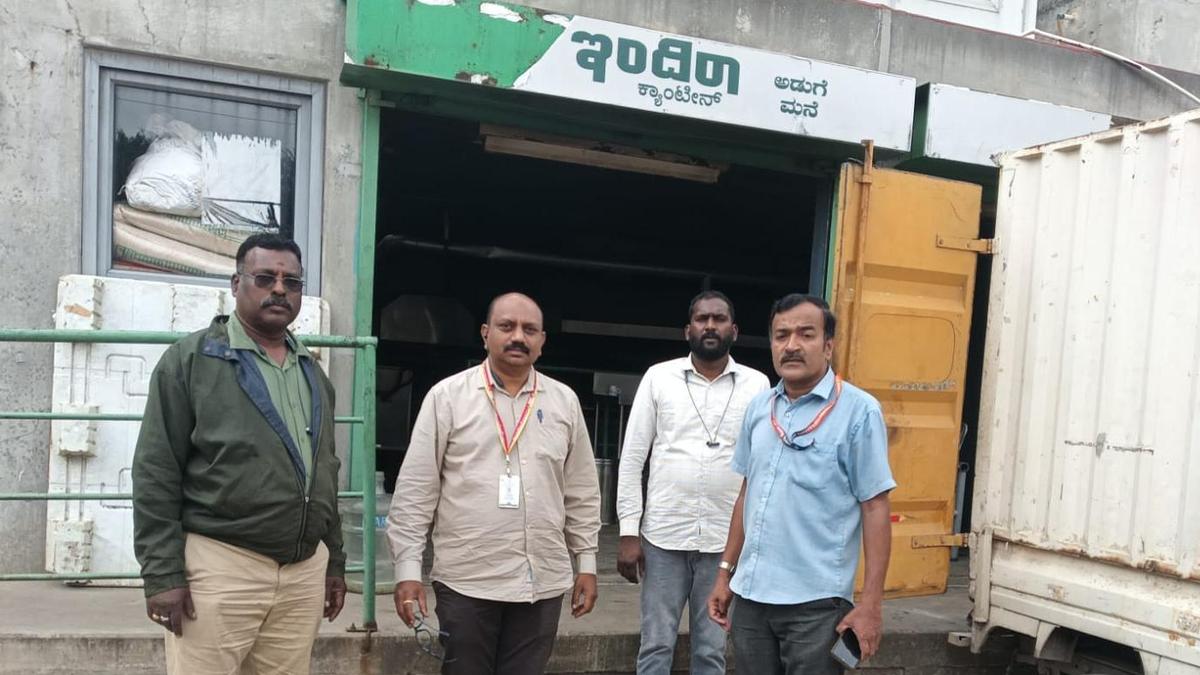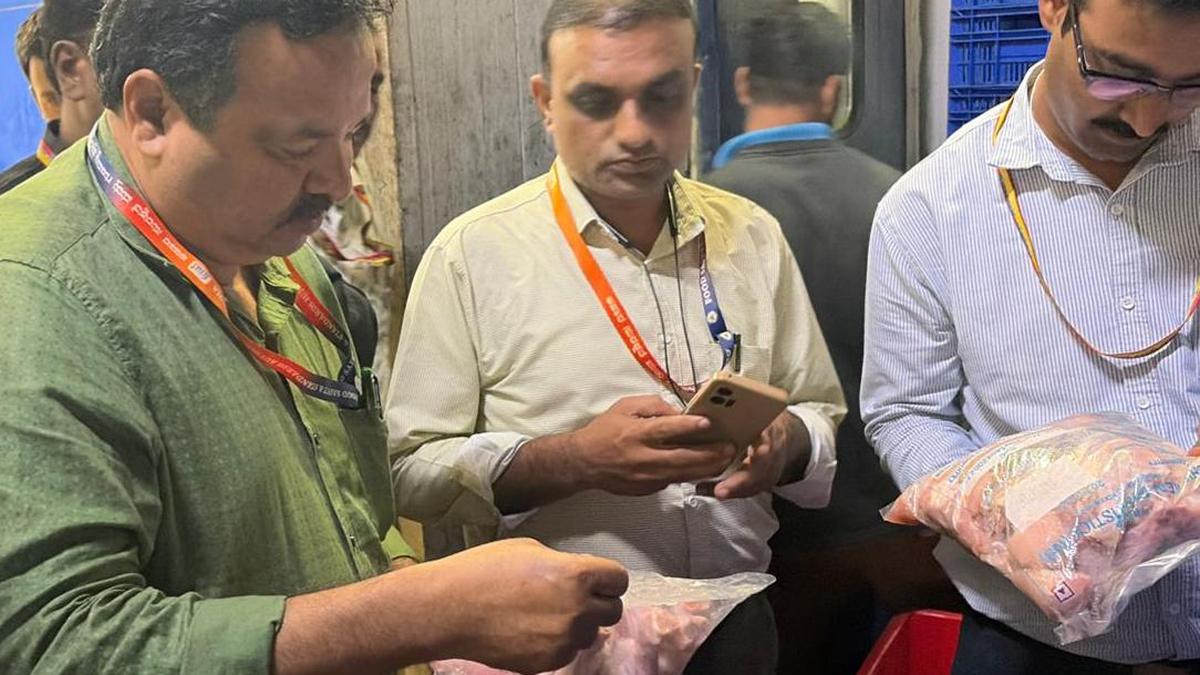
An inspection by the Food Safety and Drug Administration Department found organic waste, discarded wrappers and bottles, accumulated dirt on the floor and empty cardboard boxes at a Zepto warehouse in Bengaluru.The warehouse, operated by Nippon Express, has also been issued a notice, while the department has recommended filing a case against the facility.It has been sealed after food safety officials found what they described as “extremely unhygienic” conditions during an inspection on August 11.The inspection was part of a special drive conducted across the city under the guidance of Karnataka Health and Family Welfare Minister UT Khader.The Food Safety Wing inspected the warehouse for compliance with requirements relating to food quality, safety, storage, labelling and handling under the Food Safety and Standards Act, 2006, and associated regulations.Separately, the Bengaluru North City Corporation imposed a ₹25,000 penalty on Zepto at its Thanisandra location for allegedly failing to maintain cleanliness at the premises.The action against Zepto comes amid increased scrutiny of hygiene and food-safety practices at facilities handling food and grocery orders.Earlier this week, similar concerns were reported at some of Bengaluru’s prominent hotels, prompting inspections by authorities.In Mumbai, the Maharashtra Food and Drug Administration (FDA) on Monday suspended the food licence of a Blinkit facility operated by Blink Commerce Pvt Ltd after officials found the premises to be unhygienic and infested with cockroaches.Blinkit, owned by Eternal, competes with Zepto in India’s rapidly expanding quick-commerce market.The regulatory action highlights the growing scrutiny faced by quick-commerce operators as their networks of dark stores and fulfilment centres expand across cities. These facilities handle large volumes of food and grocery products and are increasingly becoming an important part of the retail supply chain.The inspections also come as quick-commerce companies expand their presence beyond major metros into smaller cities, increasing the need for compliance with food safety, storage and hygiene requirements across their fulfilment networks.Published on August 11, 2026
Zepto warehouse in Bengaluru sealed over ‘extremely unhygienic’ conditions
The warehouse, operated by Nippon Express, has also been issued a notice, while the department has recommended filing a case against the facility
314 words~1 min read