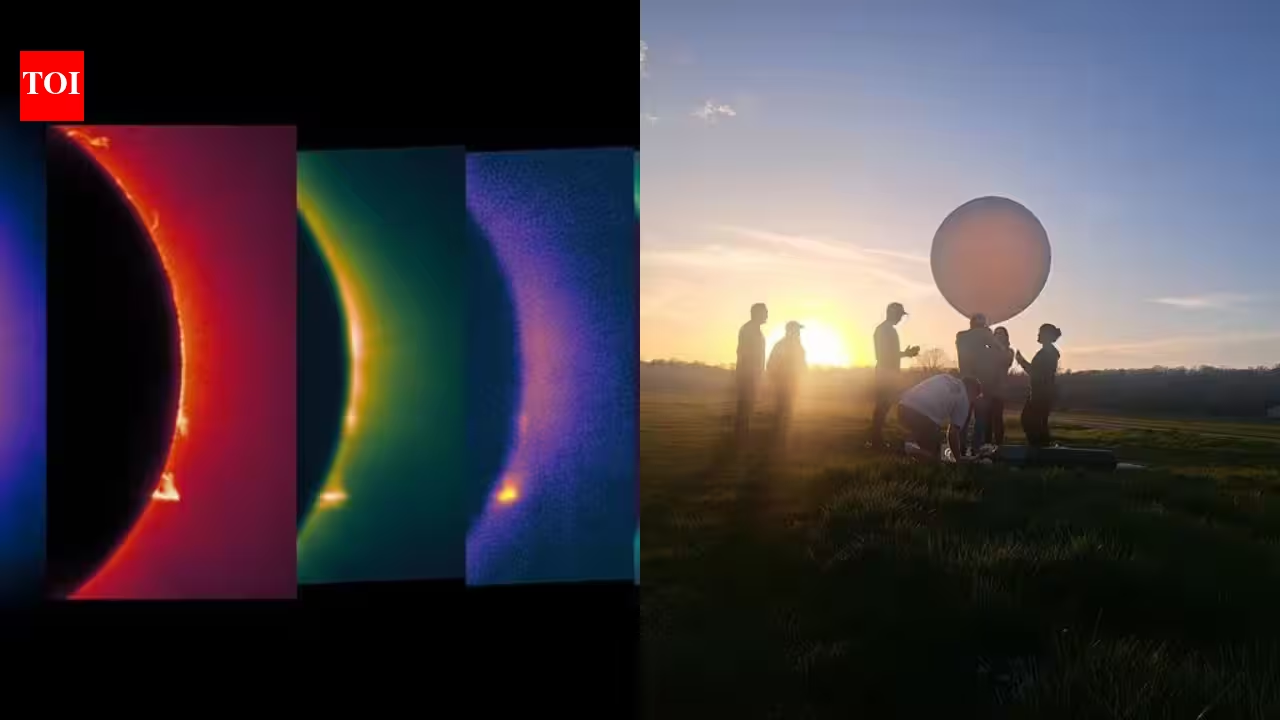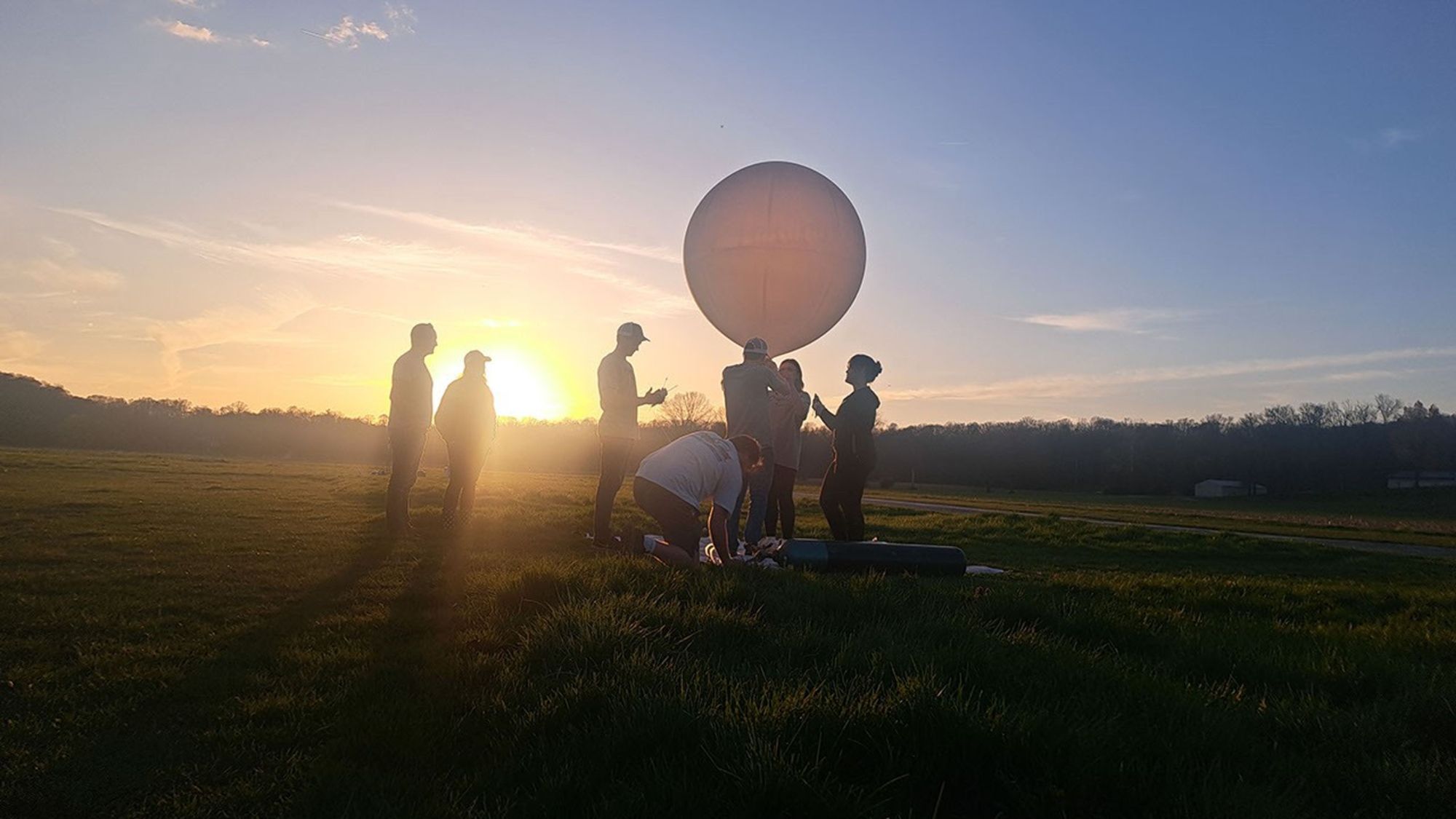
A student team from the University of Kentucky prepares to launch a balloon from Bloomington, Indiana, to take atmospheric measurements on April 8, 2024, during the 2024 Nationwide Eclipse Ballooning Project campaign.
(Image credit: Sean Bailey (University of Kentucky))
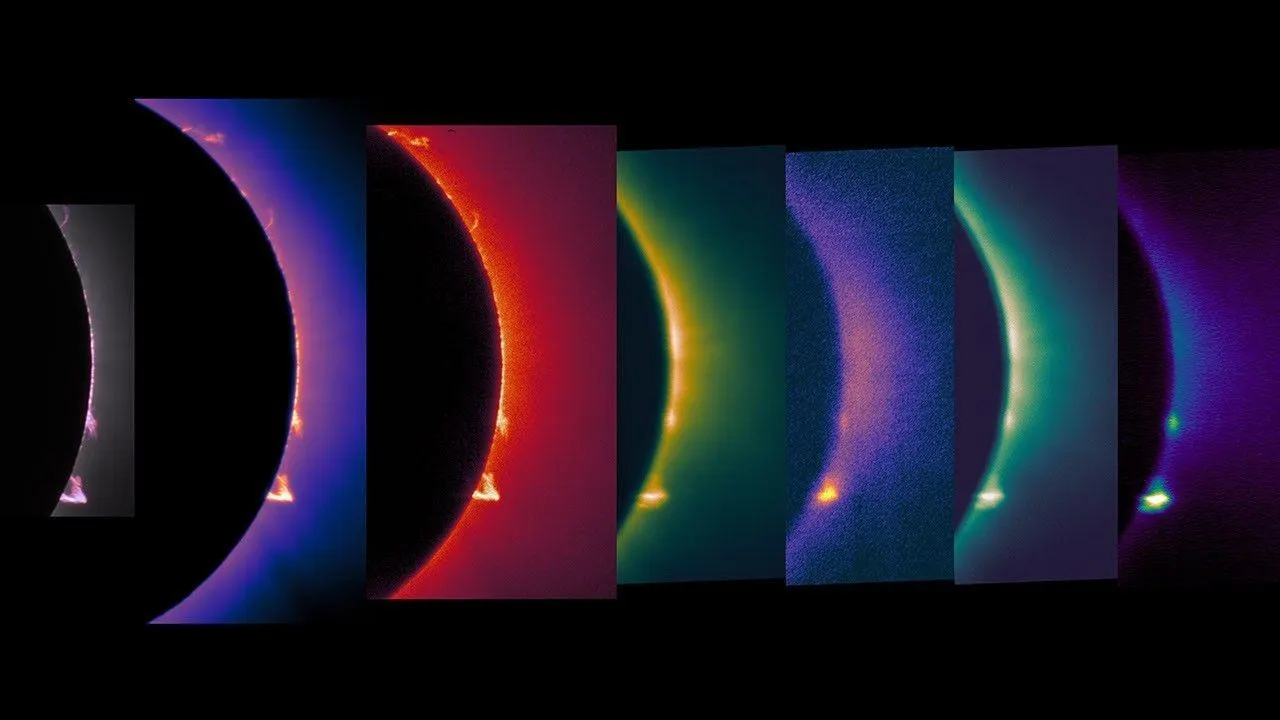
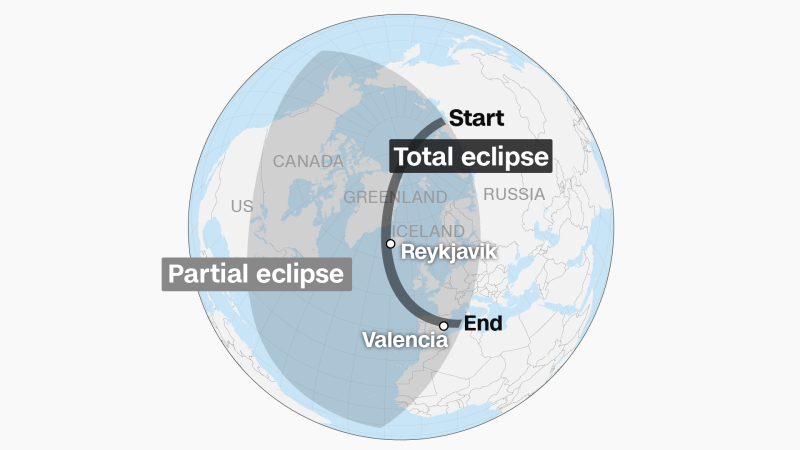
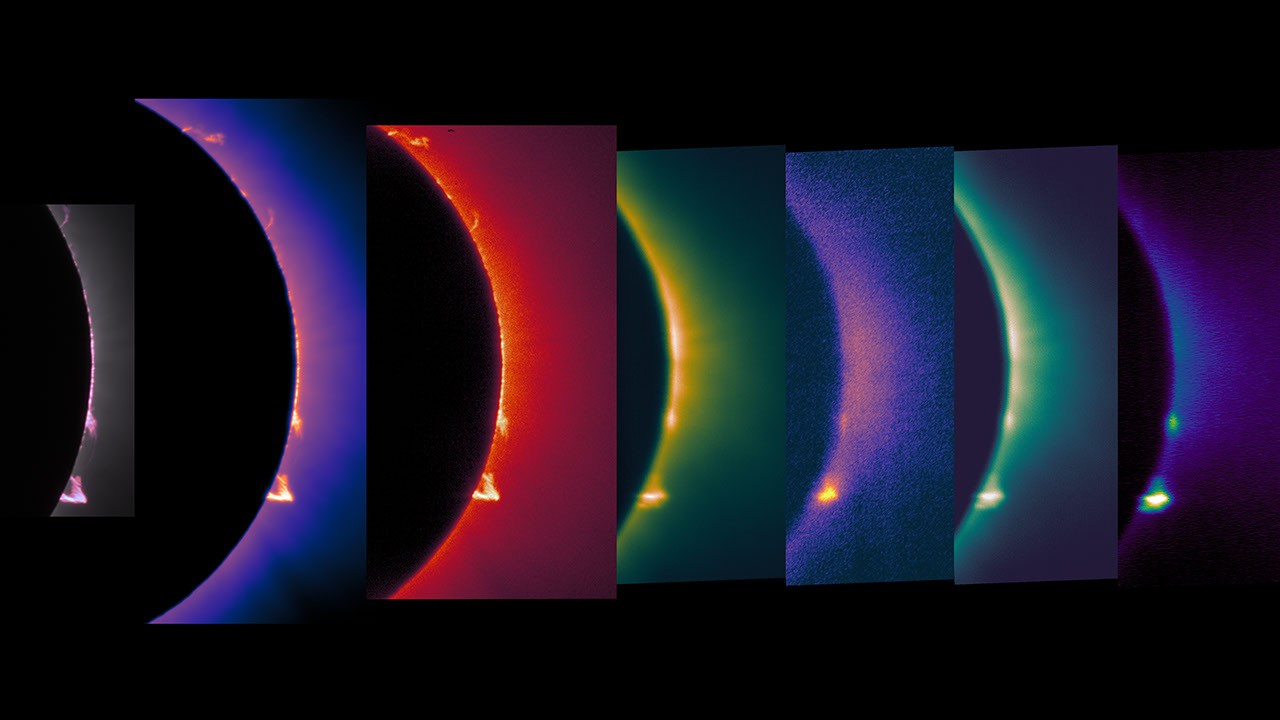
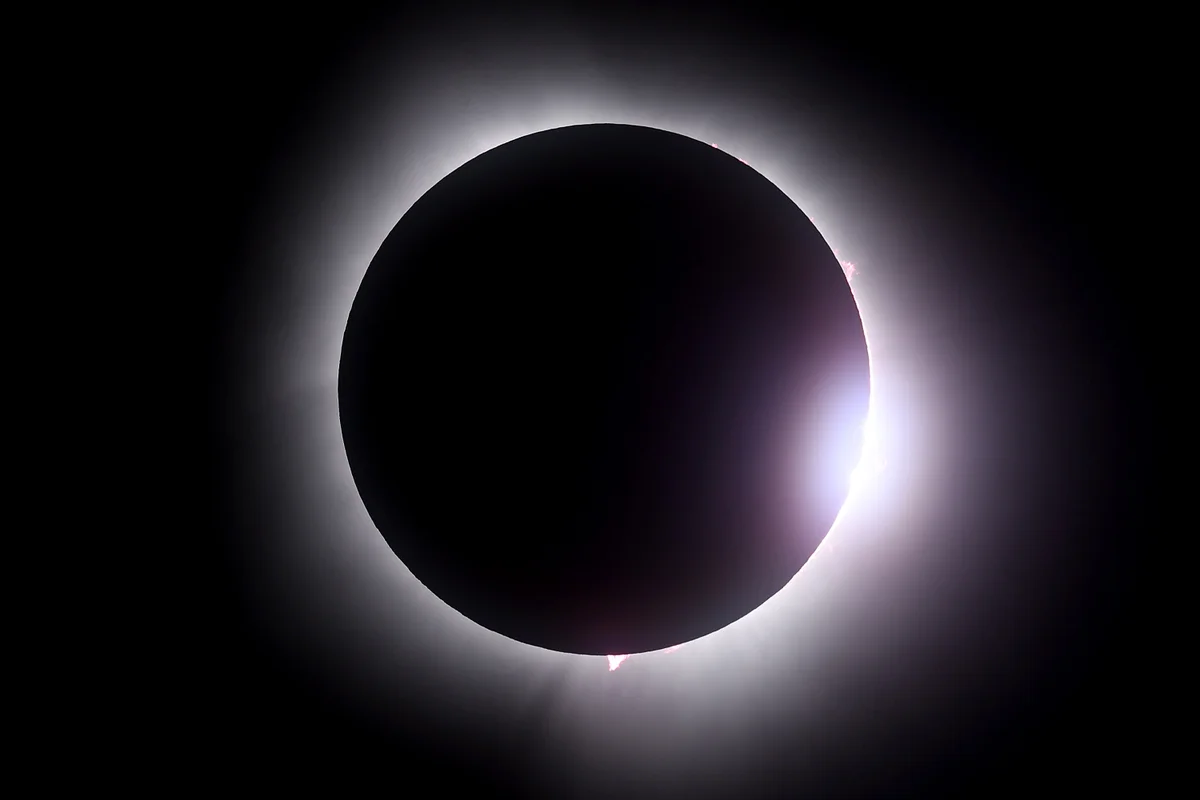
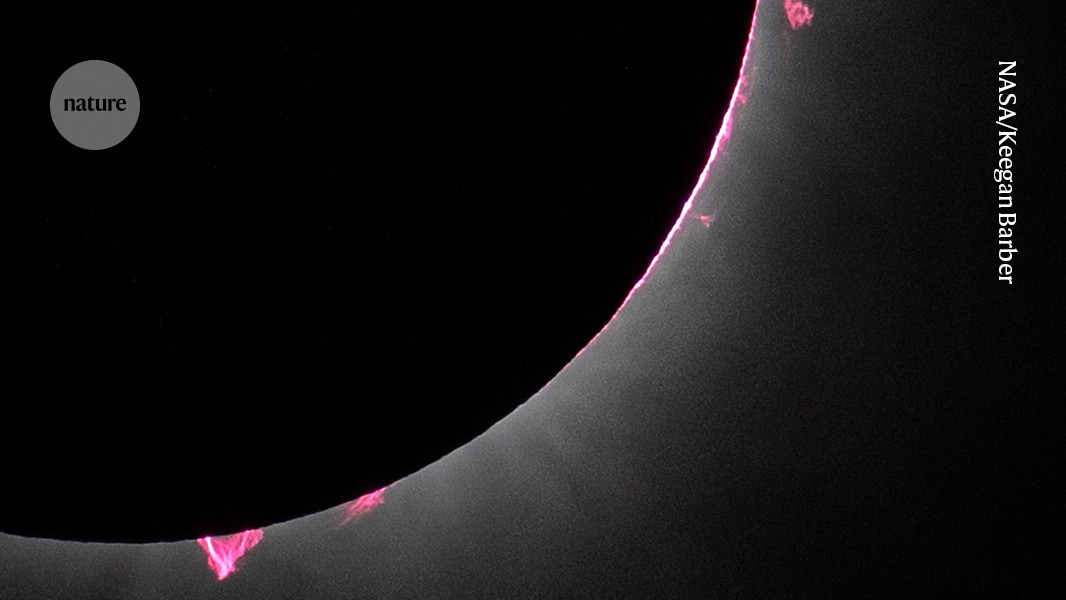
A total solar eclipse isn't just a spectacular sight to witness for those lucky enough to lie in the path of totality (or travel to it, as many dedicated skywatchers do). It also gives scientists a rare chance to study the sun's outer atmosphere, or corona, during the day.As such, NASA plans to take full advantage of the opportunity for the upcoming total solar eclipse happening on Aug 12.The space agency's WB-57 high-altitude research jet will chase the moon's shadow across the globe, which will extend the agency's ability to capture data from the eclipse. The NASA-supported Nationwide Eclipse Ballooning Project will also coordinate teams to release balloons that will help us know how our atmosphere changes when an eclipse turns the sky dark during the day."From our unique perspective on Earth during a total solar eclipse, scientists can study the sun's corona in a way we can't from anywhere else in the solar system," Kelly Korreck, eclipse program manager at NASA Headquarters in Washington, said in an official announcement."The sun impacts our daily life, satellites, and astronauts in space, and we can take advantage of this moment to advance our understanding of that influence," she continued.