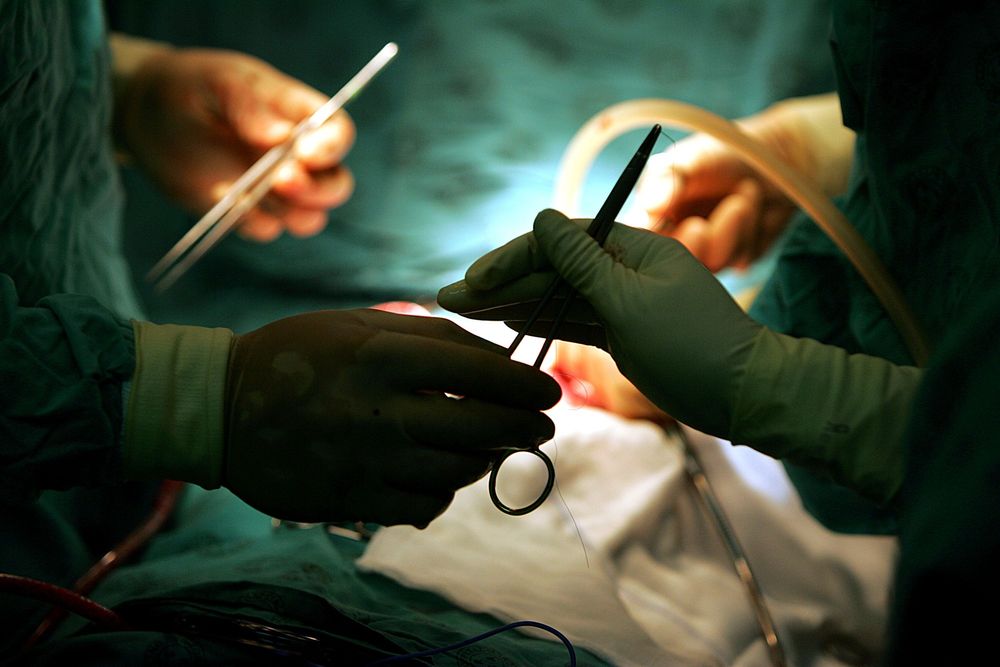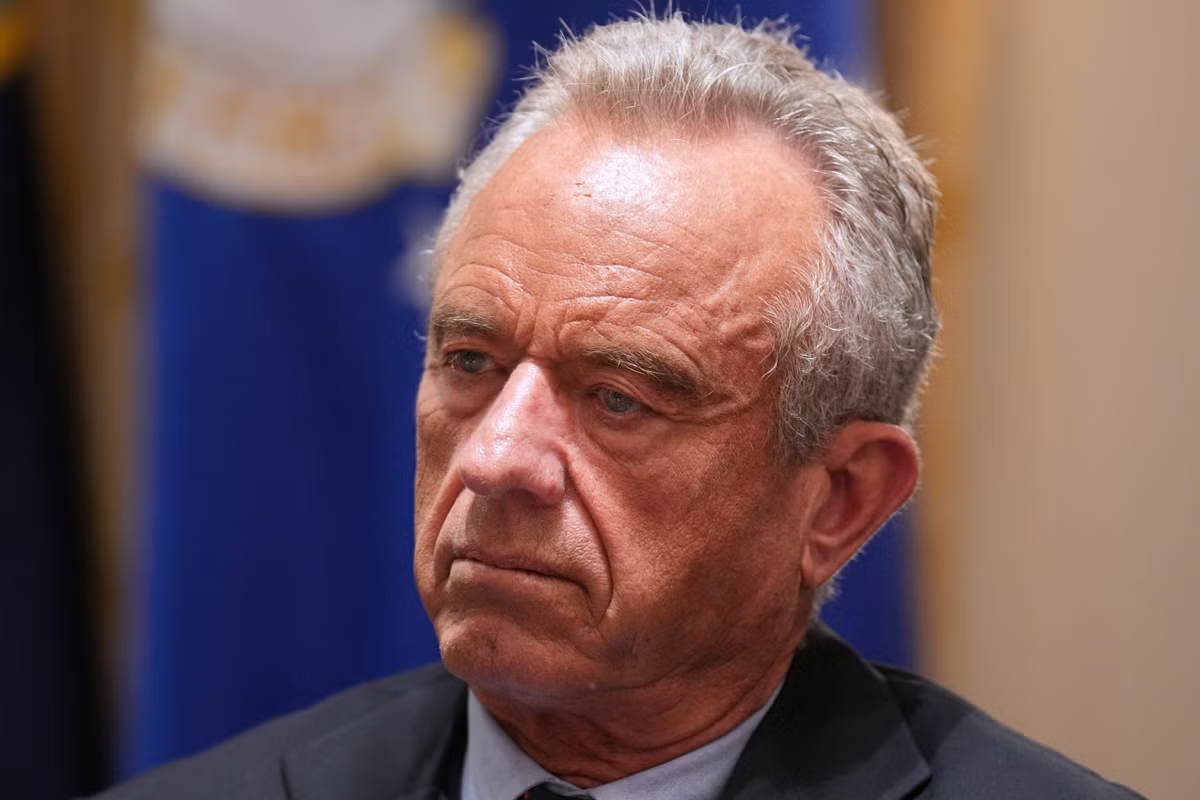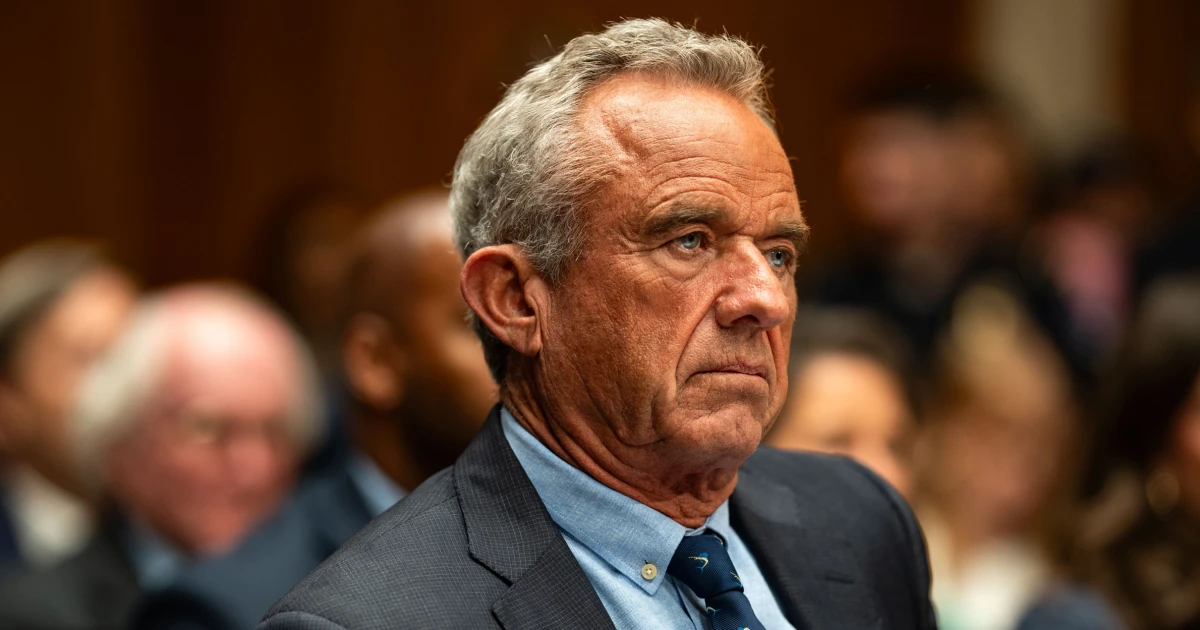
Welcome to Tuesday’s edition of Washington Secrets. Last week, RFK Jr. took decisive action against an organ procurement organization, detailing cases in which potential donors woke up or showed signs of consciousness on the operating table. Yet, as we show, concerns about the 55 nonprofit groups that procure organs run much deeper than that. Plus, we have some extra details on the president’s secret flight from Turkey and a new Anthropic hire.It is five years since an unconscious Kentucky man began to wake up just as he was being prepared for organ donation.Kentucky Organ Donor Affiliates, now known as Network for Hope, still tried to move ahead with surgery, even as TJ Hoover cried and shook his head.
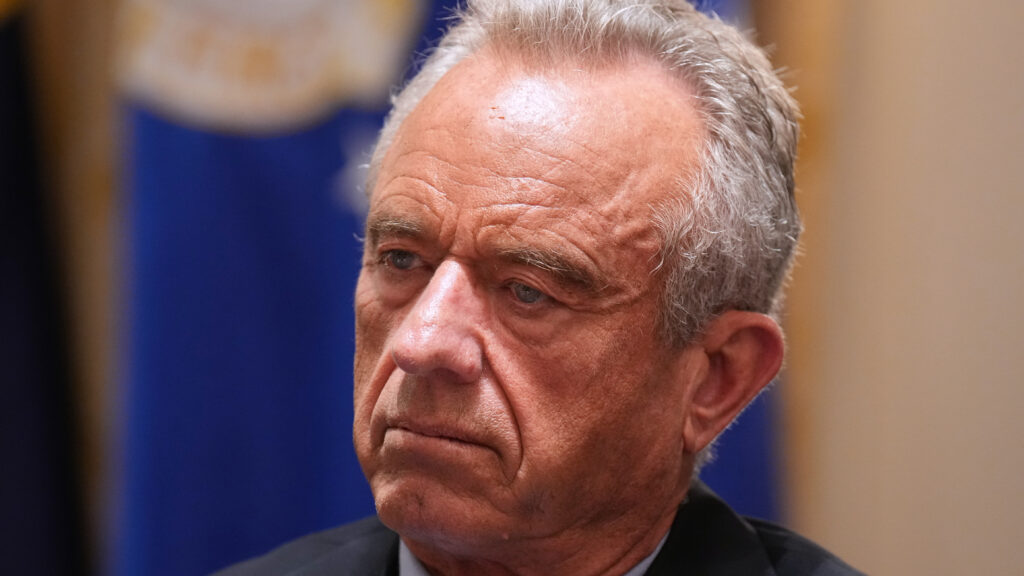
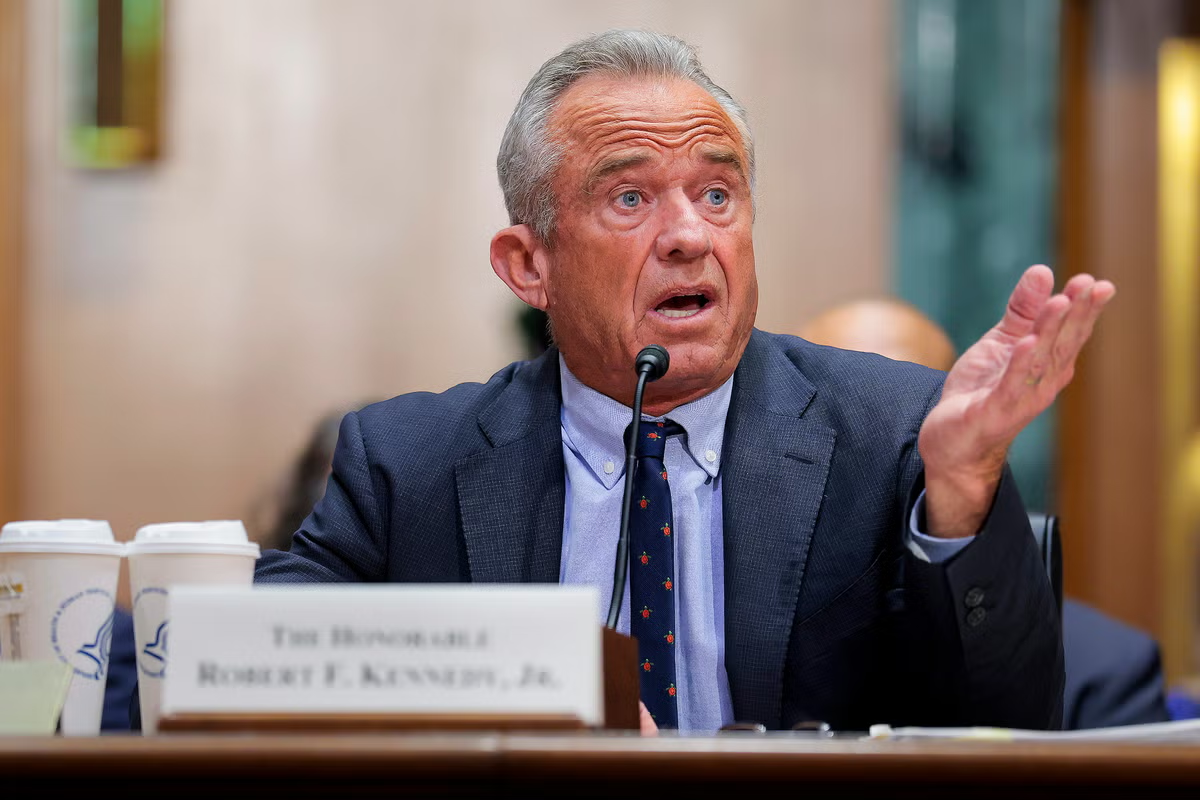
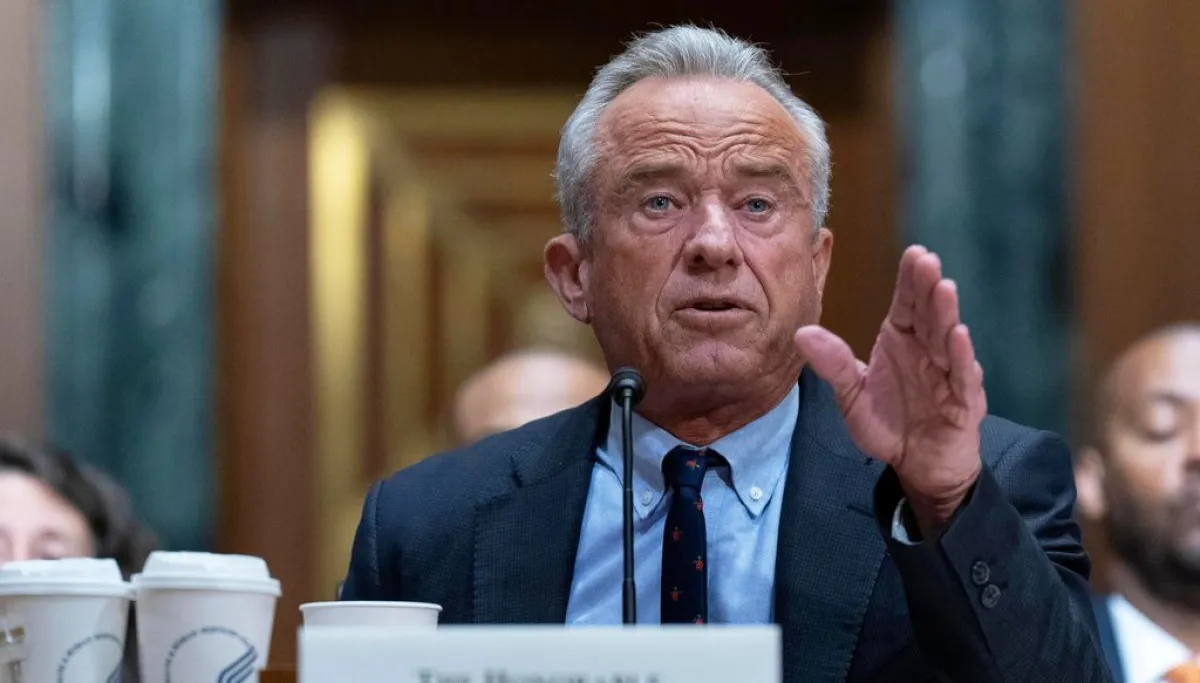
It was only when a hospital doctor refused to proceed that organ harvesting was abandoned.Last week, Health and Human Services Secretary Robert F. Kennedy Jr. revealed that the abuses went much, much further than just one man.He announced that federal reviewers found serious problems in nearly 30% of the donor cases that they examined at the organ procurement organization.“We found patients placed on the organ donation pathway who should have never been there,” he said.“We found cases where the donation process continued despite signs that patients were not appropriate organ donors.”He was speaking at a press conference that he said was designed to restore confidence in the transplant system. Then he announced that the Trump administration was decertifying Network for Hope, removing it from its role.Just one problem: It’s a process, not an immediate ban.“Seven million people across four states are at risk because this dangerous federal contractor is in every hospital in these 136 counties, and they’re still there today,” said Jennifer Erickson, a senior fellow at the Federation of American Scientists and a former assistant director in the Office of Science and Technology Policy during the Obama administration.And then there’s the fraud. People waking up mid-procedure is just one of the allegations leveled at some of the 55 OPOs who run local monopolies to source organs for transplants.The House Ways and Means Committee last year highlighted instances in which they were overbilling Medicare for costs that do not qualify for reimbursement, such as exorbitant executive compensation, lobbying, meals, and entertainment.In a 2023 nationwide audit, the Department of Health and Human Services Office of Inspector General examined 10 of them and found that 36 of 300 professional or public education expenses were fraudulently paid by Medicare. That was estimated to cost taxpayers at least $500,000 across the nation.Then there is the use of private jets. An investigation into Indiana Donor Network, which operates a fleet of small jets purportedly to fly kidneys and other organs around the country, has had to answer questions about personal trips on the planes and whether the organization improperly billed the federal government for the flights.The allegations get worse from there.“America will be shocked when they find out what’s happening … just the way that we harvest organs and give organs to families,” Rep Aaron Bean (R-FL) said at the December hearing of the Ways and Means Committee that exposed some of the most shocking cases. “… I’m going to use a word you don’t hear very often: It’s evil. It’s evil to rob families of the hope, to mislead them, to take organs before any organs should be taken.”He displayed a photograph from the OPO in New Jersey that showed boxes and boxes containing human organs, including pancreases, in a storage cupboard instead of being used for transplants.Witness testimony described a loophole that meant when donor families were asked for permission to retrieve organs, pancreases could instead be used in research and still count toward OPO transplant metrics. Oftentimes, they weren’t even used in research.Extraordinary testimony from a whistleblower in Kentucky described how, when one OPO’s freezers were too full of kidneys, staff would take the unwanted organs to a nearby hospital for incineration.In the meantime, OPO executives can make millions a year while working for a nonprofit group that commands a monopoly.Some of the allegations have floated around for years.Yet it was not until 2025 that HHS moved to shut down an OPO for the first time. Life Alliance Organ Recovery Agency in Miami did not even fight the decision after it was accused of unsafe practices, poor training, chronic underperformance, and understaffing.In contrast, Network for Hope said it will appeal last week’s decision.Barry Massa, the group’s chief executive, said thousands of people waiting for life-saving organs would be affected.“Network for Hope strongly disagrees with Secretary Kennedy’s decision to decertify our organization and will appeal this decision,” he said.Kennedy described Network for Hope as a “bad apple” when he made the announcement. Researchers and whistleblowers see a rotten system.“It’s a system that works incredibly well for the executives that get these paychecks, and yet it’s incredibly dangerous for people like TJ who are in an ICU,” Erickson said. “It’s also phenomenally costly to the taxpayer.”Data from the Organ Procurement Transplantation Network showed that since 2020, when OPOs started being under bipartisan congressional investigation, 12,000 human pancreases have been harvested under potentially fraudulent circumstances, and more than 45,000 kidneys have been thrown away.“If you want to know what’s happening, follow the money,” said Molly McCarthy, a three-time recipient who has testified before Congress.Diving further into these allegations seems like a no-brainer for an administration that has put waste, fraud, and abuse at the heart of its work.HHS did not respond to questions about how many organs were destroyed each year or how long it would take for Network For Hope to be removed from its role.Anthropic gambles on a Trump critic