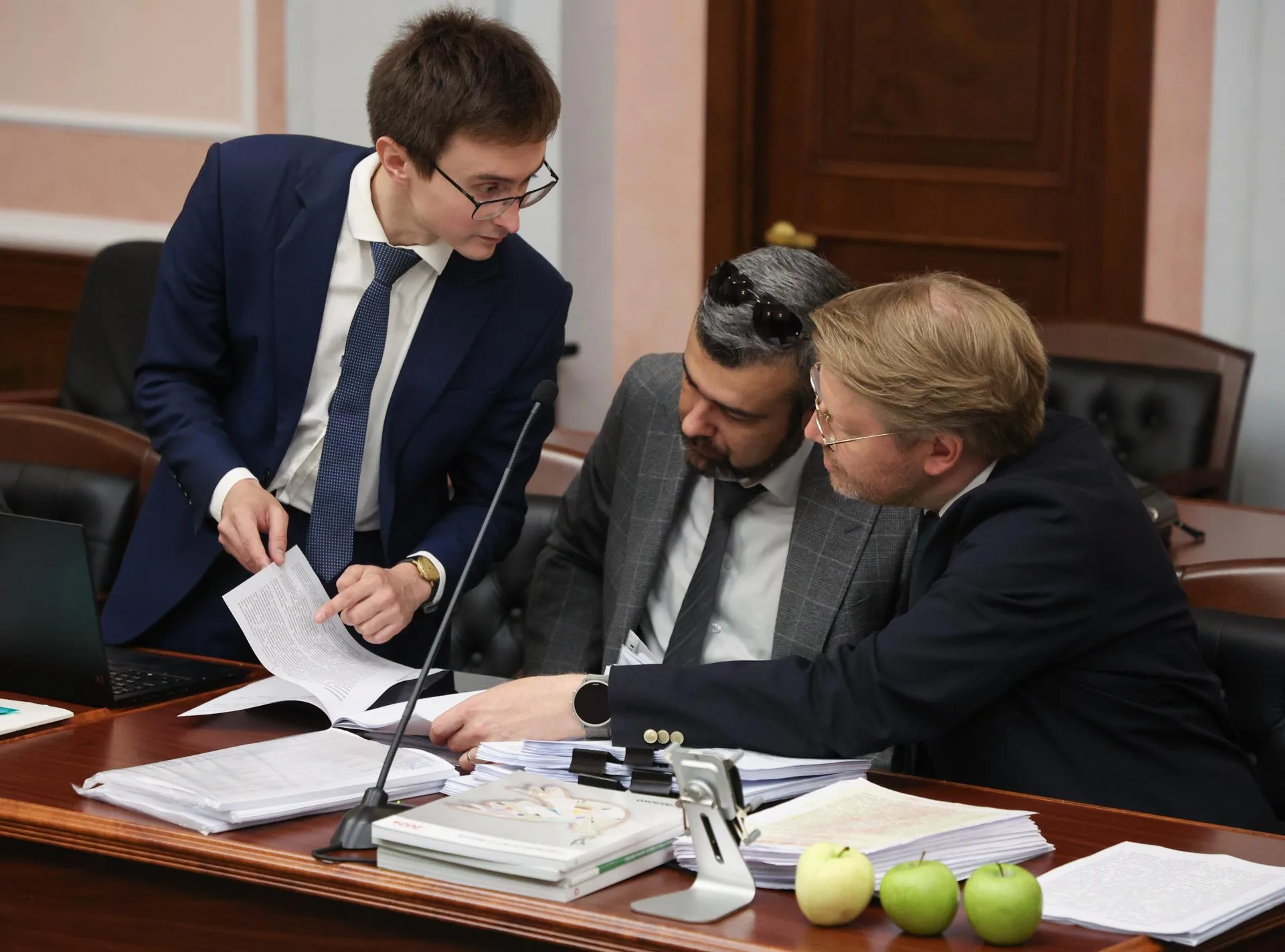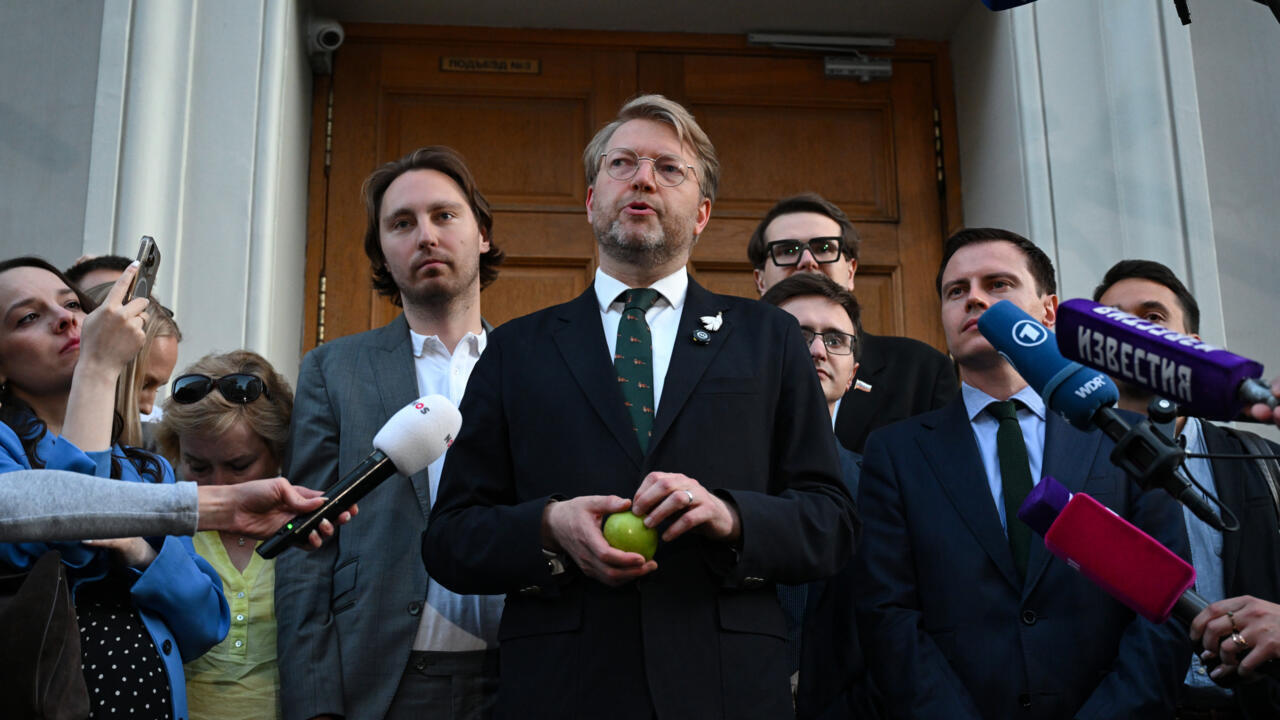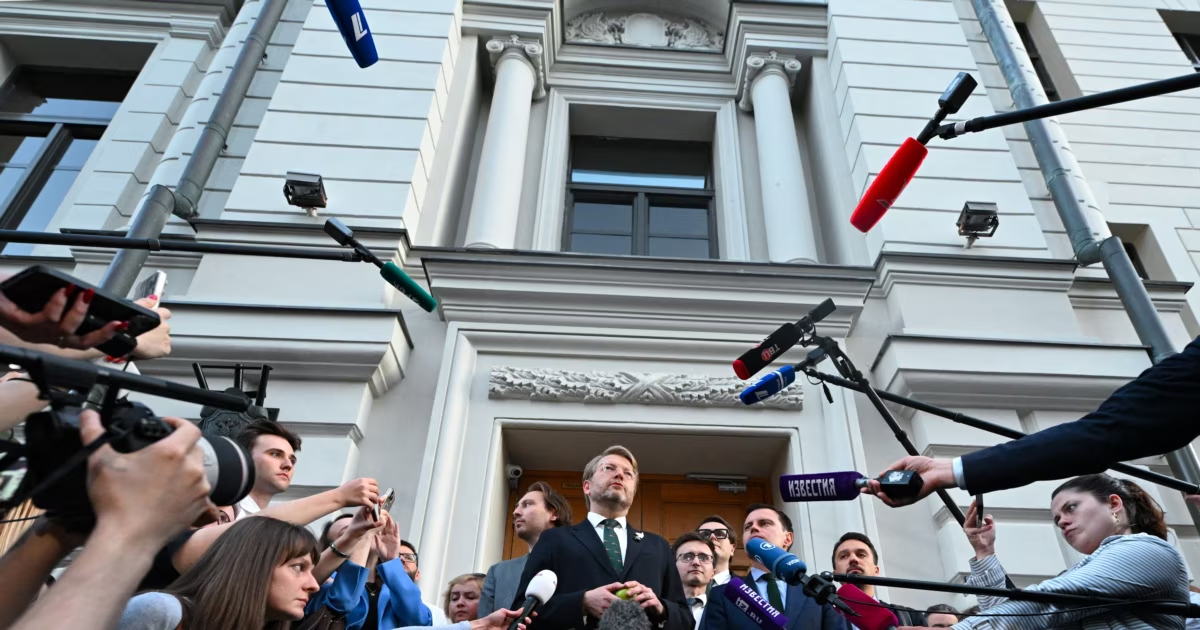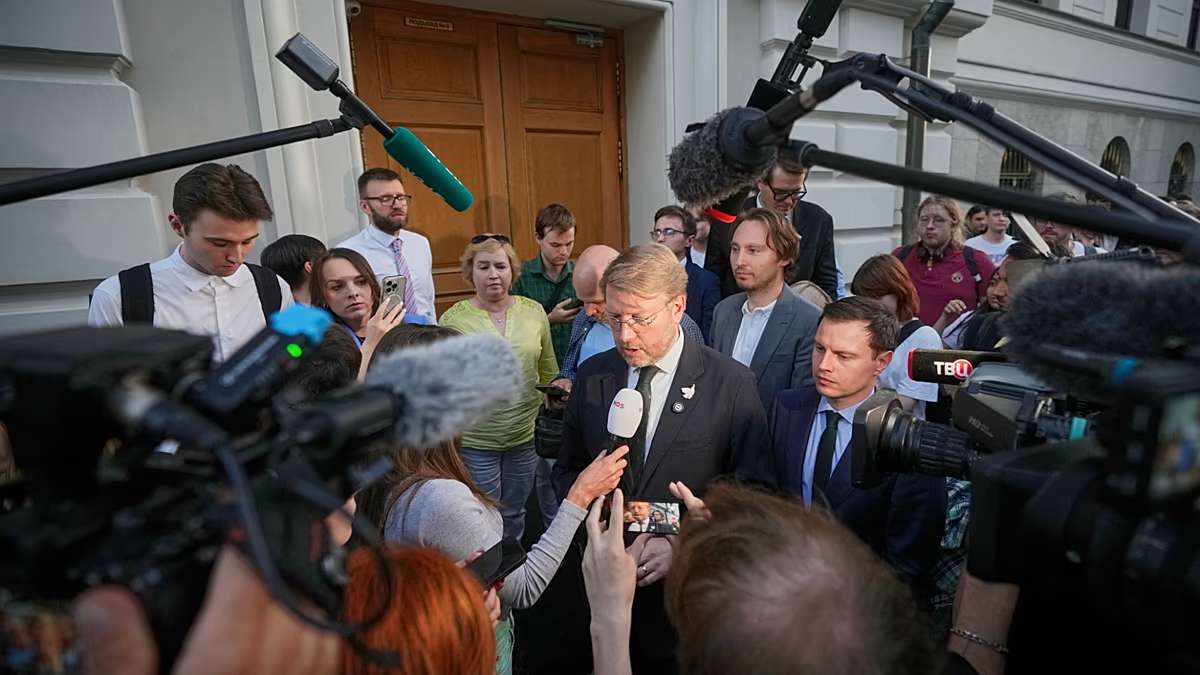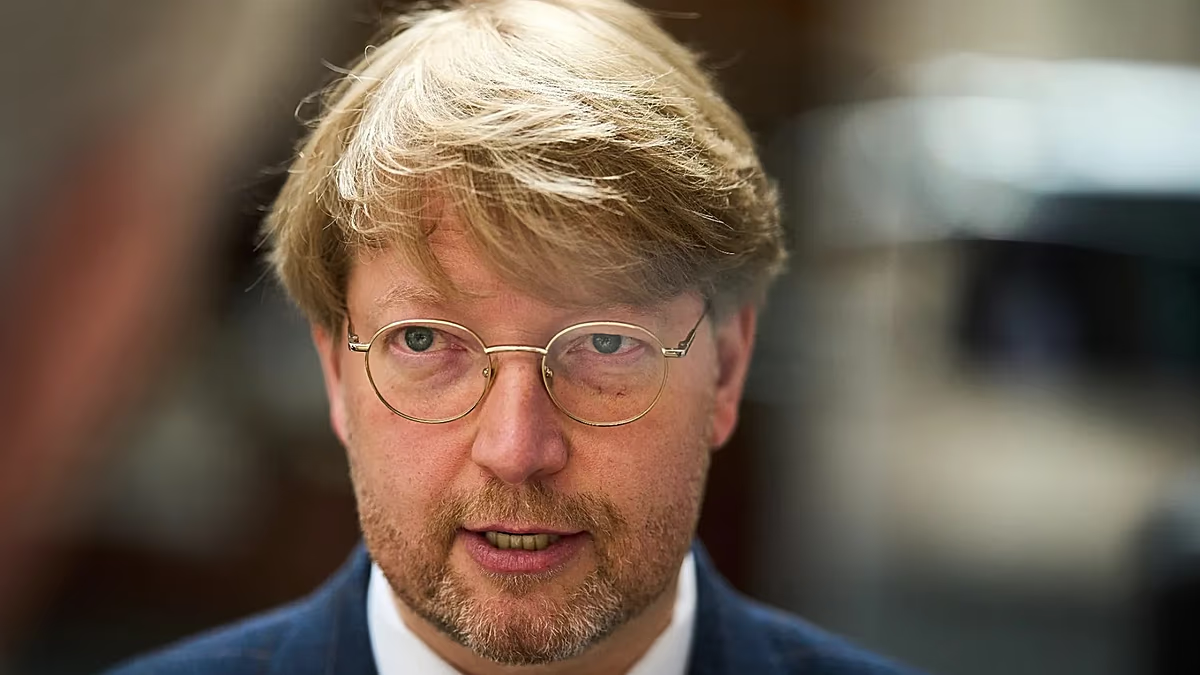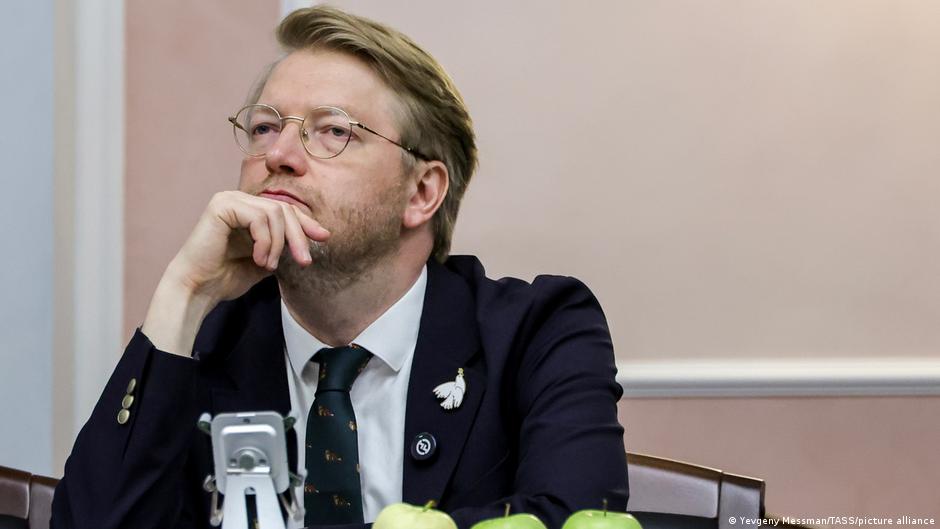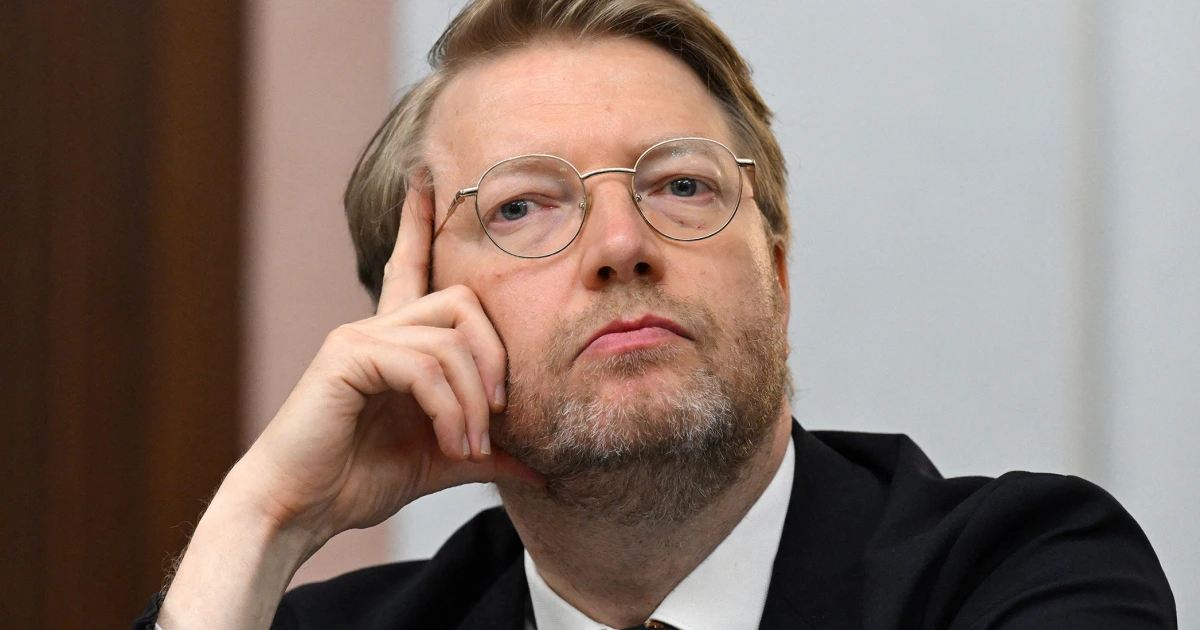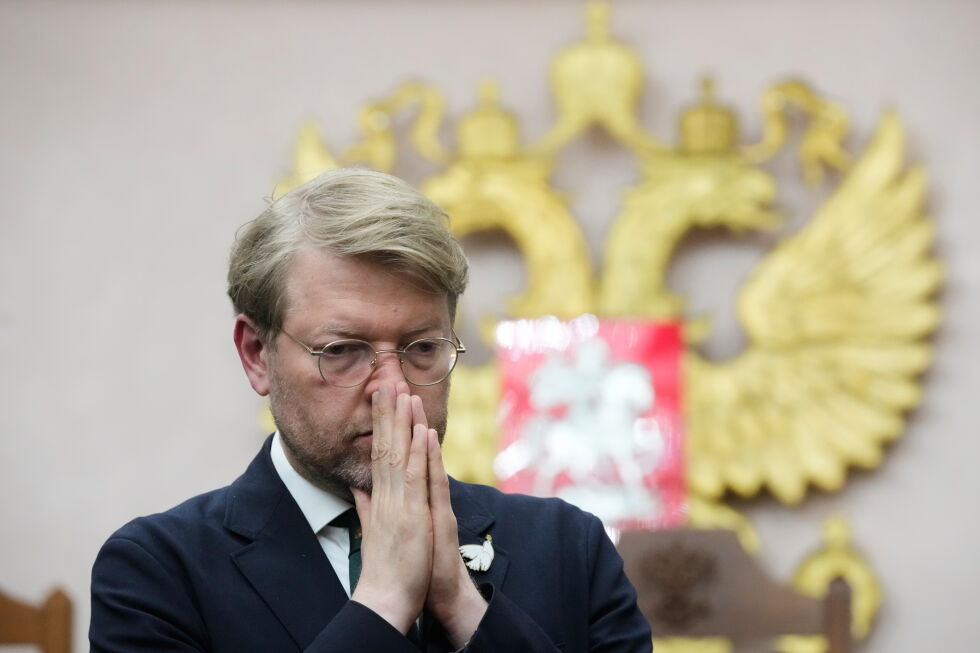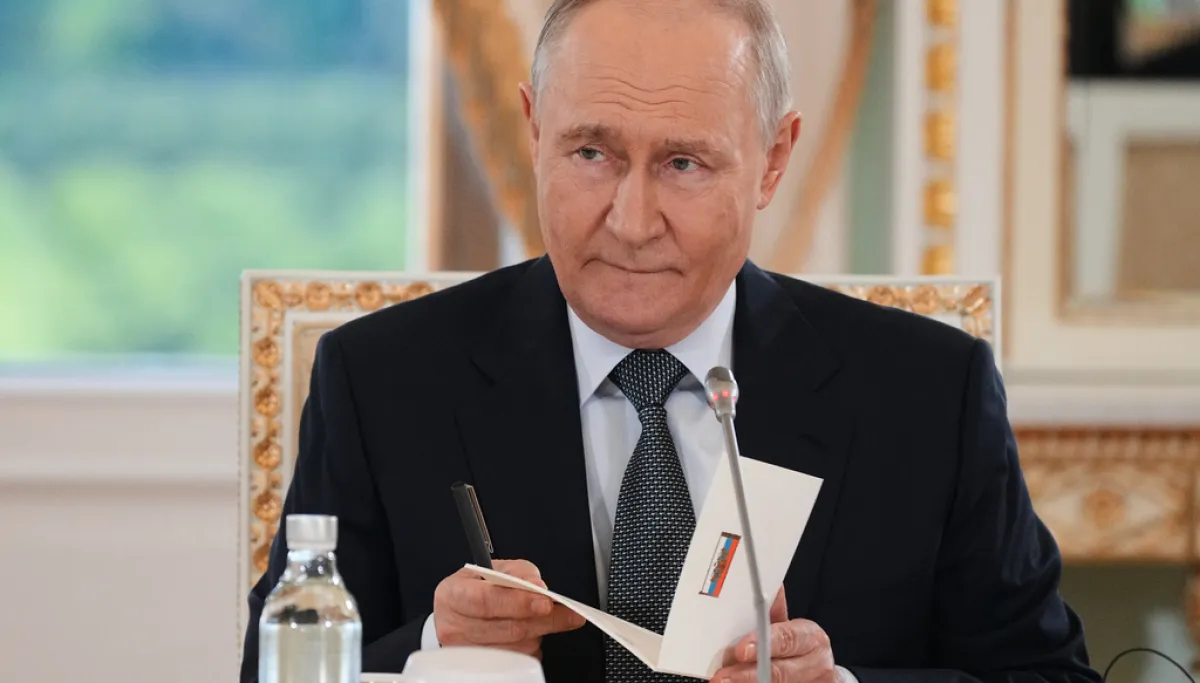
The Russian Supreme Court has banned the country’s only true opposition party from standing in the Duma parliamentary elections. The ruling against Yabloko ensures that President Vladimir Putin’s governing United Russia party faces no risk of serious embarrassment come the Sept. 18 elections.This decision wasn’t surprising, of course. Russian Supreme Court justices are utterly subordinated to the Kremlin, ruling as Putin wishes in order to maintain their lucrative financial and influence-gatekeeper privileges. But Yabloko’s fate does highlight Putin’s deepening intolerance for even mild dissent. Concerned by slowly but steadily declining public support for his war on Ukraine, Putin was unwilling to risk Yabloko acting as a magnet for protest votes against the war. Yabloko is the only national party to oppose the war, which has now lasted four-and-a-half years. All other national political parties are ultimately subservient to Putin’s wishes.
Still, Putin’s paranoia here is noteworthy. The notion that Yabloko represented any serious challenge to the former KGB officer’s authority is fanciful. On social issues, the party is well to the left of the Russian political mainstream and holds no seats in the Duma. Opinion polls suggest it has the support of around just 5% of voters. In contrast, United Russia retains the support of approximately 35% to 40% of voters. Putin’s fear, however, is that Russians might question his absolute authority. Russians have been frustrated by recent bans on the popular Telegram messaging app, cellphone internet blackouts, and fuel shortages. All of these issues flow from Ukrainian drone attacks inside Russia. But inflation is also rising, and with Ukraine now blitzing Wildberries, Russia’s equivalent of Amazon, goods shortages loom.